







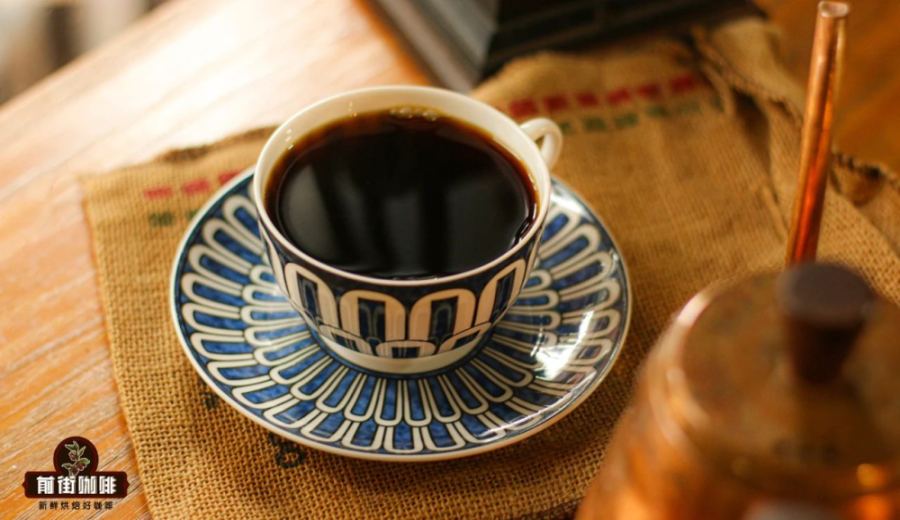
Introduction:Aged Mandheling is a special coffee crafted through long-term aging, featuring a rich body, gentle acidity, and sweet honey notes alongside complex aged aromas. It is highly favored by seasoned coffee enthusiasts. This article delves into the origins and details of the aging process, explores the differences between aged beans and fresh beans, and provides practical KONO filter pour over parameters along with cupping flavor references—so you can experience this time-honored Sumatran coffee at home.
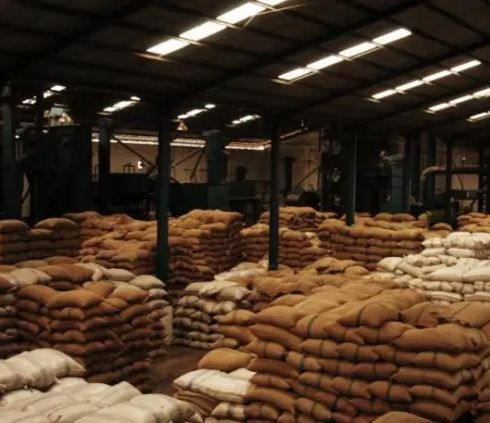
Aged Mandheling is a type of coffee bean that has undergone extended static aging, yielding flavors distinctly different from regular Mandheling. This processing method originated during the early days of maritime shipping, when coffee transported from Indonesia to overseas destinations took several months. Natural drying and exposure to sea breezes during transit imparted unique characteristics to the beans. Today, through rigorous warehouse management at origin, beans are stored in controlled environments for up to 24 months to achieve a coffee experience that is soft in acidity, full-bodied, and rich with honey sweetness and aged notes.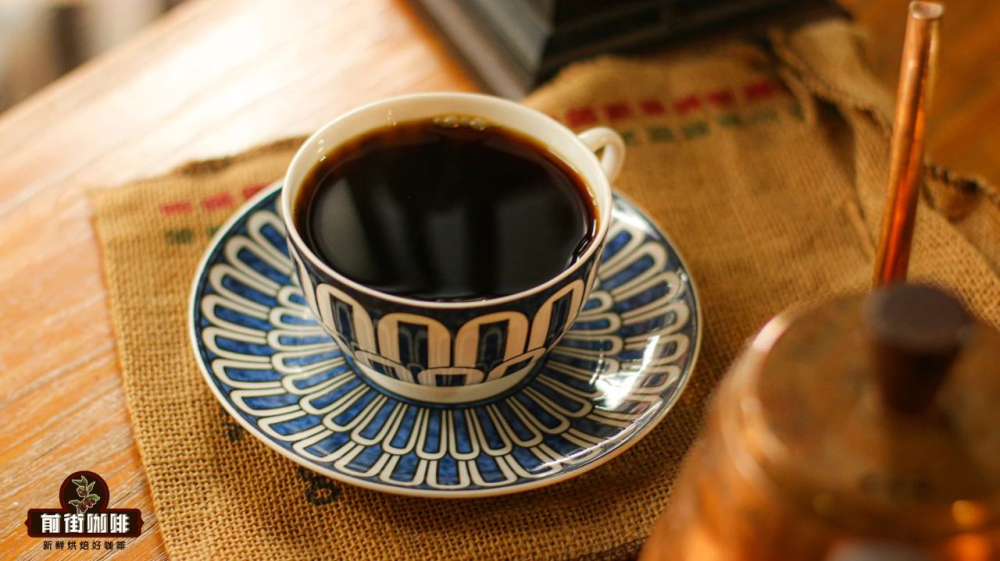
The key to the aging process lies in selecting high-quality green beans and storing them under specific temperature, humidity, and ventilation conditions over an extended period, with regular turning to prevent mold or pest infestation. Compared to traditional fresh beans, aged beans exhibit significantly reduced fruit acidity, shifting toward a smoother and more rounded profile. The mouthfeel becomes fuller, and the flavor complexity deeper and more layered. This process is not only time-consuming but also requires refined management techniques, which contribute to its uniquely rich and mellow aroma.
Many wonder whether aged beans are truly superior to fresh ones. In fact, it depends on personal preference. Fresh beans typically showcase bright fruit acidity and floral notes, while aged beans excel in richness, sweetness, and aged character—offering a flavor profile akin to decaffeinated coffee, but distinctly different. It’s worth noting that genuine aged beans are “crafted” through strict processes at origin, rather than simply being unsold beans left to sit. What began as an unintentional result of slow shipping in the past has now evolved into a deliberately pursued coffee processing style.
Visually, properly stored aged beans tend to be darker in color with less surface gloss. Their acidity is lower and moisture content reduced, resulting in a thicker, more syrupy mouthfeel and sweet notes resembling honey or molasses. Some inherent off-flavors present in the original green beans may also become less noticeable. However, if storage conditions are improperly managed, undesirable aromas such as mustiness, jute sack, or leather may emerge—complex but not particularly pleasant. Therefore, factors like temperature, humidity, and ventilation are critical, and aging is usually carried out by green bean traders in professional environments.
Regarding roasting, Aged Mandheling—due to its high density and low moisture content—requires careful control of heat and temperature to avoid premature scorching of the bean surface oils. It is recommended to use a Yangjia 800N roaster, with a charge weight of about 550g. The initial drum temperature is set at 200°C, with the air damper open to 3. After approximately 1 minute of pre-infusion, reduce the heat to 160°C, and when the drum temperature drops to 165°C, adjust it again to 140°C. By 5 minutes and 35 seconds, when the bean surface turns yellow and grassy notes dissipate, maintain the air damper at 4. Approaching first crack—around 9 minutes—when the bean surface shows noticeable wrinkles and dark spots, closely monitor the sound of first crack. Once first crack begins at 9 minutes and 30 seconds, reduce the heat to 80°C and fully open the air damper 5. The roast is completed at 197.4°C when the beans are dropped.
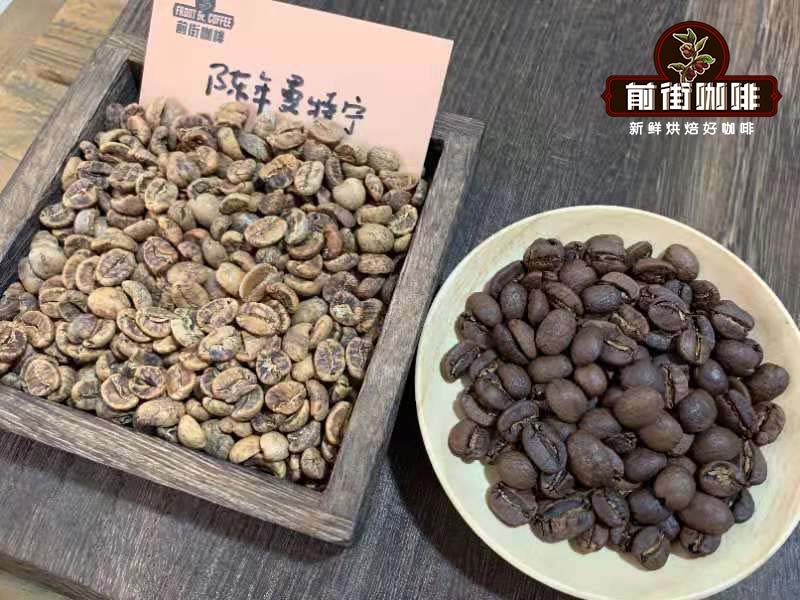
When cupping Aged Mandheling, beans from the Sumatra region, Typica variety, and processed via the wet-hulled method can be selected. Its flavor profile often centers around herbal and caramel notes, offering a smooth and rich mouthfeel with pronounced sweetness. For pour over brewing, the KONO filter is recommended. This filter features fewer ribs, allowing the filter paper to adhere tightly to the cup, effectively restricting airflow and extending contact time between water and coffee grounds. This aids in achieving full extraction even with a coarser grind, enhancing overall body and flavor concentration.
For actual pour over brewing, it is advised to use a 1:14 coffee-to-water ratio. Use 17 grams of coffee grounds, start with a 25-gram bloom for 30 seconds, then pour up to 238 grams total. Keep the total brew time around 2 minutes. With these parameters, the unique herbal aroma and sweet caramel finish of Aged Mandheling can be fully highlighted. This recipe is ideal for coffee lovers who prefer low acidity and a full-bodied taste. With proper control of roasting and brewing techniques, you can enjoy this classic Sumatran flavor refined by time, all from the comfort of your home.
The above content is compiled by CoffeeHunters, a coffee news website.


