








Introduction:Although Peruvian coffee is not as well-known as other Central and South American origins, it has gradually carved out a niche in the specialty coffee scene with its consistent quality and organic farming practices. This article takes you deep into the cultivation history of Peruvian coffee, explores the characteristics of its three major producing regions, and delves into the craftsmanship of the washed processing method. It also focuses on a washed Geisha from the Cajamarca region—covering everything from regional conditions to flavor profiles—to give you a comprehensive understanding of this impressive light-to-medium roast coffee bean.
On the eastern side of the Andes in western South America, Peruvian coffee has long maintained a low-key yet solid presence within the specialty coffee supply chain. It once served as a rich base in blends and, after enduring political turmoil and industry stagnation, made a comeback in the 1990s. Through organic cultivation, traditional washed processing, and its uniquely high-altitude environment, Peruvian coffee has gradually regained international attention with its delicate acidity and fresh fruity notes. This article will fully outline the historical evolution of Peruvian coffee, the distribution of its core producing regions, as well as its varietal and processing characteristics, and present a washed Geisha from the Cajamarca region, analyzing its unique flavor expression.
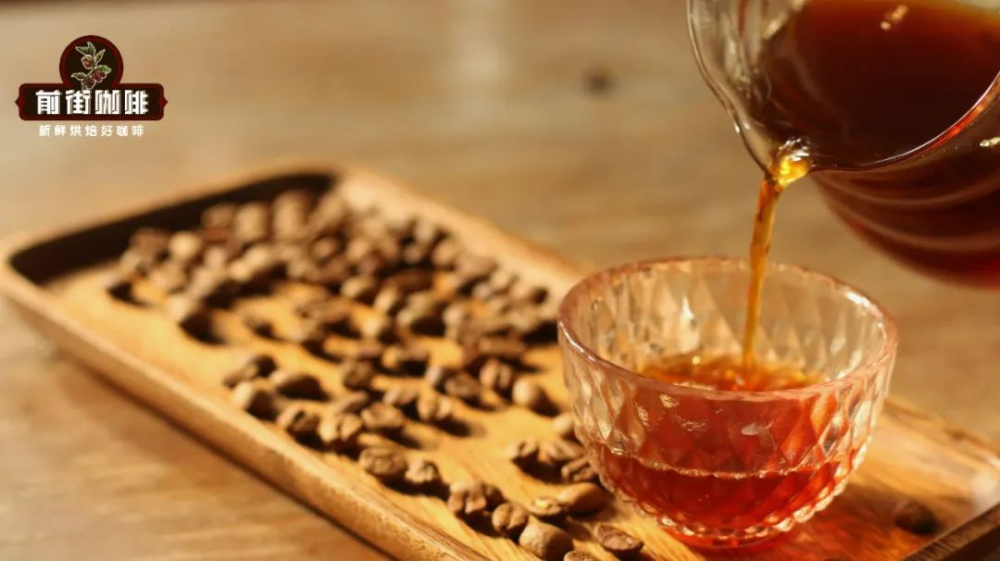
Looking back at the development of Peruvian coffee, from the late 19th century to the early 20th century, due to political and economic instability, coffee cultivation in the country nearly came to a halt and was rarely seen in international trade. It wasn’t until the mid-1990s, as the market gradually recovered, that Peruvian coffee re-emerged on the scene. Notably, during the long interruption, many old varieties were preserved locally, especially Typica, laying the traditional foundation for today’s coffee flavors.
Peruvian coffee cultivation generally employs shade-grown farming methods, with washed processing as the primary approach. Additionally, most producing regions maintain natural agricultural environments, making Peru one of the few places in the world that combines organic certification with sustainable production conditions. The country’s coffee has not only received numerous accolades in international competitions but also won praise from consumers for its soft and delicate acidity and balanced, full-bodied taste.
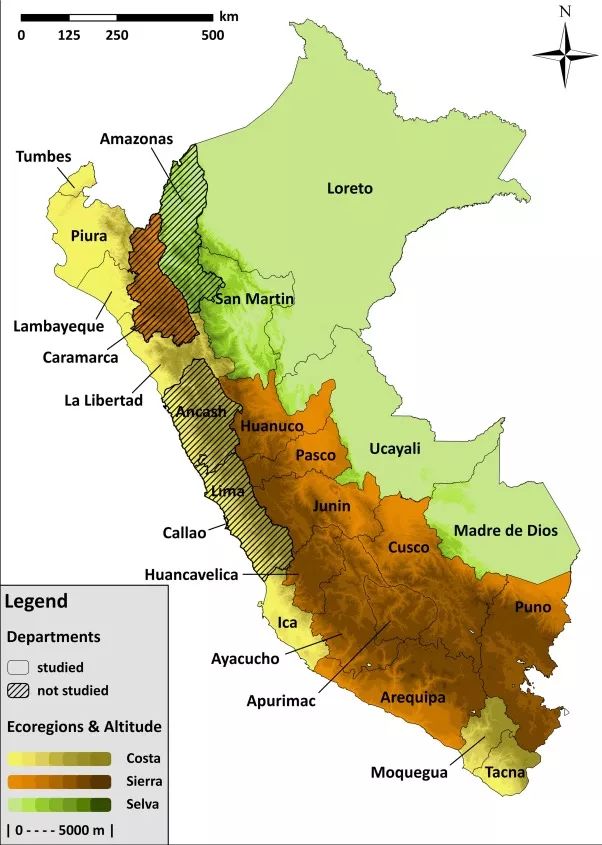
Geographically, Peru is located in western South America. Its 2,254-kilometer-long winding coastline and the north-to-south spanning Andes Mountains create diverse terrains and microclimates. About one-third of the country’s area consists of mountainous regions, with a climate that is predominantly dry and mild tropical desert. Specialty coffee is mainly grown at the foothills of the Andes, at elevations typically ranging between 1,300 and 1,850 meters, with some premium regions even exceeding 2,000 meters—resulting in rich and layered coffee flavors.
Overall, Peruvian coffee producing regions can be divided into three core geographic blocks: northern, central, and southern. Each area, due to differences in elevation, varieties, and microclimates, produces coffee beans with distinct flavor profiles. Around 70% of the coffee is Typica, with the rest primarily consisting of varieties such as Caturra and Catimor, showcasing a rich diversity of regional characteristics.
【Cajamarca Region】
Located in northern Peru, Cajamarca is a mountainous producing region named after its capital city of the same name. Situated at the northern end of the Andes, it enjoys an equatorial climate and fertile soil, making it an important hub for local coffee production. Most of the farming here is carried out by smallholders, but they receive technical support, financial loans, and training resources through local organizations such as CENFROCAFE, effectively improving cultivation and post-harvest quality. CENFROCAFE has further expanded into the supply chain by operating local cafés, helping to diversify farmers’ incomes.
Elevation range: 900 – 2,050 meters
Main harvest period: March to September each year
Common varieties: Typica, Caturra, Bourbon, Panha Mennon, Catua
【Junín Region】
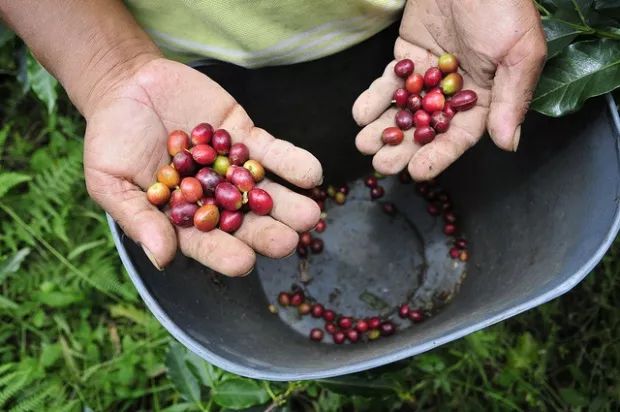
As an important producing region in central Peru, Junín contributes about 20% to 25% of the country’s total coffee output. The coffee here is mostly grown in tropical rainforest environments. In the past, the industry faced interruptions due to internal conflicts and disease outbreaks. Fortunately, it has gradually recovered since the late 1990s. Now known for its bright and clear acidity, soft and mellow aroma, and balanced flavor profile, it has become a reliable choice for many roasters.
Elevation range: 1,400 – 1,900 meters
Main harvest period: March to September each year
Representative varieties: Bourbon, Typica, Caturra Pas, Mennon, Catuai
【Cusco Region】
The southern Cusco region is dominated by smallholder farmers rather than large estate operations. The area is also a well-known tourist destination, with many visitors traveling from the city of Cusco to explore the ancient ruins of Machu Picchu. Although coffee is grown on a smaller scale here, the high altitude and careful cultivation result in distinctive regional flavors. Most of the varieties include Bourbon, Typica, Caturra, Pache, Modo Novo, Catuai, and Catimor, making it a great choice for coffee enthusiasts who enjoy exploring nuanced profiles.
Elevation range: 1,200 – 1,900 meters
Main harvest period: March to September each year
Common varieties: Bourbon, Typica, Caturra, Pache, Modo Novo, Catuai, Catimor
【Production and Challenges】
Up to 98% of Peruvian coffee is grown in forested areas, and the vast majority is cultivated by smallholder farmers, showcasing strong local characteristics. The country’s political and economic environment has stabilized in recent years, providing a solid foundation for the coffee industry. However, it has also faced challenges in the past, including guerrilla warfare, drug trafficking, and the cholera epidemic in the mid-1990s, which once caused severe economic decline and even led to hyperinflation reaching 7,000% annually.
Since the mid-1970s, Peru’s annual coffee production has been around 900,000 bags, gradually increasing to around 1.3 million bags. While some coffee is sourced through private exporters from remote areas, the overall market was once largely government-controlled. Later, the private export organization Comercializadora de Exportadores de Café del Perú was established, focusing on improving quality control and setting standards, which significantly resolved the issue of inconsistent quality in the past.
【Grading and Processing Systems】
The grading of Peruvian coffee is primarily based on elevation and bean size. High-altitude beans are usually of higher quality, while medium- and low-elevation beans are graded according to bean size. The defect rate of the region is also an important metric. Buyers often conduct secondary grading based on cupping quality, with common grades including Strictly High Grown (SHB) for very hard beans (above 1,350 meters) and High Grown (HB) for hard beans (1,200–1,350 meters).
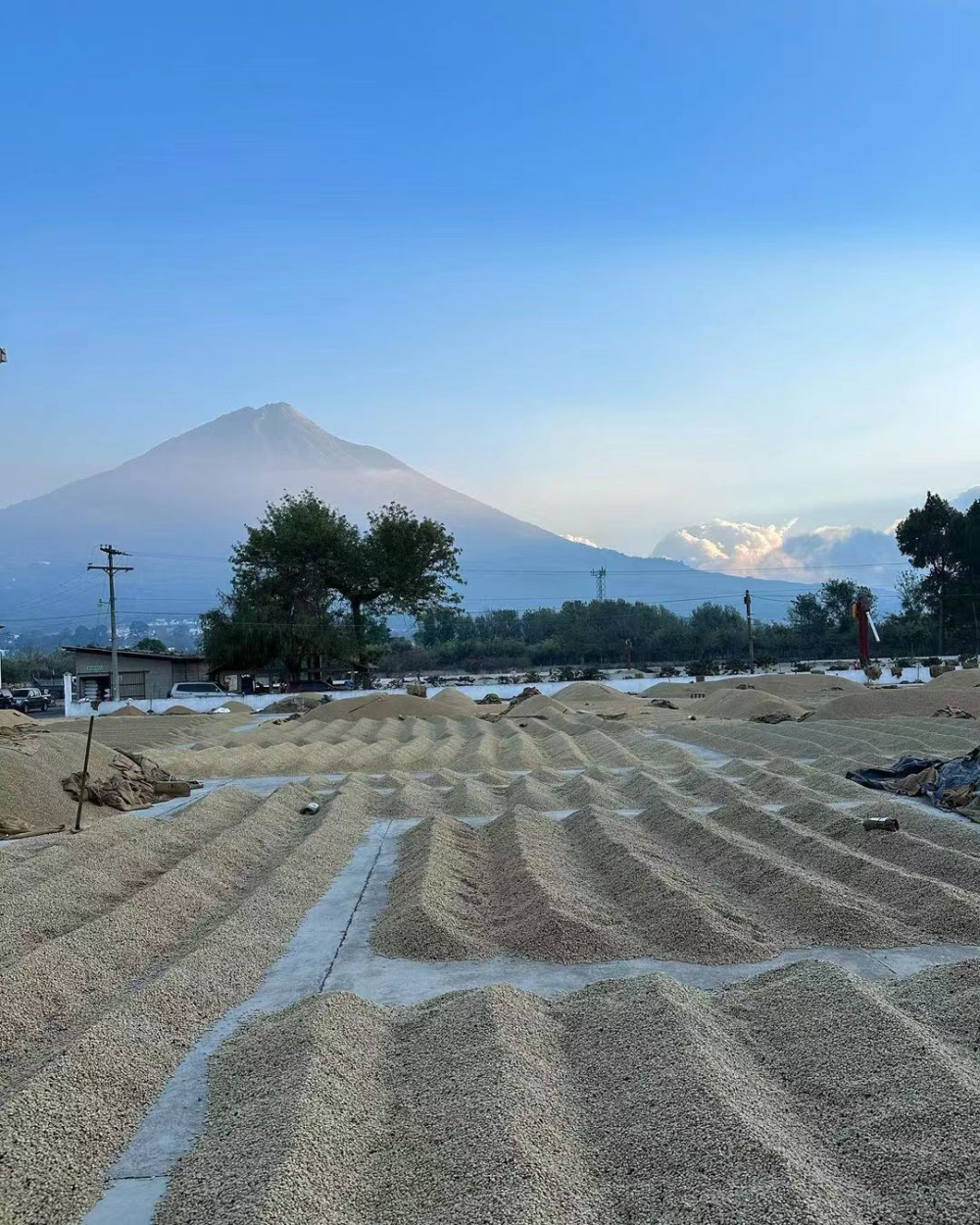
In terms of processing methods, Peru generally uses washed processing due to its abundant water supply. The steps include: flotation to remove low-density fruit, mechanical removal of pulp and skin, water-based or waterless fermentation to break down mucilage, washing with clean water, and then sun drying to achieve a moisture content of 11% to 13%. Finally, the beans are stored with parchment and only hulled before export.
【Flavor Characteristics and Geisha Tasting】
Besides traditional Typica, some Peruvian producing regions also grow popular varieties such as Geisha. The washed Geisha introduced here, from the Cajamarca region, is lightly-to-medium roasted to fully showcase its delicate floral and fruity notes.
Country: Peru
Region: Cajamarca
Elevation: 1,800–1,950 meters
Variety: Geisha
Processing Method: Washed
Grade: SHB
Flavor Profile: White flowers, prune, citrus, juicy, black tea
During cupping, this Cajamarca washed Geisha exhibits intense white floral notes, berry and citrus aromas, accompanied by the sweetness of prunes and peaches. Upon sipping, the acidity is bright and full-bodied, with the juiciness of prune and grape, leading to a tea-like and caramelized finish. The overall profile is clean and layered. As it cools slightly, the acidity becomes more vibrant, paired with a round sweetness reminiscent of apricots—making it an excellent choice for fans of light-to-medium roast coffees.
The above content is compiled by CoffeeHunters, a coffee news website.


