







Introduction:When brewing pour over coffee, have you often felt that something is "off" with your cup but couldn't quite put your finger on why? In many cases, the issue stems from either "over-extraction" or "under-extraction." Understanding the definitions, characteristics, and solutions for these two scenarios can effectively help you adjust your brewing strategy and improve the flavor of your coffee. This article will provide a detailed analysis of the differences between the two, their actual manifestations, and offer practical adjustment suggestions.
Many beginners in pour over coffee have encountered this kind of frustration: the brewed coffee just tastes "weird," but they can’t tell what’s wrong. In reality, the common reasons coffee doesn’t taste good can generally be categorized into two main issues: "over-extraction" and "under-extraction."
To brew a pour over coffee with balanced and satisfying flavors, it's not enough to simply master the basic brewing process and parameter settings. You also need to learn how to judge whether the extraction is appropriate through taste. Only by accurately identifying which extraction state your coffee falls into can you further adjust the brewing variables to improve the flavor.
Next, we’ll dive deeper into the following questions: What exactly are over-extraction and under-extraction? What are their distinct flavor characteristics? And how can you make adjustments by tweaking parameters?
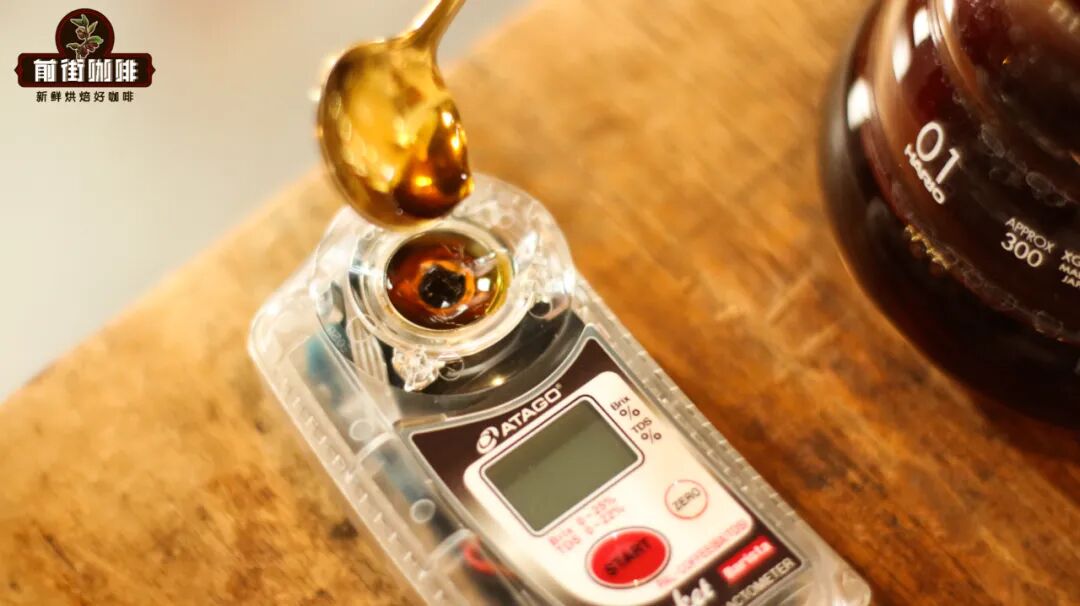
First, let’s start with the basic concept of extraction. The widely cited "Golden Cup Standard" in the coffee industry suggests that the ideal extraction rate for a good cup of coffee should fall within 18% to 22% . A rate below 18% indicates under-extraction, while above 22% is considered over-extraction. However, in practice, we rarely use a refractometer to measure concentration each time we brew, so more often we rely on taste experience to make judgments.
Additionally, the Golden Cup Standard isn’t a cure-all. Even if the extraction rate falls within the ideal range, the coffee may still not be satisfactory due to poor bean quality. Conversely, coffee with an extraction rate slightly outside the range can sometimes deliver excellent results. The key lies in the composition of soluble substances in the coffee beans, of which only about 30% are water-soluble, and among these, there are both pleasant aromatic compounds and undesirable elements such as excessive astringency, woody notes, or salty flavors.

The amount of these undesirable substances often closely relates to the coffee bean variety, growing environment, and processing method. High-quality coffee beans usually contain fewer undesirable components, so even with a slightly higher extraction rate, they may still maintain good flavor. Lower-quality beans, however, may produce off-flavors due to the release of more unwanted substances, even if the extraction rate is within the Golden Cup range.
Therefore, instead of relying entirely on numbers and instruments, it’s recommended that both beginners and experienced enthusiasts develop the ability to judge extraction status based on actual flavor. Next, let’s look at the specific characteristics of under-extraction and over-extraction.
So-called "under-extraction" refers to the situation where only a small amount of flavor substances are successfully dissolved during the brewing process. For example, although around 30% of the coffee bean is made up of soluble substances, extracting only 10% to 15% of them can easily lead to under-extraction.
Common negative flavor characteristics of under-extracted coffee include the following: First is "flat flavor"—due to insufficient extraction, many volatile aromatic compounds and flavor molecules are not released, resulting in weak overall aroma and bland taste. Second is a "noticeable wateriness"—without enough flavor substances to support the cup, even with a normal coffee-to-water ratio, the coffee may feel "watered down," lacking depth and body.
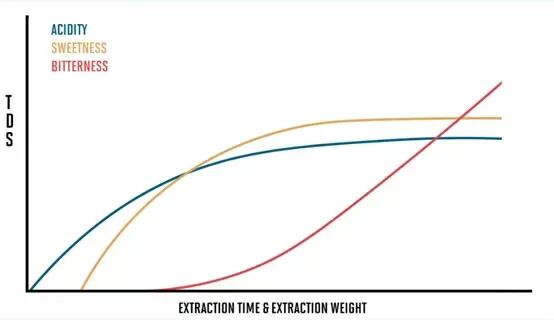
The third common issue is "prominent sourness, astringency, or saltiness." This is because different molecular-weight compounds dissolve at varying speeds during extraction. Acidic compounds usually have smaller molecules and dissolve quickly, so they are often released early in the brew; whereas sweet and bitter compounds, having larger molecules, take longer to extract. If you stop the extraction before the sweet and bitter compounds are fully released, the acidity may dominate, resulting in an overly sharp sourness, sometimes accompanied by noticeable astringency or saltiness—flavors that are typically balanced out by other elements in a properly extracted cup.
If you encounter any one or several of the above issues in your coffee, it’s likely due to under-extraction. Common causes of under-extraction include: too coarse a grind size, low water temperature, too short a brewing time, insufficient water volume, or inadequate agitation. All of these can result in insufficient contact between water and coffee grounds, affecting flavor release.
On the other hand, "over-extraction" refers to extracting too much from the coffee—especially those undesirable large-molecule compounds. These often include high-molecular-weight bitter components, woody substances, and impurities that may introduce dry, astringent, or cardboard-like notes.
The most typical signs of over-extracted coffee are "noticeable bitterness," "dry mouthfeel," or even unpleasant off-flavors resembling "wood," "straw," or "dirt." These flavors are usually easy to detect because they deviate significantly from the clarity, sweetness, and body that a well-brewed coffee should have.
The primary causes of over-extraction are usually overly efficient extraction, often due to factors like: too fine a grind, excessively high water temperature, too long a brewing time, or overly vigorous agitation during the brew. Among these, "too long a brew time" is one of the most common culprits, as extending the contact time between water and coffee grounds allows more undesirable substances to be released.
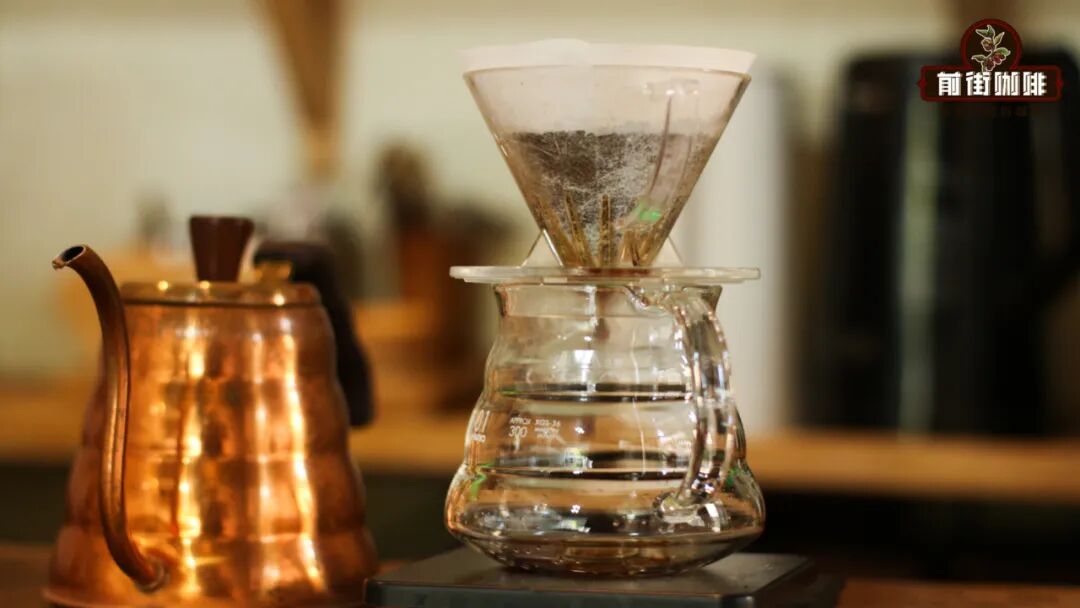
So, if you find your pour over coffee is either under-extracted or over-extracted, how should you adjust? The key lies in "controlling extraction efficiency." When the coffee tastes weak or watery, you need to improve extraction efficiency; conversely, if the coffee is too bitter or has a dry mouthfeel, you should reduce extraction efficiency.
When making adjustments, it’s recommended to first fix parameters that are easier to control, such as water temperature, brew time, and water volume, then fine-tune the "grind size." For light roast coffee beans, common starting parameters might be:Water temperature 91–93°C, coffee-to-water ratio 1:15, brew time around 2 minutes. If you detect under-extraction, try a finer grind to increase the contact surface area and time, thereby enhancing flavor release; if over-extraction characteristics appear, go coarser to reduce excessive dissolution.
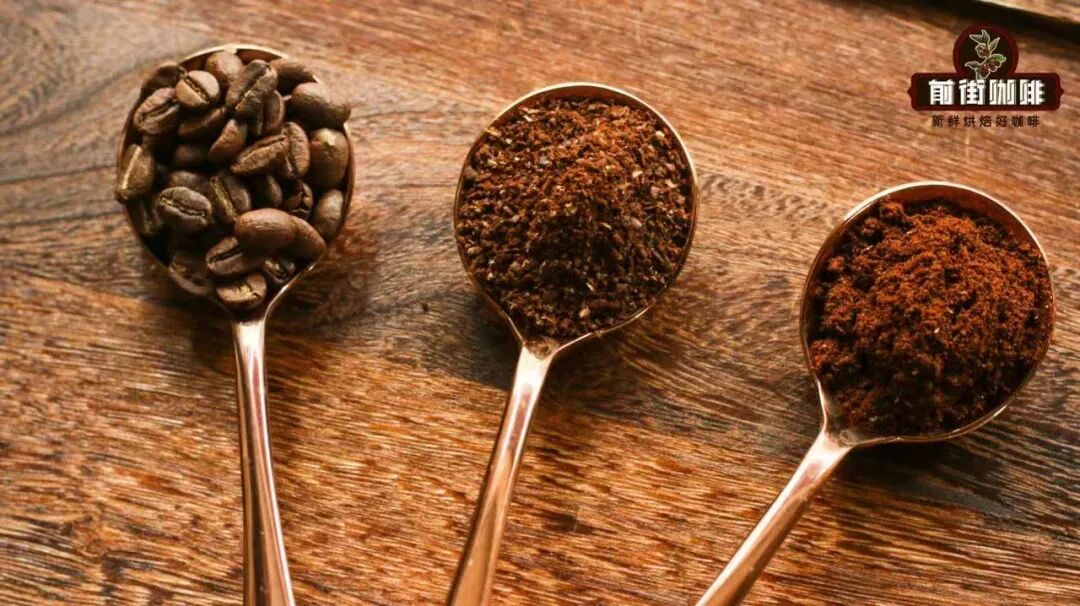
Through such systematic parameter adjustments, you can gradually find the optimal brewing conditions for your current coffee beans, thereby improving extraction quality and flavor performance. Of course, beyond these basic parameters, factors like fines ratio, filter design, water quality, and pouring technique can also affect the final extraction outcome. Readers interested in learning more can refer to advanced guides.
The above content is compiled by CoffeeHunters, a coffee news website.


