








Introduction:The AeroPress is a creative coffee brewing device that combines fun and practicality. Though it resembles a syringe in appearance, it can extract a variety of flavorful black coffees. This article delves into the design principles and operation methods of the AeroPress, explains in detail the differences between regular and inverted brewing, and offers practical extraction parameter suggestions to help beginners quickly get started and produce pour over-level coffee with rich layers.
Among the many coffee brewing tools, the AeroPress often surprises people with its unique syringe-like appearance, making it hard to immediately associate it with a tool specifically designed for coffee extraction. This small gadget, extremely popular among coffee enthusiasts, is often affectionately called a "coffee toy," but its functionality and playability far exceed most people’s imagination.
The reason the AeroPress is called a "toy" is not because it fails to consistently brew good coffee, but because it offers a high degree of operational flexibility and versatility. By adjusting grind size, water temperature, steeping time, and pressurization method, users can easily alter the flavor profile of the extracted coffee. Additionally, the AeroPress can be operated in both "regular" and "inverted" ways, adding an element of exploration to the brewing process. That’s why, during the annual AeroPress Brewing Championship, contestants often showcase their creativity by using various novel techniques to present unique coffee flavors.
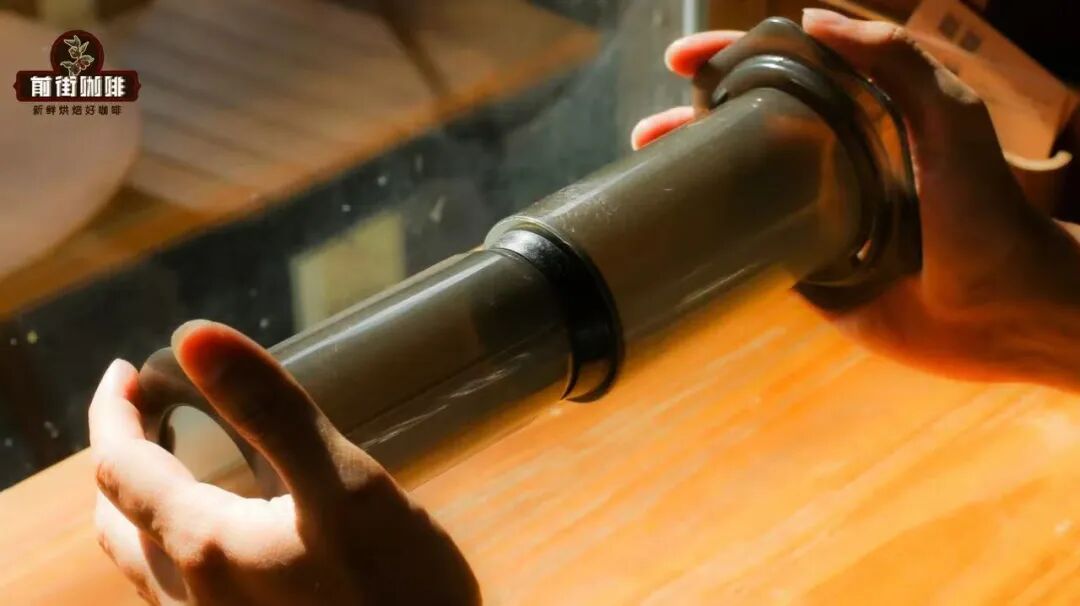
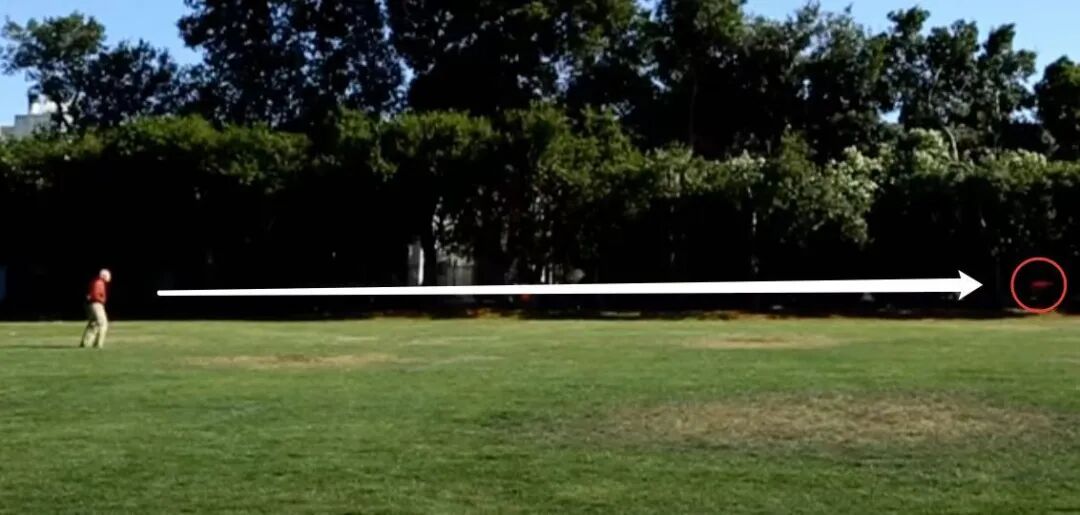
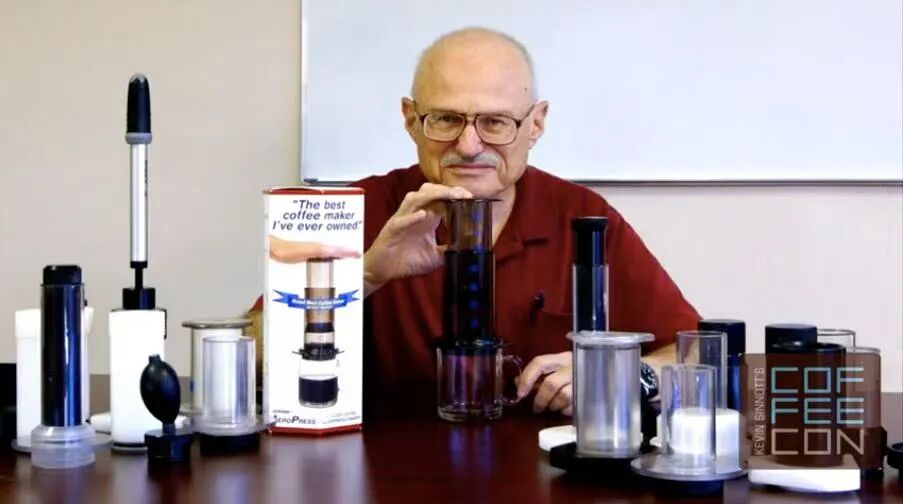
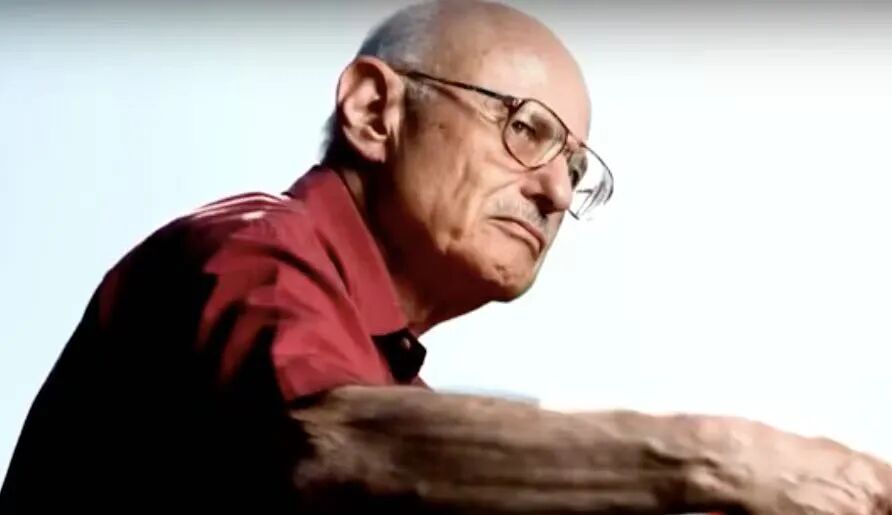
When it comes to the birth of the AeroPress, we must mention its inventor—Alan Adler. This American engineer is not only a lecturer in mechanical engineering at prestigious institutions such as Stanford, Caltech, and Princeton, but also an avid inventor. He has been involved in designing submarine control systems, nuclear reactor instrumentation, military aircraft instruments, and even holds over forty patents. Furthermore, his sports equipment company, Aerobie, gained fame for launching the Aerobie Pro flying ring, which achieved a record-breaking throw distance of 406 meters.
Interestingly, Alan Adler initially had no deep connection with coffee. The motivation behind designing the AeroPress stemmed from a simple yet common inventors’ impulse: “The coffee brewing tools on the market aren’t good enough—I want to make a better and simpler one.” Before the AeroPress was introduced, mainstream brewing methods were primarily pour over and espresso, which, while capable of producing high-quality coffee, often required relatively high technical skills and complex steps. Therefore, Alan Adler was determined to create a tool that was easy to operate yet could still brew delicious coffee.
From researching coffee extraction theory in 2003 to officially launching the AeroPress in 2005, Alan Adler spent just two short years, during which he went through over forty design revisions. He combined the principles of immersion and pressure brewing, ultimately designing this uniquely shaped and intuitive-to-use coffee tool. Although the AeroPress didn’t immediately cause a sensation at the 2005 Seattle Coffee Festival, Adler didn’t get discouraged. Instead, he shared usage tutorials and videos online, quickly gaining immense popularity—with video views surpassing seven million—which helped this “syringe coffee maker” become an overnight success.

The AeroPress looks drastically different from traditional coffee brewing devices, and even by today’s standards, it remains quite avant-garde. Its design was inspired by Adler’s experience in the sports equipment field, which initially made many industry insiders skeptical about its market potential. However, this work, once considered “off-topic,” eventually won the love of coffee enthusiasts worldwide thanks to its innovative brewing method and high level of playability.
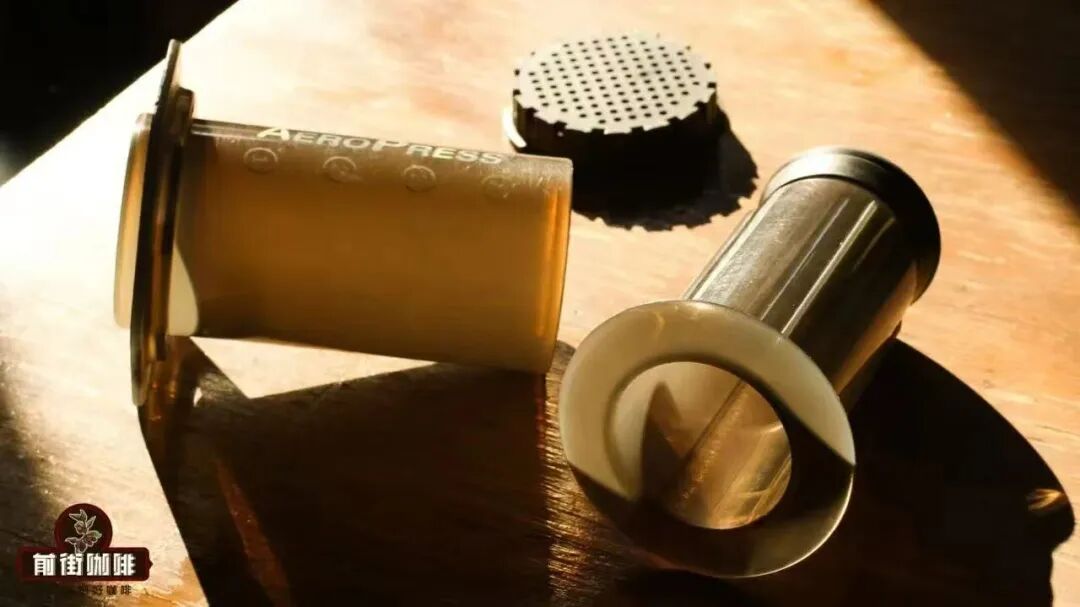
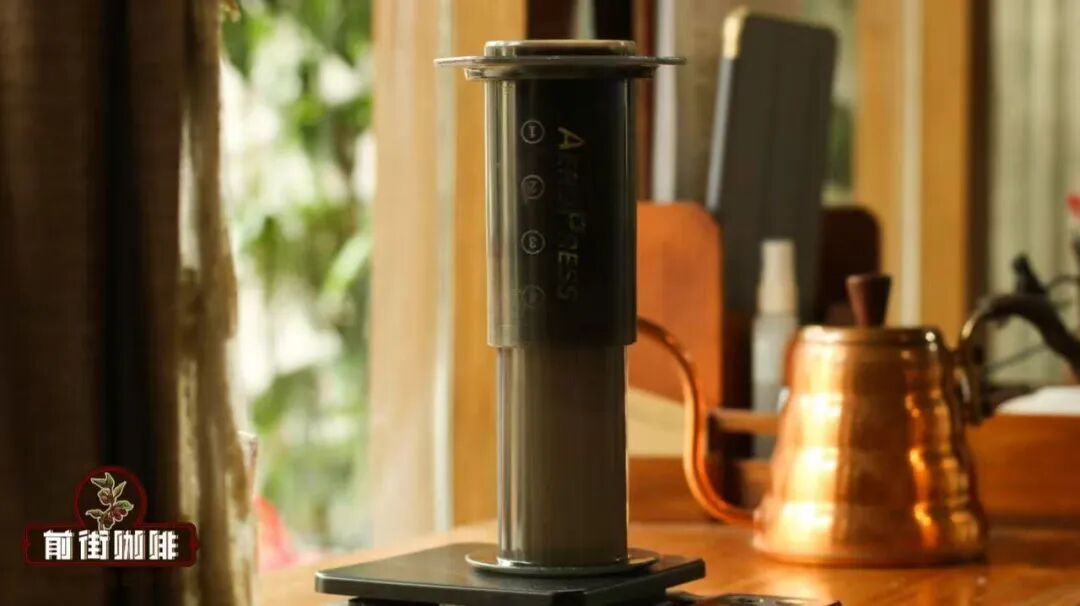
The name "AeroPress" cleverly combines "Aero" (air) with "Press" (pressure), accurately highlighting its core extraction mechanism. The device mainly consists of three parts: the filter cap, the cylindrical chamber, and the plunger. It uses a filter system similar to that of a French press but incorporates manual pressurization. During the brewing process, hot water and coffee grounds are first mixed and steeped thoroughly, then the plunger is pressed downward to force the coffee liquid to quickly pass through the filter, combining the full-bodied flavor of immersion brewing with the intensity of pressure extraction.

The AeroPress offers a variety of brewing styles, among which the most discussed are the "regular" and "inverted" methods. The regular method is the standard way: coffee grounds and water are placed in the chamber, and the plunger is pressed downward. The inverted method, on the other hand, involves placing the coffee grounds at the end where the plunger is located, flipping the device before pressing, and is often used to adjust extraction speed and flavor expression. These different methods can significantly influence the coffee’s body, acidity-sweetness balance, and extraction of unwanted particles, providing users with great flexibility—a key reason why the AeroPress often delivers surprising results in brewing competitions.
In 2008, as the AeroPress craze continued to grow, renowned Nordic roaster Tim Wendelboe and a group of AeroPress enthusiasts organized the first informal AeroPress Brewing Championship during a small gathering. There were only three participants at the time, with Tim serving as the judge. Though this small competition went largely unnoticed, it brought more attention to the AeroPress. Over the years, the event has grown in scale and has now become a global coffee brewing event, proving Alan Adler’s original vision: “This will be a product that changes history, even surpassing all our other products.”
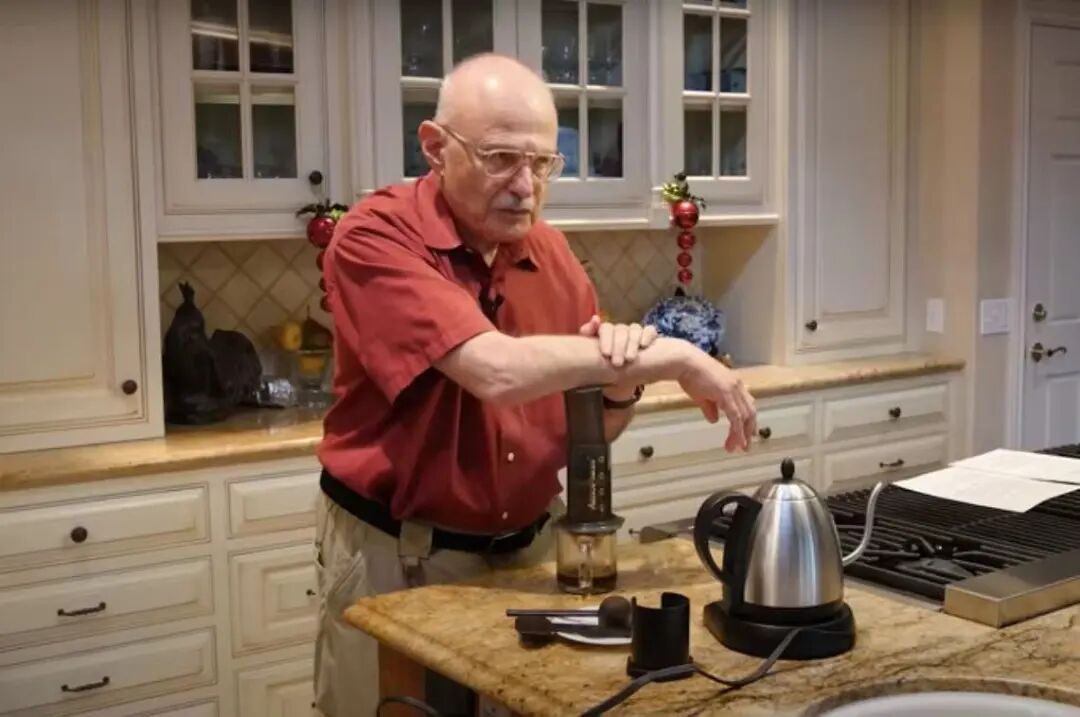
If you’d like to try making a cup of black coffee with the AeroPress yourself, here are some practical brewing tips. This demonstration aims for a balanced extraction with a sweet and acidic profile and prominent fruity notes, using light to medium roasted coffee beans—for example, Geisha variety from a certain coffee farm, which can bring out distinct grape, passion fruit, and apricot tones.
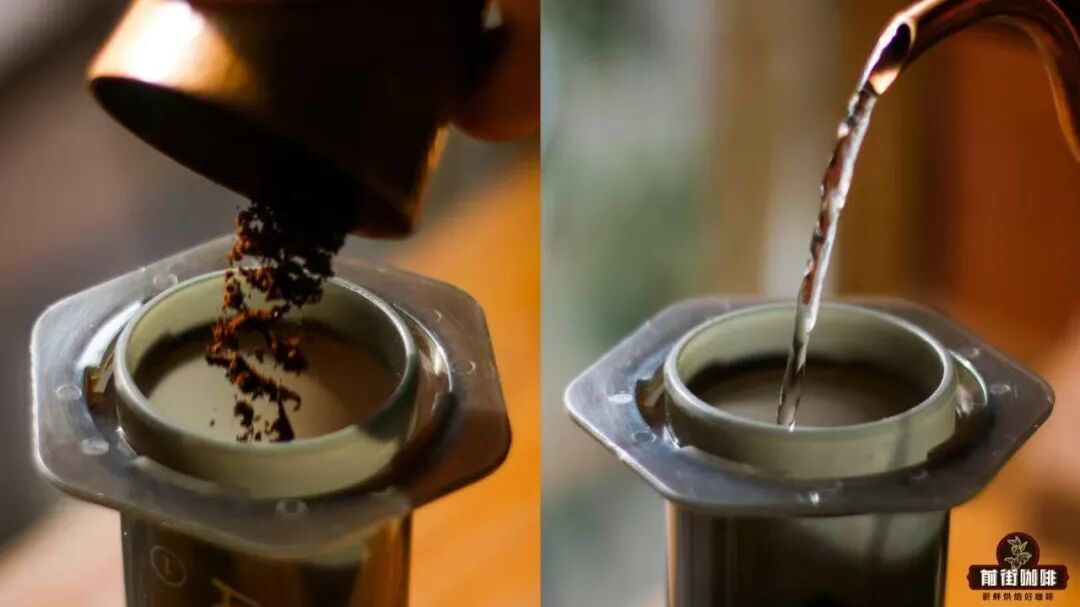
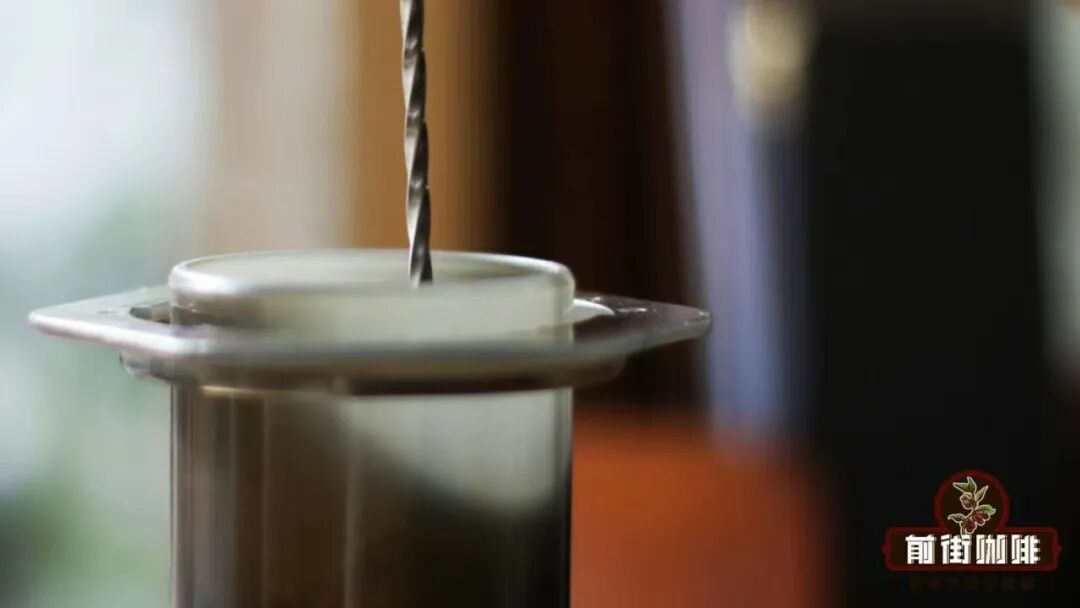
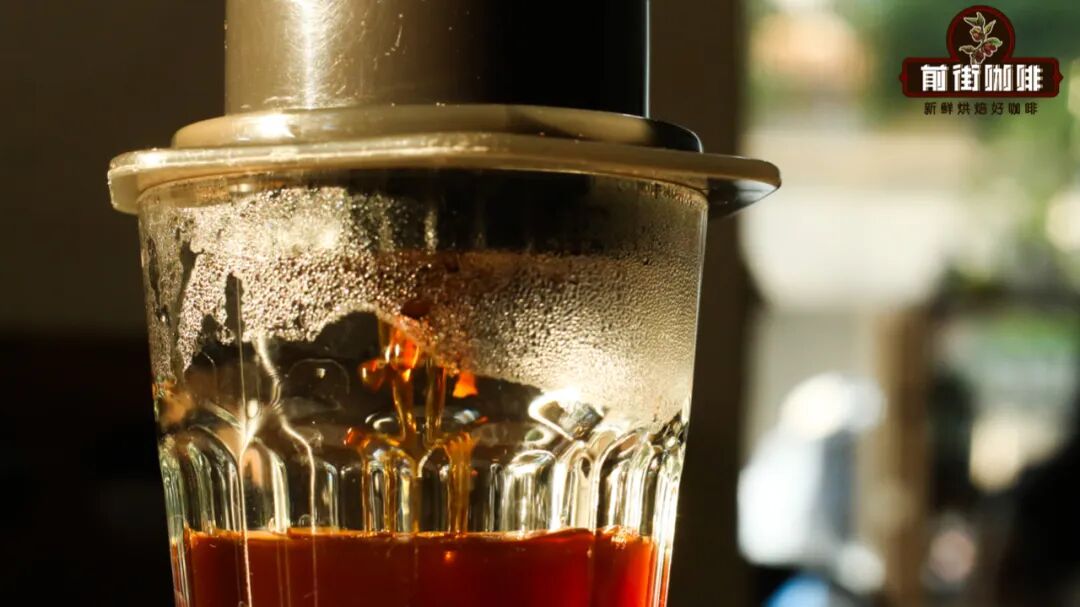
Recommended parameters are as follows: 15 grams of coffee, a 1:14 coffee-to-water ratio, water temperature around 94°C, grind size approximately equivalent to an 8-setting on the Ek43 grinder or 85% extraction rate through a #20 sieve (a fine grind). Use the inverted method. First, invert the AeroPress, assemble the plunger and cylinder, then add coffee grounds and hot water in sequence. Stir gently for about 30 seconds before starting the timer. After about one minute, attach the filter cap and invert the entire device, then flip it back to the upright position. Slowly and evenly press downward until all the coffee liquid has filtered through.
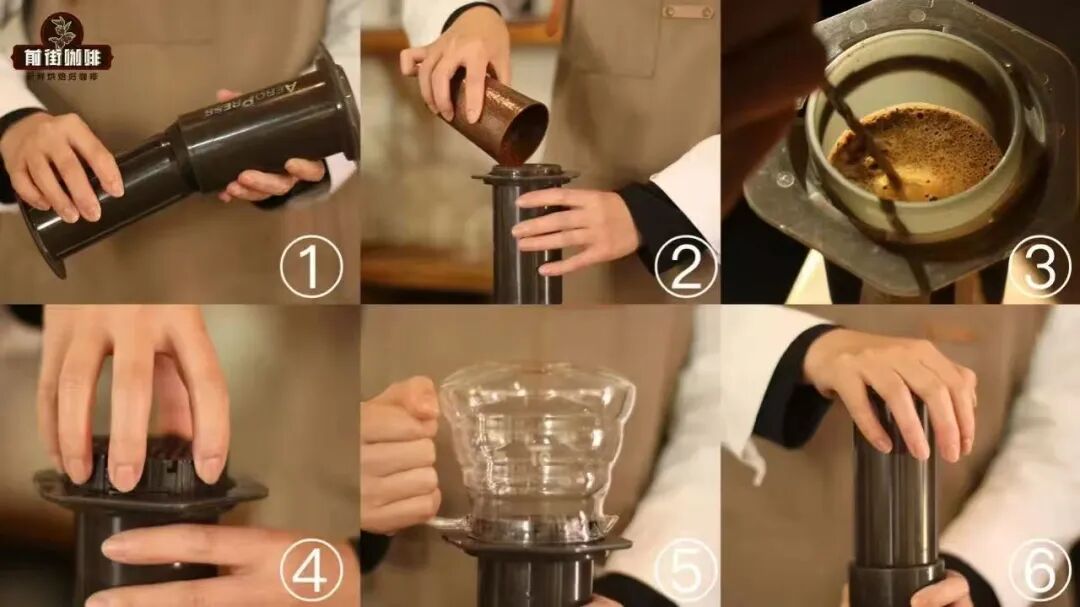
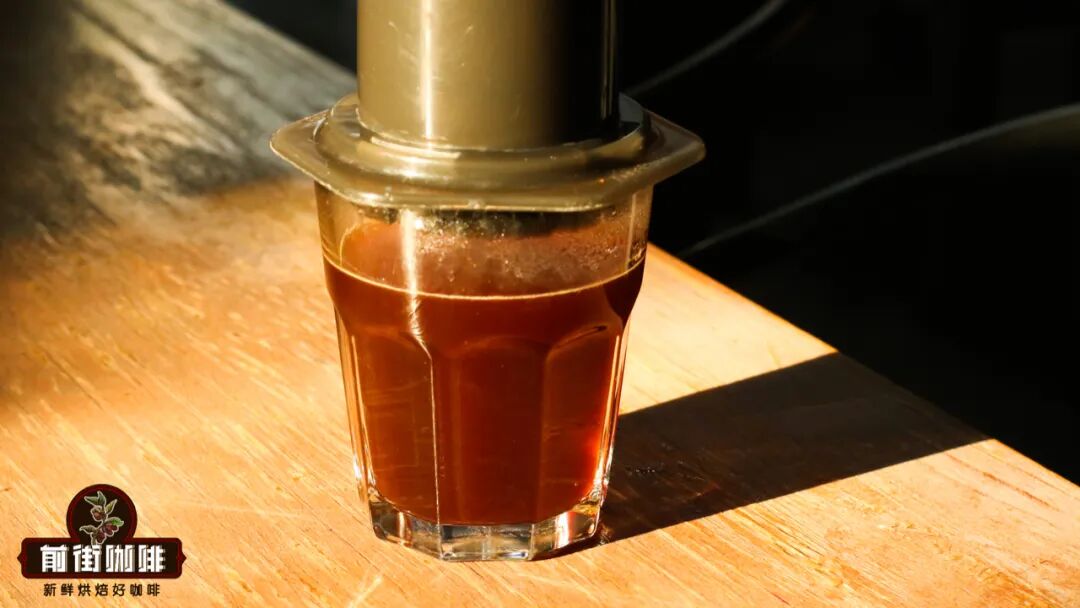
Two points to note during operation: first, the pressing process should be smooth and slow to avoid splashing or over-extraction caused by excessive force; second, it’s recommended to use a wide and stable cup and ensure the surface is level to prevent the device from tipping or spilling during pressing. Once done, you’ll enjoy a bright, juicy black coffee with soft fermentation aromas and a finish featuring citrus and dried fruit sweetness. Compared to traditional pour over, the AeroPress retains slightly more coffee oils and fine particles due to its less restrictive filter, resulting in a fuller mouthfeel. Though slightly less clean in taste, the overall performance is still excellent and well-suited for those who enjoy coffee with rich layers.

The above content is compiled by CoffeeHunters, a coffee news website.


