







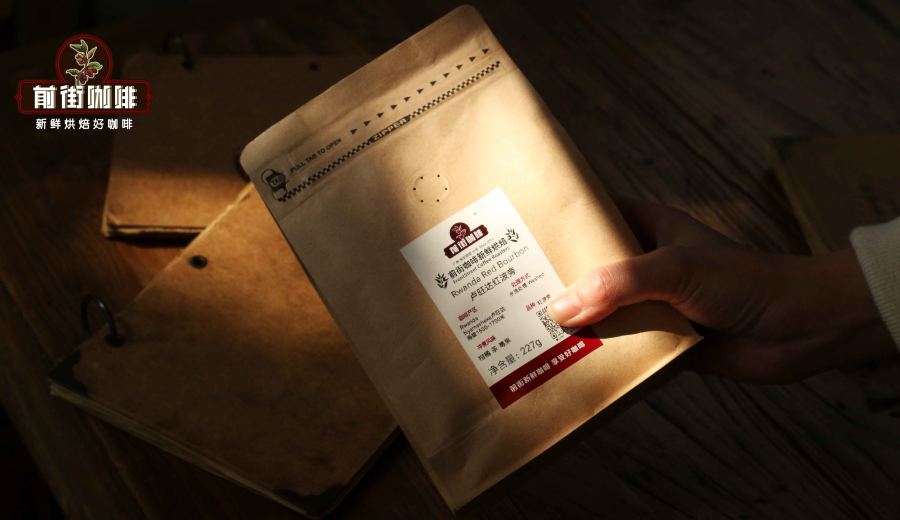
Introduction:Delve into how Rwanda, the “Land of a Thousand Hills,” has cultivated world-renowned specialty washed Red Bourbon coffee. This article explores the rise of Rwanda’s specialty coffee, from historical background and growing environment to coffee bean grading standards. It also details the unique flavor characteristics of Red Bourbon and recommended brewing methods, making it an essential guide for coffee lovers who enjoy African beans or are eager to try pour over.
Located in Central Africa, Rwanda may be a small landlocked country, but it boasts exceptional geographical and climatic conditions and is an emerging origin that cannot be overlooked on the global specialty coffee map. In particular, its washed Red Bourbon variety, with its bright acidity and rich berry notes, has garnered international attention in recent years. This article will start with the historical development of Rwanda’s coffee industry, analyze its coffee bean grading system step by step, and introduce the flavor profiles of representative Red Bourbon-growing regions to give you a more comprehensive understanding of these beans from the “Land of a Thousand Hills.”
Tracing back to the early 20th century, German and Belgian colonial rule brought opportunities for coffee cultivation to Rwanda. Coffee trees were first introduced by German missionaries, but due to the exploitative colonial policies at the time, coffee farmers faced low purchase prices, heavy taxes, and labor oppression, resulting in consistently poor coffee quality, with beans circulating only as commercial commodities. It wasn’t until Rwanda gained independence in 1962 and established the official coffee management body OCIR that a more robust coffee industry structure began to take shape.
From the 1960s to the 1980s, Rwanda’s coffee production steadily increased, reaching a historic high in 1986. However, political turmoil in the early 1990s, particularly the genocide, plunged the entire coffee industry into a downturn. Fortunately, as society gradually stabilized, Rwanda not only saw significant improvements in security and infrastructure but was also hailed as one of the safest countries in Africa. In the 2017 International Safe Travel Rankings, it ranked ninth globally— the only African country to make the top ten.
Today, over 90% of Rwanda’s population is engaged in agriculture, with coffee and tea being two major economic pillars—one in every 30 people is involved in the coffee industry. Even after the impact of the pandemic, promotions through platforms such as Alibaba livestreamer Viya helped Rwandan Gorilla’s coffee beans sell out one year’s entire production in just one second, demonstrating its untapped international market potential.
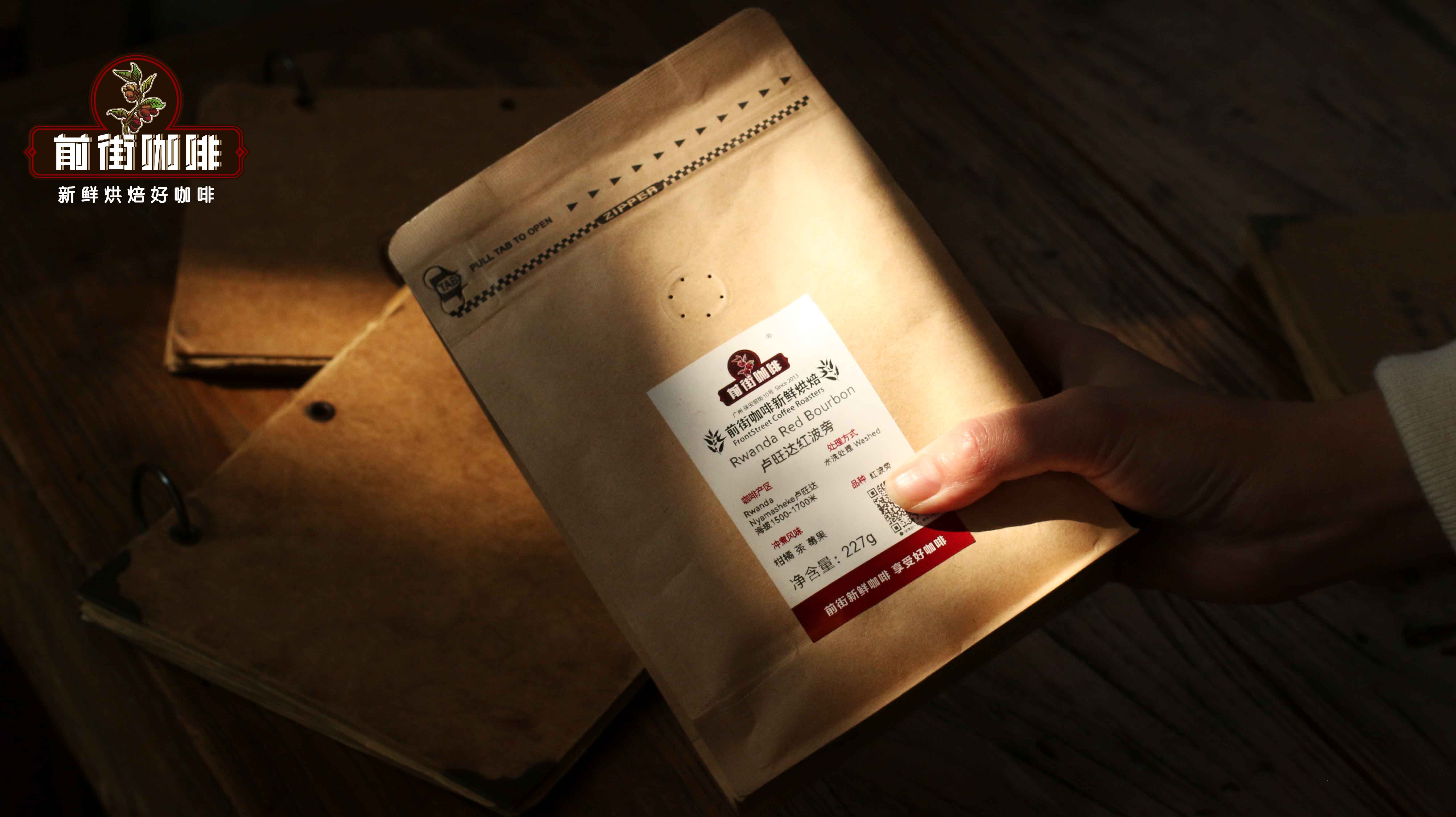
Rwanda’s terrain is predominantly mountainous, earning it the nickname “Land of a Thousand Hills.” The country features numerous volcanic landscapes and lakes, providing abundant and clean water resources—crucial for washed coffee processing. The entire region mostly enjoys temperate and tropical highland climates, with average annual temperatures ranging between 24.6 and 27°C. The mountainous areas have lower temperatures and greater diurnal temperature variations, which help coffee cherries ripen slowly and accumulate richer flavor compounds. Western regions like Nyamasheke, with elevations of 1,500 to 1,700 meters and fertile volcanic soil, are ideal for cultivating Red Bourbon coffee.
Rwanda’s coffee bean grading system is mainly based on bean size and defect rate. The highest grade isAA grade, referring to beans larger than screen size 18, typically round, uniform, and of high market value. A well-known shop’s washed Red Bourbon from Rwanda belongs to this grade. Next isSC grade(screen size 15 or above with a defect rate ≤5%), which requires strict hand sorting and is often used in high-grade natural or honey-processed specialty coffees. Then there areTT grade(screen size 13–14), andT grade(screen size below 12). Additionally,STL grade(stock lot) usually consists of broken or chipped beans, often sourced from lower-grade materials such as A3 and A4.
It’s worth noting that only batches reaching SC grade (screen size 15 or above) with a green bean extraction yield exceeding 70% allow processing facilities to achieve reasonable profit margins. To be classified as specialty coffee, regardless of whether it is washed, natural, or honey-processed, it must pass professional cupping with a score of SCAA 85 or above to meet international specialty coffee certification standards.
Rwandan washed Red Bourbon coffee is known for its crisp acidity, bright berry aroma, and mid-palate notes of apple, green tea, and apricot. This flavor profile is very appealing to those who enjoy fruity coffees and is a classic choice for pour over enthusiasts selecting African beans. If you’re looking for a medium-to-high altitude washed coffee with layers and a clean finish, Rwandan Red Bourbon is definitely worth trying.
The above content is compiled by CoffeeHunters, a coffee news website.


