







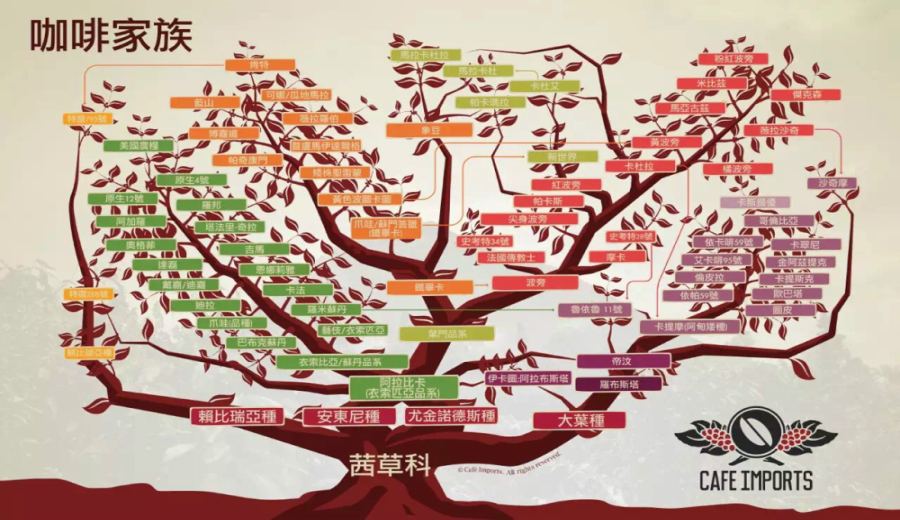
Introduction:Geisha (Geisha) coffee, with its distinctive citrus and floral flavor profile, has become a legendary variety in the specialty coffee world. But did you know it originally comes from Ethiopia and only rose to prominence in Panama? This article delves into the varietal evolution and genetic differences of Geisha, compares the actual flavor profiles of Panama's Hacienda La Esmeralda and Ethiopia's Gesha Village, and includes professional-grade pour over parameters and sensory evaluations to help you fully appreciate the charm of this top-tier coffee.
Geisha (Geisha) is arguably one of the most renowned varieties in the global specialty coffee scene, yet many still have questions about its classification: What exactly is the Geisha variety? The answer is: it belongs to the Arabica species and is a local landrace originating from Ethiopia. In 1931, botanists discovered this uniquely aromatic coffee tree in the forested mountains of Gesha in southwestern Ethiopia, marking the beginning of an intercontinental journey of varietal migration.
Initially, Geisha seedlings were introduced to Kenya, Uganda, and Tanzania for cultivation trials, but their performance was unremarkable. In 1953, they were sent to CATIE’s Tropical Agricultural Research and Higher Education Center in Costa Rica and cataloged as variety T2722. However, due to fragile branches and low yields, Geisha long remained an experimental crop and failed to gain favor among farmers.
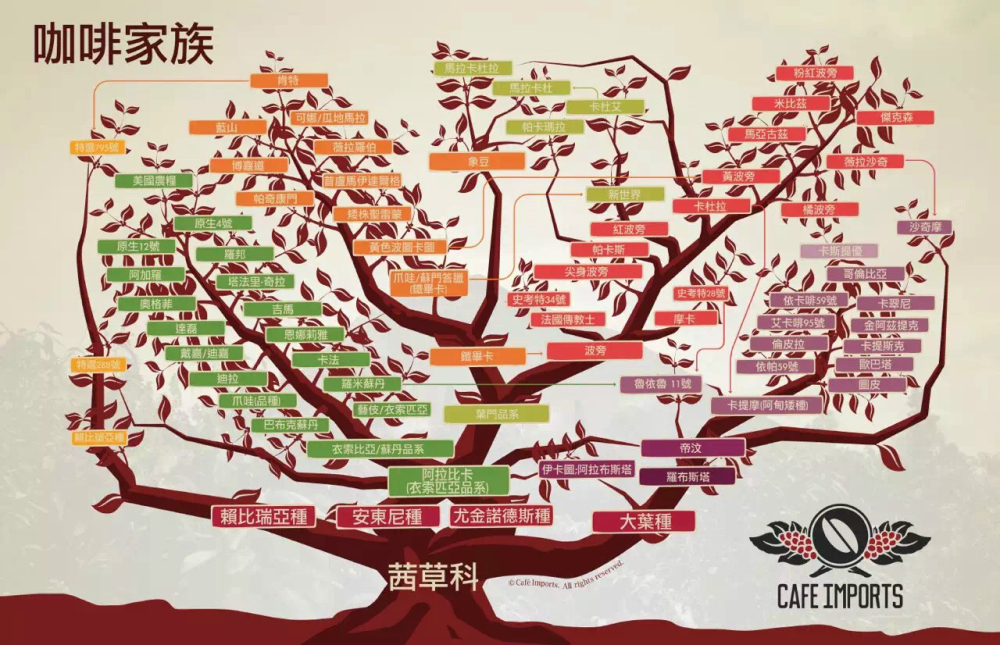
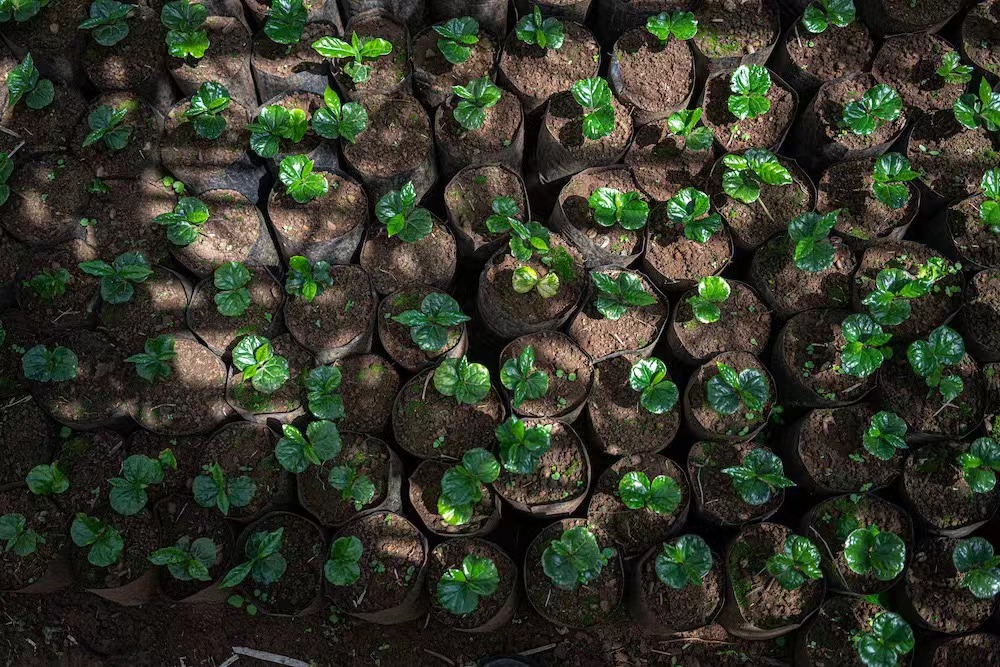
It wasn’t until the 1960s, when CATIE gifted T2722 to Panamanian coffee farmers, that Geisha finally took root in Panama. Starting in the 1990s, the Peterson family of Hacienda La Esmeralda took over the high-altitude Jaramillo farm, which had previously been plagued by leaf rust. However, farm owner Daniel Peterson unexpectedly found that Geisha exhibited relative disease resistance and showed extraordinary potential in high-altitude conditions. They gradually transplanted Geisha trees to specific blocks and continued to increase cultivation altitude.
Around the year 2000, after multiple cuppings, this batch of Geisha coffee displayed unprecedented aromatic characteristics—perfume-like floral and fruity notes paired with a refreshing tea-like quality, stunning the industry. In 2004, Hacienda La Esmeralda entered Geisha into the “Best of Panama (BOP)” competition and won first place, thereby solidifying its top-tier status.
Interestingly, although the name “Geisha” originates from Ethiopia’s Gesha region, the native variety there and the Panamanian version actually exhibit significant differences. In 2010, enthusiasts returned to the Gesha area and discovered native varieties related to Panamanian Geisha, establishing the “Gesha Village.” However, due to differences in climate, soil, and domestication processes, Ethiopian Geisha retains more of its original regional traits, while Panamanian Geisha has evolved more complex flavor profiles by adapting to high-altitude environments. As the saying goes, “Oranges grown in Huainan are oranges, but those grown in the north of the Huai River are bitter oranges”—the two can be described as distinct “distant relatives” with vastly different flavors.
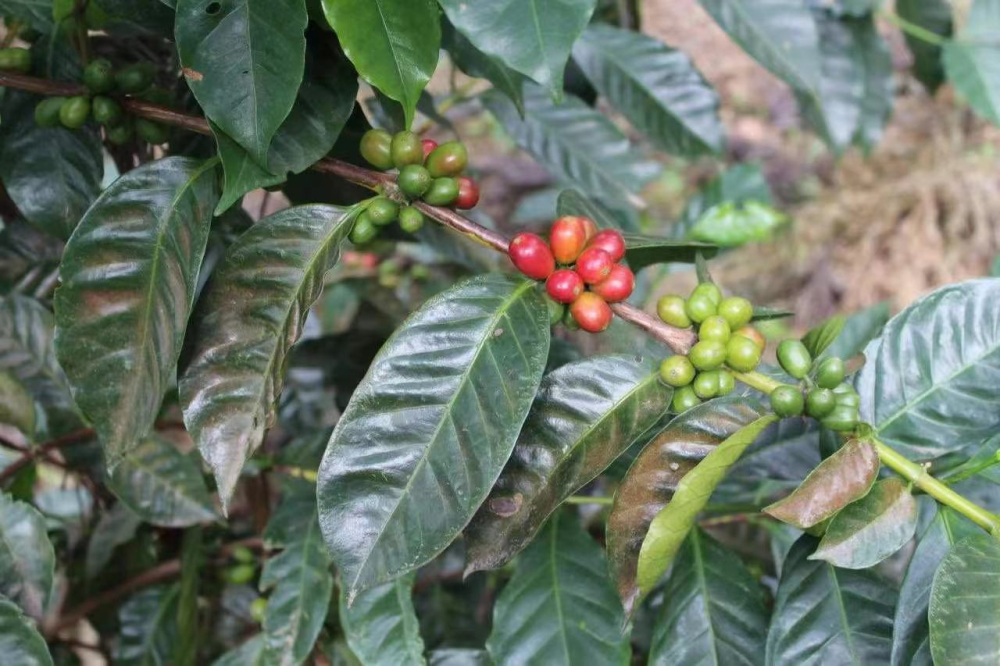
Observing the appearance of green coffee beans also makes it easy to distinguish the two: Panamanian Geisha beans are slender with pointed ends, plump and larger in size; in contrast, Ethiopian Geisha beans are slightly shorter, with a more compact overall appearance.
In terms of actual cupping flavors, one coffee brand once evaluated two renowned single-origin Geishas: Hacienda La Esmeralda’s Red Label (from the Mario plot in the Jaramillo region, sun-dried), and Gesha Village’s Gold Label (from the Oma plot, also sun-dried). Under the same processing method and single-plot traceability, the Red Label showcased the captivating floral-fruity-tea notes of ripe strawberries, roses, black tea, and grapefruit, with a lingering finish of pronounced berry sweetness and long-lasting aftertaste; the Gold Label, on the other hand, presented berry sweetness, a full body, and delicate nutty undertones, with a clean tea-like finish reminiscent of cantaloupe.
Among currently available high-end Geisha beans, the Red Label and Gold Label are both standout lots among sun-dried batches. The Red Label comes from the Buenos Aires plot in Jaramillo, while the Gold Label originates from the Oma plot of Gesha Village—both are must-try collector’s choices for enthusiasts.
If we further compare their brewing performance, using 15g of coffee, EK43 grinder at setting 10, 20-mesh sieve with 80% extraction rate, 1:15 brew ratio, 92°C water temperature, and a three-pour technique with a V60 filter, the results showed: the Gold Label Geisha had a dry aroma with highly distinctive citrus fruit notes, particularly the refreshing tone of orange peel, which left a deep impression; the Red Label, meanwhile, featured sweet aromas of roses, dried fruits, and apricots, layered with warm nuts and toffee, delivering an overall flavor profile that was more “sweet and soft.”

Upon actual sipping, the Gold Label Geisha’s initial sip revealed vibrant acidity with notes of blueberry, sweet cherry, honeydew, and magnolia, presenting a clean and bright profile that gradually transitioned into a lingering aftertaste reminiscent of small green tangerines as it cooled; the Red Label opened with rich floral notes, immediately delivering the bold aromas of tropical fruits, and upon closer tasting, revealed delicate flavors of jasmine, cranberry, dried mango, and fruit candy, with a full-bodied finish free of astringency and exhibiting exceptional richness and layering. According to professional cupping teams’ overall evaluation, the Red Label slightly outperformed in flavor complexity and aftertaste persistence.
The above content is compiled by CoffeeHunters, a coffee news website.


