








Introduction:Dive into the premium Yellow Bourbon specialty coffee from Fazenda Rainha in São Paulo, Brazil. Explore everything from the terroir and variety characteristics to the key differences between honey and natural processing methods, along with practical roasting and pour over recommendations. This guide will help you master the unique flavor profile and processing details of this highly popular coffee bean.
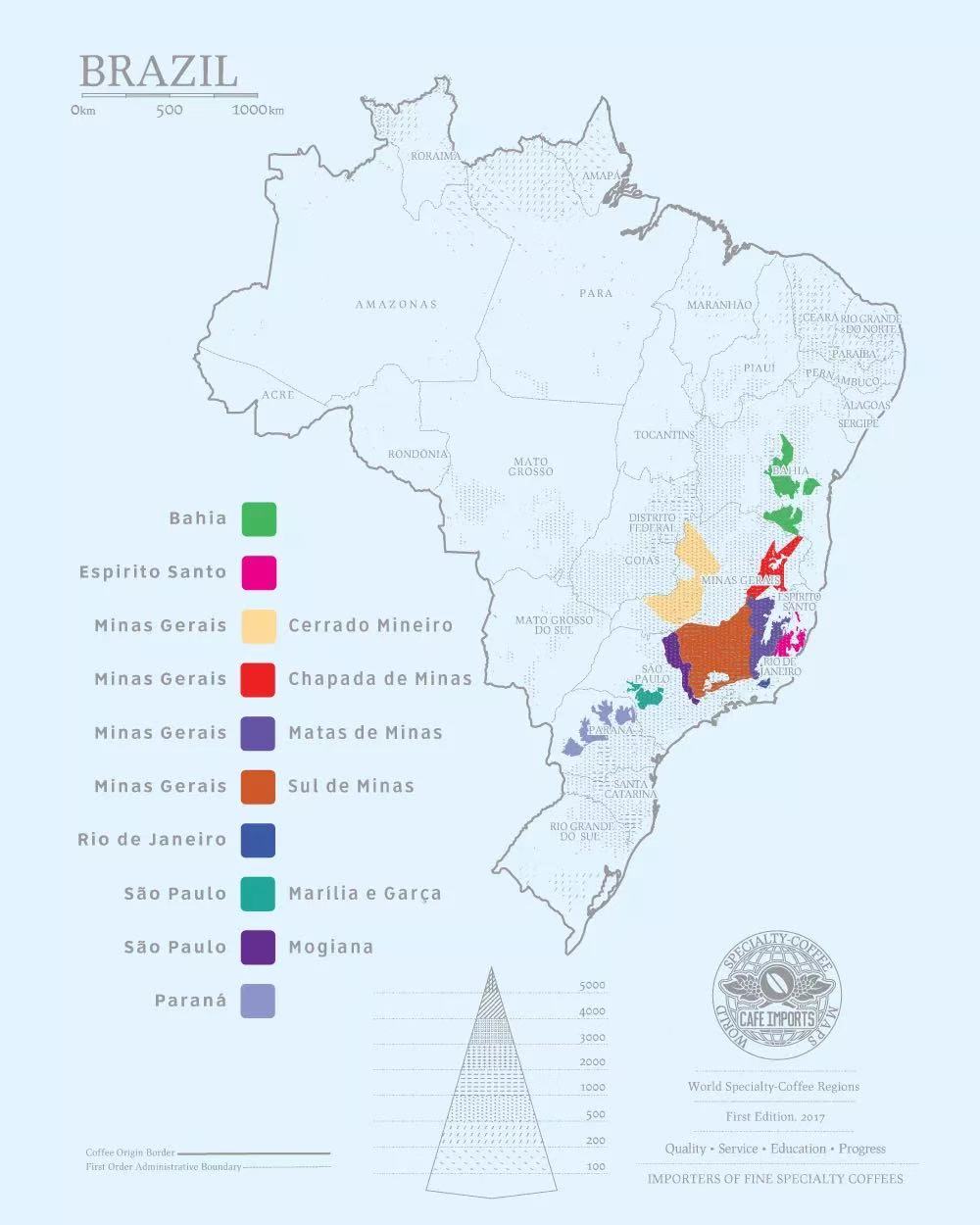
As the world’s leading coffee-producing country, Brazil is also a treasure trove for many specialty coffee enthusiasts. Among its many high-quality regions, Fazenda Rainha in São Paulo stands out for its cultivation of the Yellow Bourbon variety, earning high acclaim. It is not only a key representative of Brazil’s specialty coffee but also showcases how high-altitude cultivation and refined processing methods come together to create captivating coffee flavors.
Fazenda Rainha belongs to the renowned Carvalho Dias family, who have achieved remarkable success since the first Brazilian COE competition in 1999, winning over 12 awards within seven years, including the championship title in 2004. The farm itself has also performed excellently, securing important rankings such as second place in 2000 and third place in 2001. Committed to sustainability, the family utilizes natural resources for hydroelectric power and actively engages in environmental protection and community development, making it one of the exemplary models of Brazilian specialty coffee.
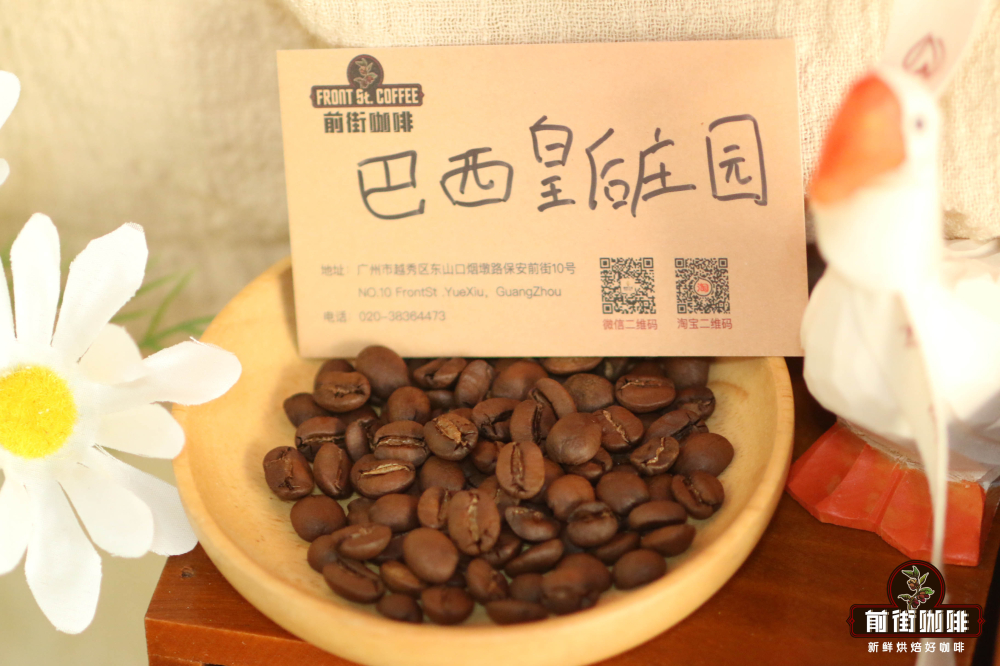
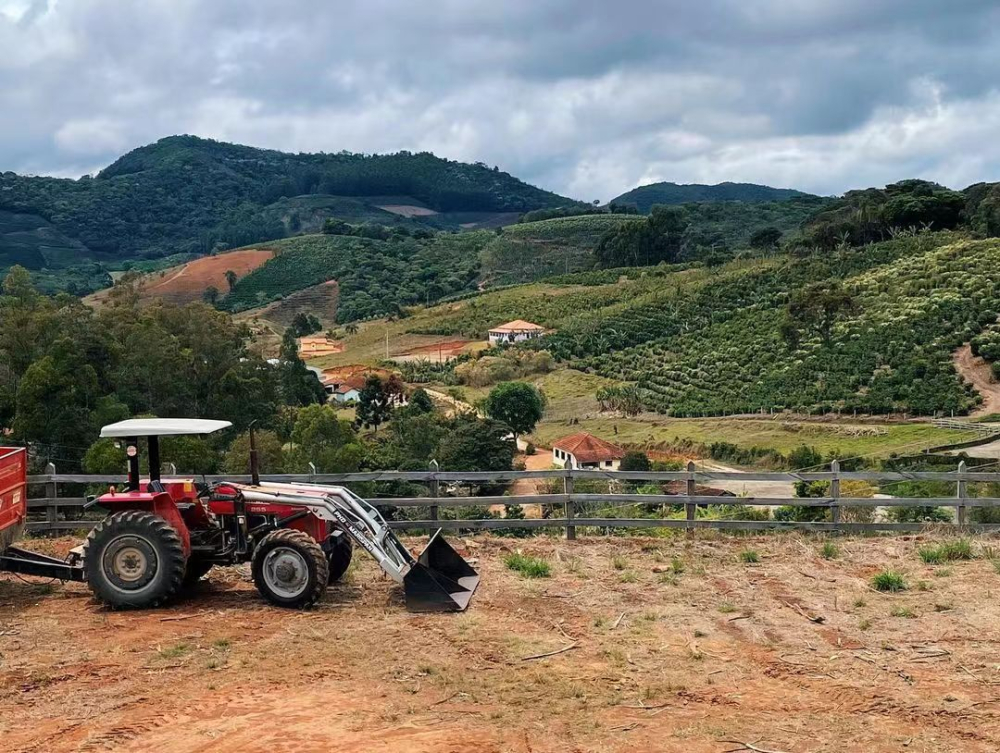
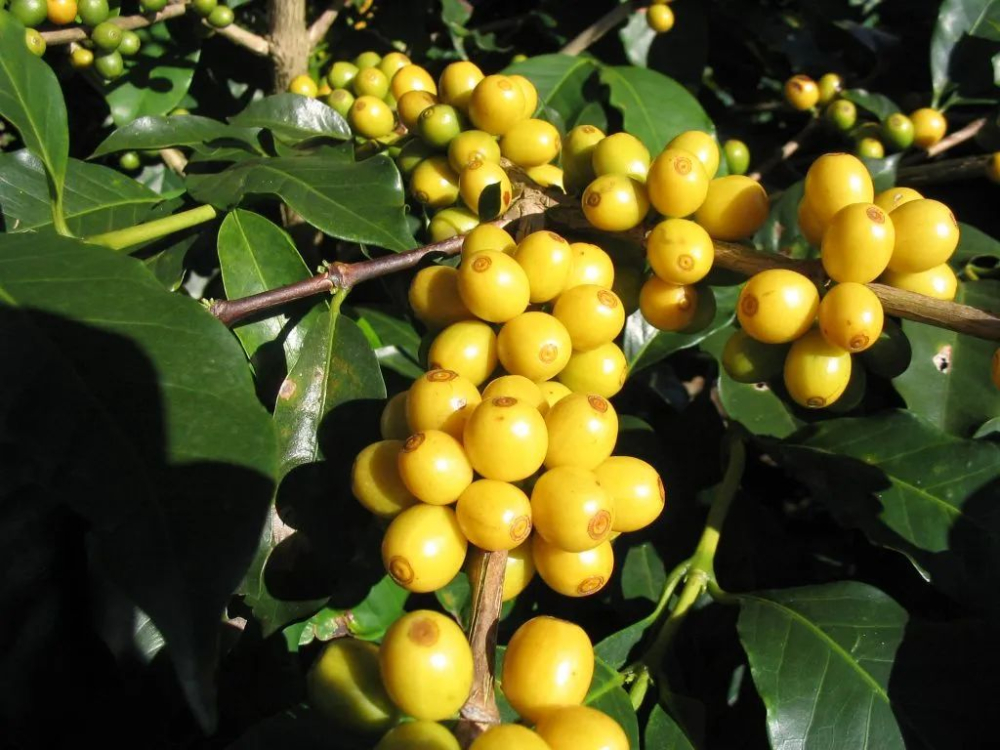
Located in São Paulo State, Fazenda Rainha benefits from high altitudes ranging from 1400 to 1950 meters, offering climate conditions that are extremely well-suited for growing high-quality coffee. The farm primarily cultivates the Yellow Bourbon variety, whose fruits turn a beautiful orange-yellow when ripe, distinctly different from the more common Red Bourbon. Due to the slower ripening process at high altitudes, the coffee beans are able to accumulate richer flavor compounds, ultimately delivering complex notes of nuts, cream, caramel, and fermented fruit.
Yellow Bourbon is one of the natural mutations of the Bourbon variety, originating from Réunion Island (then known as Bourbon Island). It is a historic and highly regarded variety within Arabica coffee. Compared to Red Bourbon, Yellow Bourbon’s fruits ripen to an orange-yellow hue, and this mutation allows it to perform exceptionally well in the high-altitude environment of São Paulo, Brazil. Many COE (Cup of Excellence) winning beans come from Yellow Bourbon, which is known for its balanced, clean, and prominently sweet flavor profile.
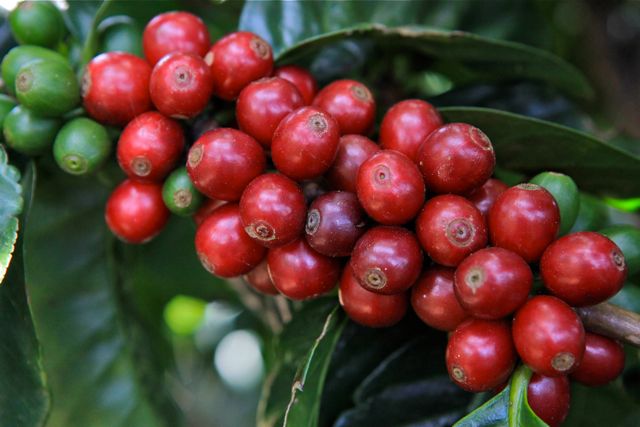
Red Bourbon is the more common variant, with fruits turning deep red when ripe, usually offering bright acidity and aromas reminiscent of red wine. While it also has high-quality potential, at Fazenda Rainha in Brazil, Yellow Bourbon is preferred by many coffee professionals and enthusiasts for its softer and more layered expression.
In terms of processing methods, Fazenda Rainha primarily uses two techniques: Pulped Natural (semi-washed) and Natural (sun-dried). Pulped Natural, also known as semi-washed, is an intermediate method that combines aspects of both washed and natural processes. This technique involves removing the coffee cherry’s skin and pulp while retaining some mucilage, followed by sun drying. Compared to the traditional natural process, Pulped Natural can effectively reduce fermentation instability and minimize undesirable flavors, such as earthiness or over-fermented off-notes.
The Natural process involves drying the entire coffee cherry with its flesh intact. During this process, the mucilage naturally ferments, imparting deeper fruit and sweet tonalities to the coffee, but it demands higher standards in climatic conditions and processing techniques. Fazenda Rainha’s natural beans typically exhibit deeper notes of caramel, nuts, and dried fruit, while the Pulped Natural beans present a more balanced profile dominated by cream, peanuts, and cane sugar.
Brazilian coffee processing techniques were historically dominated by the natural method due to resource limitations. However, inconsistent weather and improper processing often led to subpar flavors. With the development of the Pulped Natural method, not only has quality consistency improved, but it has also adapted to Brazil’s variable climate, significantly reducing risks of mold and off-flavors. This has become one of the defining features of Brazilian specialty coffee.
In Brazil, coffee bean grading is not based solely on altitude, but rather on a comprehensive assessment of green bean size, defect rate, cupping quality, and flavor characteristics. Flavor grades, from highest to lowest, are: Strictly Soft (very mild), Soft (mild), Softish (slightly mild), Hardish (harsh), and Rioy (iodine-like off-flavor). Defect rates are categorized by the number of defective beans per 300 grams of green coffee, with the top grade being NY.1 (zero defects), though NY.2 (a maximum of 6 defects per 300 grams) is already considered a high-quality grade in actual trade.
Cup quality grading includes Fine Cup (FC), Fine, Good Cup, and Fair Cup, with FC and GC being the most common high ratings. Additionally, based on green bean size, 17 and 18 screens are the highest grades, while 19 screens exist but are rare. The combination of Yellow Bourbon from Fazenda Rainha with Pulped Natural/Natural processing typically achieves excellent results across these grading criteria.
For this Fazenda Rainha Yellow Bourbon coffee, the recommended roast profile is as follows (using the Yangjia 800N as an example): Charge temperature set at 200°C, with 150 gas power and 3 fan speed. The turn-around point occurs at around 1 minute 30 seconds. Then, at 5 minutes 10 seconds when the beans begin to yellow, they enter the drying phase. At this stage, reduce gas power to 125 and open the fan to 3.5. Around 8 minutes 20 seconds, drying is complete, and the bean surface shows wrinkles and black speckles. You may notice the aroma shifting from toast bread to coffee. First crack starts at 178°C, with gas reduced to 80. First crack begins around 9 minutes 14 seconds, with a 3-minute development phase after first crack. The roast is dropped at 201°C.
For pour over, it is recommended to use a KONO filter cone, with 15g of coffee, 90°C water temperature, medium grind size (approximately 70% through a #20 sieve), and a 1:15 coffee-to-water ratio. Use a pulse pouring method: start with blooming water equal to twice the coffee dose (around 30g), blooming for 30 seconds. Then, pour in small circles to reach 125g, pause until the water level drops, and continue pouring to 225g to finish. Total extraction time is about 2 minutes. These parameters fully highlight the nutty core and sweet cane sugar finish of the Yellow Bourbon.
In summary, the Yellow Bourbon coffee from Fazenda Rainha in Brazil, combining high-altitude advantages with refined Pulped Natural and Natural processing, delivers a uniquely layered and sweet flavor profile. Whether you’re a beginner or an advanced coffee enthusiast, you can experience the rich depth and diverse expression of Brazilian specialty coffee through this bean.
The above content is compiled by CoffeeHunters, a coffee news website.


