







Introduction:Discover how the world’s top Geisha coffee originates from Ethiopia and develops exceptional flavors in Panama’s Boquete region. Explore the classification logic of Hacienda La Esmeralda’s three grades, as well as how processing methods like natural and anaerobic fermentation influence taste. This article also provides practical pour over parameters to help you extract Geisha’s citrus, floral, and honey sweetness.
Geisha, now hailed as the king of specialty coffee, actually originated in the Horn of Africa—Ethiopia. In 1931, it was discovered in the Gesha forest in southern Ethiopia, then taken to Kenya, Uganda, and Costa Rica for research and cultivation, and only introduced to Panama in the 1970s. However, upon its arrival in Panama, Geisha was largely overlooked due to its low yield and poor adaptability, often used as a windbreak tree. It wasn’t until 2004, when Hacienda La Esmeralda entered it as a separate category in the Best of Panama (BOP) competition and won the championship, that this coffee truly rose to prominence, ushering in its legendary chapter.
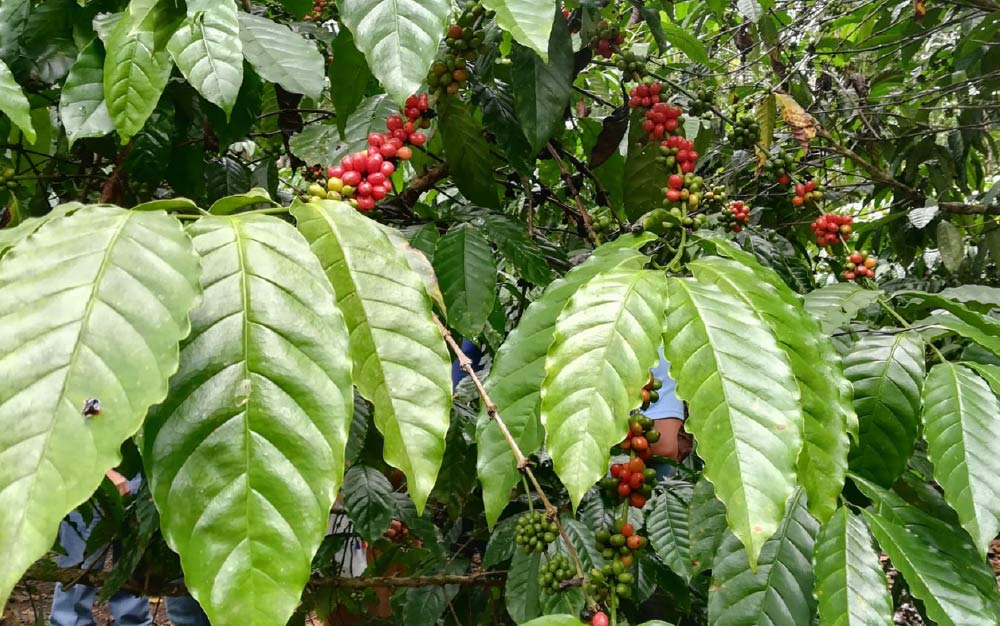
Geisha is an extremely “picky” variety with very high environmental demands. It prefers high altitudes, requiring cloud-covered environments or shaded tree cover, and the soil must be fertile and well-drained. At high altitudes, fruit ripening slows down, yet allows for the accumulation of richer flavor compounds. But Geisha also has clear growth disadvantages, such as thin leaves and shallow roots, resulting in poor water and nutrient absorption, with yields per plant only about half that of the mainstream Catuai variety—this is one reason why it is precious and expensive.
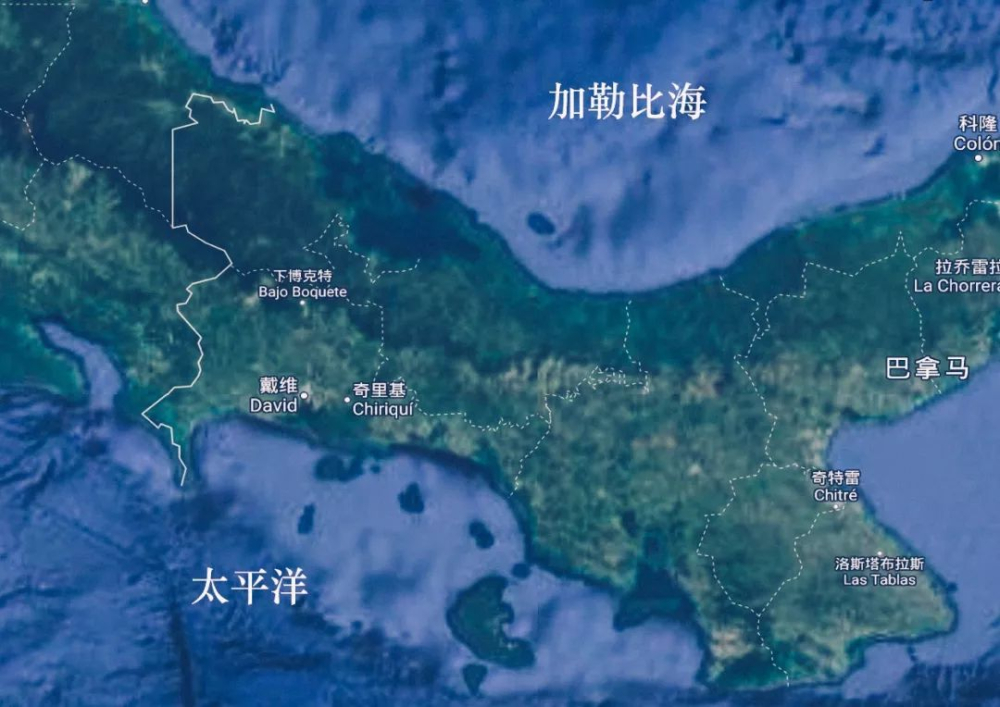
Currently, Geisha cultivation has expanded to Latin American countries such as Panama, Guatemala, and Colombia, among which Panama produces the most renowned beans. Especially in the Boquete region of Chiriquí Province, adjacent to the Barú Volcano, the volcanic soil is rich in minerals, combined with the unique microclimate of the mountains, resulting in Geisha that often exhibits bright acidity, intense floral and fruity aromas, and a long-lasting finish.
When talking about Panamanian Geisha, one cannot fail to mention Hacienda La Esmeralda. This historic estate began in 1964, primarily engaged in dairy farming, until the late 1970s when the second-generation owner, Price Peterson, introduced coffee varieties and built a washed processing facility, transforming it into a coffee farm. Hacienda La Esmeralda has three farms growing Geisha, among which the Cañas Verdes and Jaramillo plots produce the most outstanding flavors.
The third-generation owner, Daniel, discovered through long-term cupping that only Geisha grown at altitudes above 1400 meters can exhibit unique aromas and tastes. Based on this, he subdivided Geisha into three grades by altitude: Red Label, Green Label, and Blue Label. Among them,Red Label Geishacomes from altitudes of 1600 to 1800 meters, typically from single estates such as Jaramillo, with cupping scores exceeding 90, representing the pinnacle of specialty coffee;Green Labelis also grown at high altitudes but sourced from a blend of different plots, with flavors still close to the Red Label, offering rich floral and fruity notes along with a sweet and tangy juice-like profile;Blue Labeloriginally came from altitudes of 1400 to 1500 meters and has been sold as Volcanic Geisha since 2021. Notably, each batch of Red Label coffee beans comes from a single block—for example, the renowned Red Label from the Jaramillo plot—which ensures a highly consistent flavor profile.
In terms of processing methods, top Panamanian estates often use natural, washed, and even anaerobic fermentation techniques to unlock the hidden aromatic potential of Geisha. Among these,Natural Processinginvolves spreading fully ripe coffee cherries directly on raised beds or tarpaulins, turning them daily to ensure even drying. This method retains the pulp’s sugars, delivering intense floral and fruity aromas, honey sweetness, and a fuller, richer mouthfeel. Typical flavor notes include citrus, berries, rose, and honey.
Anaerobic Slow Natural (NATURAL-ASD)involves 4 to 5 days of anaerobic fermentation in a sealed container, followed by slow drying on raised beds. This technique demands precise control over temperature, humidity, and timing, enhancing the complexity of flavors. Commonly seen in award-winning Geisha from estates like Elida, it features fermentation notes, rose, citrus, nuts, and creaminess.
Washed Processinginvolves first removing the skin and pulp, then using fermentation to remove the mucilage, followed by washing and drying. This method highlights a clean acidity and bright mouthfeel but requires a large amount of water, making it relatively costly.
If you want to brew Geisha’s delicate flavors at home, it’s recommended to choose freshly roasted beans and master suitable brewing parameters. Generally, for light to medium roasted Geisha, a V60 filter cone is recommended, with water temperature controlled at 90 to 91°C, and grind size set to approximately 80% the 20-mesh sieve passing rate in China 1:15, i.e., medium-fine grind. The recommended powder-to-water ratio is
, for example, 15 grams of coffee to 225 milliliters of water. In specific steps, start by pouring hot water equal to twice the coffee amount (about 30 grams) for a 30-second bloom. Then pour water in a circular motion from the center outwards. When the total water volume reaches 125 grams , perform the first pour. Once the coffee bed sinks, continue pouring until the total reaches225 grams , keeping the overall extraction time around2 minutes
The above content is compiled by CoffeeHunters, a coffee news website.


