








Introduction:Delve into the unique flavors, classic varieties, and major processing methods of the three major coffee-growing regions: Africa, Latin America, and the Asia-Pacific. From the floral and fruity notes of Ethiopia to the rich nutty tones of Brazil, from the citrus acidity of Panamanian Geisha to the chocolatey sweetness of Colombian beans — we offer a comprehensive analysis of the characteristics and differences of each region to help you find the coffee beans that best suit your taste preferences.
The Coffee Belt lies roughly between 25 degrees north and south of the equator, encompassing the three major regions of Africa, Latin America, and the Asia-Pacific. Due to variations in climate, altitude, and processing methods, these areas produce coffee with distinct flavor profiles. Whether you're a beginner pour over enthusiast or a seasoned coffee connoisseur seeking specific regional flavors, understanding the traits of these regions can help you make more precise choices.
Regional Overview: The Distribution of the Global Coffee Belt
The so-called "Coffee Belt," also known as the "Bean Belt" or "Coffee Zone," refers to the tropical region approximately 25 degrees north and south of the equator. This area offers ideal conditions for coffee tree growth: an average annual temperature of about 16–25°C, no frost, annual rainfall of around 1600–2000 mm, and planting altitudes mostly between 500 and 2500 meters. Generally, the higher the altitude, the greater the intensity and complexity of the coffee's flavor. There are over 70 major coffee-producing countries worldwide, which can be divided into three main regions: Africa, Latin America, and the Asia-Pacific.

African Region: The Source of Bold Fruit Acidity and Floral-Fruity Aromas
As the birthplace of coffee, Africa boasts rich genetic diversity among coffee plants, with many wild varieties still unnamed today. Coffee from this region is known for its bright fruit acidity and intense floral and fruity aromas, though it generally lacks the body and sweetness found in other regions. Ethiopia and Kenya are the two most representative coffee-producing countries in Africa.
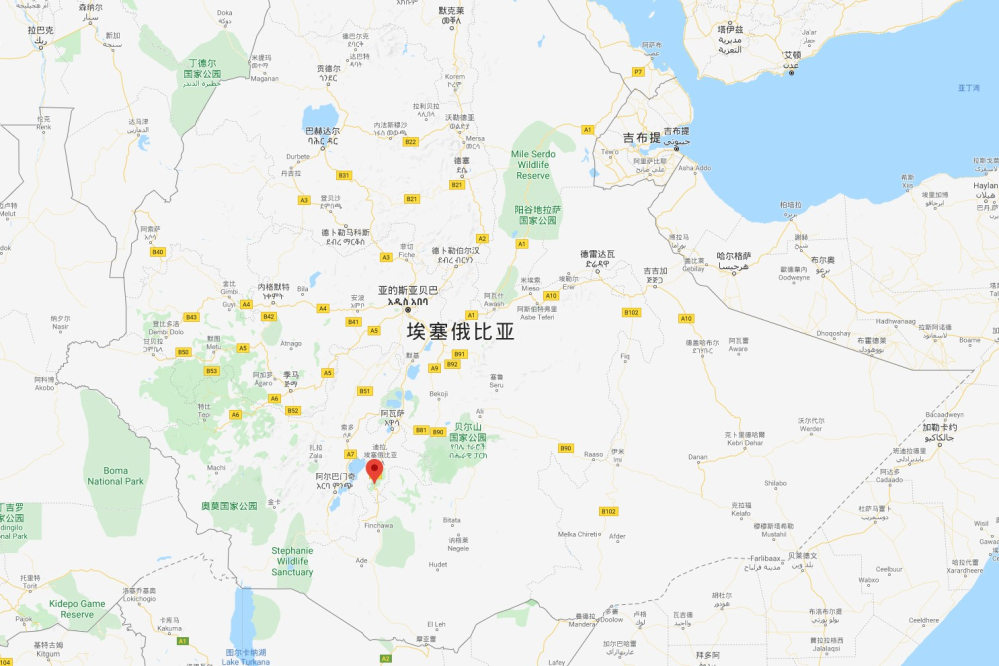
Ethiopia: The Birthplace of Coffee and a Treasury of Diverse Flavors
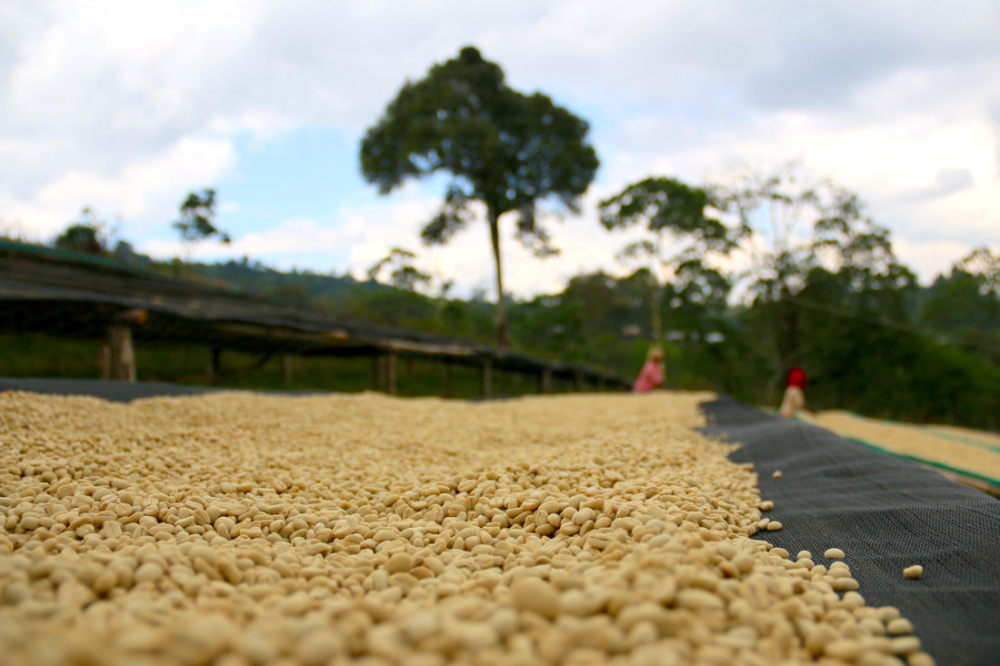
Ethiopia is not only the origin of coffee but also the country with the highest number of native varieties in the world. Its coffee varieties are commonly grouped under the term Heirloom (native variety). Due to the vast number of varieties and lack of a unified classification system, different varieties are often interplanted and harvested together, resulting in coffee beans of varying sizes. Common processing methods in the region include washed and natural (sun-dried), with washed processing highlighting bright floral notes and lemony acidity, while natural processing brings out richer fruitiness and sweetness.
Ethiopian coffee cultivation can be categorized into four types: forest, forest-semi forest, garden, and plantation, with garden coffee accounting for the largest share, mostly grown by smallholders around their homes. The country has nine major coffee-growing regions, including renowned specialty regions such as Yirgacheffe and Sidamo. Yirgacheffe is famous for its distinctive floral, citrus, and tea-like flavor profile, while Sidamo is noted for its prominent sweetness and marked berry acidity.
Kenya: Representative of Intense Acidity and Unique Processing Methods
Kenyan coffee is known for its vibrant berry acidity and high body, largely thanks to the locally unique SL28 and SL34 varieties. Though these varieties are less resistant to disease, they produce coffee with exceptional complexity and layered flavors. Kenya employs a unique "72-hour double fermentation washed process," which involves three cycles of 24-hour fermentation and washing, resulting in cleaner, brighter, and fuller flavor profiles.
Kenyan coffee grades are classified into AA, AB, PB, and other tiers based on bean size and cupping scores, with AA TOP being one of the highest grades available on the market. Major producing areas such as Nyeri and Kirinyaga are known for producing specialty coffee with intense acidity and rich sweetness.
Latin American Region: Balanced Body and Diverse Processing Styles
Latin American coffee is known for its consistent quality, balanced flavors, and whole, well-formed beans. Major producing countries include Brazil, Colombia, Panama, and Costa Rica. The coffee from this region typically features foundational notes of chocolate, nuts, and caramel, with gentle acidity, making it ideal for those who prefer a full-bodied taste.
Brazil: The World’s Largest Producer, Representing Full-Body and Nutty Notes
As the world’s largest coffee producer, Brazil is renowned for producing coffee with low acidity, full body, and flavors of nuts and chocolate. Its main processing methods include natural (sun-dried) and pulped natural (semi-washed), with the latter enhancing bean cleanliness and ripeness consistency while reducing undesirable flavors. Brazil’s coffee grading system is complex, taking into account factors such as defect rate, bean size, and cup quality.
Colombia: Excellent Balance of Fruit Acidity and Sweetness
Colombian coffee is known for its gentle fruit acidity and aromas of nuts and caramel. It is mostly processed using the washed method, with an increasing number of special processing techniques applied in high-altitude regions. Major producing areas are located in central and south-central Colombia, with regions like Huila Province excelling in producing specialty coffee with rich flavors.
Panama: The Home of Geisha, Showcasing Ultimate Floral and Citrus Notes
Panama is globally renowned for its Geisha variety, which boasts extremely high aromatic complexity and bright acidity, particularly known for jasmine, citrus, and honey-like sweetness. The main processing methods used locally are washed and natural; the former enhances floral and fruity acidity, while the latter boosts sweetness and body.
Costa Rica: Pioneer of Honey Process, Exemplifying Balanced and Rich Aromas
Costa Rica is one of the birthplaces of the honey process, a technique that combines elements of both natural and washed methods, resulting in coffee that has both bright acidity and rich sweetness, often with a honey, caramel, and fruity aftertaste. Major producing areas such as Tarrazú are known for their high altitude and Strictly Hard Bean (SHB) status, yielding coffee that is full-bodied and layered.

Asian Region: Expression of Herbal Depth and Regional Characteristics
Asian regions such as Indonesia and Yunnan are known for their unique herbal, earthy, and spicy flavors. Processing methods are diverse, with common techniques including wet hulling and special fermentation processes, which give the coffee a deep and intense character. Indonesian Mandheling is characterized by medicinal herbs, earthy aromas, and a heavy body, while Yunnan coffee is gradually developing its own local flavor profile that blends fruity and tea-like qualities.
In summary, the world’s three major coffee-growing regions each have their own unique flavor characteristics and processing techniques. Whether you prefer the bright fruitiness and lively acidity of African beans, the full-body and balance of Latin American beans, or the deep herbal notes of Asian beans, understanding the differences among these regions will help you explore more possibilities in coffee and find the cup that truly suits your palate.
The above content is compiled by CoffeeHunters, a coffee news website.


