







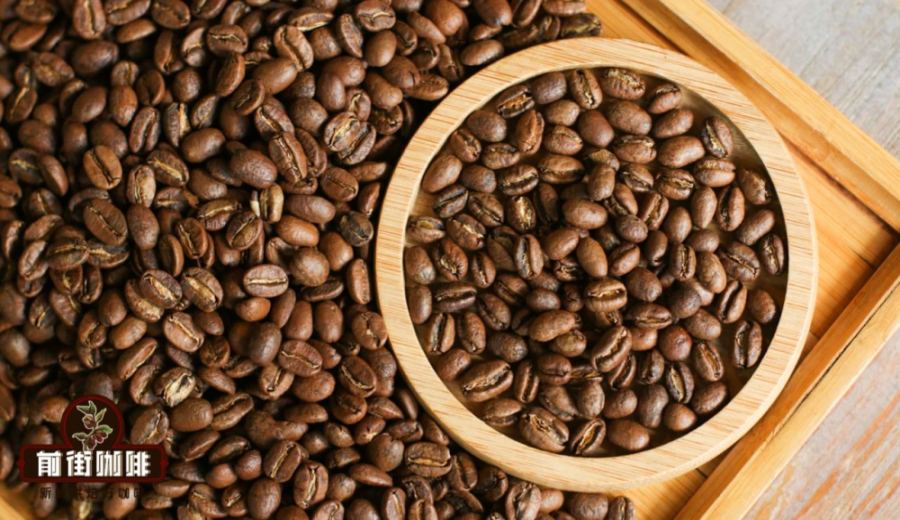
Introduction:Want to gain a deeper understanding of the differences between Golden Mandheling and Colombian coffee? This article provides a detailed analysis of these two popular coffee varieties—from origin background, bean variety characteristics, processing methods to flavor profiles—and offers practical brewing parameters to help you make the best choice based on your taste preferences. Whether you're a beginner or an advanced coffee enthusiast, you’ll find valuable insights here.
When walking into a coffee shop and facing dozens of coffee bean options on the shelf, many beginners often don’t know where to start. Among them, Mandheling and Colombian coffee have always been the two most frequently asked-about types. These two beans each have their own loyal fans—one bold and rich, the other bright and balanced—with clear differences yet distinctive charm. This article will delve into the historical origins, regional characteristics, varietal and processing differences of Golden Mandheling and Colombian coffee, compare their flavor profiles, and also provide practical pour over brewing parameter suggestions to help you more accurately select the coffee that suits your taste.
The name “Mandheling” originates from an interesting historical misunderstanding. During World War II, a Japanese soldier tasted a wet-hulled processed coffee in northern Sumatra, Indonesia, and was amazed by its rich and bold flavor. He asked the shop owner about the name of the coffee. Due to the language barrier, the owner misunderstood the question as being about his place of origin and answered “Mandailing.” This term was later mistakenly spread as “Mandheling” and became synonymous with this type of coffee. Although the name is not directly related to the origin, the Mandheling produced in the Lintong and Gayo highlands of Aceh in Sumatra—known for its heavy, aromatic, low-acid profile with notes of chocolate and caramel—has long become a classic in the hearts of coffee lovers.
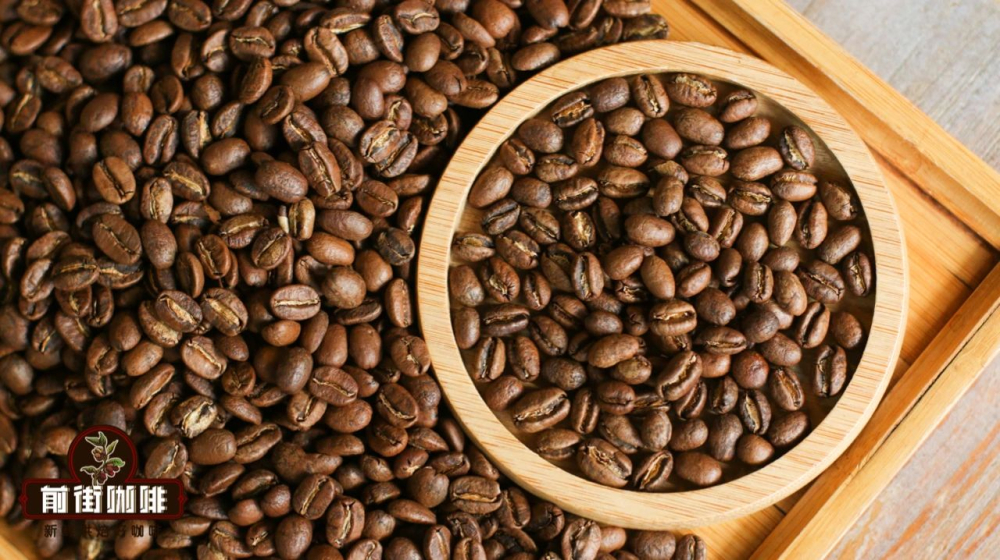
Mandheling coffee is mainly produced in Sumatra, with common offerings including Lintong, Golden Mandheling (located in the Gayo Highlands of Aceh), Tiger Mandheling, and Aged Mandheling. Lintong Mandheling comes from the Lintong region at elevations of 1100 to 1600 meters, using Typica and Catuaí varieties, and is processed via the wet-hulling method. It has a rich flavor with unique herbal and earthy aromas. Due to Sumatra’s high altitude and unique microclimate, along with the processing characteristics of wet hulling, Mandheling coffee beans often appear dark green or brown in color, with large and hard beans but also prone to defects, thus requiring strict screening.
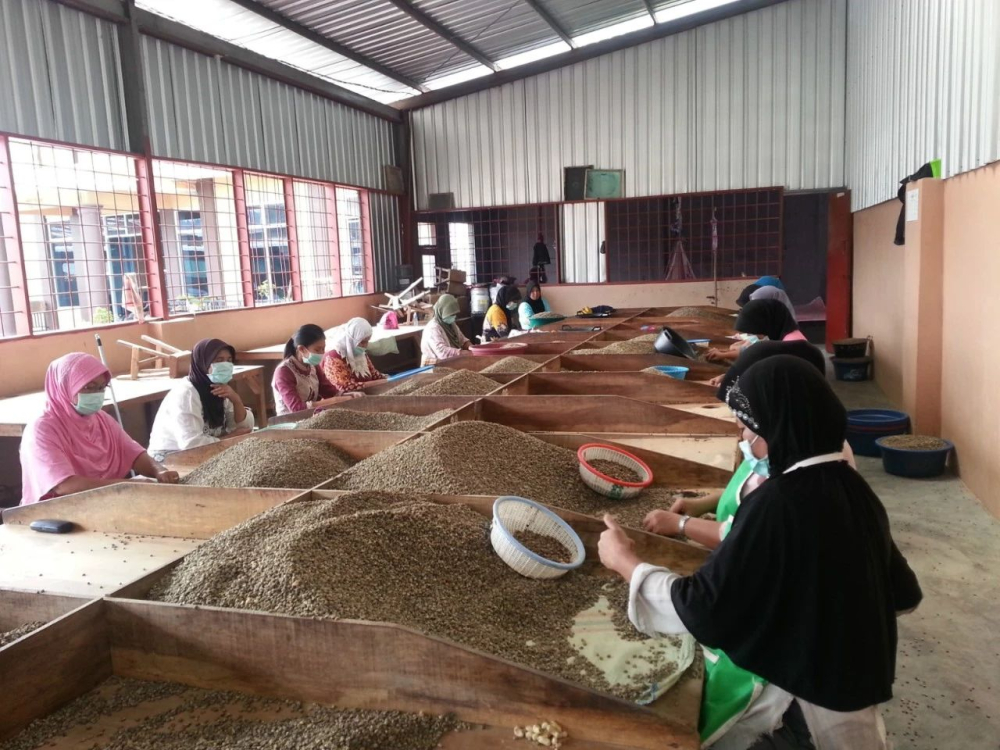
Golden Mandheling is the premium grade among Mandheling coffees, produced in the Gayo Highlands of Aceh at elevations of around 1100 to 1600 meters, with the Typica variety, also processed using the wet-hulling method. Golden Mandheling enforces extremely strict quality control, requiring multiple rounds of manual hand-picking, selecting only beans larger than 19 mesh and with low defect rates. As a result, it has more uniform bean size and a cleaner flavor profile. Compared to regular Mandheling, Golden Mandheling has a more balanced body, often featuring distinct notes of cream, dark chocolate, and nuts. It’s one of the single-origin beans frequently recommended by baristas.
Tiger Mandheling is an even higher-grade Mandheling, using only beans larger than 17 mesh with a defect rate below 4%. It comes from the Aceh region at elevations of about 1500 meters, with varieties including Typica, Catuaí, and Sidikalang. Due to its higher quality, this coffee offers a more balanced taste, featuring prominent cream aroma and a dark chocolate base tone, together with nutty notes and a soft sweetness. It suits drinkers who enjoy boldness yet seek clarity in flavor.
Aged Mandheling is a rather unique offering. The so-called aging refers to storing green beans under appropriate temperature and humidity for 2 to 3 years, allowing the flavors to evolve over time. During the aging process, acidity gradually decreases while sweetness and body increase, though complex aromas akin to leather or burlap may also emerge. When properly stored, aged Mandheling can showcase deeper layers of sweetness and woody tones, offering a choice that challenges conventional coffee flavor experiences.
For brewing, it’s recommended to use medium-fine grind, with water temperature controlled around 86°C, and the Kono filter cone can highlight the bold characteristics of Mandheling. Using a coffee-to-water ratio of 1:15 (e.g., 15 grams of coffee powder to 225 milliliters of water), employ a pulsed pouring method: start with 30 grams of water for a 30-second bloom, then pour up to 125 grams for the first pulse, and finally add water up to 225 grams to complete extraction, with a total brew time of about 2 minutes. This approach fully brings out the richness and layered complexity of Mandheling.
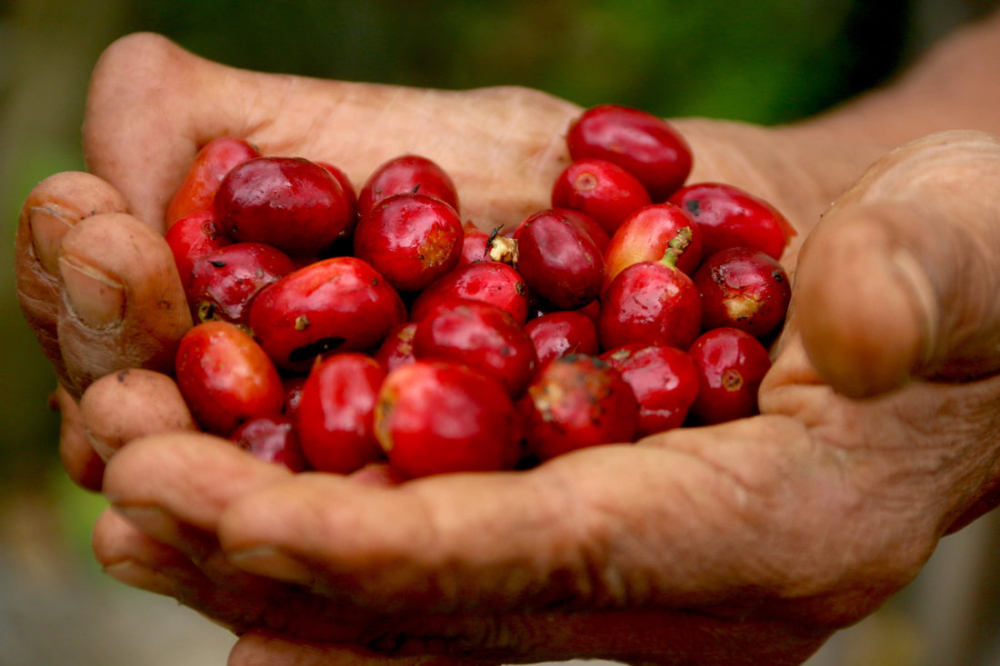
In contrast to Mandheling is coffee from Colombia. As the world’s second-largest coffee producer, Colombia is renowned for its consistently high-quality Arabica beans and is also the world’s largest exporter of washed coffee beans. Coffee cultivation in Colombia is mainly concentrated in high-altitude regions, mostly operated by small family farms. The coffee is hand-harvested and benefits from volcanic soil and mild microclimates, offering an exceptionally favorable growing environment.
Colombian coffee can be divided into two main types: commercial beans and specialty beans. Commercial beans are mostly produced in central and northern regions, such as the famous MAM region (Medellín, Armenia, Manizales), with flavors leaning towards bold fruit acidity and moderate body, suitable for mass-market tastes. Specialty beans, on the other hand, mostly come from high-altitude southern regions such as Huila, Cauca, and Meta, typically grown at elevations exceeding 1500 meters and often on volcanic soils. These coffees tend to have bright acidity, caramel aromas, berry notes, and balanced sweetness—ideal for those seeking nuanced flavors.
In terms of varieties, Colombia grows a diverse range of Arabica types, including traditional Typica and Bourbon, high-yield Catuaí, and disease-resistant Castillo. Castillo, for instance, is a variety jointly developed by Colombia’s national coffee research center and producers' associations. It boasts strong resistance to leaf rust while balancing yield and flavor. With Castillo, for example, using double anaerobic washed processing can bring out pronounced floral and berry aromas with soft acidity—making it a popular choice in the specialty coffee market.
When brewing Colombian coffee, it’s recommended to use medium-fine grind, with water temperature controlled between 90–92°C. Pour over brewing is ideal for fully showcasing its bright acidity and aroma. The V60 filter cone is recommended, using a 1:15 coffee-to-water ratio. Start with a 30-second bloom using 30 grams of water, then pour in stages up to 125 grams and 225 grams, with a total extraction time of about 2 minutes. This method highlights the delicate berry notes and sweet aftertaste of Colombian coffee.
In summary, Mandheling and Colombian coffee each represent different flavor dimensions of coffee. If you prefer bold, low-acid coffee with earthy and chocolatey notes, Mandheling is the top choice—especially Golden Mandheling and Tiger Mandheling, which are favorite single-origin picks for enthusiasts. On the other hand, if you lean more toward bright, refreshing, sweet-and-acid-balanced coffee with fruity and floral notes, Colombian coffee will offer you a distinctly different tasting experience. Whichever you choose, mastering the right brewing parameters and understanding the beans’ characteristics will allow you to delve deeper into the diverse charm of coffee.
The above content is compiled by CoffeeHunters, a coffee news website.


