








Introduction:From being regarded as a cheap raw material to stepping onto the specialty coffee stage, Yunnan coffee has undergone an astonishing transformation over the past century. This article takes you deep into the natural advantages of Yunnan’s main producing regions, the flavor differences between washed and natural processing methods, and explores how scientific blending can unlock the potential of Yunnan beans in espresso. Whether you’re a beginner or a coffee professional, you’ll find practical insights here.
Tracing back to the early 20th century, the history of Yunnan coffee began with the first coffee tree planted by French missionaries in Binchuan County, marking over a hundred years of development. Once labeled as “low-end raw material,” the Yunnan growing region has gradually carved out a place in the specialty coffee scene, thanks to its unique geographical terroir and continuous advancements in industry techniques.
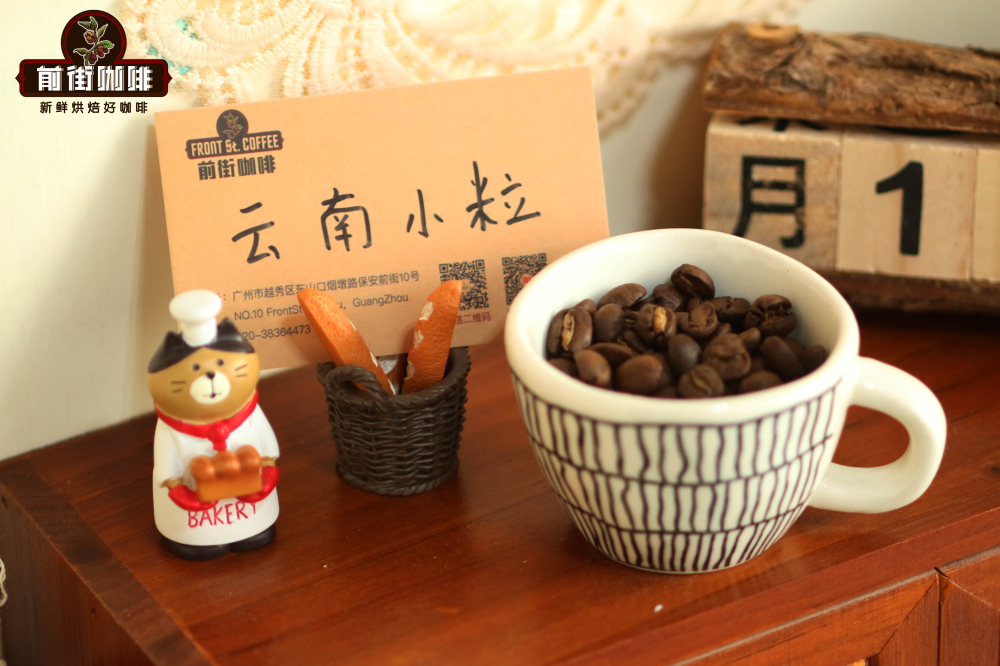
In the early days, Yunnan coffee often suffered from extensive production and limited processing, mostly serving as raw material for instant coffee, with its value not fully realized. It wasn’t until international brands like Nestlé introduced the disease-resistant Catimor variety in 1988 and established a stable purchasing system that large-scale cultivation began to take off. But the real turning point came with the rise of the specialty coffee trend in recent years, as global buyers started paying attention to the altitude, climate, and processing details of Yunnan’s producing regions, leading to a reshaping of the region’s image.
Currently, Yunnan coffee is concentrated in six major producing regions, including Pu’er, Baoshan, Dehong, and Lincang. These areas feature low latitude and high altitude, significant day-night temperature variations, and complex terrains that create microclimates—providing an ideal environment for Arabica varieties. Among them, Baoshan’s Luguangba is particularly famous for its “four seasons on one mountain” unique three-dimensional climate, where annual rainfall and temperature differences contribute to the distinctive aftertaste of the coffee beans.The altitudes of these producing regions generally range between 1200–1800 meters, meeting the basic elevation requirements for specialty coffee cultivation.
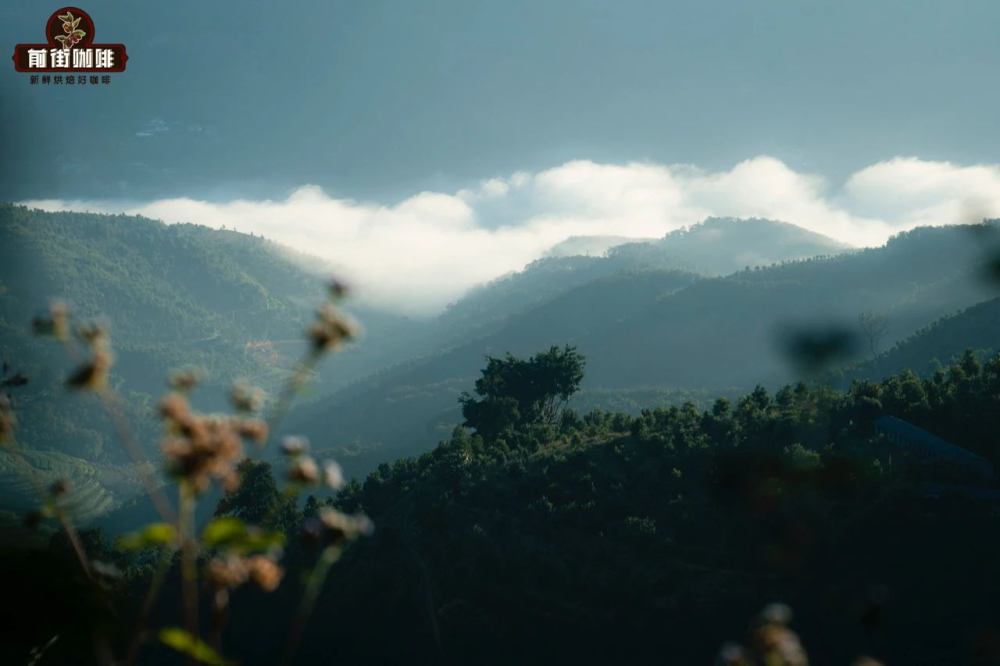
The Lincang producing region, influenced by the warm and humid airflow from the Indian Ocean, experiences distinct dry and rainy seasons. Long daylight hours and moderate precipitation help coffee cherries accumulate flavor compounds. A certain coffee brand’s own estate in the area has chosen the original Typica variety and employs natural processing. From seed selection to roasting, the entire process is independently controlled, resulting in a naturally processed bean with delicate flavors that showcase the diverse flavor possibilities of Yunnan’s producing regions.
Processing method is a key factor influencing the flavor profile of Yunnan coffee. Washed processing, which involves removing the pulp layer and fermenting and washing the beans, effectively reduces defect rates, resulting in a clean and clear flavor profile, making it suitable for presenting foundational notes like nuts and herbs. Natural processing, on the other hand, relies on full fruit fermentation, imparting a richer sweetness and layered fermentation complexity, often yielding complex flavors such as berries and black tea. It’s worth noting that due to the rainy harvest season in most Yunnan producing regions, washed processing is relatively more stable, but areas with abundant sunlight, such as Lincang, can leverage the unique advantages of natural processing.
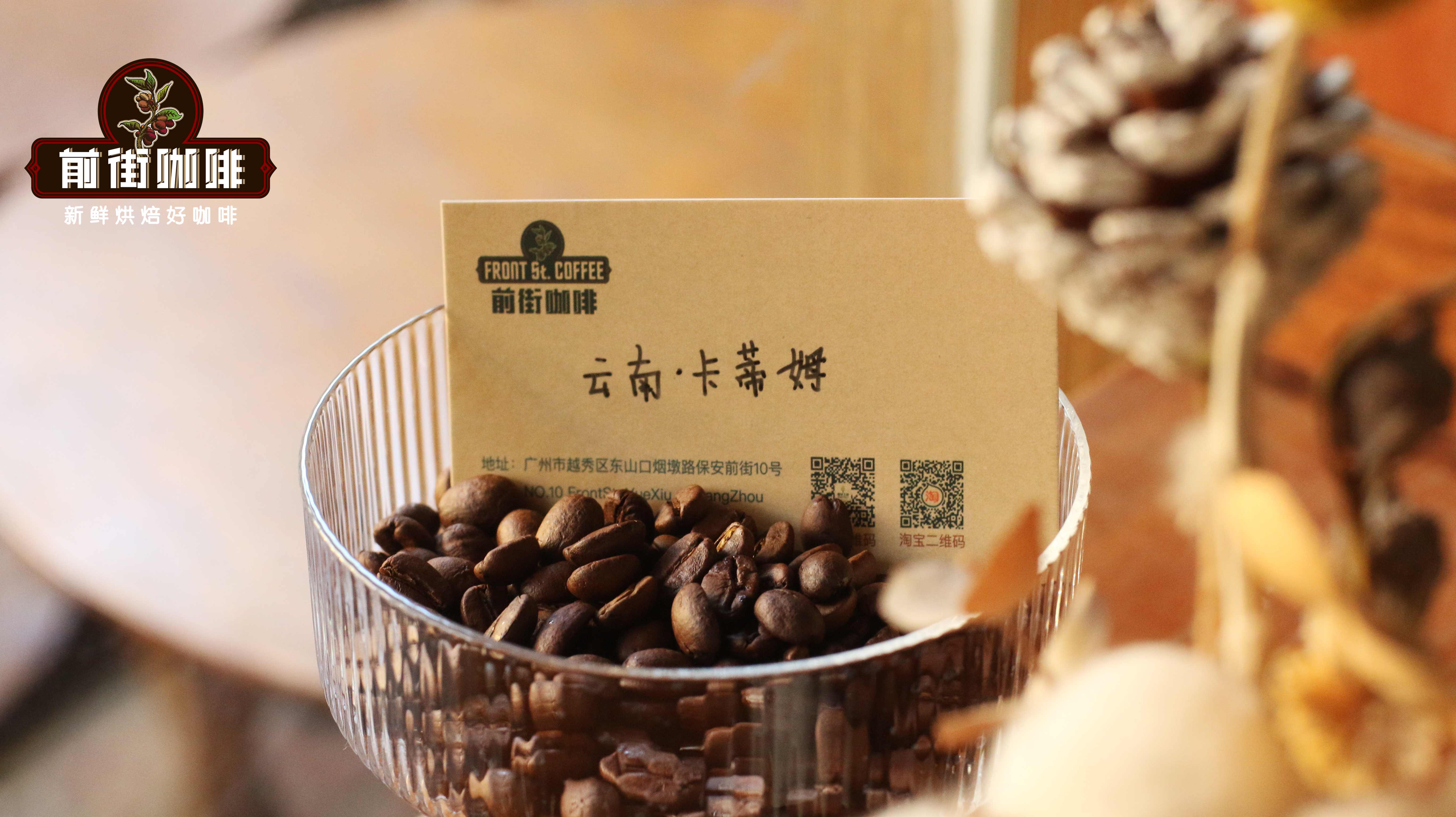
Using medium roast as a baseline, Yunnan washed small beans often exhibit a balanced flavor of nuts, caramel, and sweet potatoes, making them suitable for single-origin enjoyment or as a base in espresso blends. Meanwhile, natural Typica beans, with their prominent sweetness, often carry intense fermentation notes and rounded fruity tones, serving as a flavorful highlight. Actual cupping data shows that Baoshan washed beans feature a flavor spectrum that includes nuts, melon, and plum, with a clean and sweet aftertaste. Lincang natural beans, on the other hand, present a complex profile of caramel, chocolate, and berries, with a medium-to-high body.
In the context of espresso applications, the balanced characteristics of Yunnan beans make them an important component in blend formulations. For example, combining 30% washed Yunnan small beans with 70% Brazilian semi-washed beans can create a mildly acidic yet rich base, suitable for moka pot extraction. This blend retains the clear flavor profile of Yunnan beans while enhancing the overall body with the richness of Brazilian beans. The resulting cup offers a harmonious combination of cream, nuts, and caramel, delivering stable performance whether used for lattes or pure espresso.
For coffee enthusiasts, understanding the geographical characteristics and processing differences of Yunnan’s producing regions can help make more precise judgments when selecting beans. Whether you’re experimenting with single-origin brewing or exploring creative combinations in espresso blends, Yunnan coffee is ready to showcase its unique charm.
The above content is compiled by CoffeeHunters, a coffee news website.


