








Introduction:The key to pour over coffee lies in precisely controlling the coffee-to-water ratio, water temperature, grind size, and pouring technique. This article explains how to adjust the coffee-to-water ratio scientifically and apply multi-stage pouring techniques to extract coffee with distinct layers and balanced flavors. From the golden ratio of 1:15 to 1:16, to the practical steps of three-stage pouring, it helps you establish a stable pour over framework and improve extraction success rate.
The reason pour over coffee is so fascinating is that it allows you to shape vastly different flavor profiles by fine-tuning various parameters. Among these, the coffee-to-water ratio plays a core role in determining coffee strength and extraction efficiency. This seemingly simple number is actually a key variable that influences the overall flavor.
The so-called coffee-to-water ratio refers to the weight of coffee grounds relative to the total volume of water poured. For example, using 15 grams of coffee grounds with 225 milliliters of water is the common 1:15 ratio. This ratio directly determines the final strength of the coffee—higher ratios result in lighter coffee, while lower ratios yield more intense and concentrated flavors.
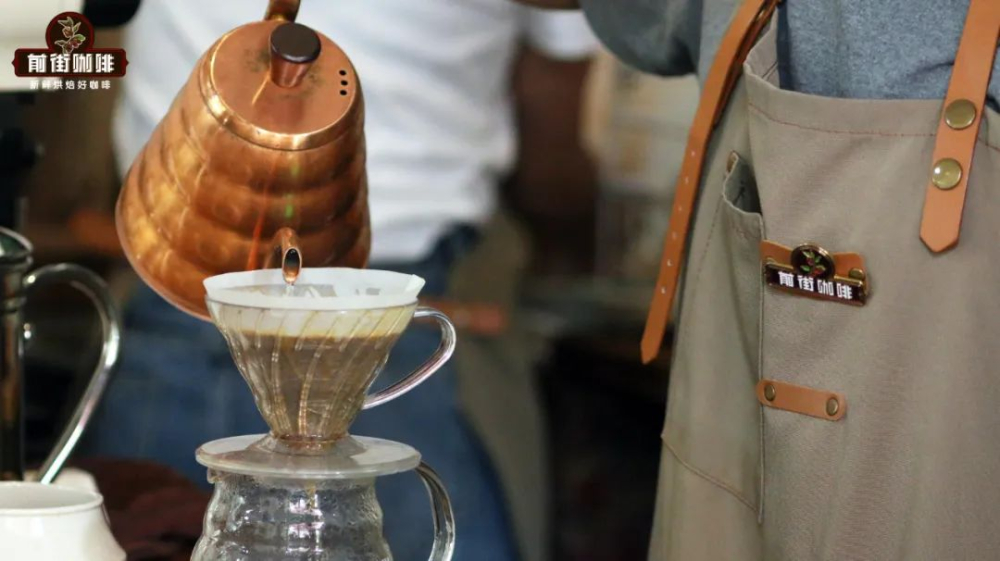
It’s worth noting that simply adjusting the amount of water does not guarantee improved flavor. When the water volume increases, although the coffee becomes less concentrated, it may also lead to a higher extraction yield, releasing more large molecular compounds and potentially resulting in unpleasant bitterness. Therefore, finding the golden ratio that suits the characteristics of the coffee beans is crucial.
For beginners, it is recommended to start with a range of 1:15 to 1:16. This range can maintain sufficient flavor intensity while minimizing the risk of over-extraction. Taking 15 grams of coffee grounds as an example, the total water volume can be controlled between 225 and 270 milliliters, which is a relatively safe starting range.
The multi-stage pouring technique is an important method for improving pour over quality. The core of this technique is to divide the entire extraction process into multiple stages, achieving more precise extraction by controlling the water volume and time for each stage. The most common approach is the three-stage pouring method.
The first stage of blooming is crucial. This step involves pouring approximately twice the weight of the coffee grounds in water (about 30 milliliters) to fully saturate the grounds and release carbon dioxide. This process not only enhances subsequent extraction efficiency but also helps prevent channeling. It is recommended to maintain a blooming time of around 30 seconds, which is the standard practice for most baristas.
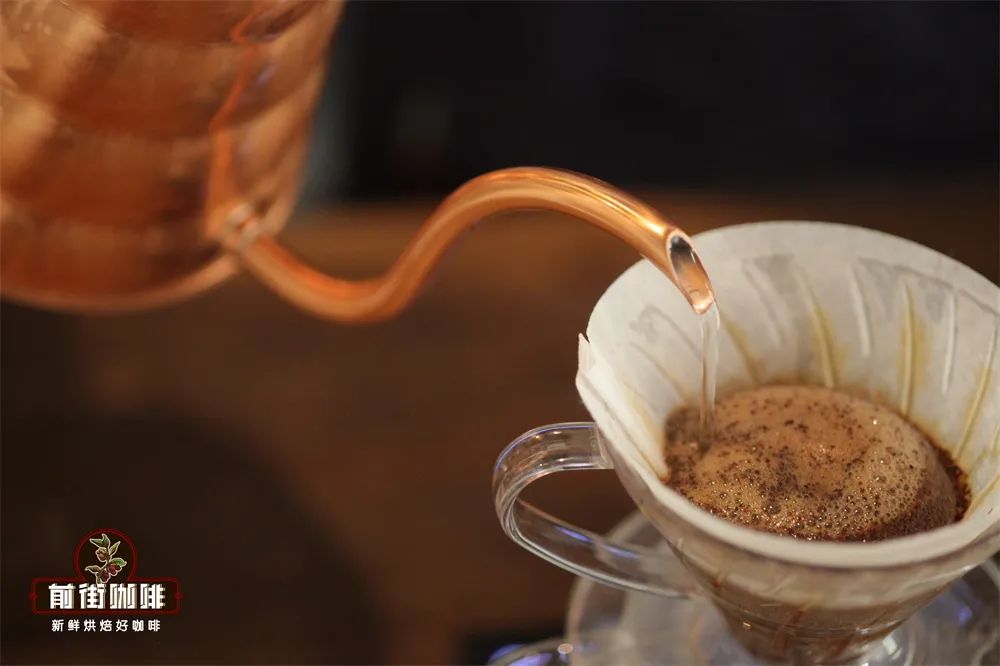
Here are the specific operational suggestions for three-stage pouring: the first stage involves pouring 30 milliliters of water for blooming; the second stage increases water flow and pours about 95 milliliters; the final stage uses a finer stream to pour 100 milliliters. This distribution ensures that each stage can fully extract different flavor compounds while avoiding over-extraction.
In actual operation, water temperature control is equally important. For light roast coffee beans, it is recommended to use water at 92–93°C, as this temperature can fully highlight floral and fruity notes; for medium to dark roasts, the temperature can be appropriately lowered to around 90°C. As for grind size, medium-fine grind (approximately 20-mesh sieve with 78% passing rate), similar in coarseness to fine sugar, is a balanced choice.
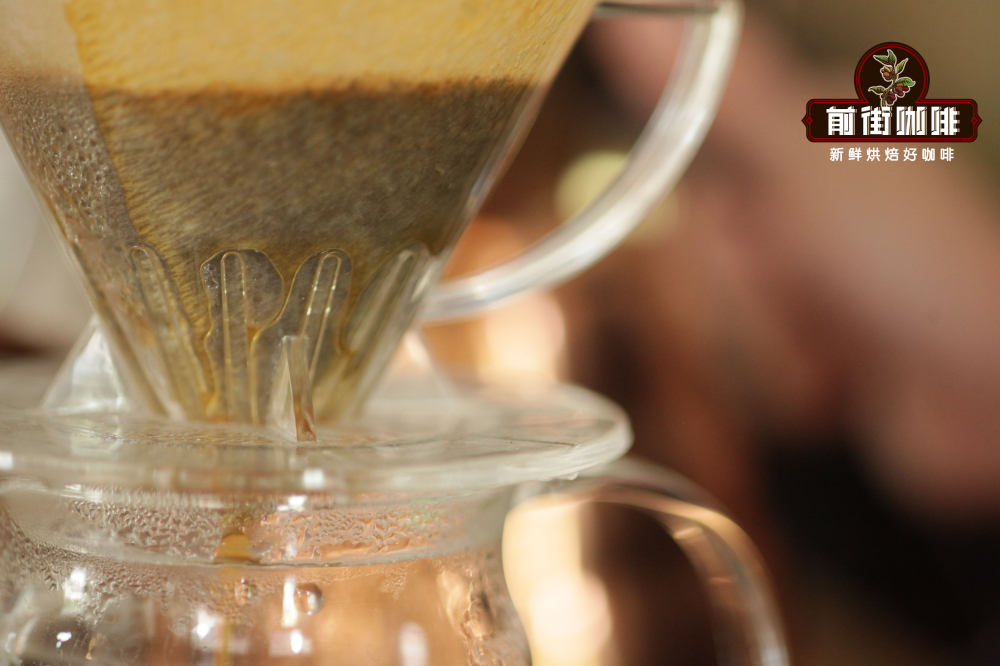
When using a V60 filter cone, its unique spiral rib design effectively promotes air circulation, helping the coffee grounds layer drain evenly. This is very important for maintaining stable extraction pressure. Before starting the pour, it is recommended to wet the filter paper with hot water. This not only preheats the equipment but also ensures the filter paper adheres tightly to the cone, preventing paper taste from affecting the coffee flavor.
The technique for each stage of pouring also varies: during the initial blooming stage, a small stream of water should be poured in the center; the second stage can involve slightly increasing the water flow and maintaining a steady pour; by the third stage, special attention should be paid to controlling the water flow strength to avoid disrupting the already formed coffee grounds structure. Keeping the overall extraction time around two minutes is an ideal state.
It’s important to note that these parameters are not fixed. Depending on the origin, processing method, and roast level of the coffee beans, adjustments to the coffee-to-water ratio and extraction parameters are necessary. Beginners are advised to first master the basic framework, then gradually fine-tune based on actual flavor performance, ultimately establishing their own pour over system.
The above content is compiled by CoffeeHunters, a coffee news website.


