








Introduction:Cold brew coffee, with its refreshing taste and simple brewing process, has become the summer favorite of many coffee enthusiasts in recent years. This article delves into the extraction principles of cold brew, the suitable grind size and coffee-to-water ratio, the impact of refrigeration time on flavor, and offers practical brewing tips and coffee bean selection advice to help you easily brew a richly layered iced coffee at home.
Cold brew coffee is referred to in English as Cold Brew Coffee. Its preparation involves steeping ground coffee in cold water for an extended period—typically at least eight hours—before separating the coffee liquid through filtration. This low-temperature, long-duration extraction method results in its unique richness and smoothness. Not only is it easy to make, but because the extraction process is gentle, it significantly reduces the coffee’s sharp acidity and over-extracted bitterness, making it a go-to choice for daily coffee enjoyment for many.
When making cold brew coffee, the first consideration is the grind size. Since cold water—not hot—is used, to compensate for the lack of extraction energy, it’s recommended to adjust the grind to be slightly finer than that for pour over coffee, roughly similar to the coarseness of fine sugar. Referring to a standard sieve, the pass-through rate should be around 85%. This setting helps effectively release coffee flavor compounds even in a low-temperature environment.

A standard cold brew recipe is 30 grams of coffee grounds to 360 milliliters of room-temperature water, translating to a coffee-to-water ratio of about 1:12. Place the coffee grounds into a clean glass container, then slowly pour in the cold water, stirring evenly with a stirring stick to ensure every coffee particle is fully saturated. Next, seal the container and place it in the refrigerator for 12 to 24 hours, adjusting the duration based on personal taste preference.
Once steeping is complete, it’s recommended to filter out the coffee grounds using filter paper or a professional filter cloth to obtain a clear and bright coffee liquid. For a smoother mouthfeel, you can pour the filtered coffee into another clean, sealed bottle and refrigerate it for about 4 more hours before drinking. It’s worth noting that longer steeping doesn’t necessarily mean better flavor—overly long extraction may lead to excessive concentration and an unpleasant fermented taste. It’s best to fine-tune the time according to your own preferences.
If you prefer a cold brew with a more fermented complexity or bold flavor, you can try extending the brewing time to allow the coffee liquid to develop richer layers. However, if the final product turns out too intense, adding a few ice cubes when drinking can not only help cool it down but also naturally dilute the concentration, enhancing the overall drinking experience.
As for coffee bean selection, medium to light roasts are usually the first choice for cold brew, as they can showcase more fruity acidity and floral notes, complementing the cool character of cold brew.The coffee beans in the image are for illustrative purposes, but in practice, if you enjoy a fresh floral profile, you might choose beans similar to Panamanian Geisha that feature distinct citrus and tea-like flavors; if you prefer a style with berry acidity and a black tea base, Ethiopia’s Huakui series is also a great option.
In addition, beans with prominent juice-like flavors or unique fermented notes—such as certain single origins with tomato-like or passion fruit characteristics—are also well-suited for cold brew, capable of showcasing distinctive layered profiles.However, while dark roast beans can also be used for cold brew, they tend to produce an overly heavy smoky note and monotonous bitterness. Beginners are advised to prioritize medium to light roasted products for their first attempts.
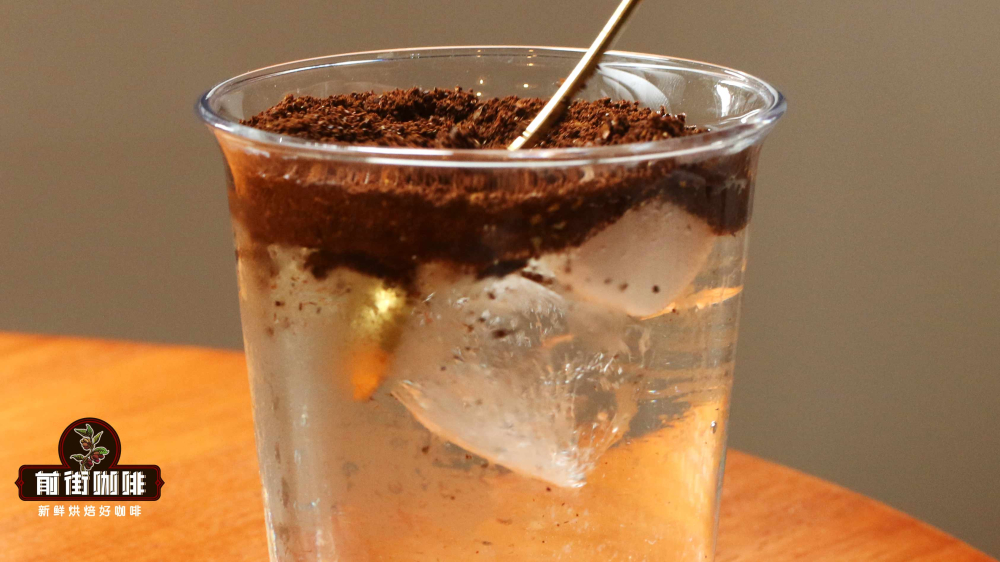
Overall, the reason cold brew coffee has become such a trend in the market is largely due to its simple brewing process and diverse flavor potential. With just basic coffee beans, cold water, filtration materials, and refrigeration equipment, you can easily make it at home. Moreover, cold brew has a relatively long drinkable window—if stored properly in a sealed container, it generally maintains good flavor for 3 to 5 days, making it ideal for consumers who like to prepare drinks in advance.
More notably, cold brew coffee offers extremely high customization flexibility. Not only can you change the base flavor by switching coffee beans, but you can also add fruits, honey, or other flavor elements based on personal taste to create a personalized iced coffee experience. Whether you’re aiming for a refreshing taste or a richly layered profile, as long as you master the grind size, coffee-to-water ratio, and refrigeration time, you can easily brew a satisfying cold brew.
The above content is compiled by CoffeeHunters, a coffee news website.


