








Introduction:This article provides an in-depth analysis of the differences between two classic processed Ethiopian Yirgacheffe region coffee beans—washed and natural G2 grade beans—covering grind size, water temperature, brew ratio, filter choice, and extraction techniques. It also offers practical pour over parameters and detailed flavor profiles to help you precisely capture the balanced expression of bright acidity, fruity aroma, and honey sweetness.
Yirgacheffe, a coffee holy land nestled in Ethiopia’s high-altitude mountainous region, is one of the dream regions for specialty coffee enthusiasts worldwide. Renowned for its unique citrus acidity, delicate floral notes, and bright mouthfeel, Yirgacheffe always stands out whether in professional competitions or home pour overs. This article focuses on the two popular G2 grade coffee beans from this region using different processing methods—washed and natural—from regional background to processing techniques, and then to actual pour over operations and parameter settings, taking you through a comprehensive understanding of how to bring out each bean’s most captivating flavor traits through subtle adjustments.
[Introduction to the Yirgacheffe Region]
Originally a small town under the Sidamo region, Yirgacheffe has become renowned for its exceptional altitude (averaging about 1700 to 2100 meters, with some micro-regions reaching up to 2300 meters) and cool, foggy climate, which nurture uniquely distinctive coffee flavors. As its distinctive fruity acidity and floral aromas gained increasing market popularity, it eventually separated from Sidamo to become the world-famous Yirgacheffe region we know today. This area includes several well-known micro-regions such as Kochere, Gedeb, and Konga, each with representative cooperatives producing specialty coffee beans with diverse flavor profiles.

[Gutiti Cooperative – Analysis of Washed Process Beans]
Located southeast of Yirgacheffe, the Gutiti Cooperative belongs to the Wolkite region. The cooperative excels in traditional washed and natural processing methods and is known for its high standard of green bean quality control.The washed beans provided by this cooperative are classified as G1 grade (some sources list them as G2 grade in circulation), medium-light roasted, of the Heirloom variety, and processed via the washed method. They emphasize clean, bright acidity and a clear aromatic profile of citrus, berries, and honey.
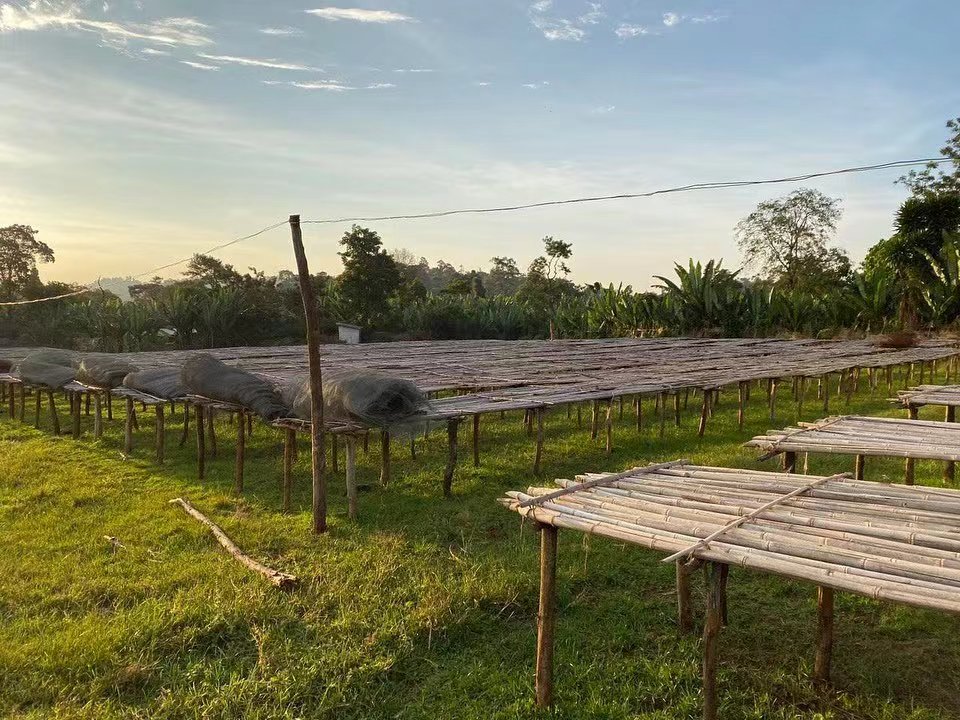
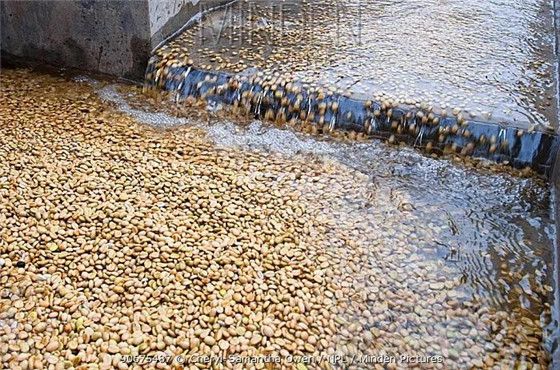
The washed processing steps include removing the pulp and flesh, then placing the parchment-covered beans into fermentation tanks for 18 to 36 hours of fermentation (depending on local temperature and humidity). Afterward, the mucilage is washed away using channels, and poor-quality beans are sorted out by water density. The cleaned parchment beans are then dried on African beds for about 14 days until they reach the standard moisture content, before being sent to a dry mill for hulling, polishing, color sorting, and gravity tables to ensure export quality.
[Aletaland Cooperative – Analysis of Natural Process Beans]
The other highlight comes from the Aletaland (also known as Aletu Land) Cooperative, also sourced from Ethiopia’s high-altitude Yirgacheffe region, and uses the traditional natural processing method. Though this method is historic, recent upgrades in equipment and technology have significantly improved past issues such as earthy tones or over-fermentation.These beans are G1 grade, medium-light roasted, of the Heirloom variety, and naturally processed. Their flavor profile leans toward intense fruitiness, prominent sweetness, with lingering notes of red wine and honey.
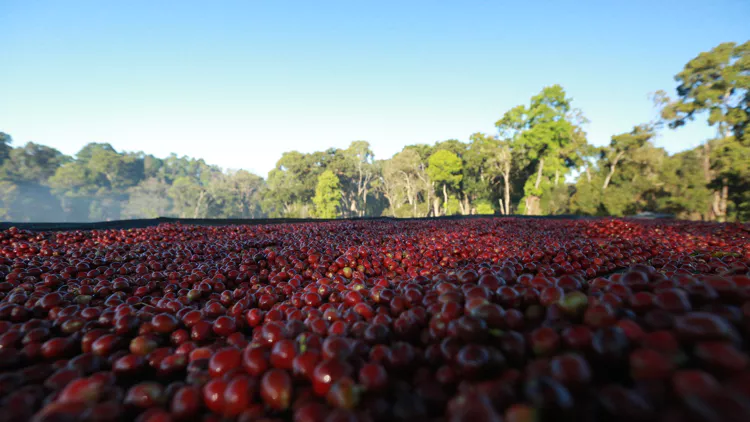
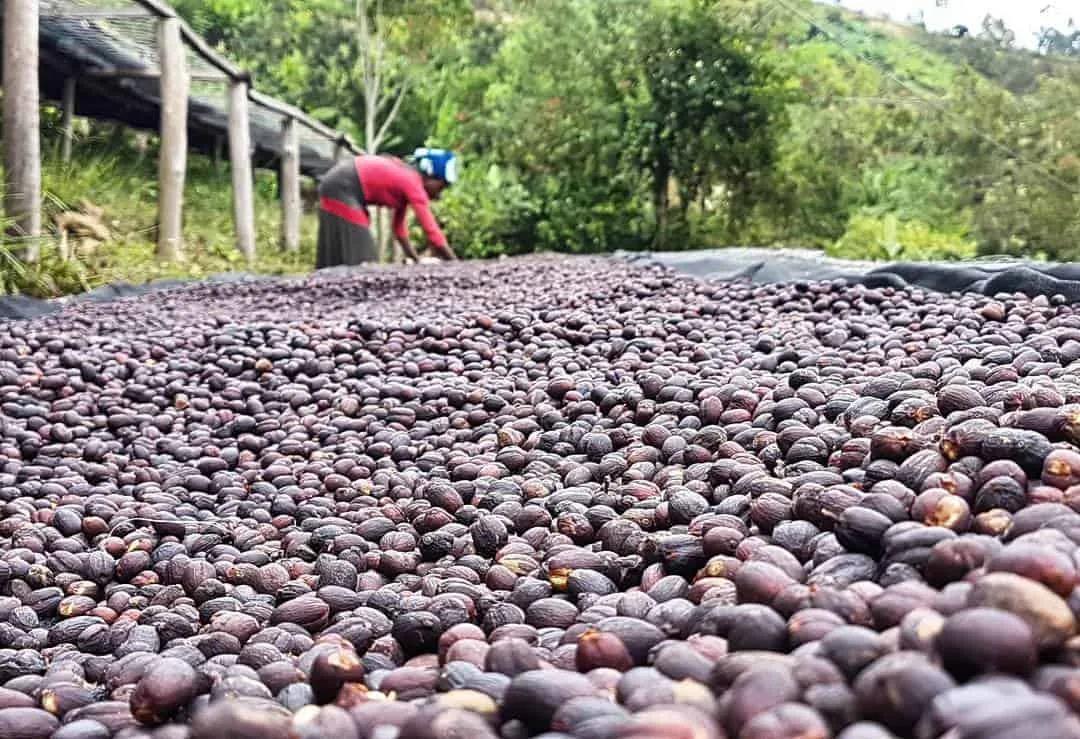
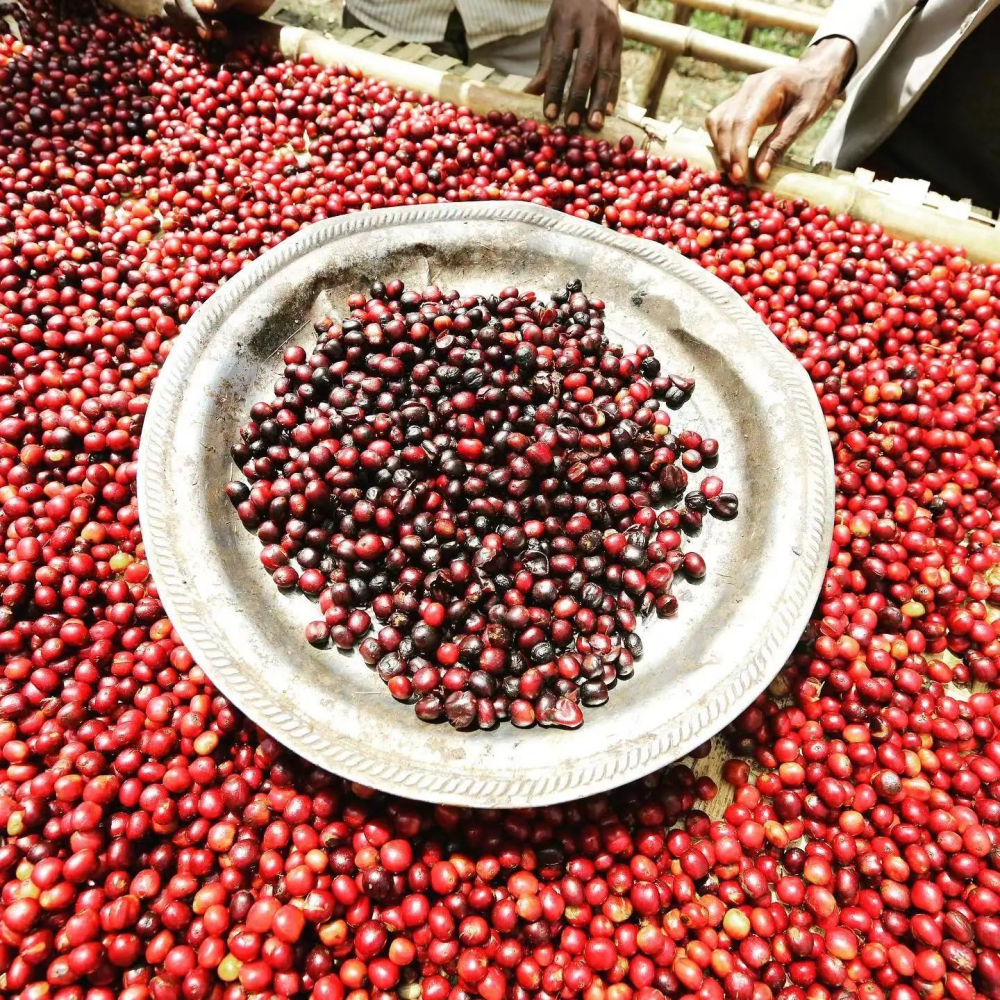
During the natural processing, the coffee cherries are sun-dried on concrete patios or raised drying beds for 3 to 4 weeks. They are frequently turned to ensure even drying until the moisture content drops to around 11%, and the outer skin turns dark red-black. Once dried, the pulp and skin are removed, and the beans remain wrapped in their parchment until just before export. Modern natural processing often uses African raised beds to improve airflow and maintain consistent drying.

[Washed Bean Pour Over Parameters and Techniques]
For the Gutiti washed beans, it is recommended to use a V60 filter, which helps enhance the release of acidic aromatic compounds and overall fragrance expression. The suggested grind size is medium-fine (approximately 78% passing through a Chinese No. 20 sieve). Too coarse may result in under-extraction and a thin mouthfeel; too fine may lead to over-extraction and bitterness under high water temperature.
The recommended brew ratio is set at 1:16, helping to balance the clarity of floral notes, citrus tones, and honey sweetness. For water temperature, if you prefer bright acidity and a tea-like aftertaste, choose 90–91°C; if you want a fuller acidity and enhanced body, then a temperature of 92–93°Cis recommended. Brewing is advised using a three-stage pouring method to gradually release different layers of flavor. From high to decreasing temperatures, you can perceive the transitions of berry, citrus, cream, and honey notes.

[Natural Bean Pour Over Parameters and Techniques]
The Aletaland natural beans are also suitable for the V60 filter. A similar medium-fine grind (approximately 80% passing through a No. 20 sieve) is recommended to fully bring out the rich fruity aroma and sweetness. The suggested brew ratio is 1:15, which helps concentrate the flavors and showcase a full-bodied juice-like taste with a rich mouthfeel. Water temperature is advised to be maintained at 91–92°C, balancing sweetness and acidity while avoiding over-extraction due to excessively high temperatures.
Thanks to the natural process, these beans have more abundant sugars and fruit pulp texture. It is recommended to use a center pour technique, allowing hot water to uniformly penetrate the coffee bed for a stable extraction of acidic-sweet compounds and a caramel-like finish. When tasting, pay attention to its dominant notes of lemon, berries, and sweet orange, with mid-palate highlights of black tea and cream, and a long, smooth aftertaste.
The above content is compiled by CoffeeHunters, a coffee news website.


