







Introduction:Delve into the historical origins, regional characteristics, and processing methods of Indonesian Mandheling coffee, with a special focus on how the classic wet-hulling process shapes its unique flavor profile. This article also explains the origins and selection criteria of Golden Mandheling, along with providing a set of practical pour over parameters to help you extract the richness and complexity of Mandheling more precisely. It’s an essential guide for both beginners and enthusiasts who love dark roasts and Indonesian beans.
Mandheling coffee has captivated coffee lovers worldwide with its bold and full-bodied taste. Behind this lies not only a rich cultural and historical background but also unique post-harvest processing techniques that support its captivating flavors. From a historical anecdote during World War II where it was mistakenly named, to the boost it received from the Japanese market, and further evolving into the pursuit of flavor diversity in the specialty coffee era, the development of Mandheling showcases the rich tapestry of coffee culture. Meanwhile, with the rise of specialty coffee trends, more and more consumers are exploring its hidden fruity and floral notes through different roast levels.
In the past, most Mandheling coffees on the market were medium to dark roasts, showcasing intense chocolate and nutty tones, suitable for those who enjoy a bold cup. However, with the rise of specialty coffee culture in recent years, some roasters have shifted to medium or even light-to-medium roasts, unlocking more fruity, floral, and tea-like qualities. Nevertheless, due to the unique wet-hulling process in Sumatra that often leads to green bean defects, darker roasts can skillfully mask these off-flavors while enhancing its distinctive spicy and woody notes. For this reason, many classic Mandheling coffees remain within the medium-to-dark roast range to present their most authentic flavor expression.
Speaking of the origin of the name “Mandheling,” it actually has no direct connection to a place or coffee variety, but stems from a misunderstanding during World War II. At that time, a Japanese soldier tasted an unforgettable cup of coffee at a café in Sumatra and curiously asked the shop owner about the coffee’s name. The owner, however, misunderstood the question as being about his origin and replied “mandheling” (referring to the Mandailing ethnic group). After the war, the soldier recalled that coffee and called it “Mandheling.” In 1968, a Japanese trader imported 15,000 kilograms of coffee beans from Indonesia’s P.N. Pawani Medan company, and since then, the term Mandheling has become synonymous with Sumatran coffee.
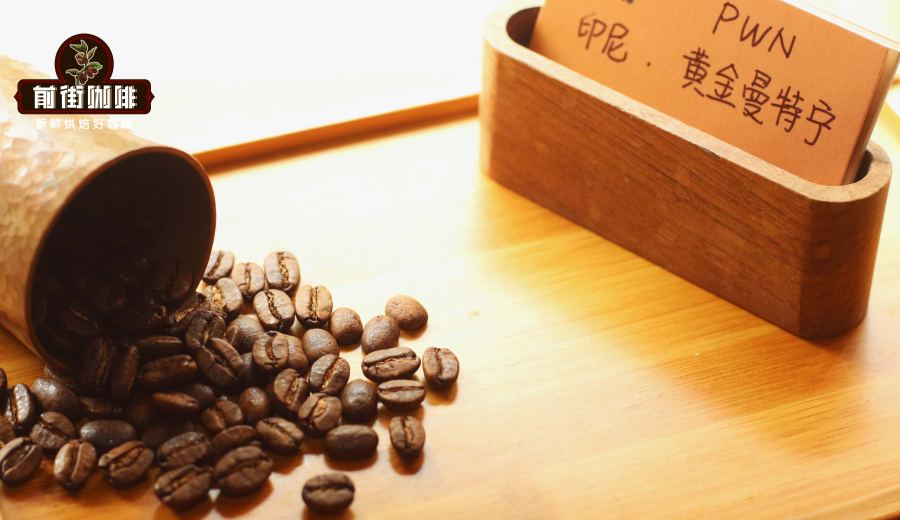
PWN Company (i.e., P.N. Pawani Medan company) is a long-established export trading company in Indonesia, headquartered in Medan and founded by a Chinese family. Since 1957, it has been exporting various goods including coffee to Japan. The company played a key role in promoting Mandheling in the Japanese market and is also the exclusive supplier of the high-end “Golden Mandheling” grade. Its strict selection system ensures top-tier quality, allowing Sumatran specialty coffee to gain international recognition.
As for why Mandheling is often referred to as Sumatran coffee, it’s because its main producing regions are concentrated in the northern part of Sumatra, particularly in Aceh and North Sumatra provinces—especially the Lake Toba region around the Lintong area, and later the Lake Tawar (Aceh region) producing area. These two major regions not only have exceptional geographical conditions but also boast fertile volcanic soil and abundant rainfall, nurturing uniquely characteristic Arabica coffee. The coffees from Lintong and Aceh are also affectionately nicknamed the “Two Lakes, Two Mandhelings” by enthusiasts, representing two classic sources of Indonesian coffee.
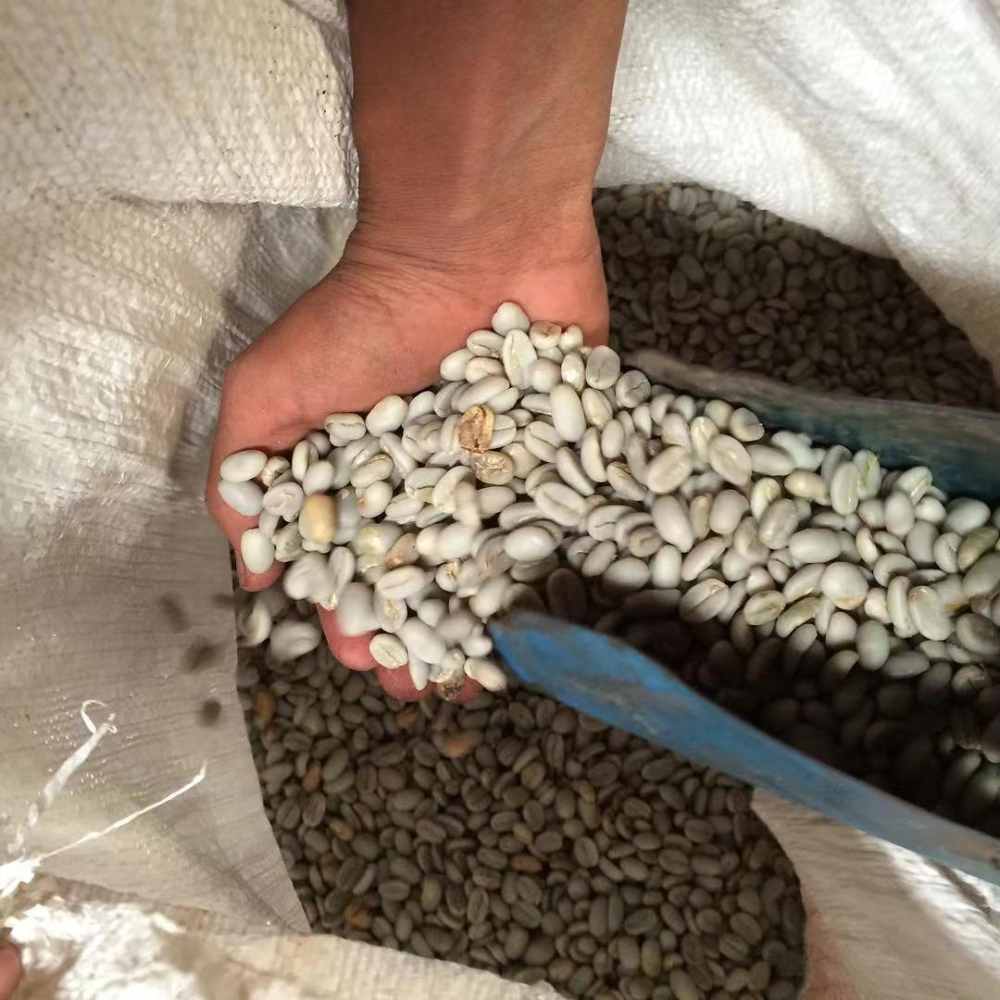
The history of coffee cultivation in Indonesia dates back to the late 17th century when Dutch colonists introduced the Typica variety and developed local variants such as Bergendal and Sidikalang. However, the leaf rust disease outbreak in 1877 nearly destroyed all Typica coffee trees in Indonesia. To revive the industry, Indonesia turned to the disease-resistant Robusta, which remains the dominant variety to this day. In addition, varieties such as Caturra, Catimor, Timor, and Ateng were also introduced over time. Among them, Ateng and Tim Tim, due to their adaptability to Sumatra’s environment and unique cedar-like aromatic profiles, currently account for about 70% of local plantings. The standard Lintong Mandheling beans from Indonesia are a blend of Tim Tim and Ateng, while Golden Mandheling selects high-quality Ateng beans.
When it comes to the standout among Mandheling coffees, none surpasses “Golden Mandheling.” This high-end grade is exclusively registered by PWN Company and can only be used for Mandheling beans produced by the company that meet strict standards. Golden Mandheling uses G1 grade green beans that are 18 mesh size or larger with an extremely low defect rate—fewer than three defective beans in a 300-gram sample—and undergoes multiple rounds of manual sorting to ensure each bean meets high standards in size, shape, and color. After medium-to-dark roasting, its flavor profile reveals layers of cedar, nuts, spices, and dark chocolate, with a clean taste and pronounced sweetness, making it an excellent choice for experiencing the refined flavors of Mandheling.
Many coffee enthusiasts often encounter the issue of overly bitter or burnt-tasting cups when brewing Mandheling via pour over, which is often related to brewing parameters and technique. Since Mandheling is mostly medium to dark roasted, its internal structure is relatively loose. If ground too finely or brewed at too high a temperature, it can easily release excessive bitter substances. It is recommended to use a KONO filter dripper for extraction. Its smooth curve and minimal venting design help ensure even saturation of the coffee grounds, bringing out a round and full-bodied taste—particularly well-suited for bold-flavored beans like Mandheling.
For actual pour over brewing, it is recommended to use a medium-coarse grind (based on a Chinese No. 20 sieve, with about 70% passing rate), with water temperature controlled at87~88°C, and a coffee-to-water ratio of1:15, using a total of15 gramsof coffee grounds. The brewing process is suggested to be done in three pours: first, pour30 millilitersfor the bloom to initiate the degassing reaction of the coffee grounds; the second pour adds100 millilitersto allow the coffee’s foam to fully release and lift the coffee bed; finally, pour95 millilitersslowly in the center to enhance sweetness and overall body, making the layers of chocolate, nuts, and spices more distinct.
The above content is compiled by CoffeeHunters, a coffee news website.


