







Introduction:Latte and Americano are among the most common espresso-based coffee drinks, but their brewing methods and flavor profiles are actually quite different. Understanding the espresso base behind these two drinks, the differences in milk-to-water ratios, and their respective extraction logics can help you gain a more precise grasp of the world of espresso coffee. This article starts with the definition of espresso, analyzes the ingredient ratios and taste characteristics of lattes and Americanos, as well as the causes of bitterness in Americano and suggestions for improvement, to help you build a complete understanding of espresso coffee.
On the menus of many coffee shops, latte and Americano are always two popular choices. However, many customers actually have only a superficial understanding of their differences. In fact, these two classic espresso drinks both originate from the same base—espresso—but are paired with different liquids: lattes are made by adding steamed and finely frothed milk, while Americanos are created by diluting espresso with hot or cold water. Once you grasp this fundamental logic, you can easily understand why they differ so noticeably in taste, aroma, and aftertaste.
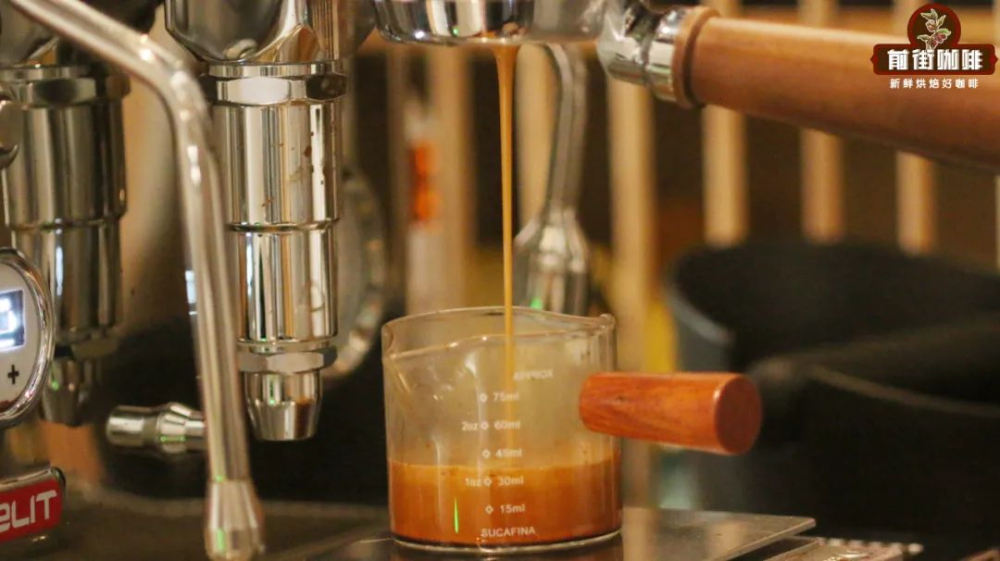
Before diving deeper into lattes and Americanos, let’s return to the basics of espresso coffee—espresso itself. The so-called espresso refers to a small amount of highly concentrated coffee liquid extracted under high pressure. Generally speaking, this extraction requires near-boiling hot water to quickly pass through extremely finely ground coffee powder under at least 9 bar of pressure, extracting about 30 to 40 grams of coffee liquid in a short time (usually 25 to 30 seconds), with the coffee powder dosage typically around 18 to 20 grams. This process creates the intense, layered flavor characteristics of espresso.
Most espressos on the market use blended beans, which means a mix of coffee beans from different regions and processed by different methods. The goal is to maintain flavor stability and control costs. However, more and more coffee shops are choosing to use single-origin coffee beans (i.e., SOE, Single Origin Espresso) to make espresso, in order to highlight the unique flavors of specific origins. For example, some shops might use honey-processed Central and South American beans paired with African beans to create an espresso flavor profile with fruity and sweet notes.
There is no unified standard for espresso extraction parameters; instead, they need to be adjusted based on the actual espresso machine model, grinder settings, and coffee bean characteristics. A general beginner-recommended reference value is: using about 20 grams of coffee powder, with a 1:2 powder-to-water ratio (i.e., extracting 40 grams of coffee liquid), under 9 bar of pressure, taking about 25 to 30 seconds. During actual operation, you can further fine-tune grind size, extraction time, or pressure settings based on the resulting flavor profile (such as whether it’s overly sour, bitter, or flat).
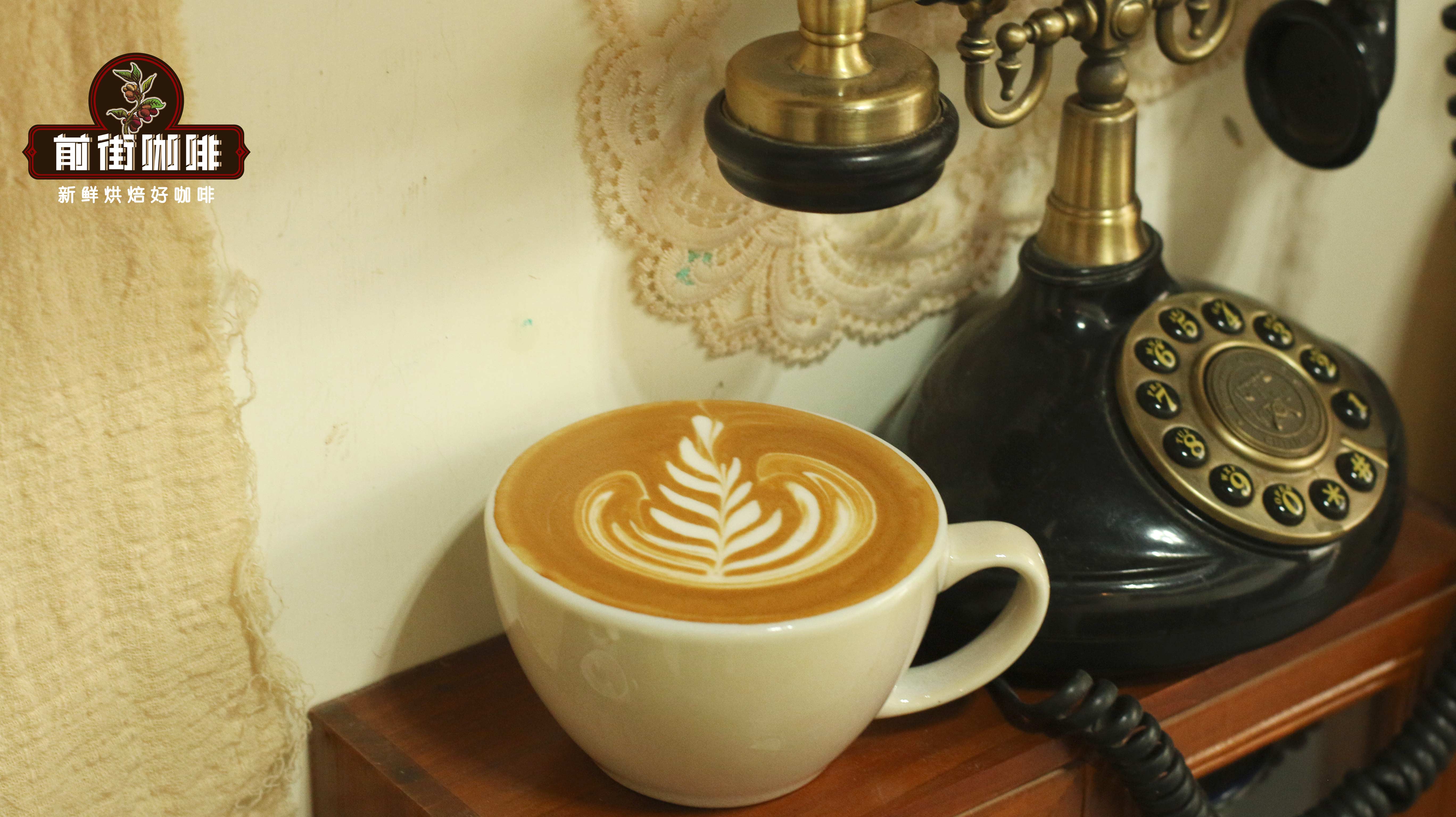
So, how is a latte actually made? In short, a latte is made by adding preheated and finely frothed milk to freshly extracted espresso. A common ratio is 1/3 espresso and 2/3 hot milk, with a small amount of milk foam used for latte art. The temperature and texture of the milk greatly affect the final flavor of the latte. Using hot milk can bring out the sweetness and rich creamy aroma of the coffee, often accompanied by a soft fermented wine-like scent, with a silky-smooth mouthfeel and an aftertaste that may carry notes of hazelnut or dark chocolate. If cold milk is used, it can create a fresher vanilla cream tone, with a mild berry acidity and nutty caramel notes in the finish.
As for the Americano, it is simply made by diluting freshly extracted espresso with hot or cold water. A common brewing ratio is 1 part espresso to 3 to 5 parts hot or cold water, but this can be adjusted according to personal taste. For example, some coffee enthusiasts who prefer a stronger taste will reduce the water ratio; conversely, if you want a lighter and smoother flavor, you can increase the water ratio. In the case of hot Americanos, you can often sense vanilla cream-like aromas, mild berry acidity, as well as the aftertaste of dark chocolate and caramel; ice Americanos tend to present a crisper whiskey-like aroma, with softened berry acidity and an aftertaste of hazelnut and chocolate.
Many people, when drinking an Americano for the first time, find it tastes rather bitter, even hard to swallow. In fact, this bitterness mostly stems from the extraction of the espresso itself. Since espresso has an intense flavor, if the extraction time is too long, the grind is too fine, or the coffee beans are not fresh, it can lead to over-extraction, making bitterness dominant. If you find your Americano too bitter, you can try increasing the water ratio to dilute it, which usually helps alleviate overly concentrated bitterness. But if it still doesn’t taste right even after increasing the water amount, then it’s recommended to re-examine the espresso extraction parameters, such as adjusting the grind size, water temperature, pressure, or extraction time, to achieve a more balanced overall flavor.
In summary, although both lattes and Americanos originate from espresso, one softens and enhances the flavor with milk, while the other adjusts concentration with water, offering distinctly different drinking experiences. Understanding their brewing principles and flavor compositions can not only help you order more satisfying drinks at coffee shops, but also lay a solid foundation for brewing espresso coffee at home. Whether you prefer the milk-forward richness of a latte or the pure black coffee flavor of an Americano, mastering these basic concepts can make your coffee experience richer and more refined.
The above content is compiled by CoffeeHunters, a coffee news website.


