







Introduction:Yirgacheffe is one of the most iconic coffee origins in the hearts of specialty coffee enthusiasts worldwide, renowned for its distinctive floral and fruity aromas as well as bright acidity. This article starts with the background of the origin, details the differences between washed and natural processing methods, and provides an in-depth analysis of the cupping characteristics and roasting recommendations of two classic beans. It also offers practical pour over parameters and a three-step pouring technique to help readers fully master the brewing essentials of this classic origin—beneficial for both beginners and advanced enthusiasts alike.
Yirgacheffe is not only a familiar coffee origin name but also synonymous with bright fruit acidity and floral-fruity aromas in specialty coffee. This small town located in the northwest of Ethiopia’s Sidamo region boasts a uniquely advantageous geographical environment, producing coffee with a refreshing taste and delicate layers. The washed and natural processing methods further endow Yirgacheffe with distinctly different flavor personalities.

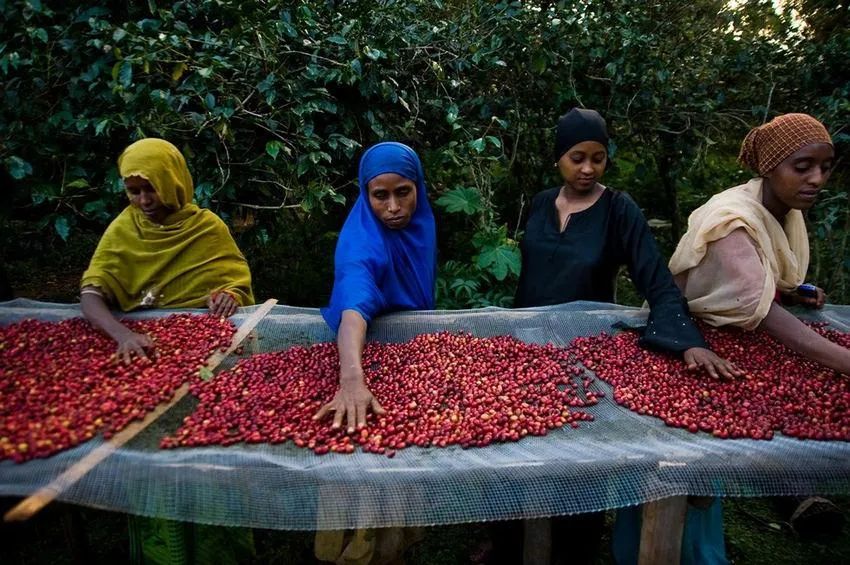
As the birthplace of coffee, Ethiopia’s smallholder farming model has always been a key feature of the industry. The country is home to approximately 1.2 million smallholder farming households, accounting for over 90% of coffee-growing areas, mainly divided into four cultivation systems: forest, semi-forest, garden, and large plantations. Due to scale limitations, farmers typically deliver harvested coffee cherries to nearby washing stations or cooperatives for unified processing, which are then sold under the name of the processing facility. The Yirgacheffe region adopts this cooperative model, operated by multiple small cooperatives to ensure stable bean quality with regional character.
Originally a high-altitude town under the Sidamo region, Yirgacheffe is situated in the Gedeo zone, at an altitude between 1,700 and 2,100 meters, making it one of the highest-altitude coffee-producing regions in Ethiopia. Its name originates from the local ancient language, where “Yirga” means peaceful and tranquil, and “Cheffe” refers to a swampy wetland—the overall meaning being “let us settle in this wetland.” The area enjoys mild year-round weather, morning mists, and abundant water sources, providing ideal conditions for washed processing and contributing to Yirgacheffe coffee’s unique bright citrus and floral characteristics.

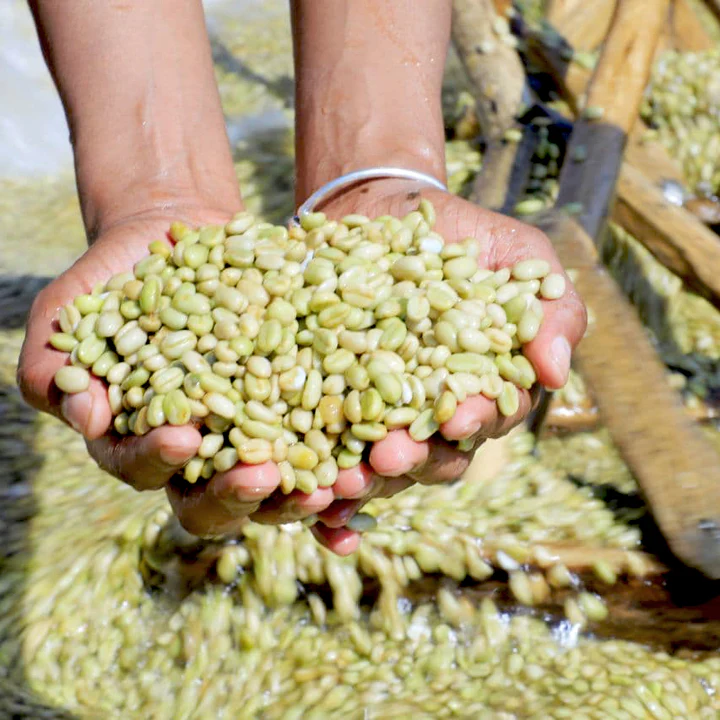
Among the representative washed process beans, the Konga Cooperative is widely praised for its traditional craftsmanship and consistent quality. Composed of 300 member farmers, this group adheres to a pure washed process: first removing unripe beans with a water tank, then mechanically stripping the pulp, fermenting in clean water tanks where natural acidity breaks down the mucilage, thoroughly washing the parchment beans with running water, and finally sun-drying them evenly. This process effectively reduces defective flavors while highlighting clean, bright acidity and delicate floral notes, often hailed as “the last pure land of Yirgacheffe.”
In contrast, the natural process Red Cherry coffee showcases a completely different bold and rich style. Sourced from the Aleta Wondo Farm, this bean is made from 100% fully ripe red cherries. Through the “Red Cherry Project” promoted by the Dutch company Trabocca BV, it incorporates professional cupping and technical upgrades, selecting only top-quality fruits from high-altitude microclimates and enhancing overall quality with premium equipment and financial support. The green beans are light yellow with plump particles, classified as G1 premium grade. During the natural drying process, they accumulate abundant sugars and fermentation aromas, ultimately delivering intense berry tones and a rich, sweet mouthfeel.
In terms of roasting performance, Yirgacheffe benefits from medium-light roasts to highlight its acidity profile. The washed Konga Cooperative is recommended for a light roast to preserve clean citrus acidity and white floral notes; the natural Red Cherry takes a medium-light roast to enhance berry acidity, sweetness, and fermentation layers. Before launching each bean, multiple cuppings are conducted to ensure optimal flavor balance across different roast levels.
The cupping profile of the washed Konga Cooperative features a dry aroma of passionfruit, citrus, and berries with fresh acidity, yielding a cup dominated by citrus and berry notes, accompanied by delicate almond and tea leaf undertones. The acidity is bright, and the mouthfeel is refreshing. The natural Red Cherry, on the other hand, exhibits rich berry sweetness and acidity, with evolving notes of berries, fermented fruit, and honey as the temperature drops. The finish offers a rounded texture reminiscent of black tea, with an overall smooth and full-bodied mouthfeel.
For hands-on pour over brewing, due to Yirgacheffe’s light roast characteristics, it is recommended to use freshly roasted beans (within 5 days of roast for optimal flavor), using hot water at 92–93°C to bring out its floral and fruity aromas. The recommended grind size is medium-fine (approximately 78% passing through a #20 sieve, similar to fine sugar granules); too coarse will lead to under-extraction, while too fine may cause bitterness. A coffee-to-water ratio of 1:15 to 1:16 is advised, adjustable based on personal taste preferences for strength.
Practical brewing tips use a V60 filter cone with a three-step pouring method: the first pour adds twice the coffee dose (about 30g) of water for a 30-second bloom to activate the coffee grounds; the second pour uses a slow stream to circle from the inside out up to 125g, with a brief pause; the third pour continues to 225g, with total extraction time controlled around 2 minutes. This method releases different flavor compounds in stages, highlighting Yirgacheffe’s distinctive bright acidity and layered complexity.
The brewed Yirgacheffe delivers an initial bright lemon and citrus acidity, followed by green tea and honey undertones. As it cools, notes of berries, cream, and sugarcane sweetness gradually emerge. The overall mouthfeel is clean and refreshing, with a long-lasting aftertaste—making it a classic entry-level choice for experiencing the flavors of Ethiopian specialty coffee.
The above content is compiled by CoffeeHunters, a coffee news website.


