







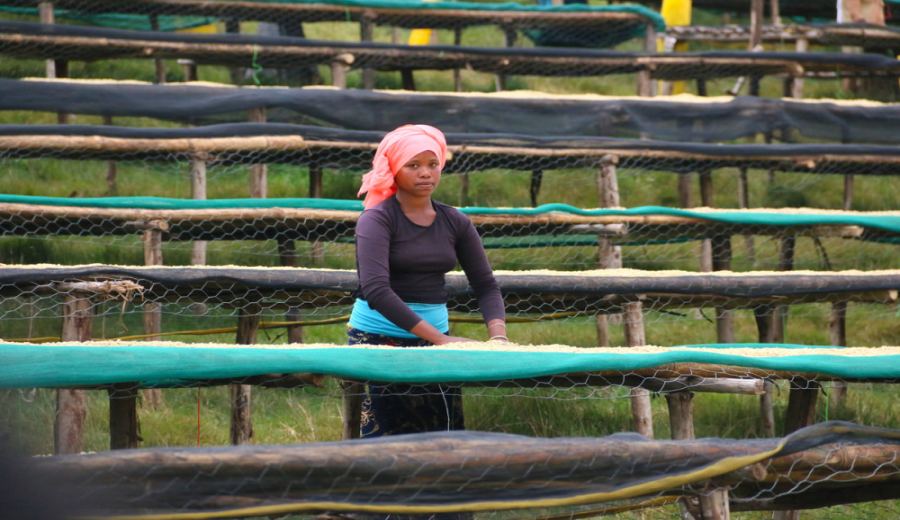
Introduction:Yirgacheffe Wolkka coffee is renowned for its distinctive floral and fruity aromas and bright acidity, making it a top choice for many coffee enthusiasts exploring specialty coffee for the first time. This article delves into this coffee originating from Ethiopia’s high-altitude wetlands, examining its history, terroir, and the evolution of washed and natural processing methods to uncover the sources of its captivating flavors. It also offers practical brewing suggestions and parameter references to help you fully appreciate the charm of this classic bean.
Ethiopia is hailed as the birthplace of coffee, and the Yirgacheffe region is one of the most representative chapters in this history. Nestled in a plateau wetland at an altitude of approximately 1,700 to 2,100 meters, the name Yirgacheffe means “let us settle in the wetlands” in the local language, perfectly reflecting its exceptional geographical environment. The area is perennially shrouded in mist, enjoys a mild climate, and benefits from the abundant moisture brought by Lake Turkana, Lake Abaya, and Lake Chamo, creating ideal conditions for growing Arabica coffee trees.
The history of Yirgacheffe Wolkka is a microcosm of coffee’s journey from Africa to the world.As early as the 15th century, coffee took root in Yemen, yet the export of seeds was strictly restricted. It wasn’t until 1616, when the Dutch successfully smuggled live coffee trees to Europe, that the foundation for global coffee cultivation was laid. As one of Ethiopia’s highest-altitude coffee-growing regions, Yirgacheffe’s unique microclimate and high elevation slow the growth of coffee trees but allow them to accumulate richer flavor compounds.
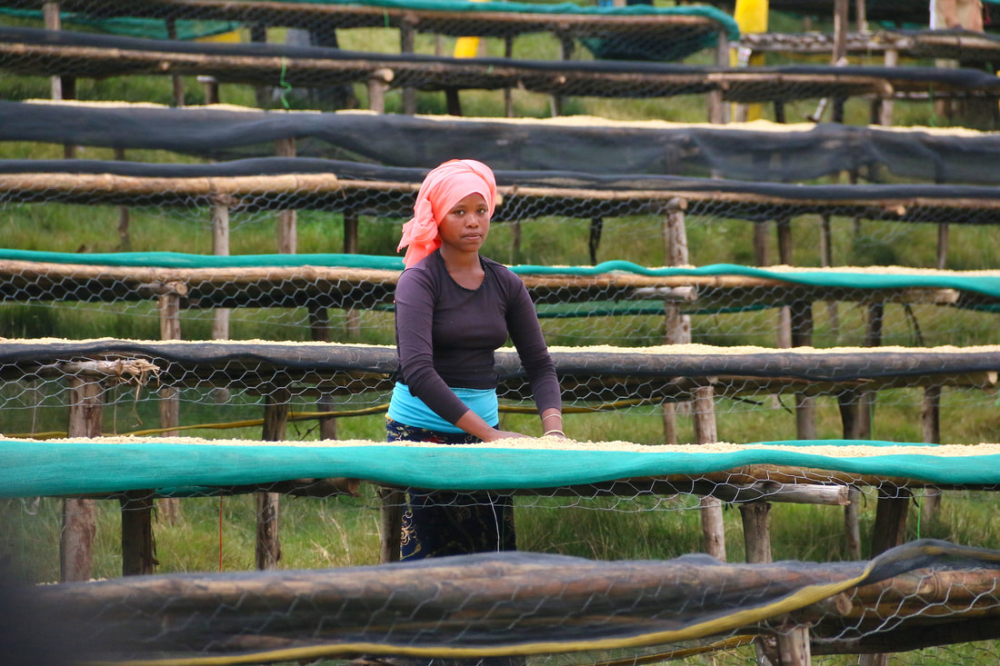
A certain brand’s Yirgacheffe Wolkka is a classic bean variety that fully showcases the characteristics of this region. Its dry aroma is intense, with a robust dried fruit scent such as fig and raisin, accompanied by the sweet fruity notes of strawberry, mango, and apricot jam. The moment the bag is opened, these aromas unfold layer by layer, as if stepping into a freshly harvested orchard. The wet aroma presents a thick, molasses-like apricot sweetness, subtly revealing the gentle textures of honey and chocolate, making one eager to brew and taste it.
In terms of flavor, this coffee has a medium body, with a bright and lively acidity resembling the refreshing feel of fruity black tea, yet without losing complexity. Rather than a strong impact, it offers a delicate sensation like a spring breeze on the face, with a long-lasting citrus and floral aftertaste. The finish is clean and leaves a sweet lingering impression. Without adding sugar or milk, one can better appreciate the purity and intricacy of its original flavors.
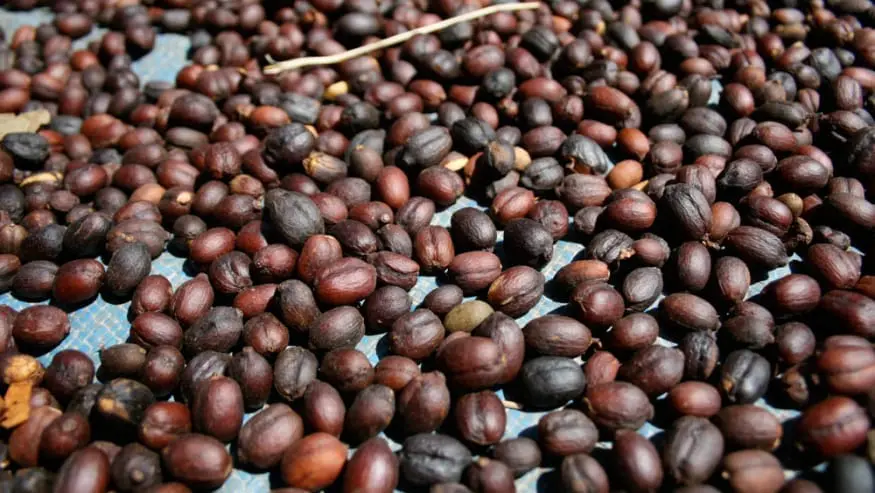
Looking back at the evolution of Yirgacheffe’s processing techniques is also a history of technological innovation and flavor exploration. In the early days, the region primarily used the traditional natural (sun-dried) processing method, where the entire coffee cherry was directly dried in the sun. Although this imparted a rich sweet and wine-like character to the coffee, the quality was relatively inconsistent. In 1972, Ethiopia introduced the washed processing technique from Central and South America, which involves removing the pulp and fermenting to eliminate the mucilage. This significantly improved the clarity and aromatic expression of the coffee, highlighting Yirgacheffe’s jasmine, citrus, and lemon notes, and solidifying its status as a representative of specialty coffee.
However, in recent years, the natural processing method has made a comeback, distinguished by higher standards of refinement. Modern natural Yirgacheffe involves selecting only fully ripe red coffee cherries during harvest and removing unripe and defective beans before drying. Over the two-week sun-drying process, temperature and humidity are continuously monitored, and moldy or damaged cherries are constantly removed. Once the fruit sugars are fully transformed and the moisture content is reduced to 12%, the beans undergo hulling, density grading, and manual sorting to ensure each bean meets high-quality standards. This processing method allows natural Yirgacheffe to retain intense fruitiness while also featuring a clean and bright mouthfeel.
In terms of cultivation, Yirgacheffe’s coffee is mostly grown by smallholder farmers, often intercropped with home gardens on mountain slopes. This small-scale, refined farming approach results in limited yields per household but maintains a high level of consistency in coffee quality. The local climate is mild with significant day-night temperature variations, causing the coffee trees to grow slowly and accumulate more sugars and aromatic compounds. This gives rise to a unique regional character—citrus, jasmine, peach-apricot, and subtle tea notes—traits that are often people’s first impression of the “Yirgacheffe flavor.”
If you wish to brew a certain brand’s Yirgacheffe Wolkka at home, it is recommended to use beans with a light to medium roast and opt for the pour over method to better highlight its floral and fruity profile.Recommended parameters are as follows: a coffee-to-water ratio of 1:15, a grind size between medium-fine and fine (similar to fine sugar granules), with water temperature controlled between 90–92°C.You may use the three-pour or center-pour method, with a total brewing time ideally between 2 minutes 30 seconds and 3 minutes, which can better present its refreshing acidity and delicate sweet aftertaste.
In summary, Yirgacheffe Wolkka is not only one of Ethiopia’s representative coffees but also an essential classic flavor that global specialty coffee enthusiasts shouldn’t miss. From its long history and unique terroir to the advancements in washed and natural processing methods, every step contributes to its rich and varied aromas and layered flavors. Whether you’re a beginner or a seasoned coffee connoisseur seeking new experiences, this coffee offers an unprecedented taste sensation.
The above content is compiled by CoffeeHunters, a coffee news website.


