







Introduction:The French press (also known as the French filter press or plunger pot) has become a daily favorite among many coffee enthusiasts due to its simplicity of operation and rich flavor profile. This article delves into the key brewing parameters of the French press, including the recommended roast level of coffee beans, an ideal coffee-to-water ratio of 1:14 to 1:18, an optimal water temperature range of 85–95°C, and a grind size similar to coarse brown sugar. It also provides clear step-by-step instructions to help you easily master this classic brewing tool and brew a cup of coffee with a rich crema and smooth mouthfeel.
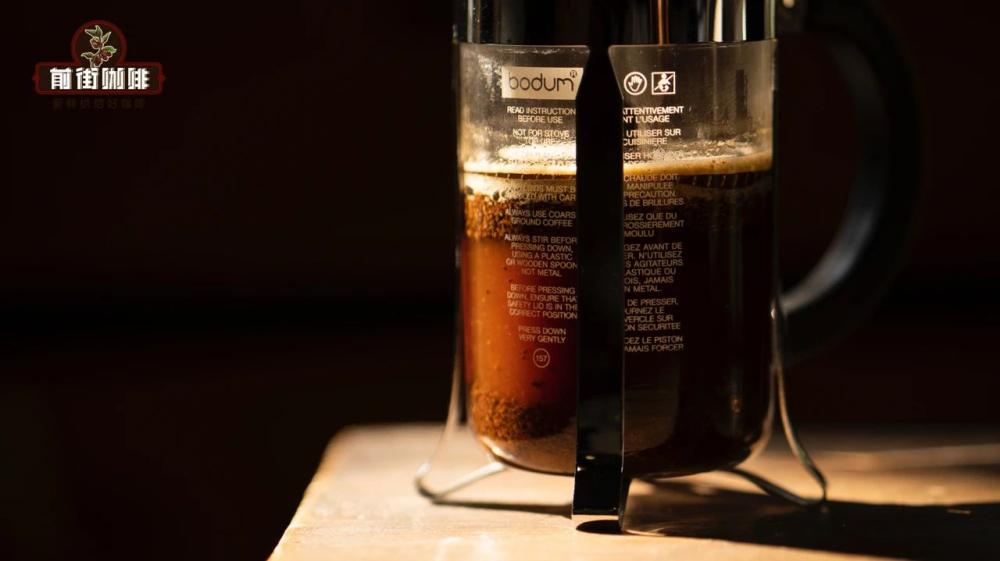
The French press, also known as the French filter press or "lazy pot," first appeared in France around 1850. Its design combines a heat-resistant glass carafe with a metal mesh plunger, effectively extracting the oils and aromas from the coffee while delivering a full-bodied and smooth drinking experience. Compared to brewing methods like pour over or siphon, the French press is not only more intuitive to use but also easier to consistently reproduce the same flavor profile, making it highly suitable for beginners or everyday use.
The popularity of this brewing device stems not only from its convenience and ease of use but also from its ability to fully showcase the inherent characteristics of the coffee beans. However, this also means it has relatively higher requirements for the quality and freshness of the beans. During the brewing process, the French press can release a variety of flavor compounds from the coffee, including sweetness, richness, and body. But it can also highlight the bean’s flaws, so using fresh, high-quality coffee beans is particularly important.
Among various brewing methods, the French press is the easiest to replicate. As long as you control the same beans, water temperature, water volume, and steeping time, different people can still produce coffee with similar flavor profiles — something that methods like pour over or siphon find harder to achieve. Therefore, the French press is also a preferred tool for many coffee beginners just starting out.
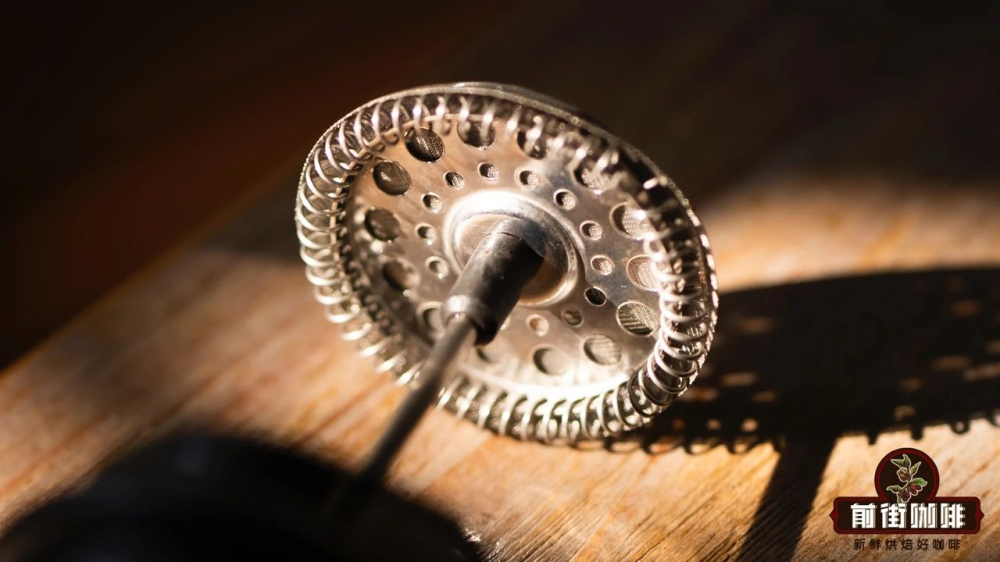
The French filter press primarily consists of a heat-resistant glass (or transparent plastic) carafe paired with a plunger that has a metal mesh filter at its base. It was originally often used to brew black tea, which is why some people also call it a “tea infuser.” However, today it is more widely used for coffee brewing, especially appealing to those who enjoy a bold taste and full flavor expression.
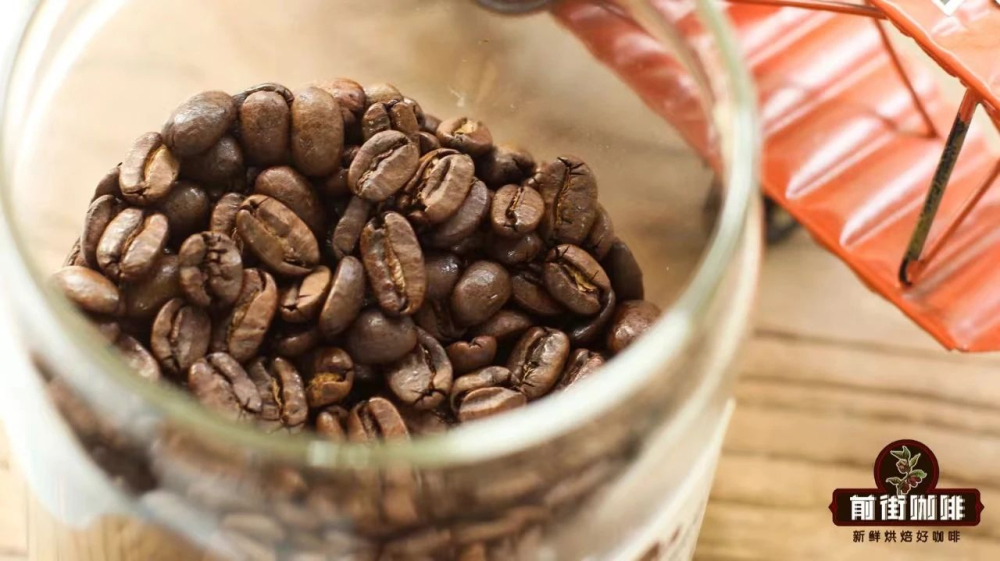
When brewing coffee with a French press, it is recommended to choose beans with a medium to dark roast or darker, such as those with distinct fruit notes, caramel sweetness, or a rich body, as they can more easily bring out a complex flavor profile. Coffee beans with flavors such as nuts, chocolate, or syrup typically perform exceptionally well under the extraction of a French press, creating a smooth and satisfying drinking experience.
Next, we will explain step by step how to use a French press to brew a great cup of coffee. Taking a two-person serving French press as an example, the generally recommended coffee-to-water ratio falls between 1:14 and 1:18. This means for every 1 gram of coffee grounds, you use 14 to 18 grams of hot water. You can make slight adjustments based on your personal taste preferences. If you prefer a stronger brew, you can go with 1:14 or 1:15; if you prefer a lighter taste, you can increase it to 1:17 or 1:18.
During operation, it is recommended to use a scale to accurately measure the ratio of coffee grounds to water. If your French press has volume markings, note that you should pour the water first and then add the coffee grounds to maintain the correct ratio. If the carafe does not have markings, using a weighing method is a more accurate approach.
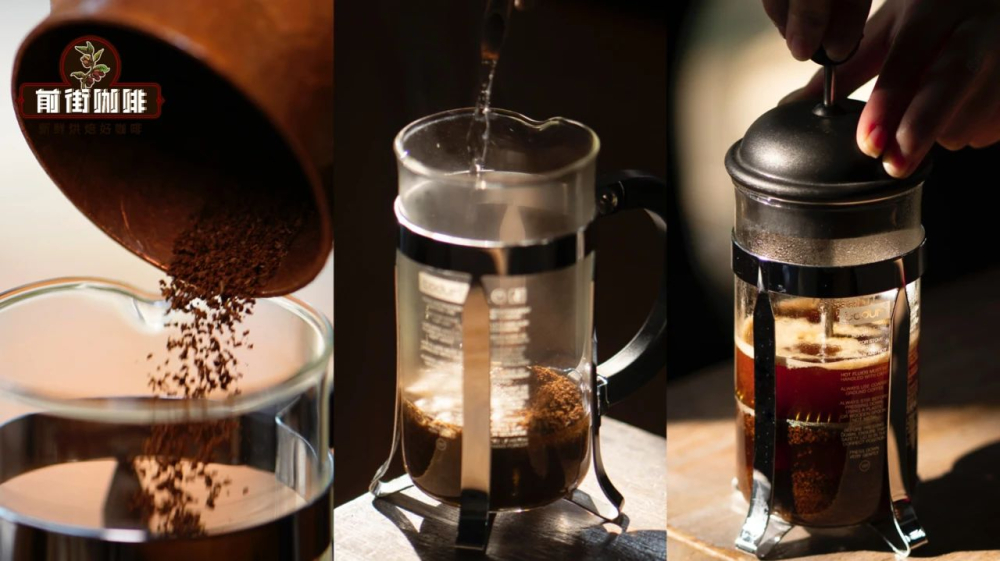
In terms of grind size, the French press recommends using coffee grounds with a coarseness similar to brown sugar — that is, a coarse grind level — and keeping the particle size as uniform as possible. This is because the French press uses a metal mesh filter with relatively large holes. If the coffee grounds are too fine, they can pass through the filter, leading to over-extraction and resulting in excessive impurities and bitterness. A moderate coarseness allows the hot water to evenly penetrate, fully extracting the flavors while avoiding problems of over-extraction.
The equipment needed for brewing coffee with a French press includes: a French press, a pour over kettle, a grinder, a thermometer, a scale, a timer, as well as freshly roasted coffee beans and a drinking cup. Once you have prepared the tools, you can begin the brewing process. The following are the specific steps:
1. First, use the scale to weigh about 20 grams of coffee beans (you can adjust the amount as needed).
2. Heat the water to 85–95°C. For light roast beans, it is recommended to use a slightly higher water temperature to bring out the aroma, while for dark roast beans, you can lower the temperature to reduce bitterness. Adjust according to your personal preference and the characteristics of the beans.
3. Pour the ground coffee into the preheated French press.
4. Start pouring the water. It is recommended to pour in a manner similar to pour over, evenly distributing the water in a circular motion to allow the coffee grounds to uniformly expand and extract.
5. Generally, it is recommended to pour about 300 grams (ml) of hot water, which equates to a coffee-to-water ratio of approximately 1:15. You can adjust within the 1:14–1:18 range to find the strength that suits your taste.
6. After pouring the water, stir gently to help the coffee grounds uniformly absorb the water, improving extraction consistency.
7. Place the lid on the French press, but do not press the plunger down yet. Let it steep for about 4 minutes. This stage is the main extraction period for the coffee, and the duration directly affects the strength and intensity of the flavor.
8. Once the time is up, slowly press the plunger down to the bottom of the carafe. Be sure to perform the action smoothly to avoid going too fast, which could cause fine particles to pass through the filter and affect the taste.
9. Finally, slowly pour the coffee liquid into your cup. Avoid vigorous shaking to prevent the settled coffee grounds from becoming suspended again, which could impact the final flavor.
10. Now you can enjoy this cup of coffee, rich in body and full of aroma, brought to you by the French press!
The above content is compiled by CoffeeHunters, a coffee news website.


