







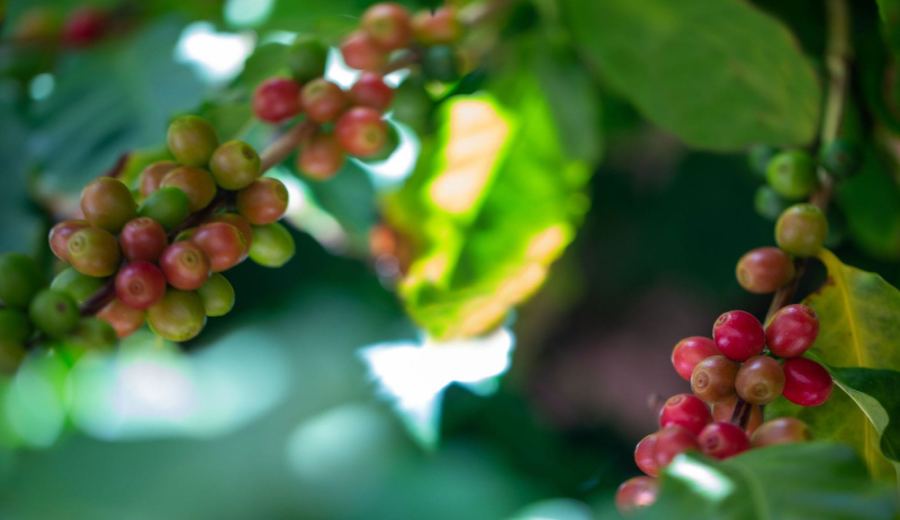
Introduction:A deep dive into the highly anticipated Ethiopian natural-process coffee bean, Sidamo Huakui 8.0. From regional terroir and varietal background to professional pour over recommendations, this guide helps you master the refined flavors of medium-light roasts. It details the unique conditions of the Guji region, the characteristics of native varieties, and provides practical parameters for grind size, water temperature, and brew ratio to fully unlock layers of berry, passion fruit, and malty black tea notes.
Although Sidamo and Yirgacheffe are both key regions for specialty coffee in Ethiopia, their flavor profiles differ significantly. This article takes you into the geographical and cultural backdrop of Sidamo, exploring how Guji and Hambella shape the distinct coffee character, while focusing on Huakui 8.0—a coffee renowned for its natural processing. We break down the secrets behind its enticing aromas of passion fruit, berries, and strawberries by examining varietal traits, processing methods, and optimal brewing strategies step by step.
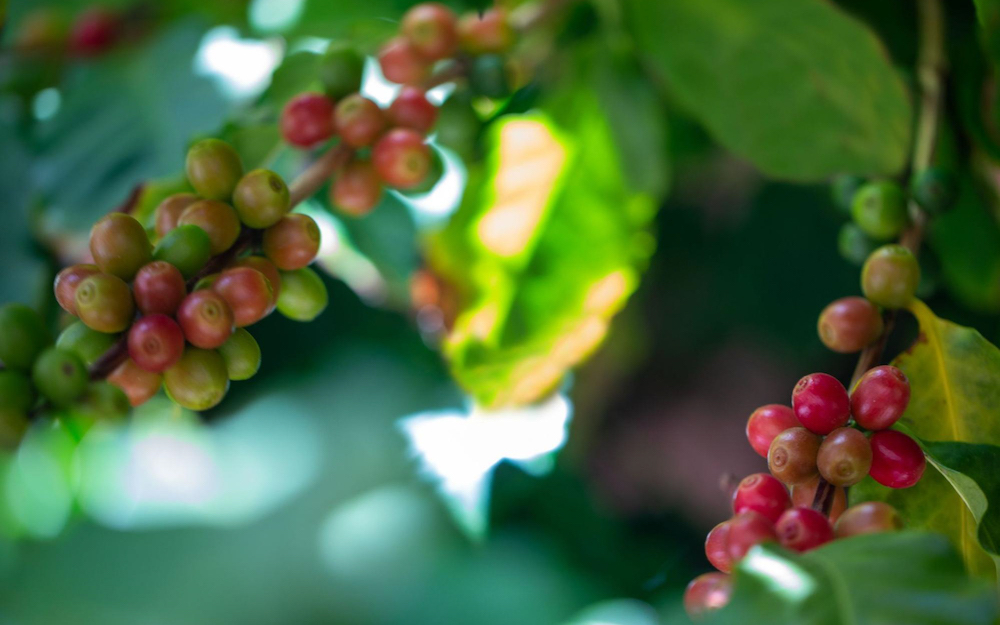
For coffee enthusiasts familiar with Yirgacheffe, it's not hard to notice that this region was originally part of Sidamo but was later administratively separated due to its distinctive flavor profile—particularly its clean, bright citrus notes. As a result, Yirgacheffe often presents a refreshing lemony acidity, while Sidamo is known for a richer, juice-like acidity with sweet and sour complexity. When asking for recommendations at a café, baristas typically clarify which acidity style you prefer—that’s the most intuitive way to distinguish between these two major regions.
Located in southern Ethiopia, Sidamo was officially upgraded to an independent administrative region in 2009 and boasts rich ethnic culture and unique geographical environments. Coffee farms are spread across both sides of the East African Rift Valley, where fertile soil and annual rainfall of up to 2000 mm provide ideal growing conditions. More importantly, the high altitude extends the growth cycle of coffee cherries, allowing the fruits to accumulate more complex flavor compounds. The two most famous areas within the region are Guji and West Arsi.
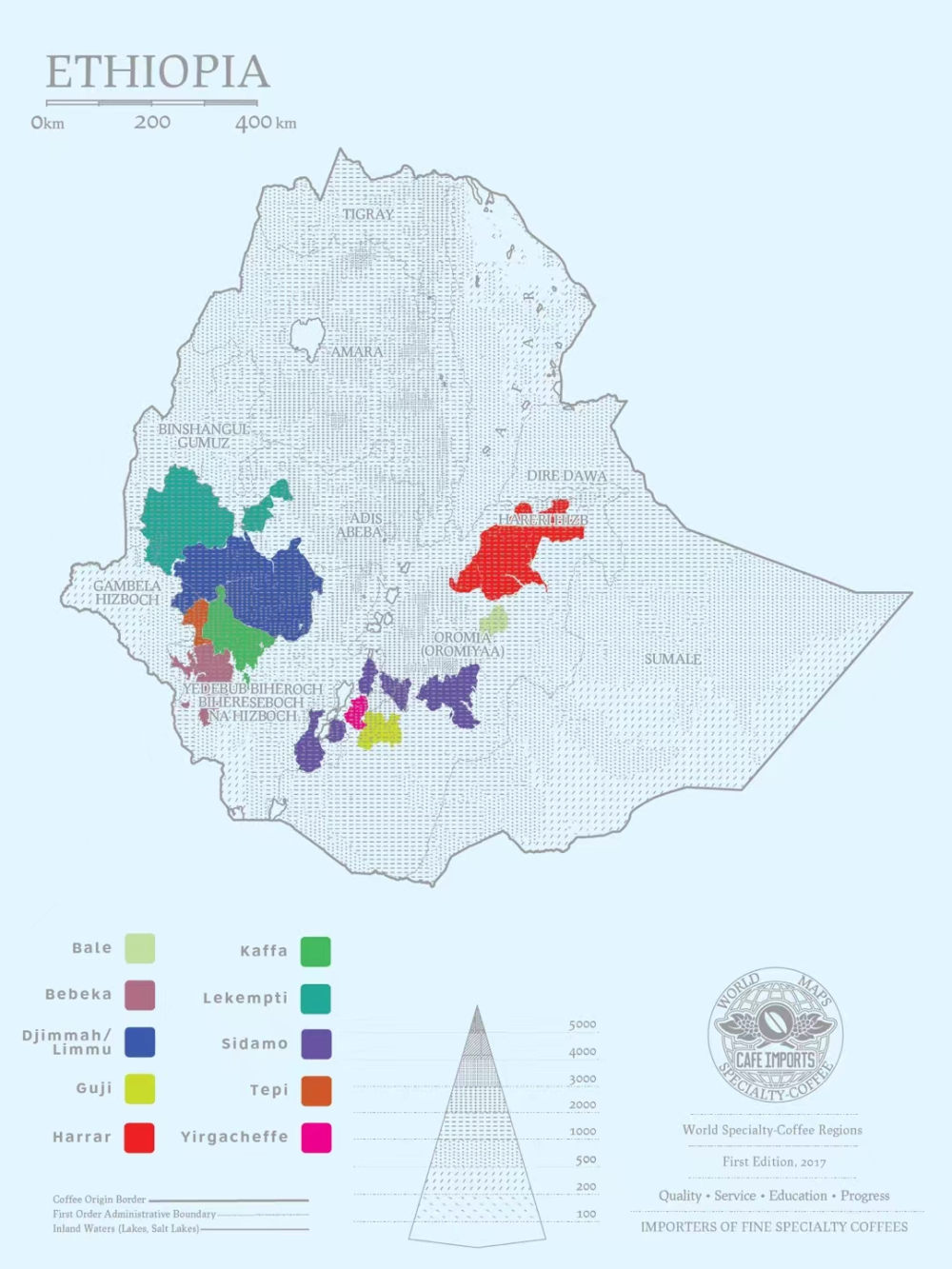
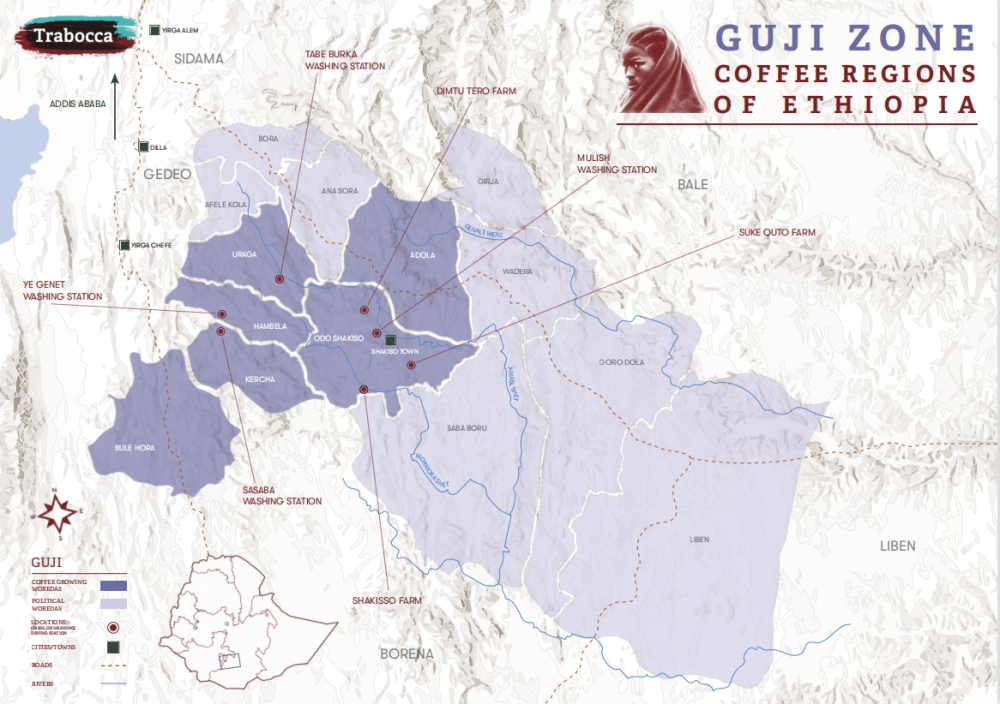
The Guji region was originally part of Sidamo until 2010, when its exceptional coffee quality led the Ethiopian Commodity Exchange (ECX) to elevate it to an independent producing zone. Geographically adjacent to Yirgacheffe, it features diverse terrain with fertile black soil up to two meters deep, aiding coffee roots in absorbing nutrients deeply. With an average elevation exceeding 1800 meters and significant day-night temperature variations, the region creates an ideal environment for high-quality coffee cultivation. Local farmers largely rely on natural organic nutrients such as fallen leaves and humus, using almost no chemical fertilizers, allowing coffee trees to thrive in a pristine environment.
It is worth noting that due to Ethiopia’s complex administrative divisions—structured into four levels: Region, Zone, woreda, and kebele—many coffee beans are named following this hierarchy. For example, Huakui originates from southeastern Yirgacheffe in Sidamo, and is administratively located in Oromia Region → Guji Zone → Shakisso woreda → Hambella.
Hambella lies at the border between Sidamo and Guji. Though under Guji’s jurisdiction, it faces Kochere in Yirgacheffe across the mountains, and includes peaks as high as 3200 meters, making it one of Ethiopia’s highest-altitude sub-regions. The Huakui coffee bean made its first appearance in 2017, when it was submitted by DW Company to that year’s TOH (Ethiopia National Taste of Harvest Competition) and won the championship, gaining instant fame. Its name, Hambella, is derived from this sub-region, and the beans come from a natural-process batch at the Guji Buku Abel washing station, which sources fully red cherries from surrounding farms.
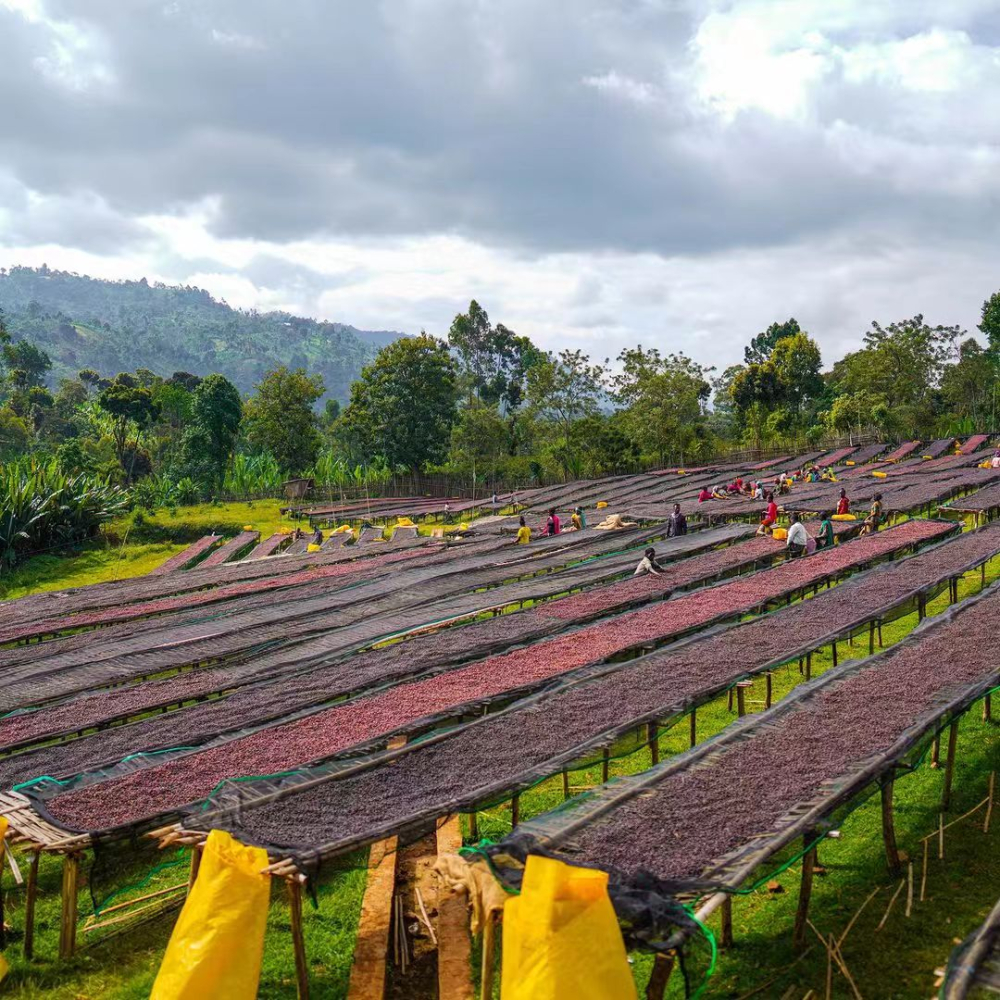
The main harvest season runs from December to January. Buku Abel requires farmers to pick only cherries with a sugar content of 30 or above, then carefully sun-dry them on African raised beds. Due to the large day-night temperature variation, shade is applied during midday to prevent over-fermentation, and plastic sheeting is used at night to guard against sudden rain showers. The coffee cherries are continuously turned throughout the day, with controlled stacking thickness to ensure even drying and avoid off-flavors from unwanted fermentation. After approximately 18 days, when the green bean moisture content drops to around 13%, hulling is carried out.
The Ethiopian Huakui 8.0 we’ve introduced is sourced from the Guji area of Sidamo, grown at altitudes between 2250 and 2350 meters, and is of local native variety processed via the natural method. Its flavor profile centers on passion fruit, berries, and strawberries, showcasing a rich and layered tropical fruit character. The so-called native variety refers to Ethiopia’s status as a coffee genetic repository, home to numerous varieties not yet fully classified or identified. Coupled with the government’s conservation considerations, detailed information isn’t publicly disclosed, hence these beans are commonly referred to as Heirloom native varieties in the market. These beans vary widely in size and shape, yet harbor boundless flavor potential.
Regarding grind size, it is recommended to use a Chinese No. 20 standard sieve as reference, aiming for an 80% pass-through rate—this equates to roughly setting 5 on an EK-43 grinder, with a coarseness similar to superfine sugar, suitable for medium-light roasted beans. Grind size directly affects water flow penetration and extraction efficiency. Too coarse may lead to under-extraction, while too fine can cause over-extraction and bitterness. If you don’t have a grinder at home, pre-ground service is an option, but bear in mind that ground coffee loses aroma quickly—brew as soon as possible for optimal flavor.
To fully highlight Huakui 8.0’s high-altitude traits and natural-process aromas, it’s advised to use freshly roasted beans and brew via V60 filter with water temperature at 92–93°C. The standard brew ratio is 1:15, using 15 grams of coffee, also ground at 80% through a No. 20 standard sieve. These parameters help balance sweetness and acidity, accentuating the juiciness of berries and the brightness of passion fruit, with a malty black tea-like finish that is rich and lingering.
The freshly ground coffee emits intense aromas of tropical fruits and honeyed sweetness. Upon brewing, you’ll immediately taste the sweetness and complex fruitiness of berries, coupled with the delicate texture of black tea—a medium-light roast specialty coffee that lingers long after the last sip. Be sure to adjust your equipment and technique according to the parameters above to fully enjoy the exceptional flavor expression of this highland gem from Hambella.
The above content is compiled by CoffeeHunters, a coffee news website.


