







Introduction:Yirgacheffe is Ethiopia’s most iconic high-altitude specialty coffee region, renowned for its bright acidity and distinctive floral notes. This article delves into its varietal genetics, the flavor differences between washed and natural processing methods, the region’s historical background, and provides practical pour over parameters and flavor profiles to help coffee enthusiasts better grasp the brewing and tasting essentials of this classic bean.
Although Yirgacheffe (Yirgacheffe) coffee beans may appear small in size, they possess highly recognizable flavor characteristics—bright lemon acidity, delicate floral aromas, and a green tea or honey-like sweetness in the aftertaste. As an important representative of Ethiopia’s specialty coffee, this region located in the Sidamo province generally sits at elevations above 1,800 meters, with some areas reaching as high as 2,100 meters, making it one of the highest-altitude coffee-growing regions in the world.
The Origins and Geographic Background of Yirgacheffe
Yirgacheffe was originally a small town in southern Ethiopia, and its name means “settled marshland” in the local ancient language. This area has long been a humid and foggy region, perfectly suited for coffee tree growth. In 2010, the Ethiopian government officially separated the region from the Sidamo region, establishing the “Yirgacheffe region” as a distinct entity and turning this place name into a familiar keyword in the specialty coffee world.
What are the local native varieties? Why are the beans relatively small?
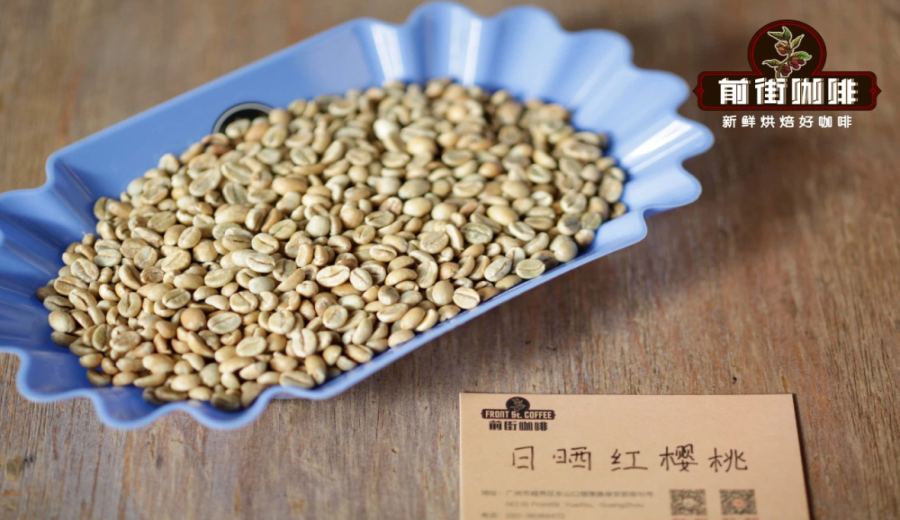
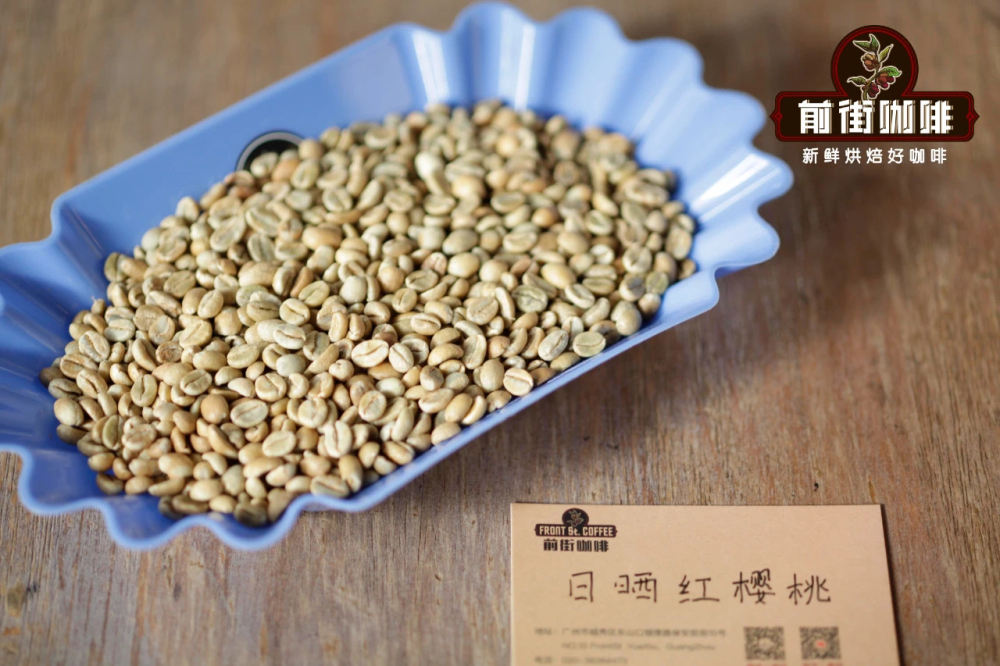
Many consumers notice that the variety listed for Ethiopian coffee is often labeled as “native variety (Heirloom).” In fact, Ethiopia has the world’s richest coffee gene pool, estimated to contain tens of thousands of varieties not yet fully genetically classified, most of which are the result of long-term natural crossbreeding. Due to the government’s efforts to protect genetic diversity, detailed variety information is not fully disclosed, so these are collectively referred to as “local native varieties.” These native varieties tend to be small in size and vary in shape, but they also carry rich and unique flavor potential.
Where do Yirgacheffe’s floral notes and acidity come from?
When mentioning Yirgacheffe, many people first think of the refreshing floral and citrus notes brought by washed processing. However, the region’s original processing method was actually natural (sun-dried). It wasn’t until the 1970s, when Ethiopia introduced washed techniques from Central and South America, that the acidity of the coffee became clearer and brighter, and the fruit and flower aromas more concentrated—laying the foundation for its status as a flagship specialty coffee. In recent years, natural Yirgacheffe has made a comeback. Through strict selection of red cherries and prolonged fermentation of the fruit pulp, it imparts richer fruitiness, sweetness, and fermentation complexity to the beans.

Flavor Differences Between Washed and Natural Processing
The washed process first removes the coffee cherry’s skin and pulp, then ferments the beans in clean water to remove the mucilage before sun-drying them. This method results in cleaner flavors with bright acidity, commonly featuring notes such as lemon, citrus, white flowers, and a gentle black tea-like finish. In contrast, the natural process involves drying the entire coffee cherry for an extended period, allowing the sugars and flavor compounds from the pulp to penetrate the beans. As a result, it often exhibits berry, honey, wine-like aromas, and intense sweetness, with softer and more layered acidity.
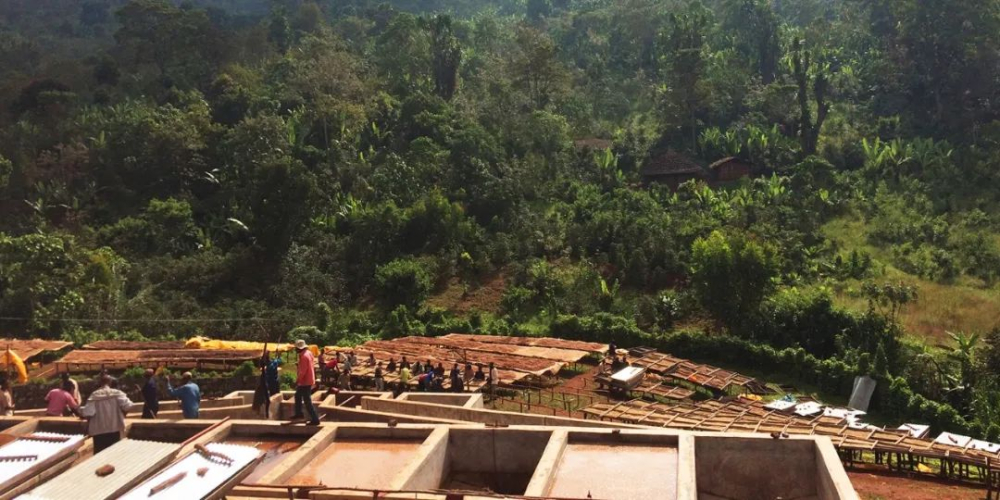
Natural processing places extremely high demands on harvesting and handling, requiring multiple rounds of manual sorting to remove unripe, defective, or moldy cherries, along with constant turning during drying to ensure even moisture loss, ultimately achieving around 12% moisture content to produce its pure yet intense flavor profile.
Regional Cooperatives and Processing Factory Models
Coffee production in the Yirgacheffe region is mostly carried out by smallholder farmers, who typically deliver their harvested cherries to local cooperatives for unified processing. Currently, there are several well-known cooperatives in the area, such as the Gedeb Cooperative, Aletaland Cooperative, Worka Cooperative, and Kochere Cooperative. These cooperatives operate their own processing facilities, overseeing key steps such as pulping, fermentation, and drying to ensure consistent quality. The coffee is ultimately sold under names such as “Yirgacheffe XX Cooperative Processed.”
Pour Over Parameters for Yirgacheffe
For brewing Yirgacheffe, it is recommended to use a medium-light roast to highlight its bright acidity and fruity-floral aromas. Practical pour over suggestions are as follows: use a V60 filter cone, control the water temperature at around 90°C, and aim for a coffee-to-water ratio of 1:15—for example, 15 grams of coffee grounds to 225 grams of water. The grind size can be roughly 80% through a Chinese No. 20 sieve (equivalent to a medium-fine grind). Use a pulsed pouring technique: start with a 30-second bloom using twice the amount of coffee grounds’ weight in water (about 30 grams) to degas and initiate extraction, then pour in a circular motion with a slow stream until reaching 125 grams, pause briefly, and continue pouring up to the total of 225 grams. The total brew time should be kept around 2 minutes. Finally, gently swirl the coffee before pouring it into your cup to experience its layered flavors more evenly.
Summary of Flavor Characteristics
Washed Yirgacheffe typically showcases bright lemon acidity, light white flowers, honey-like sweetness, and a delicate tea-like mouthfeel, with a clean and refreshing finish. In contrast, the natural version offers rich berry, citrus, and strawberry aromas, along with fermentation wine notes and intense sweetness, complemented by soft and nuanced acidity. Both processing methods have their unique merits, and you can choose based on personal taste preferences.
In summary, Yirgacheffe is not only the essence of Ethiopian coffee but also a classic region that global specialty coffee enthusiasts shouldn’t miss. Whether you’re just starting out or looking to refine your tasting skills, understanding its regional characteristics, processing differences, and ideal brewing parameters will allow you to better appreciate the unique charm of this coffee.
The above content is compiled by CoffeeHunters, a coffee news website.


