








Introduction:Although Americano may seem simple at first glance, it actually carries a rich history and technical background—from its origins during World War II, the difference between drip and espresso-diluted methods, to coffee bean selection and precise extraction parameters—all of which are worth exploring in depth. This article will provide a detailed introduction to the definition of Americano, the differences between two common preparation methods, and using an actual blend as an example, break down key steps such as the grind size, tamping, and extraction of espresso. We’ll further examine how water-to-espresso ratios of 1:6 and 1:8 impact flavor and mouthfeel, helping you master the essence of this classic black coffee.
Americano is not only one of the most commonly consumed black coffees in daily life but also carries historical roots from World War II. From the high-concentration espresso preferred by European soldiers to the addition of water by American troops to create a more palatable taste, this “Americano” was thus born. Nowadays, whether ordering a Caffè Americano at an Italian café or brewing it at home, one can appreciate the unique charm of this coffee.
The two most common types of Americano found on the market are: one made by directly extracting black coffee using a drip coffee machine, and the other by diluting espresso with a large amount of hot water. The latter is more prevalent and is the version of Americano most people are familiar with. This brewing method not only balances the intense flavor of espresso but also gives drinkers more room for personal adjustment.

When it comes to making Americano with espresso, the key lies in the extraction quality of the espresso itself. A good-tasting Americano is entirely dependent on stable and precise espresso extraction. This includes bean selection, grind size, tamping technique, water temperature control, and most importantly, the coffee-to-water ratio. Each step directly affects the final flavor profile.
Taking a common coffee blend as an example, this recipe consists of 70% Honduran Sherry and 30% Ethiopian Natural Red Cherry, delivering a rich profile that combines wine-like aromas with berry acidity. The Honduran beans undergo sherry cask fermentation, imparting a strong winey character and caramel sweetness; whereas the Ethiopian beans are known for their bright berry acidity and dried fruit finish. Together, they form a solid flavor foundation for the Americano when used as the espresso base.
In practice, controlling the dose and tamping pressure is extremely important. If the grind is too coarse, water flows through too quickly, often leading to under-extraction, resulting in a thin flavor with sharp acidity. Conversely, if the grind is too fine, over-extraction can easily occur, producing noticeable bitterness and smokiness. Additionally, the tamping force must be well-controlled—use the tamper to apply even and vertical pressure to compact the coffee puck, avoiding uneven pressure that could affect flow rate and flavor balance.
Generally speaking, standard parameters for extracting espresso can be set as follows: extraction pressure around 9 bar (±2), water temperature controlled between 90.5 and 96 degrees Celsius, extraction time approximately 20 to 30 seconds, and coffee-to-water ratio recommended to stay within 1:1.7 to 1:2. For a double shot, using about 20 grams of coffee grounds typically yields around 40 milliliters of espresso, serving as an ideal base for making Americano.

After completing the espresso extraction, the next step is to mix it with hot water at a specific ratio to create the familiar Americano. A common espresso-to-water ratio is 1:8, but actual testing has shown that this ratio may not suit all coffee beans. Taking the aforementioned blend as an example, when diluted at a 1:8 ratio, the flavor often becomes overly light, with a short aftertaste, and an overall watery mouthfeel lacking in complexity.
In contrast, adjusting the ratio to 1:6 not only retains the aroma and body of the espresso but also more fully showcases the winey notes and dark chocolate finish, resulting in a rounder and fuller mouthfeel. Therefore, it’s recommended to experiment with different dilution ratios based on the characteristics of the coffee beans used, in order to find the blend that best suits your taste.
When drinking Americano, it’s recommended to subtly perceive its flavor changes. First, bring your nose close to the cup to appreciate the tropical and roasted aromas released right after brewing. Next, observe the color of the coffee—the ideal hue should be deep brown, not pitch black and lifeless. Finally, take small sips, letting the coffee linger in your mouth briefly to experience the balance of acidity, sweetness, and bitterness, as well as the performance of the aftertaste. If you prefer a sweeter or smoother flavor, you can also adjust the taste to your liking by adding a small amount of spices, sugar, milk, or even a bit of soda.
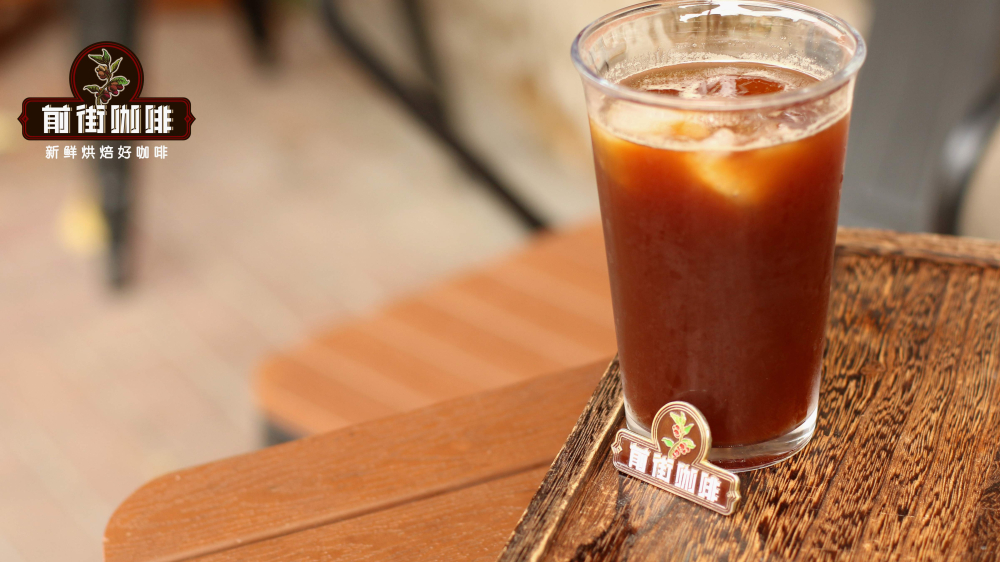
Additionally, there are notable sensory differences between hot Americano and iced Americano. Hot drinks better release the aromatic molecules of coffee, offering a richer olfactory experience and prolonged aftertaste, making it ideal for situations where you want to deeply appreciate the coffee’s flavors. Iced Americano, on the other hand, due to its low temperature, delivers a refreshing and thirst-quenching sensation, particularly suitable for hot weather or when you need a quick pick-me-up. Both methods have their strengths, and consumers can choose based on the situation and personal preference.
The above content is compiled by CoffeeHunters, a coffee news website.


