








Introduction:The flavor profiles of specialty coffee around the world are primarily defined by three major producing regions: Africa, Latin America, and Asia. These regions not only vary greatly in terrain and climate, but also nurture uniquely characteristic coffee varieties and processing methods, resulting in distinct differences in acidity, sweetness, body, and aroma profiles. This article delves into the representative countries and typical flavor characteristics of these three regions, and includes pour over parameter recommendations to help you choose coffee beans that suit your taste and further enhance your coffee tasting experience.
The native environment of coffee trees is mainly concentrated near the equator, so the world's major coffee production zones are located between 15 and 25 degrees north and south latitude, an area known in the industry as the "Coffee Belt." This belt encompasses over fifty countries, but when it comes to regions with distinctive flavor profiles, diverse bean varieties, and cultural significance, Africa, Latin America, and Asia stand out. Each region, influenced by its geographical environment, climate conditions, variety characteristics, and processing techniques, often produces coffee beans with vastly different taste profiles.
African Region: Representative of Bright Acidity and Abundant Floral Notes
As the birthplace of Arabica coffee, Africa not only possesses the most original coffee gene pool, but also still maintains numerous wild varieties that have not been commercially named. The most prominent features of coffee from this region are pronounced fruit acidity, vibrant floral notes, and refreshing, varied fruit tones, though body and sweetness are generally more subtle.
Ethiopia, as the cradle of coffee genetics, produces beans from the Yirgacheffe region—such as the commonly seen Yirgacheffe Guji Dingding—that are renowned for their high-end fruit acids like citrus and berries, along with a light tea-like body. Upon tasting, they often present notes of black tea and lemon, gradually revealing creamy, caramel, and almond-like soft aftertastes as the temperature drops. They are suitable for drinkers who enjoy a clean acidity and delicate aromas. For pour over, it is recommended to use a medium-light roast, a medium-fine grind, a water temperature of about 90–92°C, and a multi-pour extraction method to preserve its refined aromas.
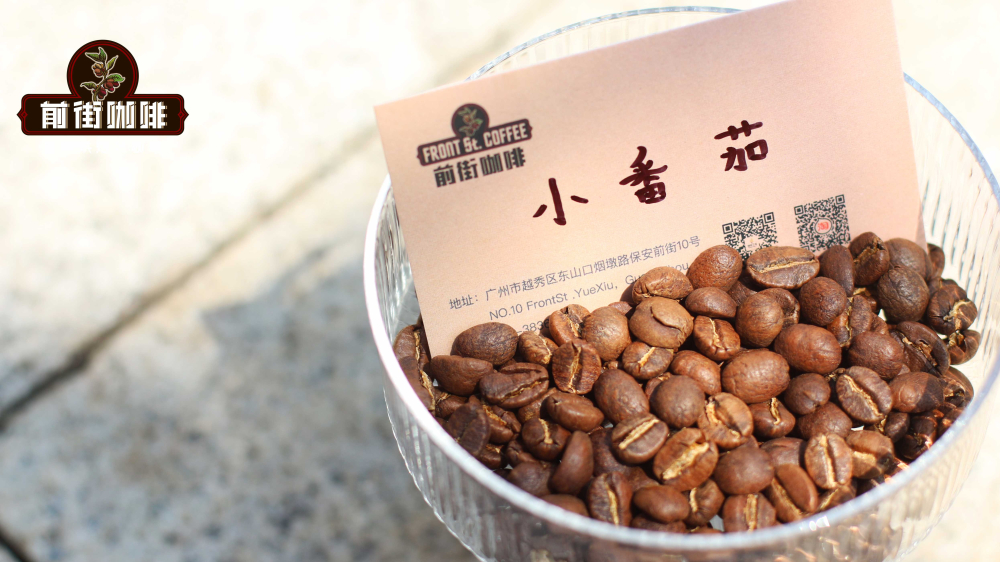
Kenyan coffee, on the other hand, is known for its intense berry acidity and unique tomato and dark plum flavors. For example, a certain shop’s Kenya Little Tomato has a wet aroma with rich notes of ripe tomato and floral scents, bright acidity, and a clean taste, with a medium-light body. However, the juicy sensation and sweetness in the mid-palate are impressive. The aftertaste continues to exude berry and brown sugar notes, with a lingering green tea freshness at the end, making it suitable for consumers who prefer high acidity and a juice-like mouthfeel.
Yemeni Mocha varieties, although their name is associated with chocolate, are actually one of the few African regions that do not emphasize acidity. Their beans often carry rich layers of chocolate and spices, and even a hint of grape acidity that lingers subtly at the end. The body is full and the aftertaste is long-lasting, with flavors reminiscent of Middle Eastern milk tea. A medium-dark roast is recommended to highlight the depth of its aroma. For pour over, it is advised to use a slightly lower water temperature (around 88–90°C) to reduce the risk of over-extraction.
Latin American Region: A Model of Balanced Body and Chocolatey Notes
Located along the Pacific Ring of Fire, Latin America benefits from fertile soil, abundant rainfall, and the significant day-night temperature variations of its high-altitude mountainous areas. As a result, coffee beans from this region generally possess stable quality and a good balance of acidity and sweetness. The dominant processing method is washed, which results in clean, clear, and well-layered flavor profiles, often accompanied by a solid foundation of cocoa, nuts, and dark chocolate.
Brazil is the world’s largest coffee producer. Its Queen Estate Yellow Bourbon is known for its low acidity, rich nutty and dark chocolate aromas, making it suitable for drinkers who enjoy a full-bodied taste but do not prefer strong acidity. This coffee has a mild lemony note upon entry, followed by distinct layers of black chocolate and nuts in the mid-to-late stages, offering an overall smooth and rounded profile. It is an excellent choice as a daily drinker or as a base for blends. For pour over, it is recommended to use a medium-dark roast, with water temperature controlled at 90–91°C, and a slightly coarser grind to avoid over-extracting unwanted impurities.
Colombia’s Caturra variety shows a more vibrant side, with flavors that include grapes, passion fruit, apricot, and almonds, paired with a moderate body and fermentation character. The aftertaste finishes with a gentle touch of dark cocoa. This coffee is best presented with a medium-light to medium roast. For pour over, it is suggested to use water at around 91°C, a medium-fine grind, and an extraction time of about two minutes to bring out its fruity notes and sweetness.
Panama’s Hartmann Estate is well-known for its unique wine-like acidity and bright tropical fruit tones, often accompanied by the richness of wine and honey-like sweetness. Upon cooling, the aftertaste highlights notes of brown sugar and nuts. Such coffees benefit from high-altitude cultivation and honey processing. For pour over, a medium-light roast is recommended, with water temperature at 90–92°C. A fine grind and a multi-pour technique help to highlight its complex layers.
Asian Region: Representative of Full-Bodied, Rich Aromas and Low Acidity
The Asian region mainly includes Indonesia, Vietnam, India, and Yunnan in China. Coffee beans from this area generally have a thick, full body, but less pronounced acidity. In terms of aroma, they often feature herbal, woody, or earthy notes. This region mostly employs semi-washed or wet-hulled processing methods, which further enhance its deep and layered aromatic characteristics.
Indonesia’s Golden Mandheling is a representative product, characterized by a full-bodied mouthfeel, herbal aromas, and rich notes of caramel and nuts, with a long-lasting and layered aftertaste. Such coffees are usually presented with a medium-dark roast and are suitable for users who prefer a deep and steady taste. For pour over, it is recommended to use medium-dark roasted beans, with water temperature around 88–90°C, a slightly coarser grind, and a longer extraction time to stabilize the flavor output.
China’s Yunnan has emerged in recent years as an emerging specialty coffee region. Its Typica variety offers notes of melon, nuttiness, and a subtle black tea character, with mild acidity and rich layers. It is suitable for medium-light roasting. For pour over, it is recommended to use water at around 90°C, a medium-fine grind, which can fully showcase the balance between its fruity notes and sweetness.

The above content is compiled by CoffeeHunters, a coffee news website.


