








Introduction:Papua New Guinea’s specialty coffee is renowned for its high altitudes and volcanic soils. Among them, the Typica washed beans from Heaven Bird Estate are hailed as “Little Blue Mountain” due to their lineage tracing back to Jamaica Blue Mountain. This article will explore the local growing environment, coffee grading system, and provide an in-depth look at the cultivation history and flavor profile of Sigri Heaven Bird Estate, helping you better understand this clean, pour-over-friendly Asian specialty coffee.
Located in the South Pacific, Papua New Guinea cultivates uniquely distinctive specialty coffee thanks to its island climate and high-altitude volcanic soils. One of the most notable varieties is the Typica washed beans originating from Jamaica Blue Mountain. With its bright and clean flavor, it is affectionately called “Little Blue Mountain” by coffee enthusiasts. This Little Blue Mountain coffee from Heaven Bird Estate, withan elevation of 1600–1800 meters, is processed via the washed method and presents a sweet profile reminiscent of toasted bread, with notes of nuts and soft citrus acidity, and a lingering finish of subtle spices and caramel — making it highly favored by pour-over lovers.
 While many have heard of the rich flavors of Jamaica Blue Mountain coffee, the coffee from Papua New Guinea, hailed as “Little Blue Mountain,” remains relatively less known. In fact, this coffee not only shares a similar island climate but also benefits from high altitudes and volcanic soil, resulting in a bright, clear flavor with gentle fruit acidity — especially well-suited for medium-light roasts. If you’re a fan of Blue Mountain flavors, why not try these Typica washed beans from Heaven Bird Estate to experience its unique, clean complexity.
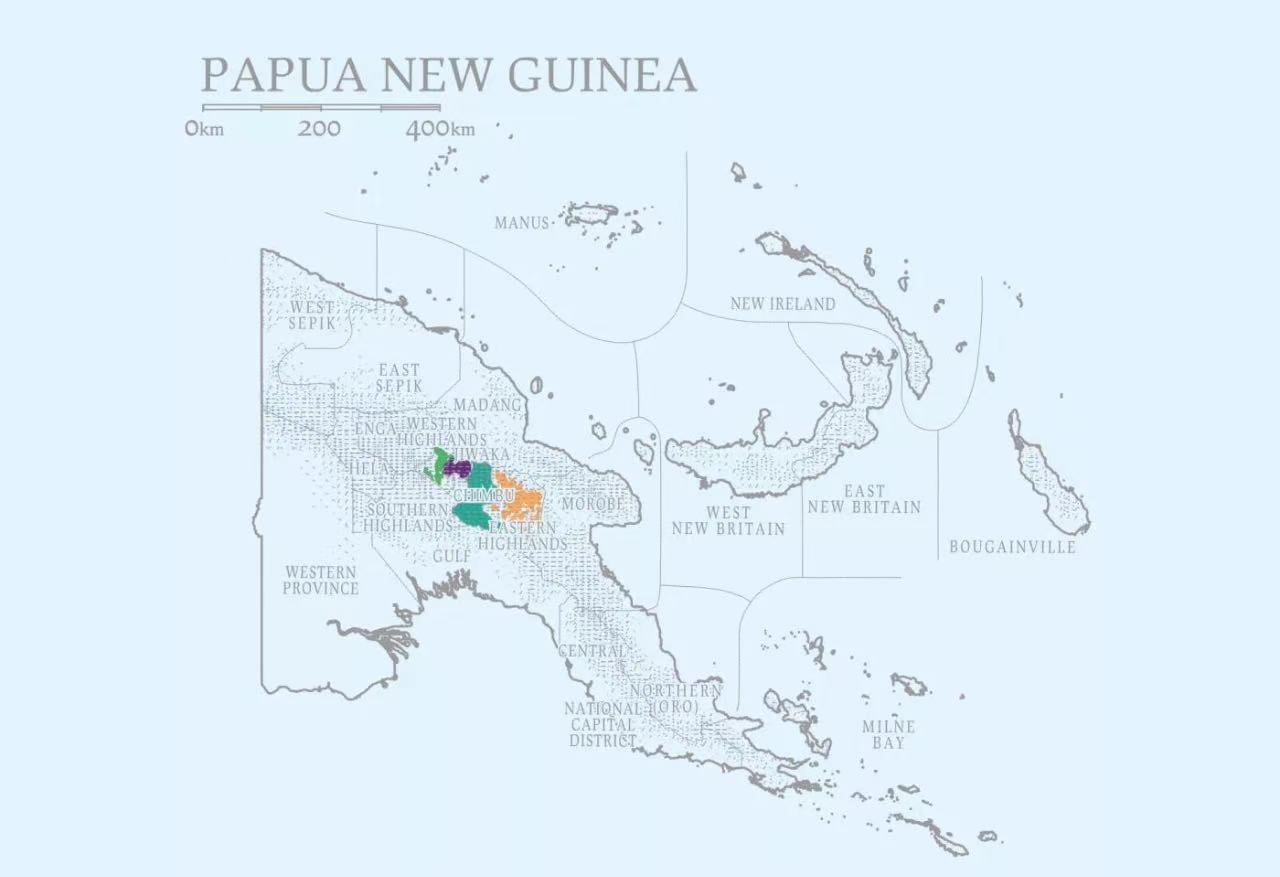
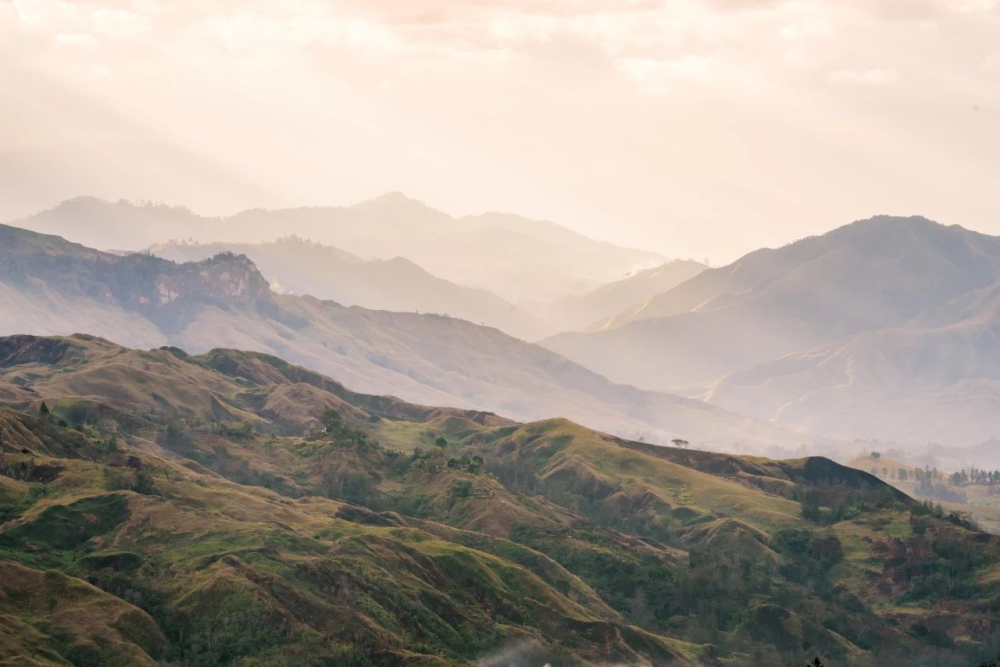
Although an island nation, Papua New Guinea boasts abundant natural resources and diverse cultures. The entire country still retains thousands of native languages and traditional customs, and its natural environment is one of the least heavily developed regions in the world,which also helps preserve the most original aromas and flavors in the local coffee cherries. Geographically, the country lies between the equator and 10° south latitude, enjoying stable year-round weather typical of an island climate. Elevation generally ranges between 1200 and 2500 meters, and frequent volcanic activity has created mineral-rich soils — all of which together contribute to the birth of high-quality coffee.
 Tracing back to the origins of coffee cultivation in Papua New Guinea, it dates as early as 1931. At that time, the British colonial authorities introduced the Typica variety from Jamaica, the same variety that forms the foundation of the famous Jamaica Blue Mountain coffee. Due to the close ties between Australia and Britain at the time, this batch of Typica successfully took root locally and became a key cornerstone for subsequent specialty coffee development. By the 1950s, the Bourbon variety was introduced from Kenya, another product of British colonial influence. Then, in 1962, varieties such as New World and Caturra were brought in from Brazil, significantly improving the local coffee quality and gradually establishing its presence in the global specialty coffee market.
When it comes to the specialty coffee regions of Papua New Guinea, the main areas include the Waghi Valley in the Western Highlands and several renowned estates in the Eastern Highlands. Among them, Sigri Heaven Bird Estate (also referred to as Heaven Bird Estate) is located in the Western Highlands Province and is one of the oldest coffee estates in the region, established in 1950 with over sixty years of cultivation history.Nestled at an altitude of around 1500 meters in the Waghi Valley, the estate enjoys a cool climate, abundant rainfall, and nutrient-rich volcanic soils — providing ideal growing conditions for coffee.
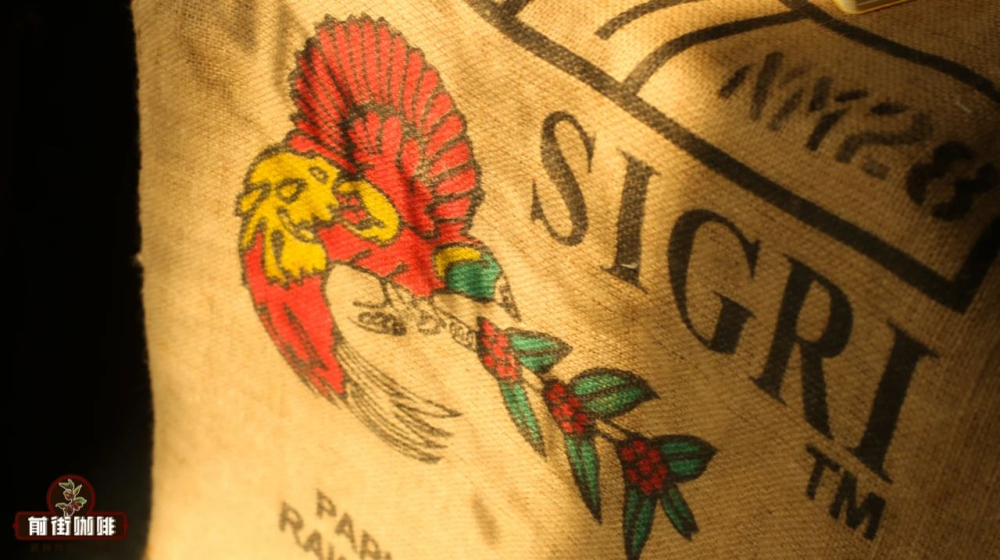
 The name “Heaven Bird Estate” is closely tied to its exceptional ecological environment. Statistics show that the Waghi Valley is home to over 160 bird species, of which up to 90 inhabit Heaven Bird Estate, including Papua New Guinea’s national bird — the bird of paradise. For this reason, in addition to being famous for its coffee, the estate places strong emphasis on ecological conservation, adhering to pesticide- and insecticide-free practices to maintain sustainable soil and water resources. Furthermore, the Typica variety grown at Sigri Estate, sharing similar island climate, altitude conditions, and volcanic soils with Jamaica Blue Mountain, is thus dubbed “Little Blue Mountain.” This title is not just a nod to its origin, but also represents the purity and high standard of its flavor.
Papua New Guinea’s coffee bean grading system is similar to Kenya’s, primarily classifying beans based on size and appearance. While bean size is not the sole determinant of flavor, it still holds significance for production consistency and roasting performance. Below are the common grading standards in the country:
- Grade E: Flat beans larger than 19 screen size, commonly known as “elephant beans,” and the largest in size.
- Grade AA: 17–18 screen size (approximately 7.2–8.2mm), considered high-quality large beans.
- Grade AB: 16–17 screen size (approximately 6.2–6.8mm), the most common grade on the market and the highest in yield.
- Grade PB: Peaberry beans, containing only one round seed per cherry, sized approximately 4.7–6.6mm, with a unique shape.
- Grade C: Below 14 screen size (approximately 4.0–6.3mm), smaller in size and typically not considered specialty grade.
- Grade TT: Light beans screened from Grades AA and AB via air classification, with lower density.
- Grade T: Even lighter and smaller beans from Grade C, with a higher defect rate.
- Grade MH/ML: Unwashed and unsorted overripe or fallen beans, the lowest grade.
- Grade TOP: Graded based on cupping results, not an official standard, for reference only.
- Grade PLUS(+): Standards set by individual brands, with no unified regulations.
- Grade FAQ: Allows minor defects but without affecting overall flavor.
The Typica washed beans produced by Sigri Heaven Bird Estate mostly fall under Grade AA or AB, featuring bright acidity and rich sweetness. This “Little Blue Mountain” coffee often exhibits layers of toasted bread, nuts, soft citrus, and delicate spices in cupping, with a long and clean aftertaste — making it an excellent choice for coffee lovers who enjoy nuanced flavors and pour-over brewing.
Speaking of the Typica variety, it is one of the oldest Arabica varieties, originating from Ethiopia and Sudan, and is also the ancestor of many modern Arabica coffees. Typica beans are slender with copper-colored top leaves, commonly referred to as “red-top coffee.” Its flavor profile is clean and clear, with soft and balanced acidity, but it has relatively low yield, strict altitude requirements, and is susceptible to leaf rust, requiring more careful management. Despite this, Typica remains beloved by coffee enthusiasts for its elegant flavor and has received high praise in various international coffee evaluations.
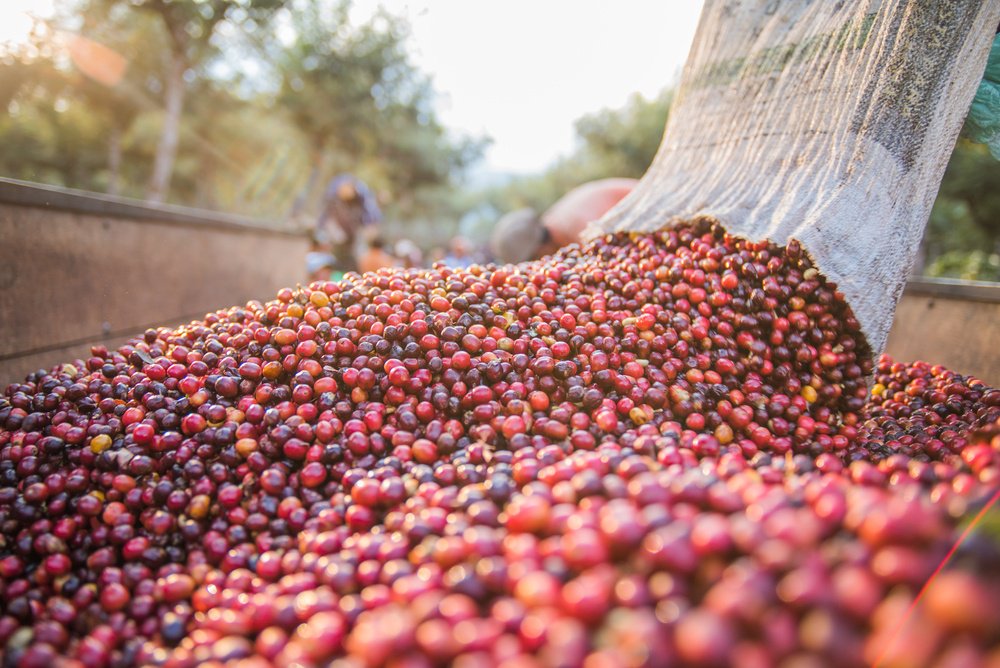
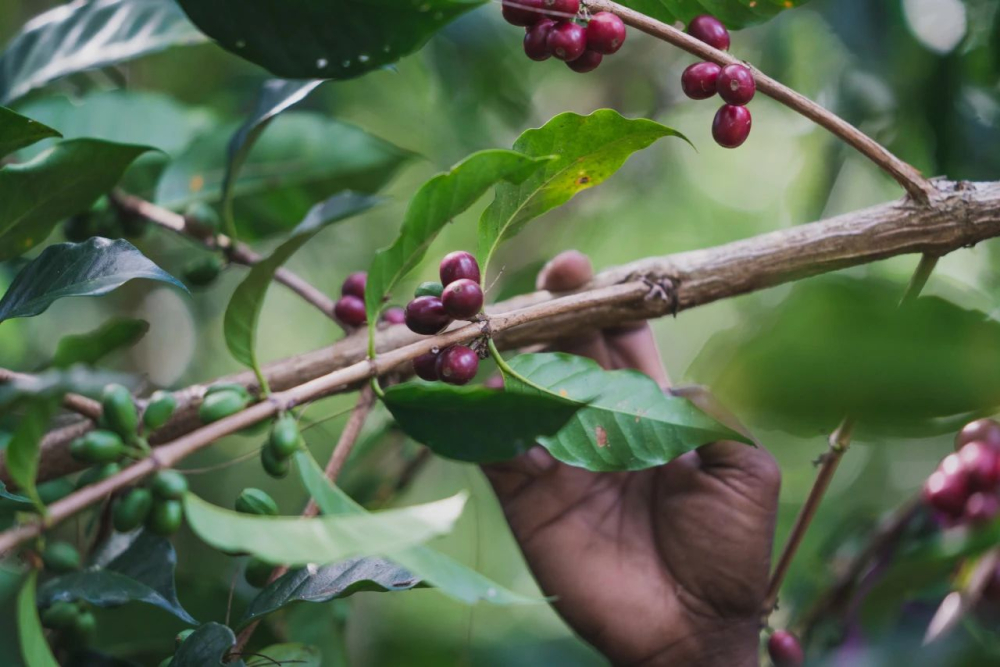
 As for the washed processing method used for this Little Blue Mountain coffee, it is key to highlighting the purity of its flavor. The process generally includes: harvesting fully ripe red cherries and immediately transporting them to the estate’s wet mill, where they undergo three rounds of approximately 24-hour fermented washing, with fresh water changes to control fermentation flavors; subsequently, the mucilage and outer pulp are removed, followed by drying and grading. This method maximally preserves the coffee’s inherent fruity aroma and acidity, while delivering a cleaner, brighter taste — particularly effective in showcasing the delicate flavors of high-altitude coffee.
 In summary, the Little Blue Mountain coffee from Heaven Bird Estate in Papua New Guinea combines exceptional natural conditions, a long cultivation history, and refined washed processing techniques to create a specialty coffee with bright flavors, distinct layers, and suitability for various brewing methods. If you appreciate the cleanliness and balance of Blue Mountain flavors, consider adding this Little Blue Mountain from the South Pacific to your coffee bean list — and experience its unique tropical fruit notes and smooth aftertaste.
The above content is compiled by CoffeeHunters, a coffee news website.


