







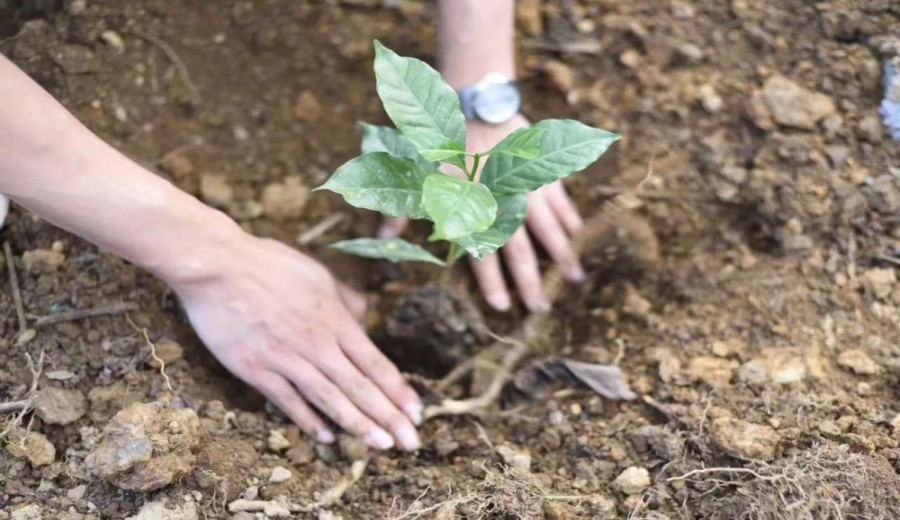
Introduction:Explore the introduction history and local flavor expression of the Yunnan Baoshan Zuoyuan Geisha coffee, tracing its journey from Ethiopia’s native variety to a high-altitude mutation in Panama, analyzing how elevation, soil, and climate shape the coffee’s flavor profile. This article provides an in-depth analysis of the unique plum acidity, berry tonality, and black tea fermentation layers of Yunnan Geisha, offering specialty coffee enthusiasts a reference for tasting.
Although not native, the Geisha coffee grown at Zuoyuan in Yunnan’s Baoshan region has found a unique growth rhythm on the western Yunnan plateau. This variety, originating from Ethiopia’s Gesha Forest, after a century of genetic migration, presents a flavor spectrum distinctly different from its place of origin when cultivated at elevations of 1400–1800 meters in Yunnan.
The original Geisha variety was first collected by British plantations in Kenya in the 1930s, transferred to Costa Rica in 1953 under the code T2722, and eventually completed its flavor acclimatization in Panama’s volcanic soils. Notably, most of the Geisha planted in Yunnan is derived from the T2722 lineage, but due toa lower average annual temperature (around 18–22°C)anddifferences in iron content in the red soil,its flavor profile clearly diverges from the Panamanian version.
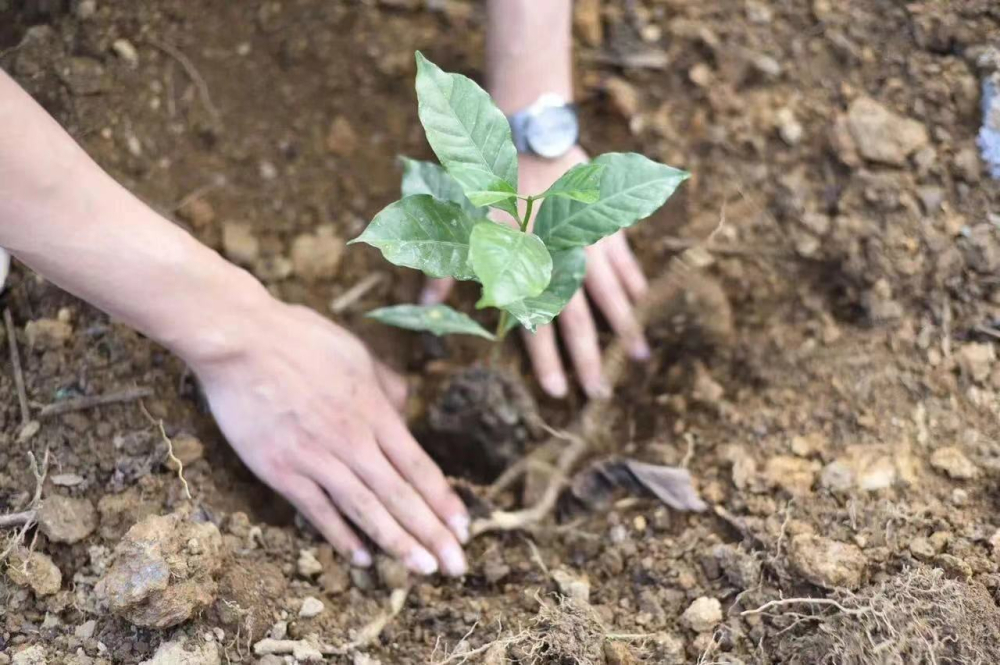
Actual cupping results show that Yunnan Geisha exhibits a brightplum (blueberry) acidity, which is softer compared to the lemony acidity of Panamanian Geisha. The berry tonality is prominently expressed duringthe second wave of aroma release, often accompanied by a moderately fermented black tea base, which is directly related to the post-harvest processing influenced by the region’s humid monsoon climate.
In terms of flavor profile comparison, Ethiopian native Geisha retains more of a wild almond character, the Panamanian version is dominated by a complex of jasmine and citrus notes, while Yunnan-grown Geisha presentsa three-stage flavor progression: entry with berry sweetness, mid-palate showcasing the rich fermented layers akin to black tea, and a finish that tapers into a mild, nutty tone.
Key considerations in cultivation techniques include:Yunnan Geisha is suitable for planting on slopes with a shade coverage of over 40%, with soil pH recommended to be maintained between 5.2 and 5.8. During the harvest period, it is essential to strictly controlthe time for green fruit to turn red to no more than 3 days, as this is a key parameter for maintaining acidity activity.
Currently, although the Geisha planting area in Yunnan’s Baoshan region accounts for only 3–5% of the national specialty coffee production, itsstable rich base tone and unique fermented flavorhave become important markers for distinguishing regional characteristics. For pour over coffee enthusiasts, it is recommended to usewater at 90–92°C with a 1:15 coffee-to-water ratioto better highlight the interplay of berry and black tea layers.
The above content is compiled by CoffeeHunters, a coffee news website.


