








Introduction:As an important cultivated variety in Asia’s coffee-growing regions, Catimor is widely favored for its strong disease resistance and stable yield. However, its flavor profile is often considered relatively one-dimensional. With advancements in cultivation techniques and post-harvest processing, its cleanliness has significantly improved. This article will delve into the variety’s background, its development in Yunnan, and practical grind and brewing parameters to help readers better understand the characteristics of this classic variety.
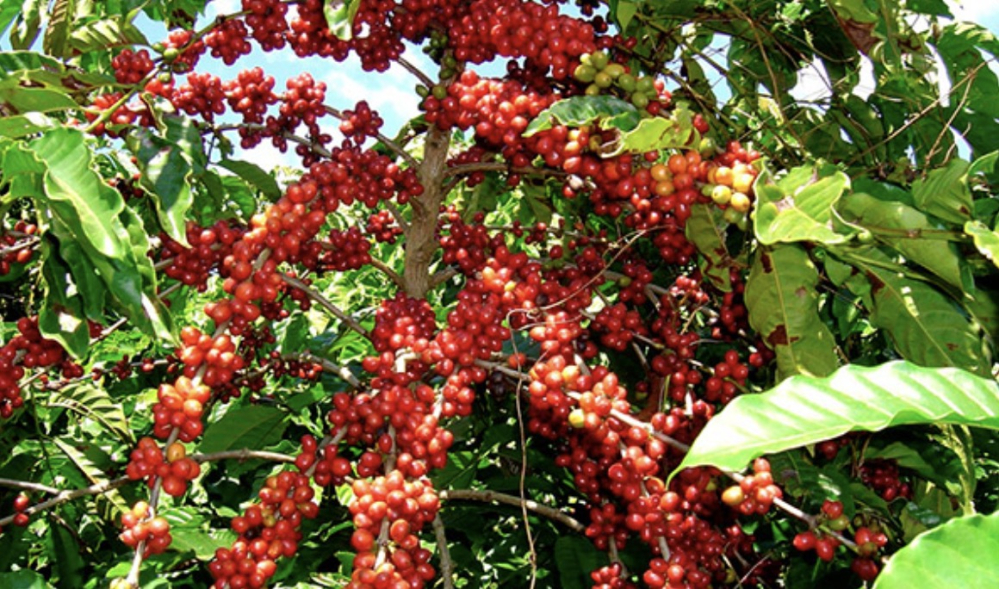
Catimor is a coffee variety commonly grown in many parts of Asia, such as Vietnam, Indonesia, and Yunnan in China. It boasts excellent disease resistance, cold tolerance, and high productivity, making it a long-standing favorite among commercial growers. However, due to its genetic background containing some Robusta genes, it is often regarded in the specialty coffee field as lacking refined flavors and even exhibiting noticeable astringency. Nevertheless, with improvements in growing environments and post-processing techniques in recent years, Catimor’s overall cleanliness has seen notable enhancement, and certain regional expressions have gradually gained market recognition.

Catimor is not a naturally occurring variety but was artificially hybridized in laboratories. Its maternal lineage is Caturra, a natural mutation of the Brazilian Bourbon variety, known for its dwarf stature and higher per-plant yield. Its paternal lineage is Hibrido de Timor (abbreviated as Tim Tim), a natural hybrid of Robusta and Arabica discovered on the island of East Timor in the early 1900s. Due to its Robusta genes, some coffee enthusiasts question whether it can be considered “pure” Arabica. However, it is undeniable that when grown at suitable high altitudes and processed well, Catimor still has the potential to exhibit a relatively balanced flavor profile.
Many coffee research experts point out that planting Catimor at higher altitudes, in cooler climates with moderate rainfall, and strictly controlling the harvesting and processing procedures can effectively reduce undesirable traits such as herbal notes and excessive astringency commonly associated with this variety, allowing the coffee to present a clearer and brighter foundational tone.
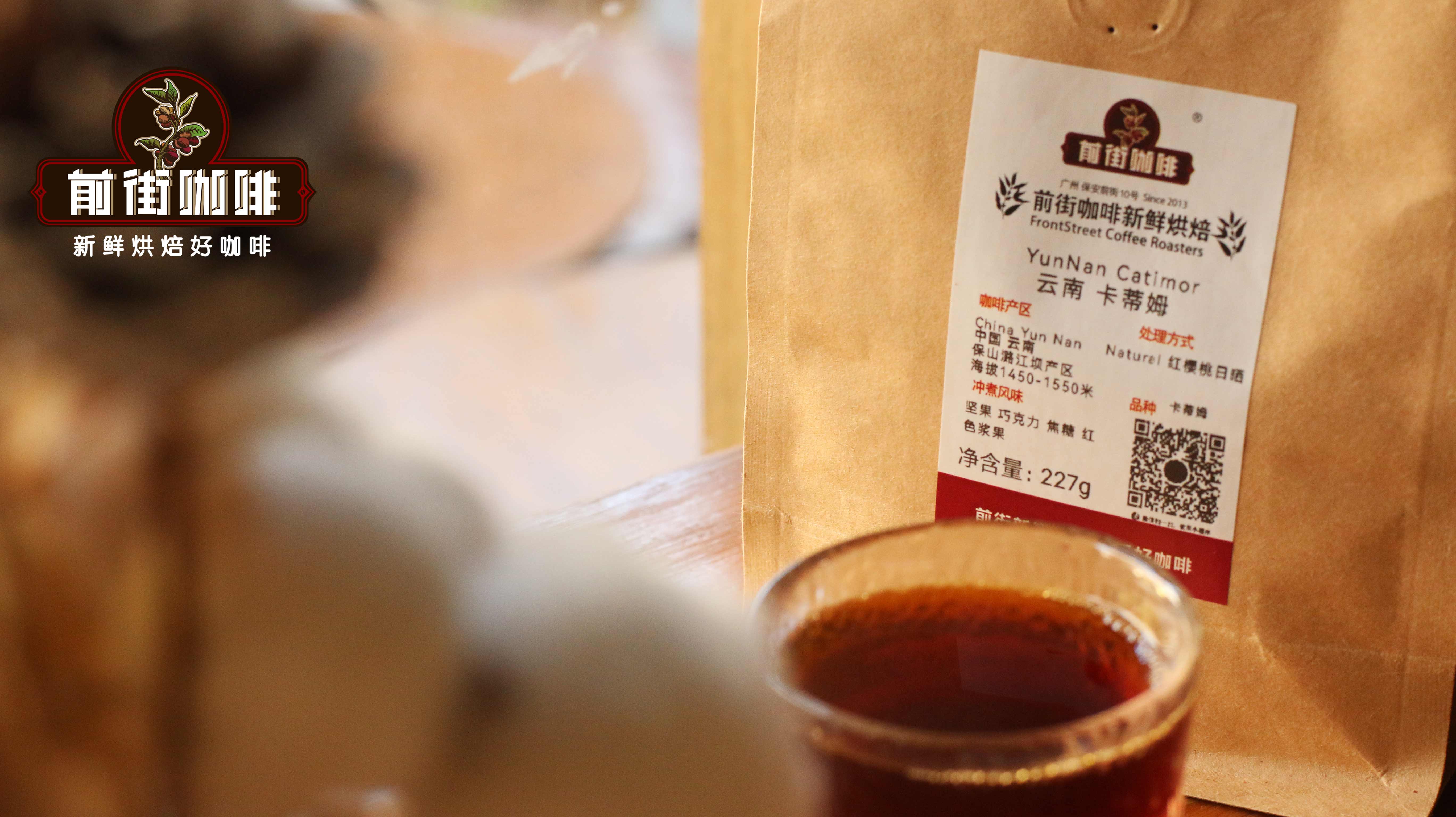
When discussing Catimor, one cannot overlook the coffee-growing history of China’s Yunnan region. Although coffee cultivation in Yunnan dates back to 1904, when French missionaries introduced the first coffee trees—later genetically identified as the Typica variety, though referred to at the time simply as “small-bean coffee” due to differing record-keeping practices. Subsequently, to repay Soviet loans, Yunnan planted Typica on a large scale. However, after the debt was cleared and with the domestic coffee consumption market not yet developed, many farmers switched to other cash crops.
It wasn’t until the 1990s that international coffee brands like Nestlé noticed Yunnan’s geographic and climatic conditions and began introducing the more disease-resistant Catimor variety to meet their raw material needs. During this period, Yunnan’s coffee production was primarily large-scale and commercial, with relatively extensive management and green bean post-processing, resulting in subpar early flavor profiles and leaving a negative impression of Yunnan coffee externally.
With the rise of the coffee consumption market in recent years, producers in Yunnan have gradually placed greater emphasis on scientific cultivation and refined post-processing, particularly investing more effort in processing and drying stages, combined with emerging special processing methods. This has led to noticeable improvements in the flavor profiles of some Catimor coffee beans, gradually earning consumer recognition. However, some industry players believe that without fundamental improvements in variety and planting altitude, relying solely on post-processing adjustments still makes it difficult to embody the core values of specialty coffee.
Currently, Catimor coffee beans from Yunnan are still available on the market. Their flavors typically feature pronounced plum acidity, caramel-like sweet notes, and natural fruity aromas, making them suitable for medium-light to medium roasts. For consumers new to single-origin coffees, these flavor profiles are relatively approachable and distinctive, serving as one of the entry choices for understanding the characteristics of Yunnan coffee.
In terms of brewing, to fully highlight the acidic-sweet tones and tea-like qualities of Yunnan Catimor, it is recommended to use a medium-light to medium roast and brew with a V60 filter cone at a 1:15 coffee-to-water ratio using the pour over method. The grind size can be set to medium (similar to coarse sugar granules, or using a Chinese No. 20 standard sieve with about 75% extraction rate), with water temperature controlled between 88 to 89°C. Specifically, a three-stage pouring method can be employed: first pour 30 grams of water for a 30-second bloom; then pour in small circles to reach 125 grams, wait for the water level to drop by about half, and continue pouring in small streams to 225 grams. The total extraction time is approximately 2 minutes and 10 seconds, which helps balance acidity and sweetness while reducing the risk of over-extraction.
In summary, although Catimor is not a mainstream variety in the specialty coffee circle, it still has the potential to showcase impressive flavor characteristics under suitable conditions and refined processing. Whether as an entry point to understanding Asian regional coffees or as a practice subject for experimenting with different processing methods and brewing parameters, Catimor is worthy of deeper exploration by coffee enthusiasts.
The above content is compiled by CoffeeHunters, a coffee news website.


