








Introduction:Americano is a daily pick-me-up choice for many, but do you know how it’s made at Starbucks and the professional grind settings used? This article delves into the historical origins of the Americano, analyzes the differences between the two main brewing methods, and details espresso extraction parameters, recommended grind sizes, and common bean pairings to help you master the key techniques for brewing a smooth and enjoyable Americano.
Walk into Starbucks, and one of the top ordered drinks is none other than the Americano. This beverage, known for its quick preparation, refreshing flavor, and the rich depth of espresso, has become a daily staple for many customers. However, the Americano can actually be made in two primary ways: one that follows the tradition of American drip coffee, and another that originated during World War II when American soldiers diluted espresso as an innovative way to drink it. This article will take you through the origins of the Americano and explore its preparation process at Starbucks, including the type of coffee machine used, extraction logic, coffee bean selection,grind size settings,and espresso parameters, helping you easily grasp the secrets to brewing a delicious Americano.
At Starbucks stores, ordering an Americano often becomes the go-to choice for many busy professionals. This drink is widely loved not only because it quickly provides a caffeine boost to invigorate the mind but also because its flavor is refreshing yet still has depth. But have you ever wondered how Starbucks makes this seemingly ordinary Americano? This article will explore the mystery behind this classic coffee beverage, from its historical background to the actual brewing process, breaking down the charm of the Americano step by step.
Does the Americano really originate from America? In fact, this statement is only half true. The Americano can generally be divided into two types: the traditional American-style brewed using a drip method, and the version made by diluting espresso with water. These two types not only use different equipment, but their historical backgrounds and brewing methods are also vastly different. Therefore, saying that the Americano originated in America is only half right.
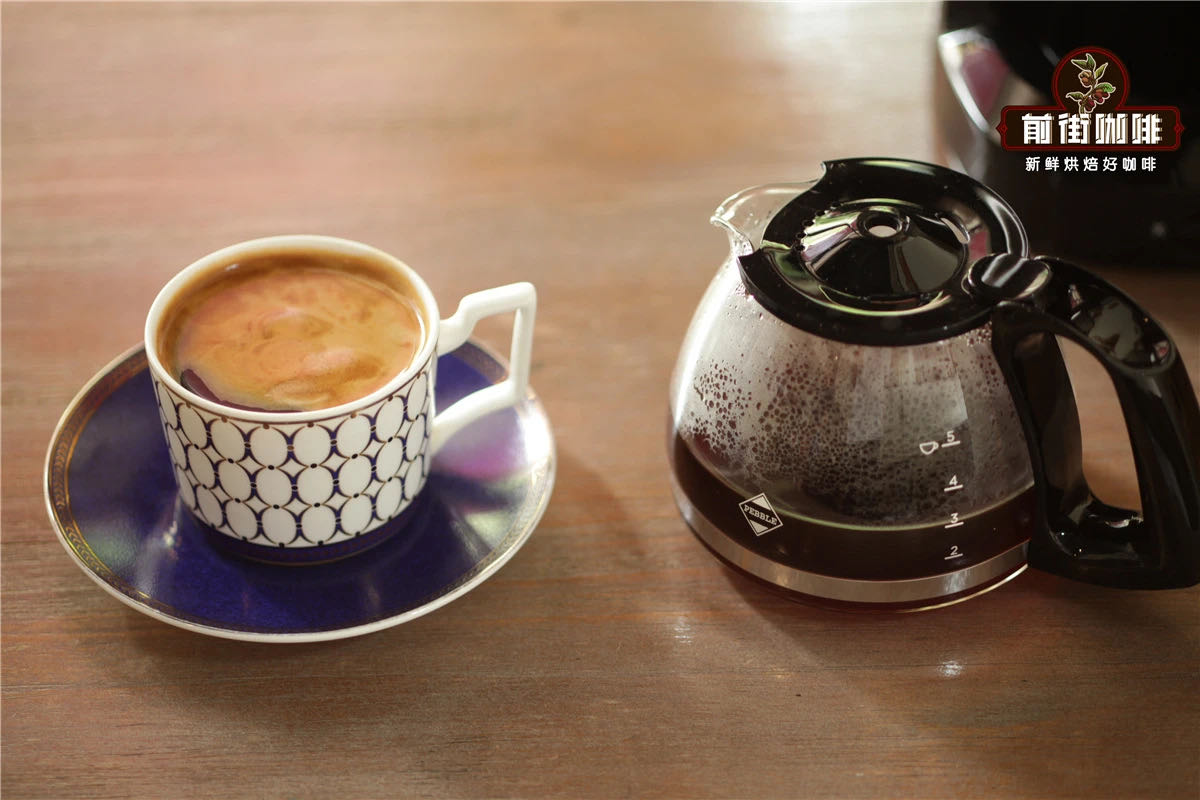
Going back to the early 20th century, when coffee began to gain popularity in the United States, the most common way to drink it was through drip coffee — that is, coffee brewed using a drip coffee maker (also known as an American coffee maker). Back then, almost every American household had a drip machine. You simply put in coffee grounds, and the machine would automatically pour water and drip the coffee into a thermal carafe, which could be enjoyed from morning to night. The Americano as we know it today is usually made by quickly extracting espresso under high temperature using an espresso machine, then diluting it with hot water, and the two methods differ significantly in both preparation and flavor profile.
So, where was the espresso-style Americano first born? The answer might surprise you — it was in Italy.Legend has it that during World War II, American soldiers stationed in Italy found the intense, slightly burnt bitterness of espresso too strong, so they began adding hot water to dilute it for drinking.Interestingly, the name itself gives a clue — the term “Americano” actually means “American” in Italian, not English. Although the diluted espresso tastes more similar to the drip coffee familiar to Americans, Europeans were not particularly fond of this method of drinking, and French soldiers even mockingly called it “sock coffee,” referencing the wartime practice of filtering coffee through socks.
Over time, Starbucks, which originally focused on roasting coffee beans, began offering freshly brewed coffee beverages and introduced espresso extraction technology with espresso machines. To cater to the taste preferences of American consumers, Starbucks launched both strong espresso and its diluted version, the latter being named the Americano. Thanks to its quick service and the ability to retain the bold characteristics of espresso, the Americano quickly became popular across the United States. Other coffee shops followed suit, and it eventually became a national drink in America.
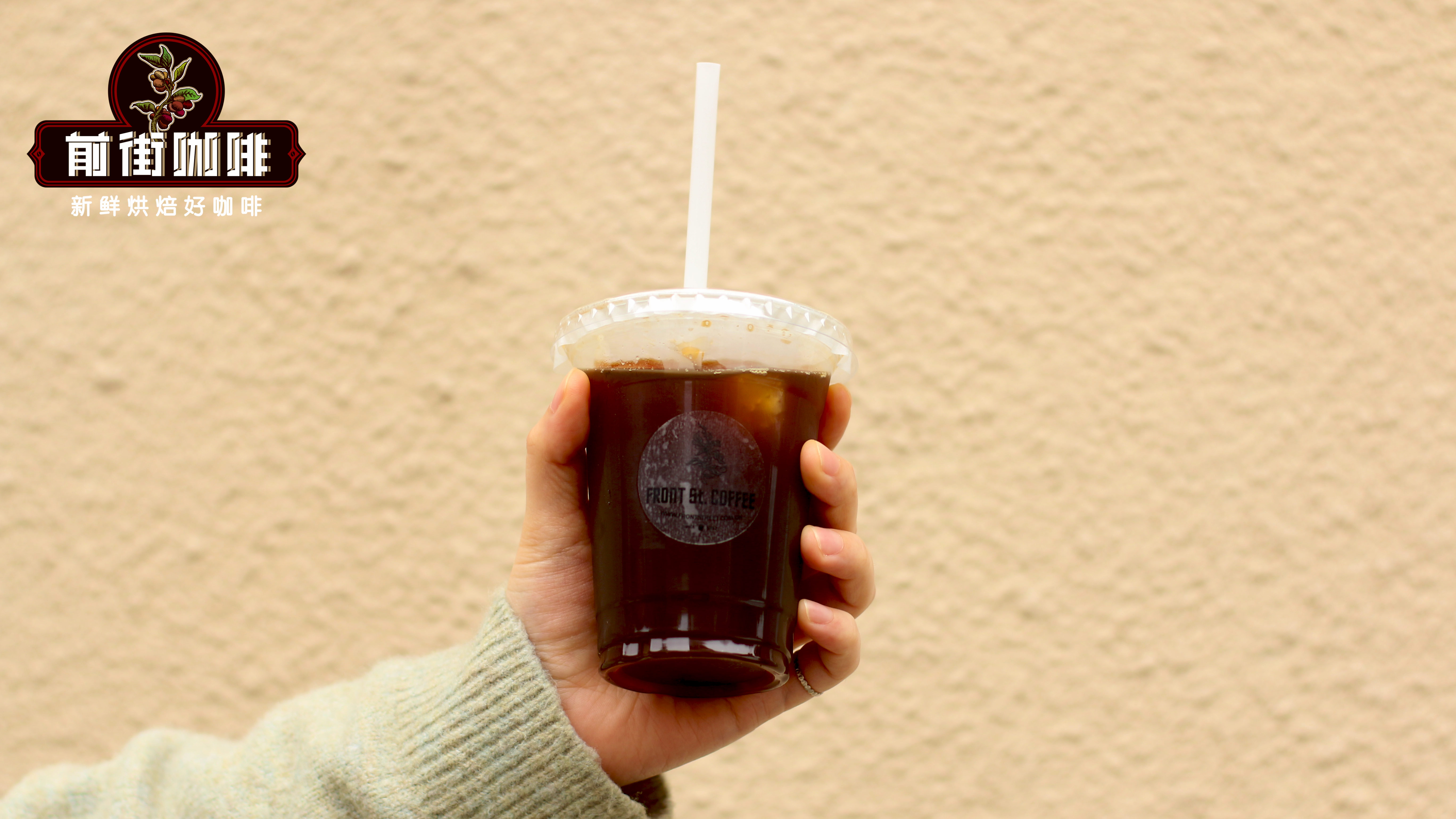
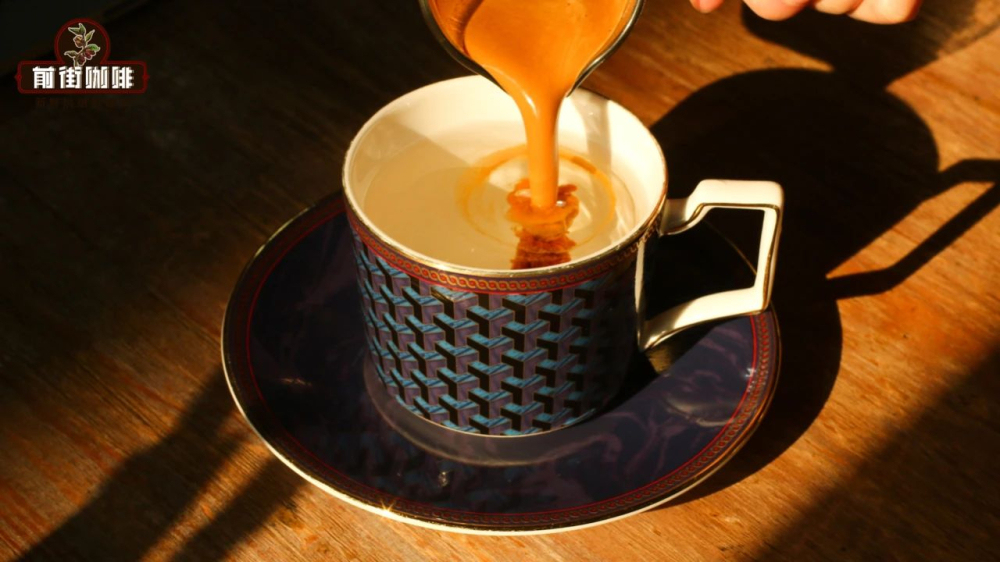
So, what kind of coffee beans are needed to make a good-tasting Americano? Currently, the most commonly used Americano beans on the market are medium to dark or dark roast blends, extracted using an espresso machine under stable9-bar pressureto allow hot water to quickly pass through finely ground coffee, extracting espresso in a short amount of time. This espresso is then mixed with hot or cold water to become the Americano we know. Typically, a standard Americano consists of one or two shots of espresso, diluted witha 1:4 to 1:9 ratio(of hot or cold water), depending on personal taste.
The flavor profile of the Americano largely depends on the coffee beans chosen. It is recommended to use espresso blends with stable flavors, such as those blended from Brazilian and Colombian beans, which typically exhibit rich nutty aromas and soft berry acidity. When brewed as a hot Americano, it gives off distinct hazelnut notes with subtle berry acidity and chocolate aftertaste; if made into an iced Americano, the acidity becomes brighter, with the nutty and dark chocolate finish lingering on the palate.
Additionally, there are more distinctive options, such as the Warm Sun blend, which features sherry wine barrel fermentation and sun-dried red cherries. It has a pronounced fermentation character and performs excellently whether as a hot Americano or paired with milk. With layers of creamy, chocolatey, and wine-like flavors, it suits coffee lovers seeking something different.
As for which is better tasting — Americano or espresso? That really depends on personal preference. If you enjoy pure black coffee and want to experience the unique flavors of different espressos, the Americano is an ideal choice. But if you prefer a smoother, milk-forward taste, milk-based coffee drinks can reduce the intense stimulation while retaining the coffee flavor, offering a more palatable drinking experience.
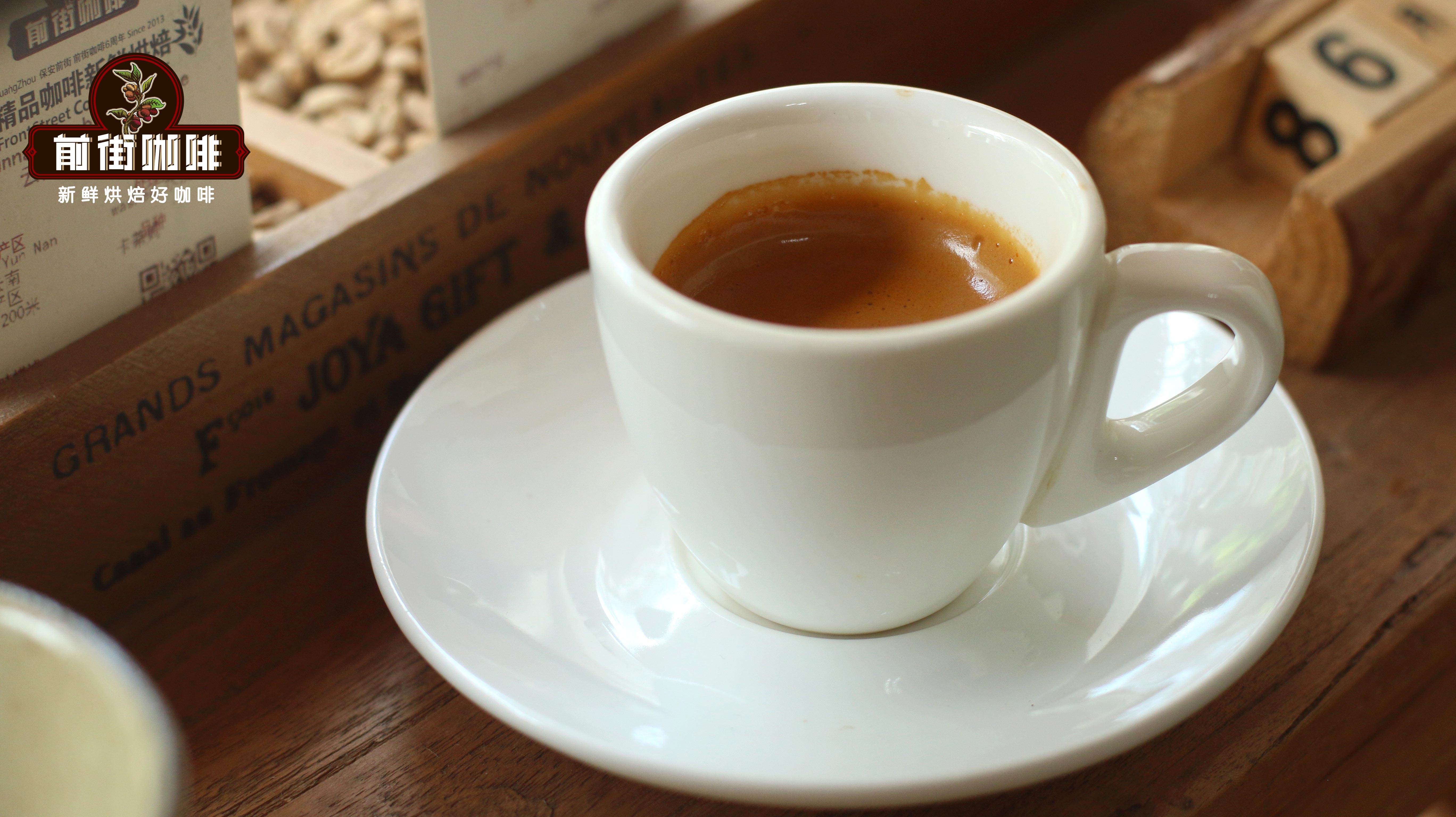
So, how should the Americano be extracted to achieve the best flavor? Actually, there are no fixed parameters for espresso extraction, as adjustments need to be made based on the coffee bean variety and roast level. It is recommended to fine-tune grind size and extraction time until you find the balance that suits your taste. Generally,it is suggested to use a 1:2 coffee-to-water ratio, maintain extraction pressure at 9 bar, and control the time between 23 to 30 secondsto achieve a rich and balanced espresso base.
Regarding grind size, the Americano made with espresso machines usually usesfine grind. This is because, under high temperature and high pressure, water quickly passes through the coffee bed, so extremely fine grinding and appropriate pressure are needed to extend the contact time between water and coffee, fully extracting the flavors. If using a home drip coffee maker, it is recommended to use amedium grind, similar to that used for pour over, to achieve a fresher and more balanced taste.
Starbucks currently uses three main types of coffee machines: the fully manual La Marzocco, the fully automatic Mastrena, and the also fully automatic Verismo. Both the Mastrena and Verismo are models custom-made for Starbucks by the Swiss company Thermoplan, with the Mastrena considered an upgraded version of the Verismo. It is understood that these Starbucks-exclusive coffee machines can cost over a hundred thousand yuan each and are not sold to the public, demonstrating Starbucks’ commitment to coffee quality.
The above content is compiled by CoffeeHunters, a coffee news website.


