







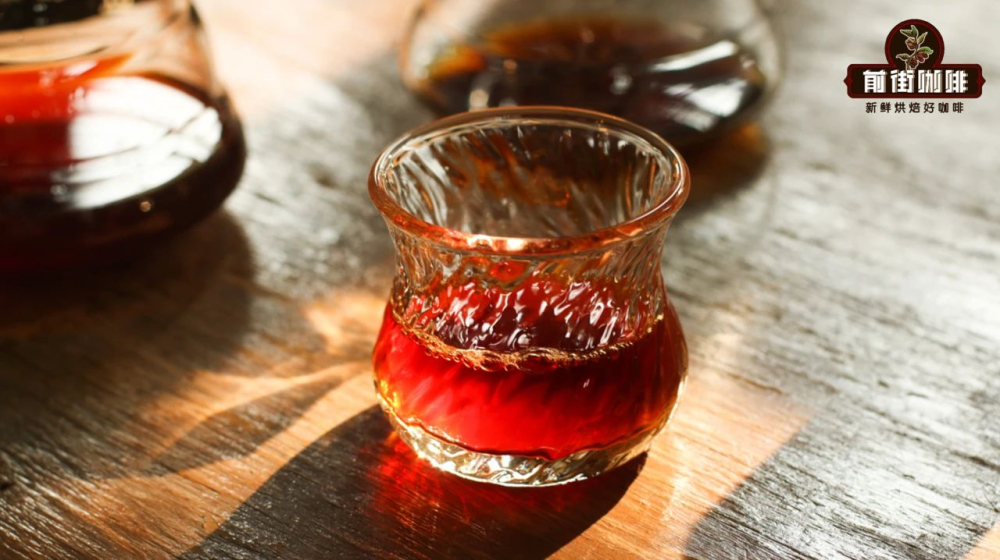
Introduction:When learning coffee tasting, many people can easily describe positive flavors such as floral or fruity notes, but often feel puzzled by off-flavors. This article delves into the common defect flavors found in single-origin coffee beans, including greenness, over-fermentation, and miscellaneous tastes, explaining their specific manifestations and causes. By understanding these negative flavor characteristics, it helps coffee beginners build a systematic tasting ability and enhances their sensitivity and judgment towards coffee flavors.
Many coffee enthusiasts, when learning to taste, often focus on describing pleasant positive flavors, such as jasmine, lemon, strawberry, caramel, or chocolate. However, when encountering unpleasant tastes in the mouth, most can only vaguely refer to them as "bitter," "miscellaneous," or "green." In fact, to truly grasp the essence of coffee flavors, besides being familiar with sweet and fragrant qualities, identifying defect flavors is equally crucial. Many industry professionals believe that evaluating a coffee’s overall performance should start from three aspects: volatile aroma, taste, and mouthfeel, to comprehensively understand its flavor profile.
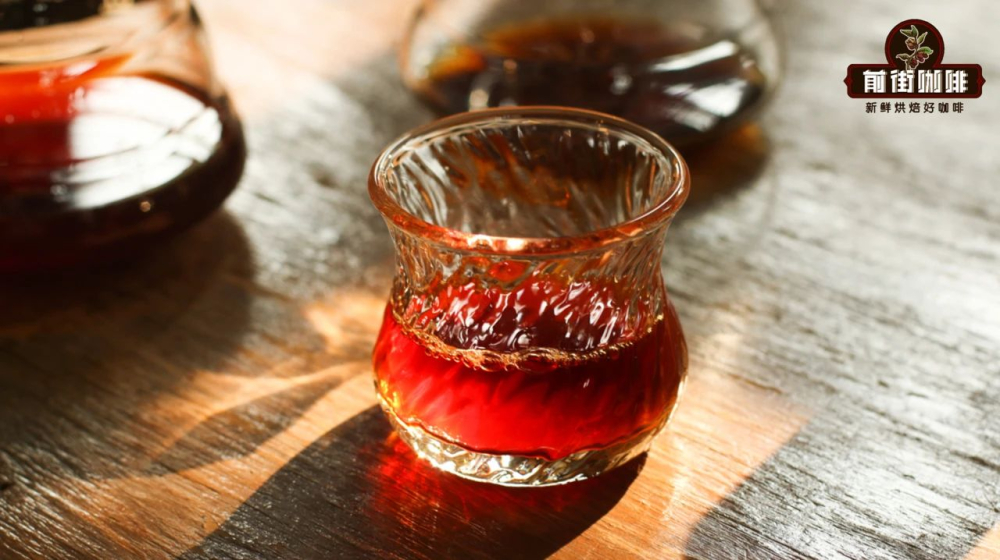
The so-called "greenness" refers, as the name suggests, to the scent emitted by unripe fruits—similar to the greenish aroma of star fruit or green papaya, and sometimes reminiscent of fresh grass. While this type of flavor may not provoke strong aversion, it can easily cause discomfort in the mouth and throat, especially when the intensity is high. Greenness is commonly found in coffee beans with a high proportion of underripe beans, those roasted too lightly, or when the brewing process fails to fully extract the later stages.
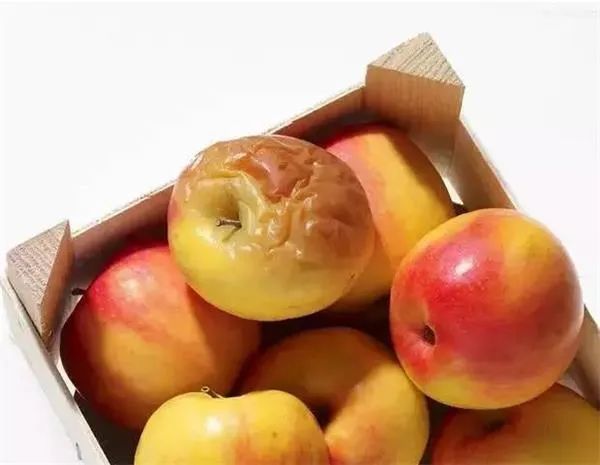
Another common yet often misunderstood defect flavor is "over-fermentation." Although fermentation itself can produce enchanting aromas like wine or jackfruit, once it goes out of control, it turns into unpleasant odors. This state is similar to the smell of rotten fruit, fermented soybean paste, or miso soup, with a subtle yet critical boundary from moderate fermentation aromas. Over-fermentation issues usually appear in coffee beans processed with heavy fermentation methods, and drinkers need to be particularly alert to any sour, rotten apple-like notes.

"Miscellaneous taste" is a broad term that encompasses any flavor that feels unpleasant and may be categorized under it. For example, even a slight undesirable bitterness in coffee can easily be labeled as a miscellaneous taste. But in reality, miscellaneous tastes can be subdivided into various types, each with its unique manifestation. For instance, "earthy flavor" does not simply refer to the scent of soil, but specifically to the damp and slightly stuffy odor emitted by post-rain soil—a smell that often causes displeasure when present in coffee.
"Woodiness" resembles the scent released by compressed wooden boards or sawdust, usually resulting from over-extraction. It’s important to note that this type of flavor is distinctly different from the natural pine or cedar wood (resinous) aroma some Southeast Asian coffee beans inherently possess—the latter being a positive flavor trait, akin to the elegant scent of agarwood, rather than the pungent smell of low-quality plywood. Distinguishing between the two is as crucial as telling high-grade timber from ordinary construction materials.
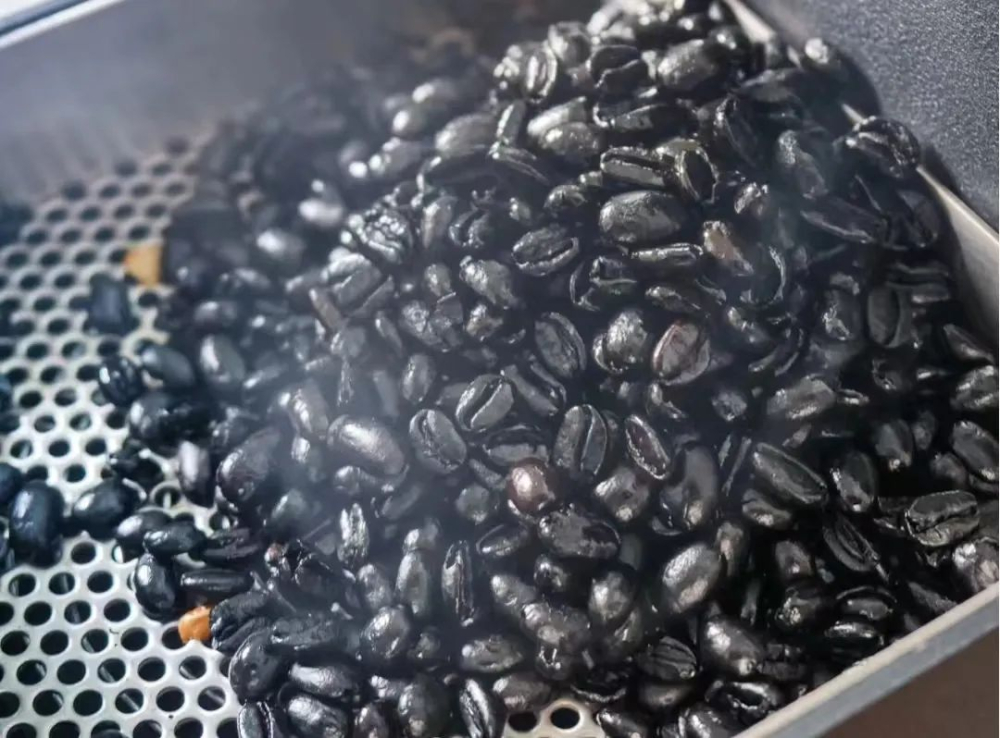
"Smoky flavor" gives a sensation similar to the acrid smoke produced by burning wood, which usually stems from technical errors during the roasting process. Additionally, "rubber smell" is a pungent odor emitted by sulfur compounds, similar to the smell of tires, and is more commonly found in Robusta coffee beans—it is a defect characteristic to pay special attention to during tasting. "Medicinal flavor" refers to the bitterness of plant alkaloids, often mistaken for burnt bitterness, and its concrete manifestation is similar to the taste of white tablets, often indicating problems in processing or roasting when it appears in coffee.
"Charred flavor" is the intense bitterness produced when food is burned to carbonization, a taste commonly found in dark roasts or cases of over-extraction. Lastly, "moldy flavor" resembles the damp, moldy smell from clothes during the rainy season. This defect flavor is relatively rare in coffee, but when it occurs, it may be due to the presence of moldy or black beans, or because roasted beans have been stored for over six months, leading to quality deterioration.

Mastering the characteristics of these common defect flavors can help coffee beginners develop a sharper taste judgment ability. During the tasting process, it is recommended to start with a single flavor characteristic and gradually train the ability to identify various scents. Through repeated practice and comparison, one can gradually enhance the overall understanding of coffee flavors, thereby enjoying a richer coffee tasting experience.

In summary, coffee tasting is not only a process of savoring pleasant flavors, but also an art of learning to identify and distinguish various flavor traits. From greenness to over-fermentation, from miscellaneous tastes to various off-notes, each flavor characteristic reflects the quality of the coffee beans and their processing. For beginners who want to deeply explore the world of coffee, understanding these common defect flavors is an important step toward professional tasting.
The above content is compiled by CoffeeHunters, a coffee news website.


