








Introduction:Have you ever wondered how professional baristas can vividly describe the citrus, floral, or even honey notes in coffee? In fact, coffee flavor is not just perceived by the taste buds but is also closely related to the sense of smell. This article will guide you through the core elements of coffee sensory evaluation—from aroma, acidity and sweetness, mouthfeel, to aftertaste—explaining step by step how to train your taste and olfactory senses, build your own flavor memory bank, and enhance your ability to identify and articulate coffee flavors.

When someone describes a cup of coffee as having “a rich fruit profile with citrus, lemon, oolong tea, and jasmine floral notes,” it might seem unbelievable—or even made up—to someone new to specialty coffee. But in reality, this is precisely the charm of coffee sensory evaluation. This article will show you, as a coffee beginner, how to start from scratch in describing the multi-layered flavors of coffee and correctly develop your tasting skills.
Is coffee flavor detected solely by the taste buds?
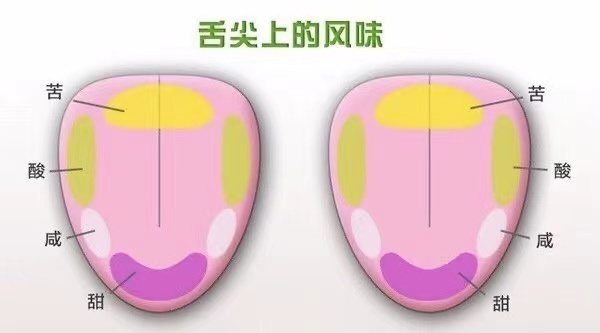
The answer is no. The perception of coffee flavor is actually the result of a combined effort between taste and smell. Our taste buds can only distinguish five basic tastes: sour, sweet, bitter, salty, and umami. However, coffee doesn’t have an umami taste, and saltiness is usually masked by other flavors, making it hard to detect.
The human perception of taste follows certain distribution patterns: the tip of the tongue is sensitive to sourness, the sides near the front detect saltiness, the back of the tongue primarily captures bitterness, while sweetness is mostly concentrated at the tip. However, the key to flavor is more about the involvement of our sense of smell.
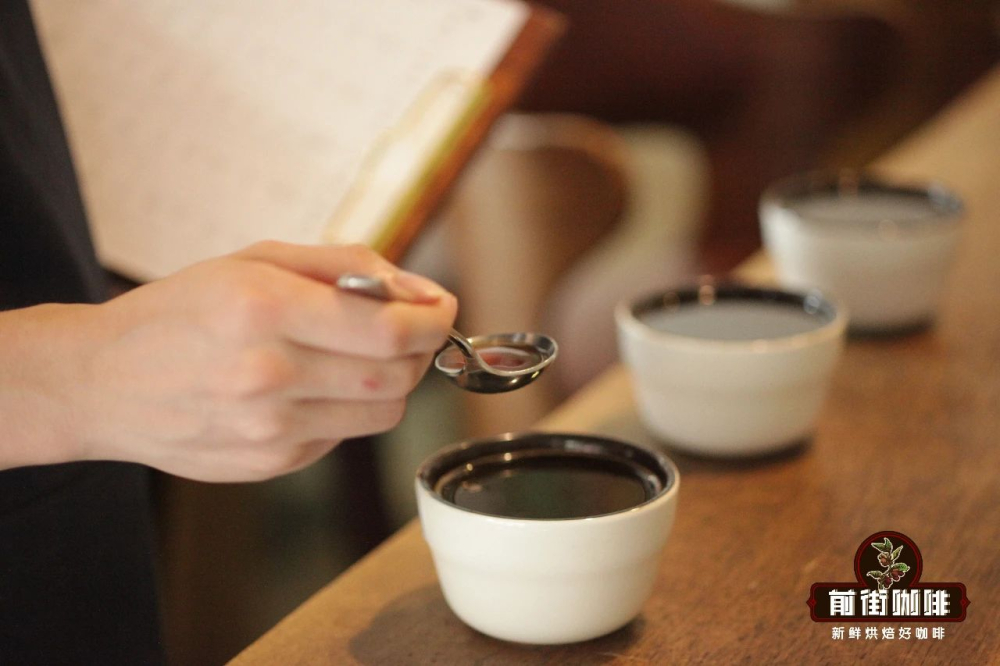
When you take a sip of coffee, the oils in your mouth envelop the aromatic molecules, which are then carried to the nasal cavity via retronasal olfaction when you swallow. Combined with signals from the taste buds, your brain associates these with specific flavors, such as lemon, honey, or caramel. This is also why different people drinking the same coffee may describe different flavors—because each person has their own unique flavor memory bank.

What aspects should we use to describe coffee flavor?
Professional coffee evaluations typically assess the following seven dimensions: aroma, sweetness, acidity, mouthfeel, flavor, aftertaste, and balance. These dimensions help us fully understand the characteristics of a cup of coffee and serve as the foundational framework for training the senses.
Aroma (orthonasal olfaction)It is divided into dry aroma and wet aroma. Dry aroma refers to the scent released by ground coffee beans before brewing, while wet aroma is the fragrance emitted by the coffee liquid after water is poured and extraction begins. Since some aromatic compounds are only released through heating, there is often a significant difference between dry and wet aromas.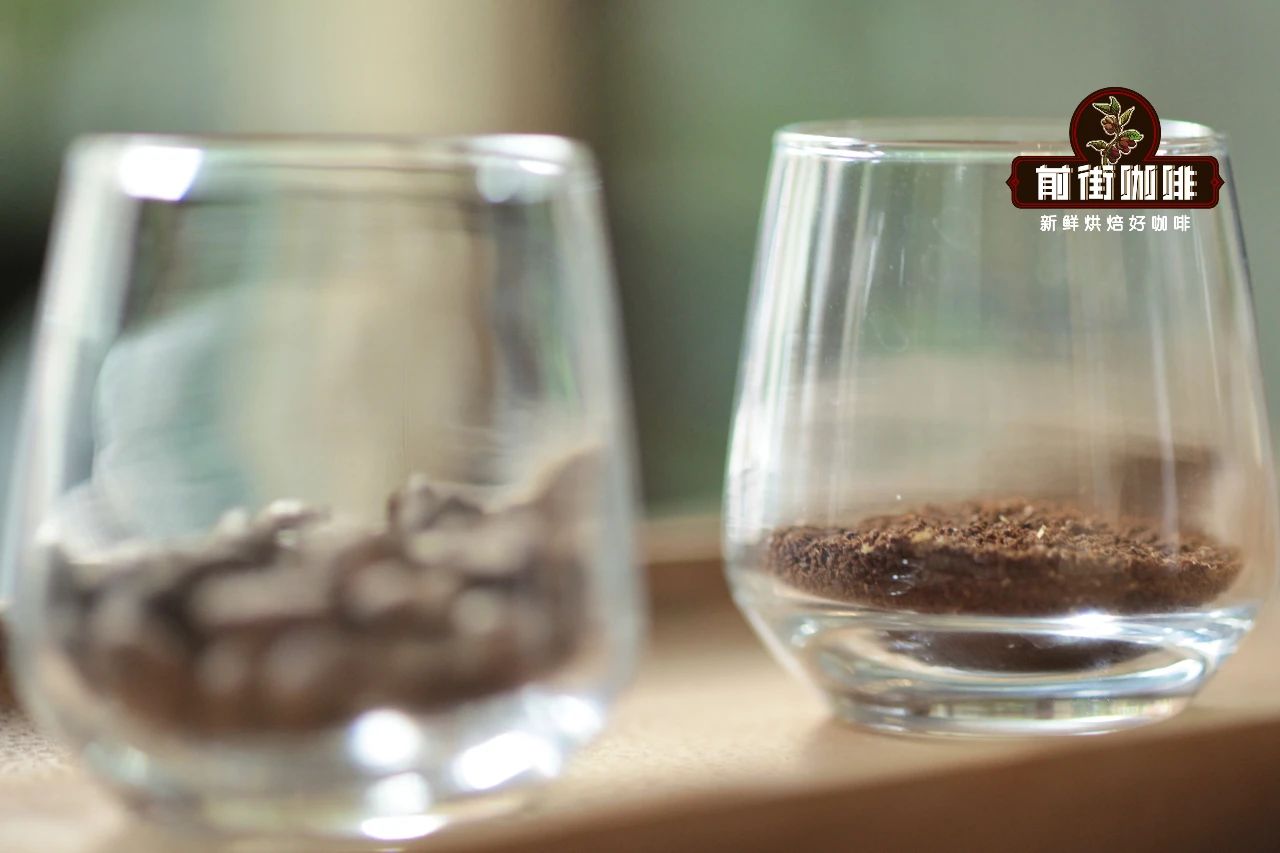 For example, the dry aroma of certain Geisha varieties may present a sweet, sugarcane-like note, while the wet aroma may shift toward floral or fruity scents.
Cleanliness (retronasal olfaction)Refers to whether the coffee carries any unpleasant odors, such as earthiness, woody notes, or off-flavors. High-quality coffee should exhibit a clear and pure flavor profile without noticeable defects.
SweetnessDoesn’t refer to an intense sugar taste, but rather the gentle sweetness that lingers after swallowing, which can significantly enhance the overall palatability of the coffee. Good coffee often displays a natural sweetness in its aftertaste.
AcidityIs one of the key characteristics of coffee and can be judged by the amount of saliva secreted on the sides of the tongue. High-quality coffee tends to have bright and refreshing acidity, similar to that of lemon or berries, rather than the sharp vinegar-like acidity often found in lower-quality coffee.
MouthfeelInvolves the tactile sensations in the mouth, including body, smoothness, and astringency. Body can be likened to the difference between skim, whole, and cream milk—the fuller the body, the richer the mouthfeel. Astringency is caused by polyphenolic substances and is similar to the uncomfortable dry sensation of tannins in red wine, which can greatly affect a coffee’s evaluation.
Flavor and AftertasteAre the overall sensations resulting from the combination of taste and smell, often requiring personal experience to make associations. Aftertaste refers to the lingering aroma and taste after swallowing, where a long-lasting and pleasant aftertaste is often described as “lingering,” such as floral or subtle tea notes.
BalanceRefers to the harmony among elements such as acidity, sweetness, bitterness, and body. A balanced coffee does not have any single flavor that overly dominates but instead features a harmonious coexistence of all elements.

How can beginners scientifically develop their ability to describe coffee flavors?
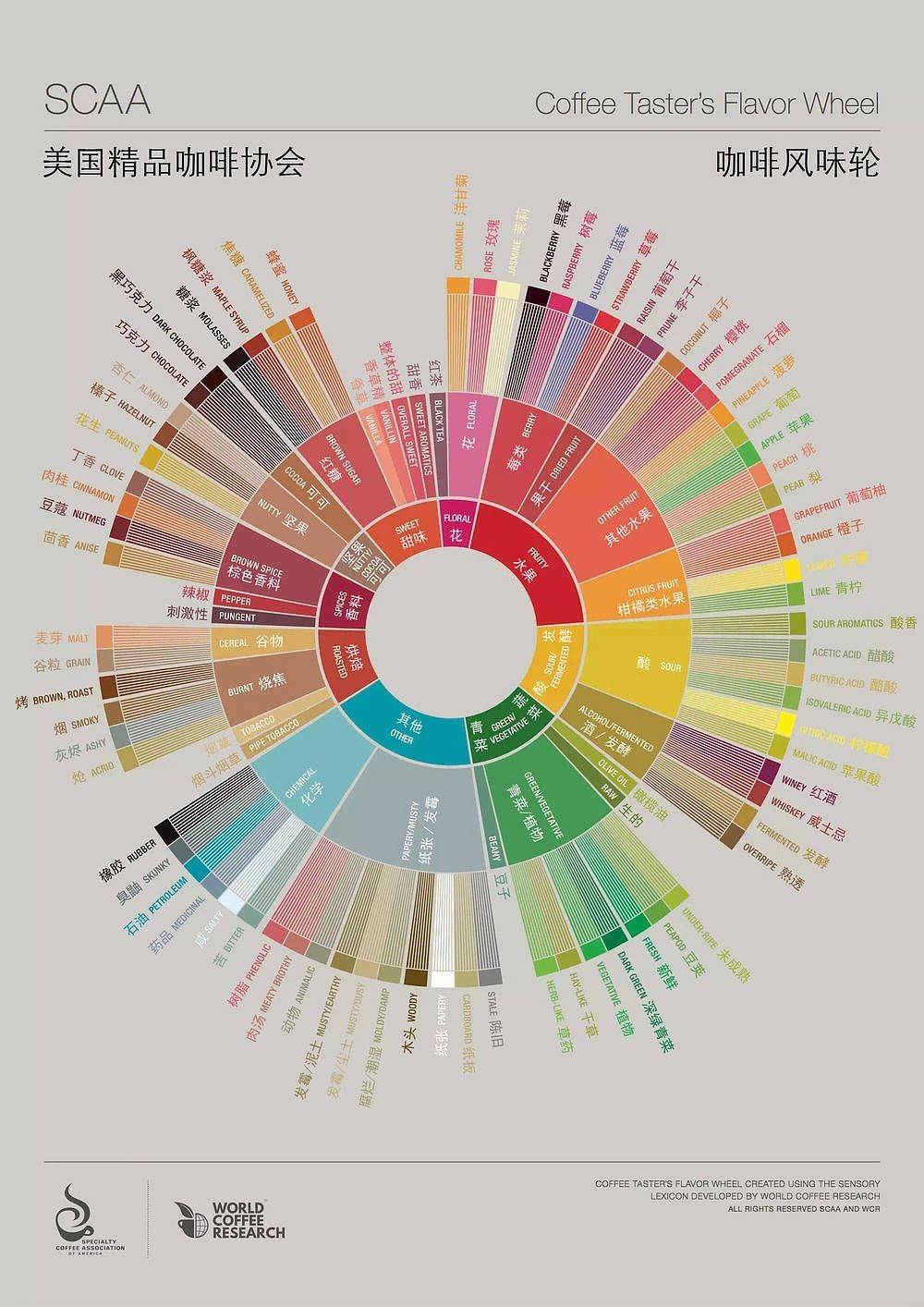
First, it’s recommended to build your ownflavor memory bank. Familiarize yourself with common flavor descriptors, such as citrus, honey, caramel, and even floral or herbal notes. The best way to do this is by personally tasting these foods to establish olfactory and taste memory connections. The SCAA Coffee Taster’s Flavor Wheel is a great reference tool that you can use for practice.
Second, learn to use theclassification logic of the flavor wheel. For example, categorizing acidity, fruit, floral, sugar, nut, and spice notes can help you more efficiently match your perceptions to specific descriptors. Light roasts often showcase fruity acidity and floral notes; medium roasts tend to have molasses and caramel tones; dark roasts are usually characterized by nutty, chocolatey, and spicy profiles.
Additionally, don’t hesitate to use yourimaginationduring tasting. You don’t need to be 100% accurate—just conveying a similar impression is sufficient. For instance, describing a coffee’s acidity as “similar to the freshness of lemon” effectively communicates its character, even if it’s not identical.
Engaging in discussions and sharing experiences with others is also an important way to calibrate your sensory perception. Different cultural backgrounds or dietary habits may lead to varying descriptions of the same flavor—for example, “redcurrant” is less common in Taiwan but is frequently used as a descriptor in international markets.
Finally,daily dietary habits also impact taste bud sensitivity. It is recommended to reduce the intake of excessively spicy, greasy, or alcoholic foods to maintain a keen sense of taste, enabling you to better capture the subtle flavor nuances in coffee.
The above content is compiled by CoffeeHunters, a coffee news website.


