







Introduction:To brew a cup of coffee with standout flavors using a moka pot, choosing the right beans is key. This article delves into the differences between single-origin and blended beans in moka pot extraction, analyzes the impact of medium-dark roasts on brewing, and recommends several high-quality medium-dark roasted single-origin beans with clear flavor profiles that are well-suited for moka pot use—helping you find your ideal coffee choice.
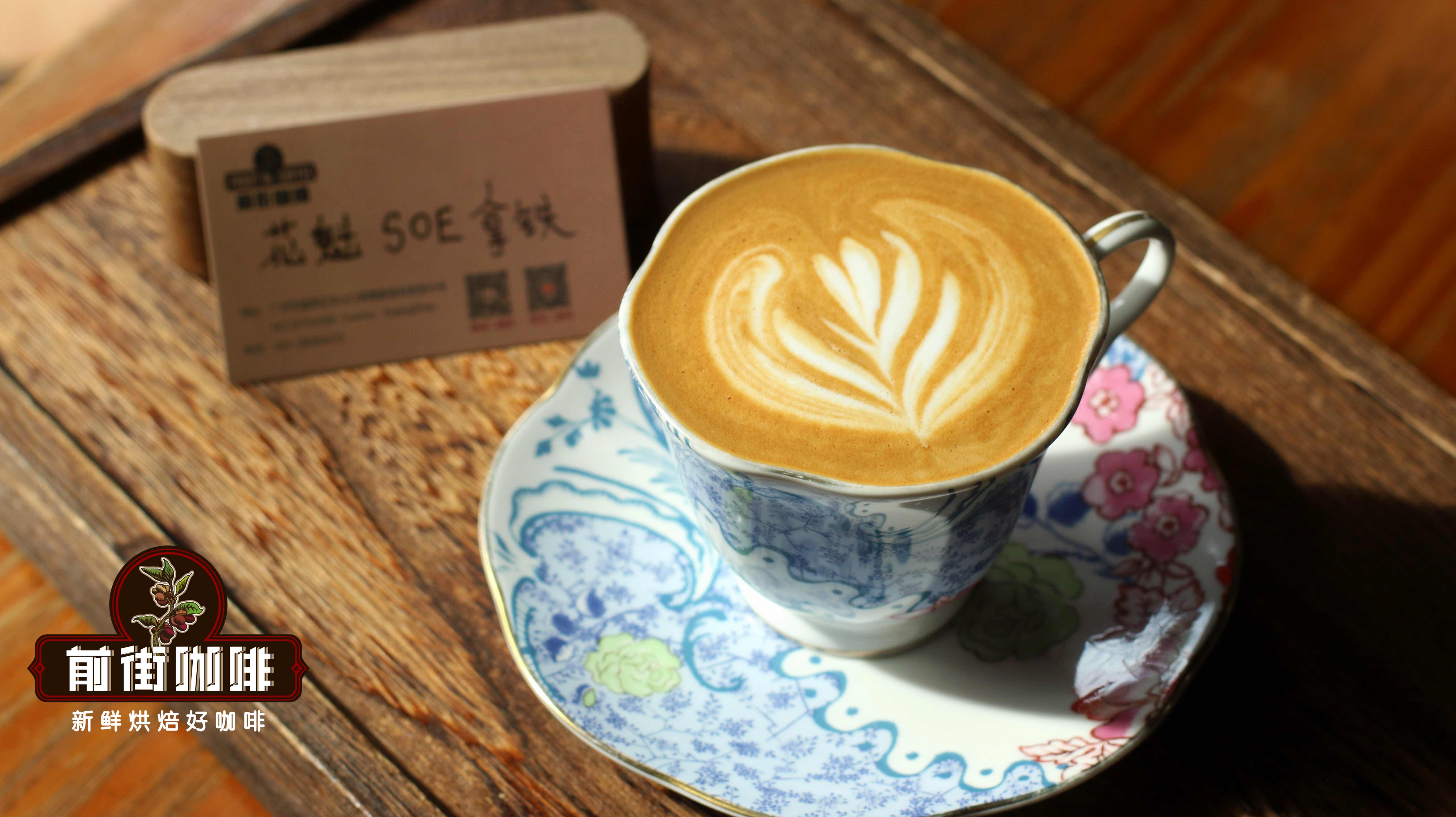
Single-Origin BeansThese refer to coffee beans sourced from a single region or farm, typically showcasing distinct regional characteristics and unique flavor expressions, often referred to as "origin flavors." When used to make espresso, they are called SOE (Single Origin Espresso), or single-origin espresso. Compared to regular pour over single-origin beans, SOEs preserve regional traits while also exhibiting the boldness and layered complexity typical of espresso.
In contrast,traditional espresso often uses blended beans,usually a mix of beans from different regions, predominantly medium-dark to dark roasted, aiming to deliver a rich, caramelized, and balanced taste. However, when using single-origin beans with a moka pot, one must consider the high temperature and pressure of the extraction process, which intensifies flavors but can also amplify flaws—for instance, light roasts may turn overly sour, while dark roasts may become excessively bitter.
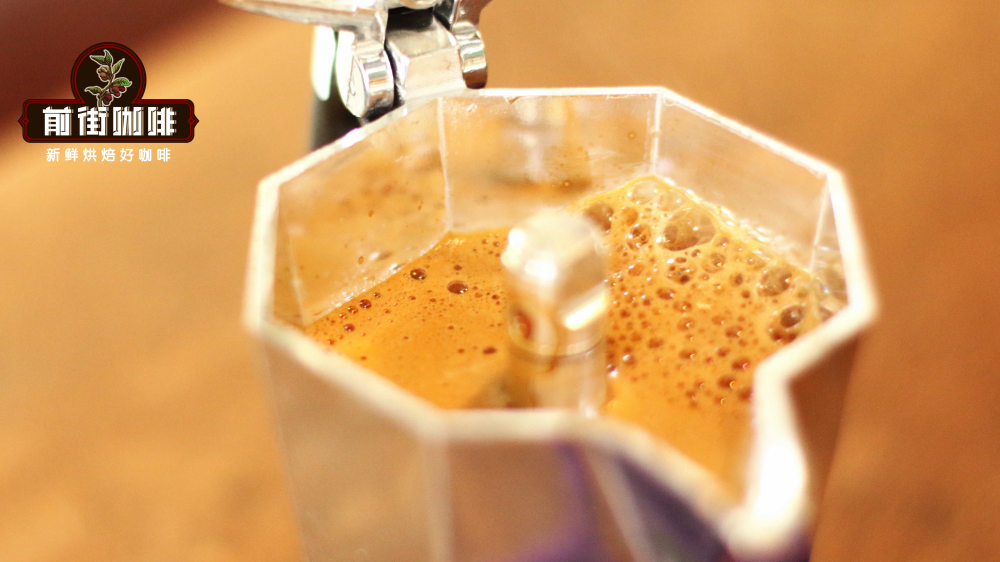
Therefore, when using a moka pot,it’s recommended to choose medium-dark roasted single-origin coffee beans,as this roast level balances acidity, sweetness, and bitterness, while also producing an attractive layer of crema during extraction, enhancing the overall drinking experience. Whether considering freshness, roast level, or flavor expression, careful selection is essential to fully unlock the potential of the moka pot.
If you want to brew a cup of coffee with balanced flavors and notes of chocolate, caramel, or nuts using a moka pot, the following medium-dark roasted single-origin beans are common industry recommendations. Each offers a distinct flavor profile and suitable extraction characteristics.
1. Brazilian Queen Estate SOE
Ideal for coffee lovers who enjoy rich creaminess and nutty flavors. This coffee is made from the Yellow Bourbon variety and undergoes natural processing. Its flavor profile includes hazelnut cookies, creamy peanuts, chocolate, and caramel, with a sweet aftertaste.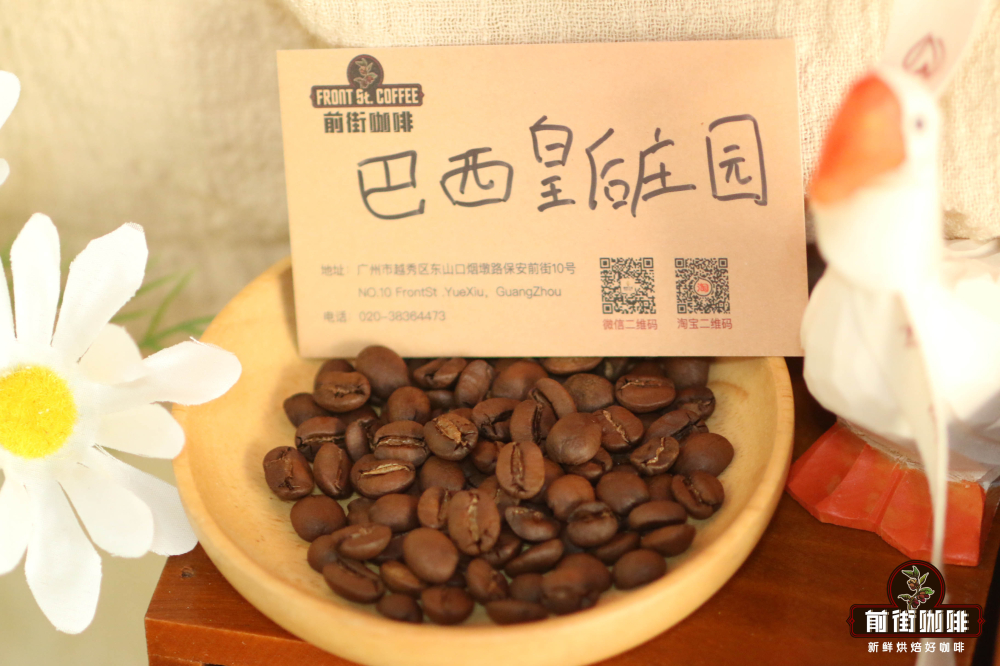
2. PWN Golden Mandheling SOE
A premium Mandheling from Indonesia, carefully selected by PWN from Grade G1 beans and further handpicked multiple times to ensure consistent quality. The flavor is dominated by dark chocolate, pine, nuts, and caramel, with a hint of herbal notes—a classic representation of deep-roasted flavors.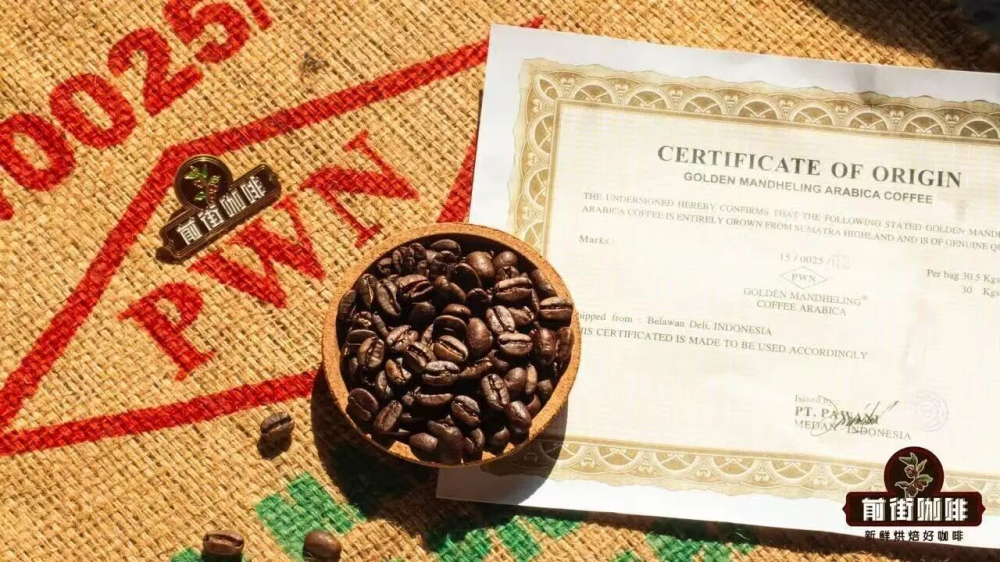
3. Colombian Sidra SOE
Sourced from the Boundary Line Estate in the Huila region, an area near volcanoes that provides rich minerals and unique terroir. This bean is processed using double anaerobic natural fermentation and is medium roasted. It features a complex flavor profile including passion fruit, grape, berries, and apricot—perfect for those who enjoy fruity notes and a balanced sweet-and-sour taste.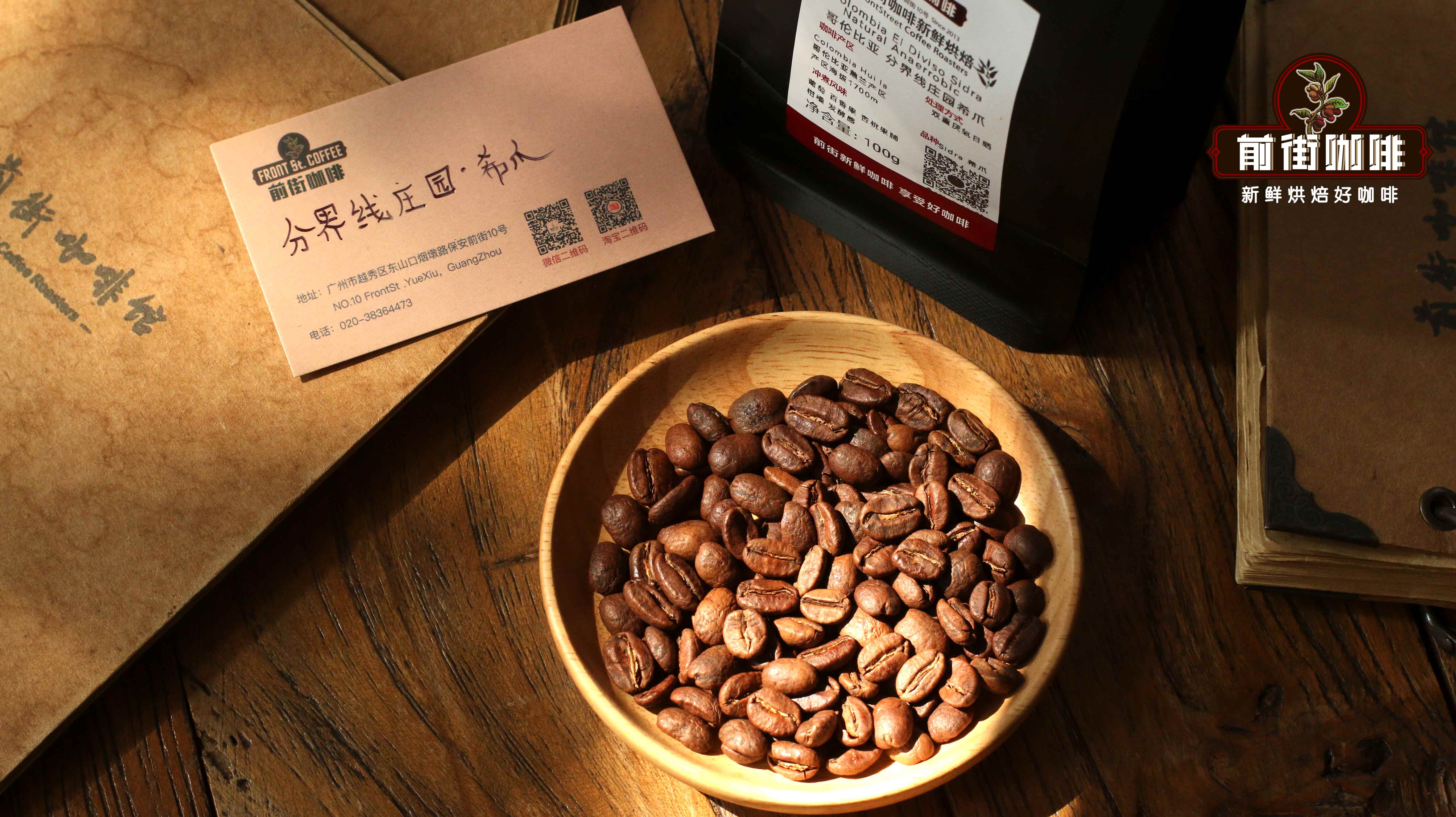
When using a moka pot, besides choosing the right beans, don’t forget to pay attention to grind size (recommended to be similar to caster sugar), coffee bed tamping, and heat control—all of which directly affect extraction results and flavor. Selecting freshly roasted beans (ideally within 7–21 days post-roast) will bring out the full aroma and complexity.
In summary, the moka pot is well-suited for medium-dark roasted single-origin beans, not only highlighting regional characteristics but also delivering a rich and smooth taste in espresso-style extraction. With the right beans and basic techniques mastered, you too can enjoy a professional-level moka pot coffee experience at home.
The above content is compiled by CoffeeHunters, a coffee news website.


