








Introduction:Want to brew espresso at home that rivals what you get in cafés? The moka pot, a classic Italian household appliance, is beloved for its simple operation and affordability. This article not only guides you through the correct steps for using a moka pot but also selects four medium-to-dark roasted coffee beans perfect for it. From bean selection and water pouring to heat control, we’ll break down how to brew a rich cup of coffee with abundant crema (foam), even for beginners.
The moka pot was invented in 1933 by Italian designer Alfonso Bialetti and is one of the most iconic home brewing devices in Italian coffee culture. Its design was inspired by the principle of steam distillation. By using the steam pressure generated from heating, it pushes water up through finely ground coffee, extracting a rich and bold coffee liquid similar to café espresso—without the need for expensive professional machines.

The moka pot mainly consists of three parts: the lower chamber holds the water, the filter basket contains finely ground coffee, and the upper chamber collects the brewed coffee. When the water in the lower chamber is heated to boiling point, the steam pressure forces the hot water through the coffee grounds in the filter basket, eventually gathering in the upper chamber to form a cup of coffee with a strong flavor.
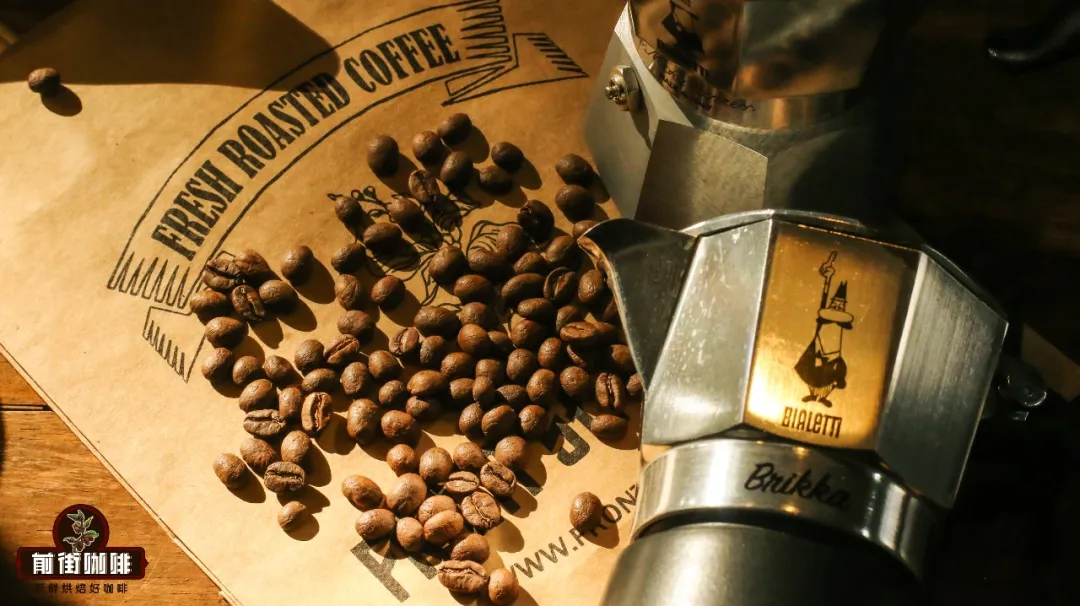
To successfully brew a great cup of coffee with a moka pot, you’ll need: a moka pot, a suitable electric stove (or gas stove with a stable stand), freshly roasted coffee beans, and a grinder. It’s recommended to use medium-to-dark roasted beans, as these typically showcase richer, fuller flavors and are more likely to produce an attractive crema (foam layer).
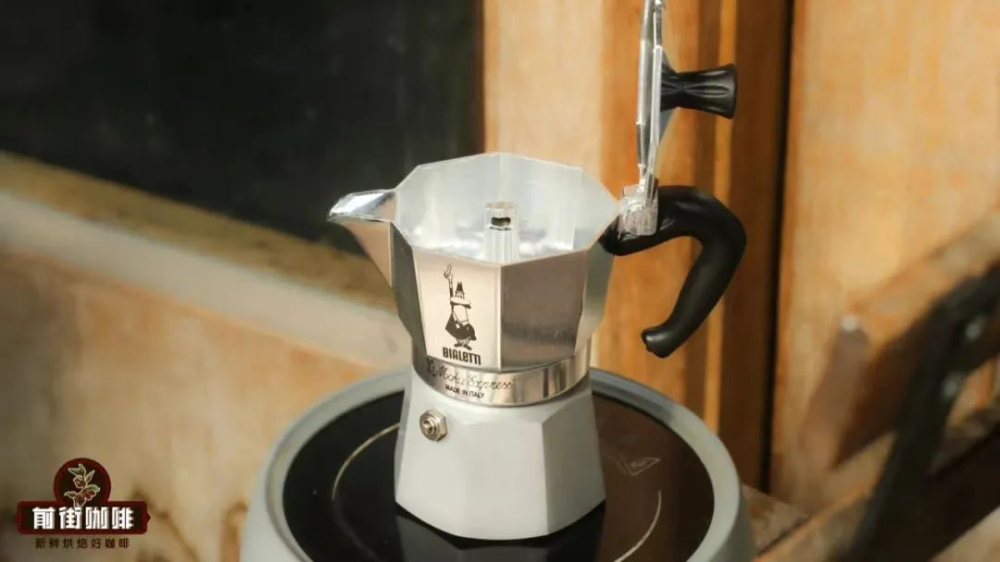
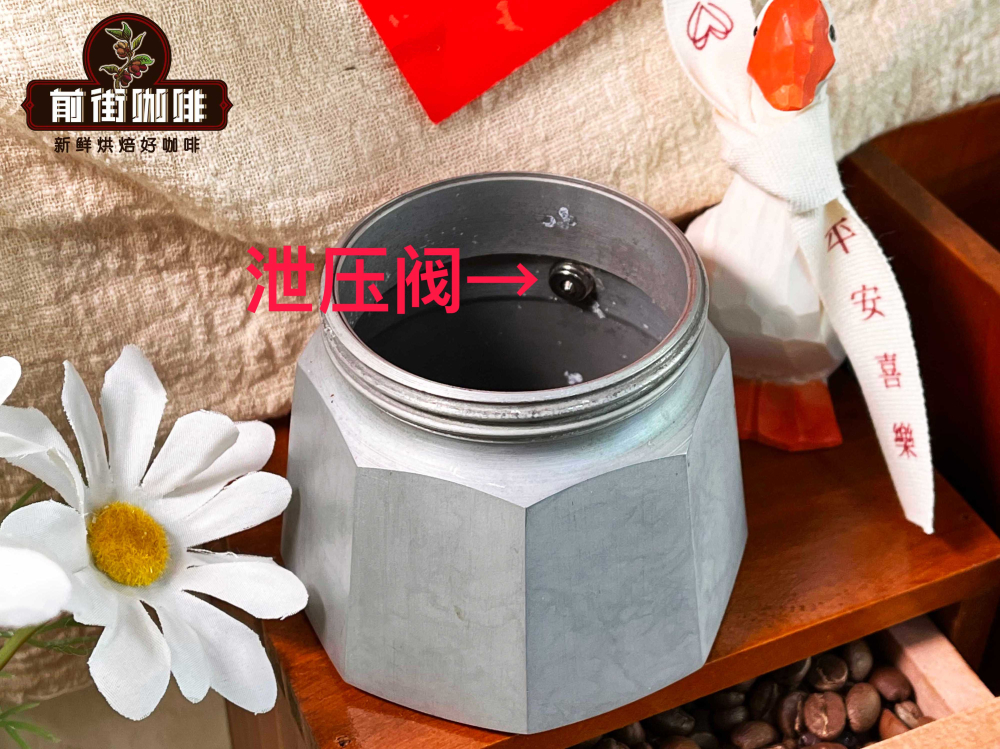
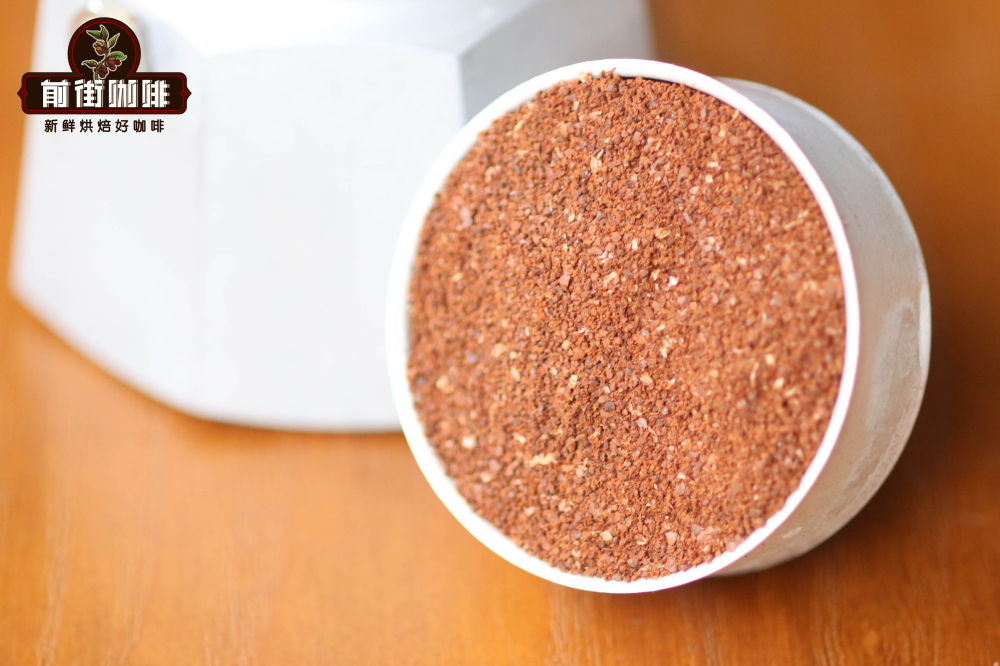
In practice, start by filling the lower chamber with water, making sure the water level does not exceed about 0.5 cm below the safety valve to avoid steam entering the upper chamber and affecting the taste. Next, grind the coffee beans to a slightly coarser consistency than what’s typically used for espresso machines. Fill the filter basket with the ground coffee, gently tamp it down, and then use a distribution technique to evenly level the surface—ensuring the coffee bed is compact but without any loose grounds escaping. This helps prevent over-extraction or uneven extraction.
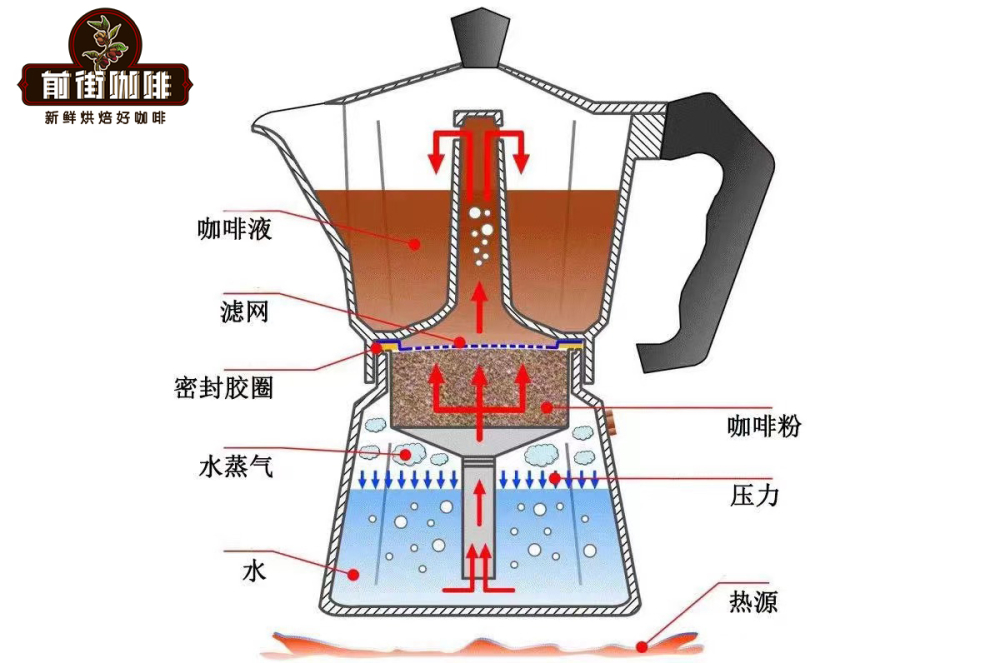
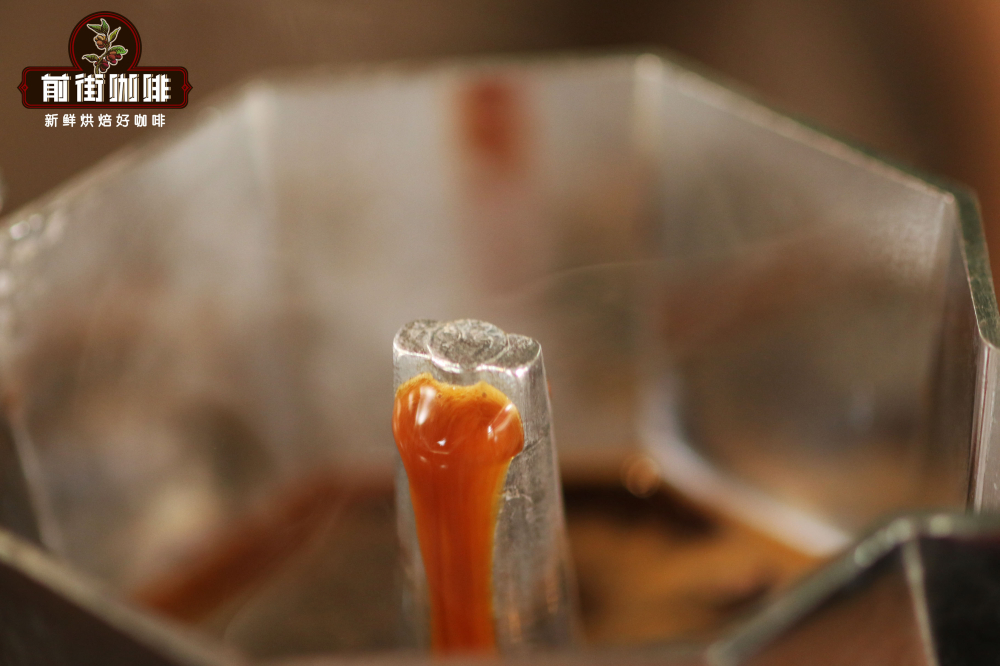
Once the moka pot is assembled, heat it over high heat. When you hear a distinct “wuu wuu” sound, it means the internal pressure has reached the appropriate level. At this point, immediately reduce the heat to low and open the upper chamber lid to observe the extraction. When the coffee begins to flow and reaches about halfway up the upper chamber, turn off the heat. Use the residual heat to push out the remaining coffee, which not only saves energy but also enhances the complexity of the flavor.
Regarding crema (foam), this golden layer is actually formed by carbon dioxide bubbles released during the coffee roasting process, and it’s especially prominent in medium-to-dark roasted beans. Therefore, using freshly roasted beans that have gone through an appropriate resting period (about 4–7 days) can result in a richer crema, and the overall flavor of the coffee will be more balanced and vibrant.
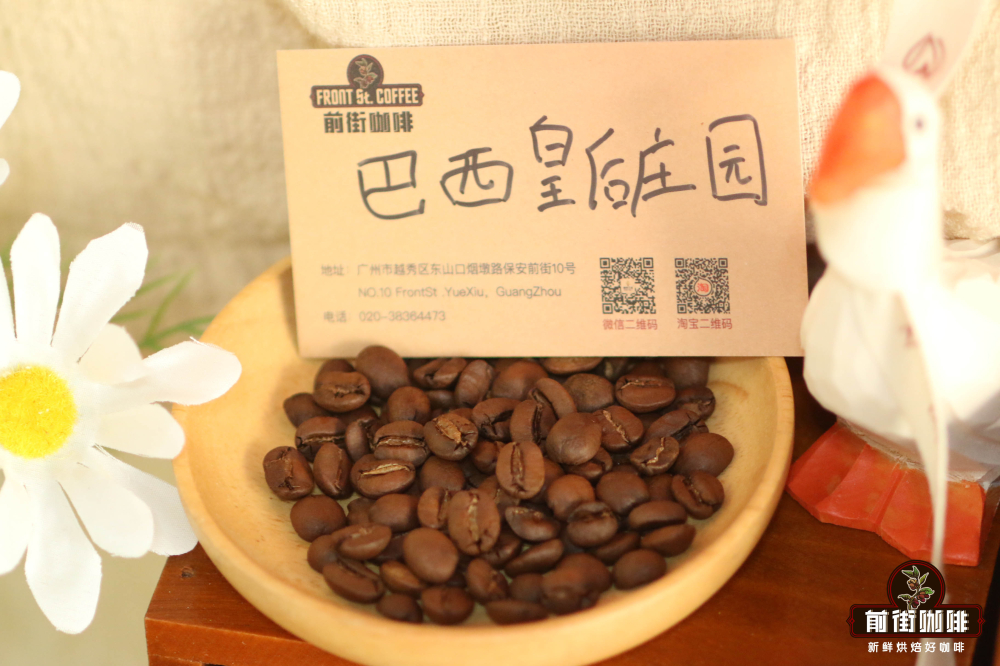
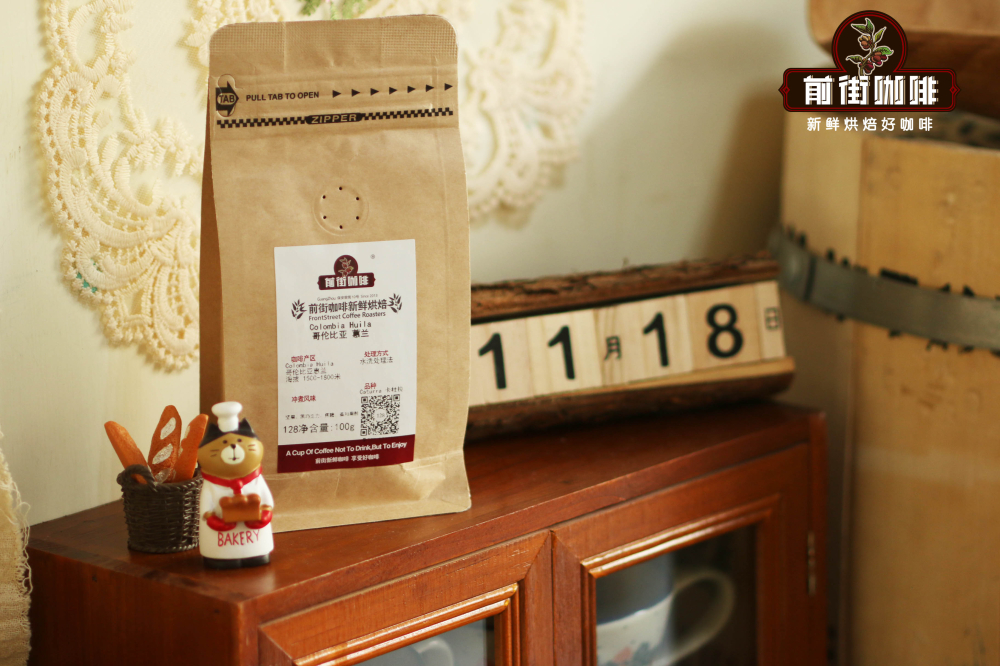
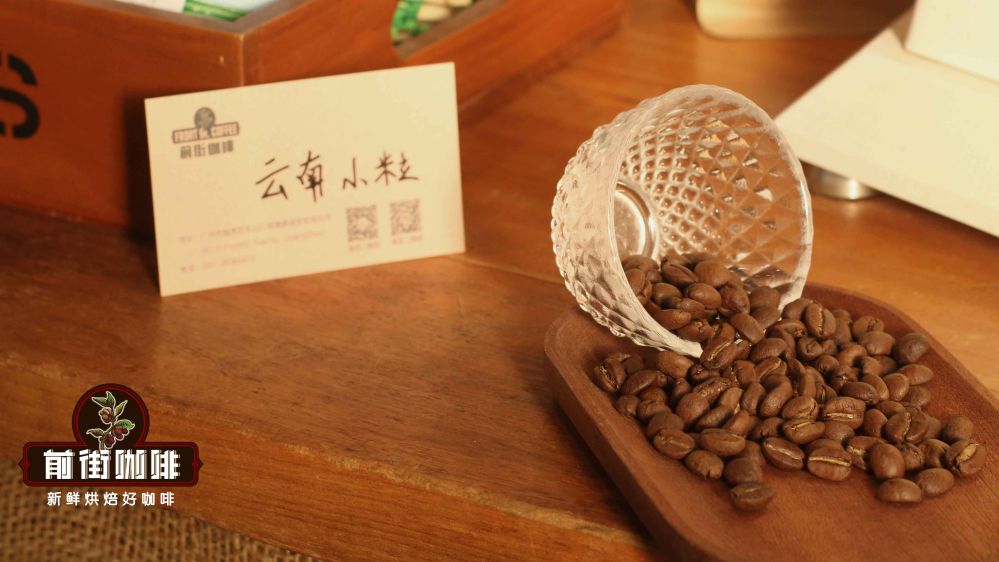
If you’d like to enjoy a variety of coffee flavors at home, here are four great medium-to-dark roasted everyday beans worth trying: First is the Yellow Bourbon from Brazil’s Queen Estate, offering intense notes of nuts, chocolate, and caramel; the Caturra variety from Colombia’s Huila region showcases a balance of gentle acidity and dark chocolate. The Golden Mandheling from Indonesia’s Sumatra, processed with the wet-hulled method, emits unique hints of spices and sandalwood; while Yunnan smallholder coffee, processed with the washed method, delivers a harmonious blend of nuts, brown sugar, and tea-like flavors. Each of these beans is highly suitable for moka pot brewing and offers excellent value for money.
Whether you prefer pure black coffee or want to add milk to make a latte, these coffee beans deliver consistent and layered flavor profiles. With the right moka pot techniques and bean selection, you too can easily recreate a café-quality espresso experience at home.




The above content is compiled by CoffeeHunters, a coffee news website.


