







Category: Coffee Knowledge
How to Read Coffee Futures Prices? Understand Everything from Climate, Policy to Market Fluctuations in One Go
Coffee futures are not only a key indicator in the investment market but also directly impact the economic lifeline of global coffee-growing regions. This article will take you deep into the key factors influencing coffee bean prices, including climate anomalies, international policies, market supply and demand, and seasonal cycles, helping you grasp market trends and understand the potential opportunities and risks of investing in coffee futures. [more…]
A Comprehensive Guide to Panamanian Geisha Beans: NINETY PLUS Grades, Processing Methods, and Brewing Recommendations
This article delves into Panamanian Geisha coffee beans produced by NINETY PLUS, analyzing its three patented processing methods—W2, N2, and H2—and the rigorous grading system from L5 to L95. It highlights three representative beans: W2-L21 Lycello, H2-L39 Juliette, and N2-L39 Perci Red. From green bean characteristics and flavor profiles to optimal extraction ratios, it provides practical pour over parameters and tasting insights. [more…]

Smart Coffee Machines and Blends: Key Choices for Professional-Grade Home Brewing
Want to enjoy professionally brewed freshly ground coffee at home? Choosing the right smart coffee machine and coffee beans is the key. This article takes an in-depth look at the core features of the Bruvelo fully automatic coffee machine, including automatic water filtration, precise grinding, multi-stage temperature control, and the ability to adjust extraction modes via a smartphone app. It also recommends two classic espresso blends: the Black Cocoa Blend, ideal for beginners, and the Classic Blend, known for its rich crema and suited for more advanced users, helping you easily brew your ideal cup of coffee. [more…]

Comparison of 5 Espresso Blends | A Guide to Choosing from Fruity to Bold
Choosing the right espresso blend is key to enhancing your home brewing experience. Blending is more than just mixing — it’s a delicate balance of flavors. This article dives deep into five popular types of espresso blends, including bold and rich, fruity and vibrant, nutty, rich in crema, and high-value options. Through specific bean examples, we’ll help you understand different flavor profiles and suitable scenarios, guiding you to find the blend that suits your taste best. [more…]
Le Nez du Café 36 Aroma Kit Tutorial: A Complete Guide to Q-Grader Olfactory Training and Flavor Categorization
Want to enhance your sensitivity to coffee flavors? Le Nez du Café is an indispensable tool for professional baristas and Q-Grader training. With 36 aroma vials, it helps you build a comprehensive coffee scent memory bank. This article details the four major flavor categories, the 36 aroma numbers and their actual names, and combines Q-Grader olfactory training scenarios to provide practical sniffing techniques and learning tips, enabling you to identify flavors more accurately. [more…]
How are green coffee beans graded? A complete guide to screen size, altitude grades, and country-specific grading codes
Dive deep into the grading system of green coffee beans — from common screen sizes and altitude classifications to the grading standards and codes of major producing regions worldwide such as Kenya, Colombia, Brazil, and Ethiopia. This will help you master the skills of evaluating green bean quality, whether for import selection, roasting adjustments, or flavor prediction. [more…]
Complete Guide to Kenyan AA Coffee Beans: Flavor, Origin & Grading Explained
Kenyan AA coffee beans, known for their bright acidity and rich complexity, are a top choice for many coffee enthusiasts. This article delves into Kenya’s coffee-growing regions, bean varieties, harvesting processes, and meticulous washed processing methods. It also details the official grading system based on bean size and density—from the premium AA grade to the special TT grade—helping you select the best specialty beans for your pour over or extraction. [more…]

How to Drink Robusta Coffee Beans? A Practical Guide from Flavor Drawbacks to Specialty Blends
Robusta coffee beans are often regarded as low-grade material, but they actually have irreplaceable advantages. This article starts with the origin and botanical background of Robusta, analyzes its differences from Arabica, and explores its crucial role in espresso. Whether you're a coffee beginner or want to understand the technical details of blends, you can grasp the practical applications and flavor characteristics of Robusta from this. [more…]
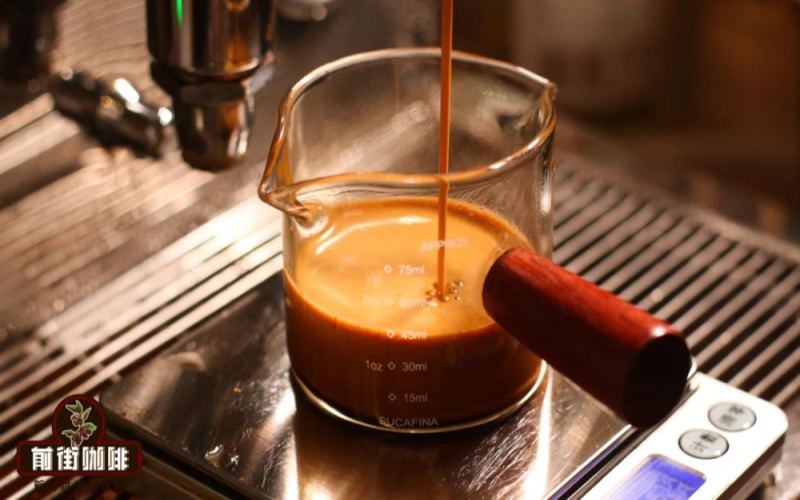
What to do if your espresso has no crema? A comprehensive analysis of 5 major causes and extraction parameter adjustments
The golden crema on top of espresso is a key indicator of quality and flavor, yet many coffee enthusiasts often struggle with thin or even missing crema during extraction. This article delves into the five core factors affecting crema formation, including coffee bean freshness, roast level, extraction parameters, bean variety characteristics, and machine pressure. It also provides specific diagnostic tips for common issues such as under-roasted beans, beans stored for too long, insufficient pressure, overly coarse grind, and improper water temperature. [more…]
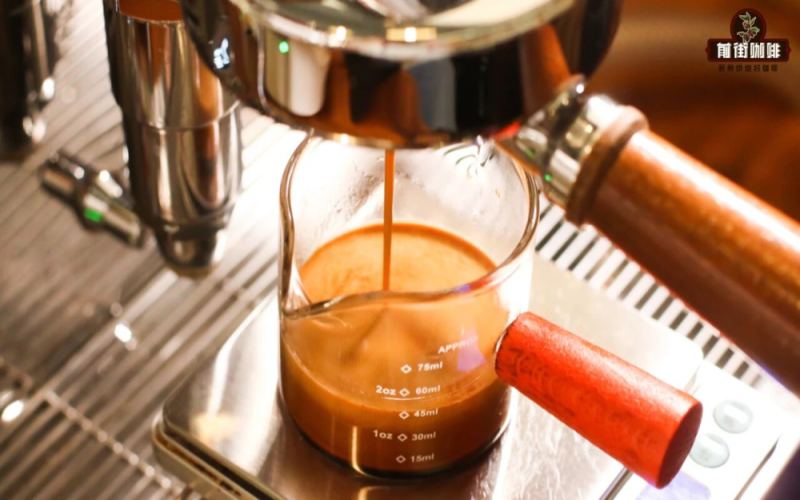
Analysis of Failed Crema Extraction in Espresso: A Complete Guide to Color, Thickness, and Key Influencing Factors
The crema (the oily layer) on the surface of an espresso shot is not only a visual highlight but also an important indicator of extraction quality. However, many coffee enthusiasts often encounter issues such as overly dark or light crema, or even no crema at all during the brewing process. This article will delve into the principles behind crema formation and analyze key factors—including coffee bean freshness, roast level, bean variety, grind size, water temperature, and extraction pressure—to help you identify the root causes and master the art of producing [more…]
How is Indonesian civet coffee made? An analysis of the unique processing behind its distinctive flavors
Civet coffee (Kopi Luwak) is hailed as one of the most expensive coffees in the world, and its unique production method sparks both curiosity and amazement. This article will delve deep into the entire process of civet coffee—from collection to processing—analyzing the secrets behind its rounded aroma and reduced bitterness, while also discussing the current market situation and the true flavor profile. It will take you through the story and truth behind this legendary coffee. [more…]
Unveiling the Flavors of Ethiopian Harar Mocha: Origin, Processing Methods & Pour Over Recommendations
Harar Mocha coffee beans are renowned for their unique exotic aroma and dried fruit character, making them a classic not to be missed for Arabica lovers. This article delves into the characteristics of its high-altitude growing regions, the traditional natural (sun-dried) processing method, and introduces the flavor profiles of Ethiopia’s six well-known coffee-growing areas. Finally, it provides practical pour over parameters to help you fully experience the authentic charm of Mocha. [more…]
Guatemalan Antigua Coffee Beans: A Pour Over Gem Nurtured by Volcanic Soil and a Flavor Analysis
Explore how Guatemalan Antigua coffee, shaped by volcanic geology and centuries of cultural heritage, achieves its distinctive smoky aroma and balanced flavor. This article delves into the flavor profile of this specialty coffee bean, the ideal brewing methods, and the dedication of the indigenous growers behind it — offering you a comprehensive understanding of this classic choice, beloved by pour over enthusiasts, from flavor to history. [more…]
How is Jamaican Blue Mountain coffee graded? A buying guide from bean size to defect rate
Jamaican Blue Mountain coffee is renowned for its rarity and high quality, yet many people have only a vague understanding of its grading standards. In fact, the grade of Blue Mountain coffee is not determined solely by its growing region, but is rigorously classified based on bean size and defect rate. This article will explain in detail the grading criteria for Blue Mountain No. 1 to Peaberry, helping you choose high-quality Blue Mountain coffee more wisely, and understand the importance of vintage and estate background. [more…]
Unveiling the Origins of Indonesian Civet Coffee | A Comprehensive Analysis of Its High Price and Flavor Profile
Kopi Luwak, also known as civet coffee, is globally recognized as one of the most expensive types of coffee, with prices exceeding $227 per pound. This rare coffee from Indonesia originates from coffee beans that have been eaten and excreted undigested by civet cats. This article delves into its production background, processing method, reasons behind its high cost, and analyzes its unique flavor, offering you a full understanding of the charm and mystery of this so-called "cat poop coffee." [more…]
A Complete Guide to Coffee Varieties & Flavors: An Introductory Guide from Grinding to Tasting
Want to delve deeper into the unique flavors and characteristics of coffee beans from different countries? This article will detail the traits of renowned origin coffees such as Blue Mountain, Colombia, Santos, Mocha, and Mandheling, and share essential points on coffee bean grinding, extraction principles, and tasting techniques. Whether you’re a beginner or an experienced coffee enthusiast, you’ll gain practical knowledge on selecting beans and brewing methods. [more…]

Complete Guide to Ethiopian Coffee Regions: Flavor Profiles and Grading from Yirgacheffe to Harrar
As the birthplace of Arabica coffee, Ethiopia is home to multiple renowned coffee-growing regions, each producing distinctive flavors due to differences in altitude, processing methods, and varieties. This article provides an in-depth analysis of the flavor profiles, grading systems, and naming conventions of major regions such as Yirgacheffe, Sidamo, and Harrar, while also supplementing practical extraction parameters and processing method descriptions to help readers master the key insights for selecting and brewing premium Ethiopian coffee. [more…]
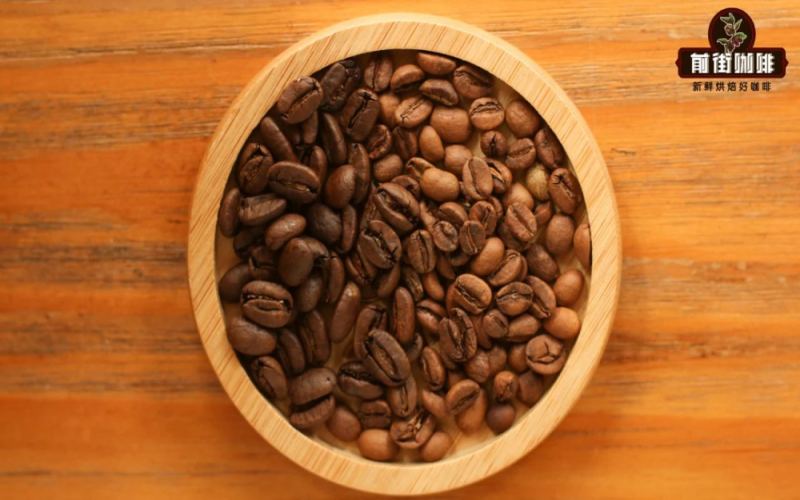
A Deep Dive into Coffee Roasting: Four Key Flavor Elements and a Pour Over Bean Selection Guide
Roasting is not just a step in coffee bean processing—it’s the core process that shapes flavor. From bitterness, acidity, body, and sweetness to unique aromatic profiles, every taste and scent is the result of chemical reactions during roasting. This article will break down how these five elements influence a coffee’s final expression, and based on floral-fruit and nutty flavor directions, recommend beginner-friendly options suitable for different brewing methods to help you find your own coffee flavor. [more…]

Drip Coffee for Beginners: Master Grinding, Bean Selection, and Machine Operation in One Go
As one of the most accessible coffee brewing methods, drip coffee is not only easy to operate and suitable for daily drinking, but also showcases the original flavors of single-origin beans. However, brewing a well-balanced and delicious Americano involves knowledge in everything from bean selection and grind size to equipment pairing. This article delves into the principles of drip coffee, explores how grind size affects extraction, and offers practical advice on equipment operation and bean recommendations to help beginners easily master this classic technique. [more…]

Moka Pot Beginner's Guide: A Complete Walkthrough for Two-Servings & Extraction Adjustment Tips
The moka pot is often the starting point for many coffee beginners exploring espresso-style flavors. Thanks to its simple operation and great cost-performance ratio, it becomes a practical tool for brewing rich coffee at home. This guide uses a two-valve, two-serving moka pot as an example, detailing every step from selecting the pot, adding water, filling with coffee grounds, heating, to completing the extraction. It also provides specific adjustment suggestions for common issues like under-extraction or over-extraction, helping you easily brew coffee with thick crema and distinct flavor layers. [more…]