







Introduction:The golden crema on top of an espresso shot is a key indicator of quality and flavor, yet many coffee enthusiasts often struggle with thin or even absent crema during extraction. This article delves into the five core factors that influence crema formation—including coffee bean freshness, roast level, extraction parameters, bean variety characteristics, and machine pressure—and offers practical troubleshooting tips and adjustments for common issues such as under-roasted beans, stale coffee, insufficient pressure, overly coarse grind, and improper water temperature. Whether you're using a home or commercial espresso machine, these insights will help you pull rich, creamy, and well-layered shots every time.
The golden crema on the surface of an espresso is hailed as the soul of Italian coffee. However, many coffee lovers often encounter situations where the crema layer is thin or completely missing during actual extraction. This not only affects the appearance but also directly impacts the taste and aroma of the coffee. Drawing from practical experience, this article systematically analyzes the five key factors that lead to the absence of crema in espresso and provides specific diagnostic methods and adjustment directions for common problems.
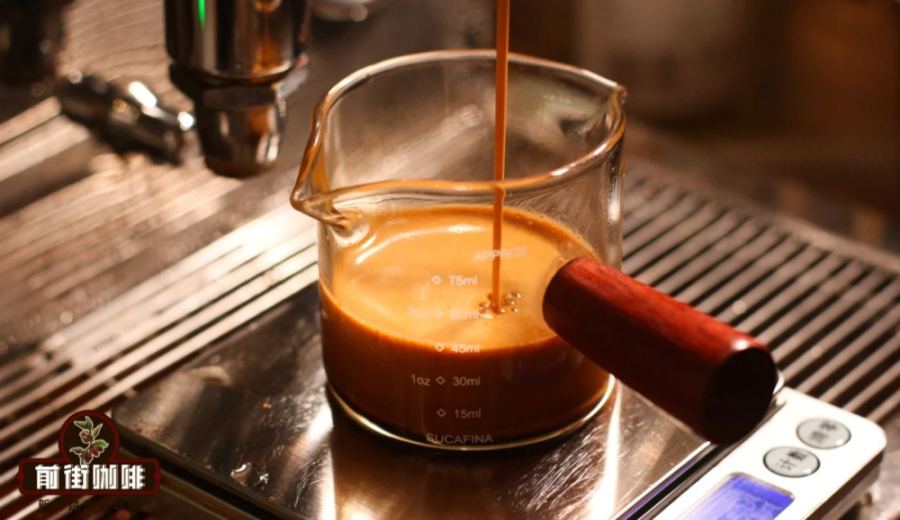
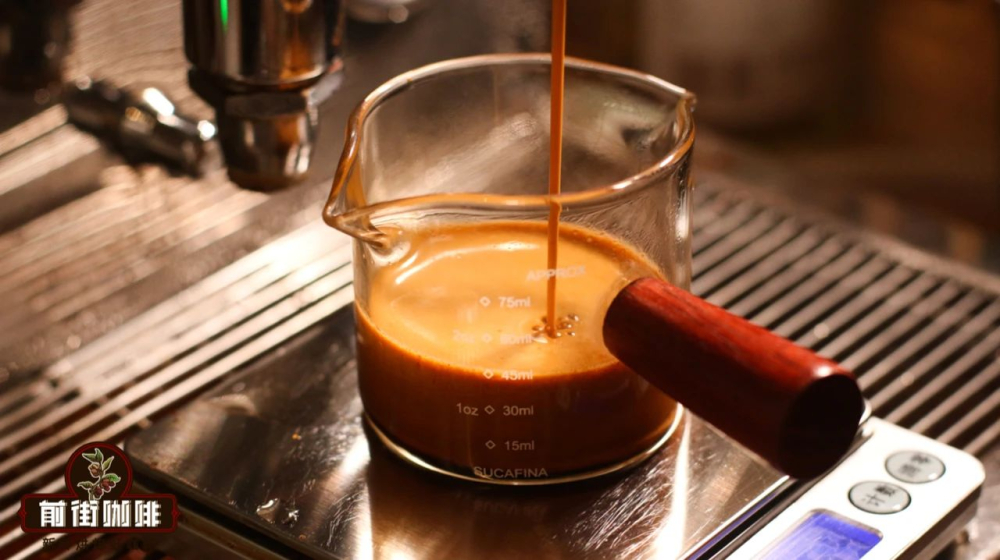
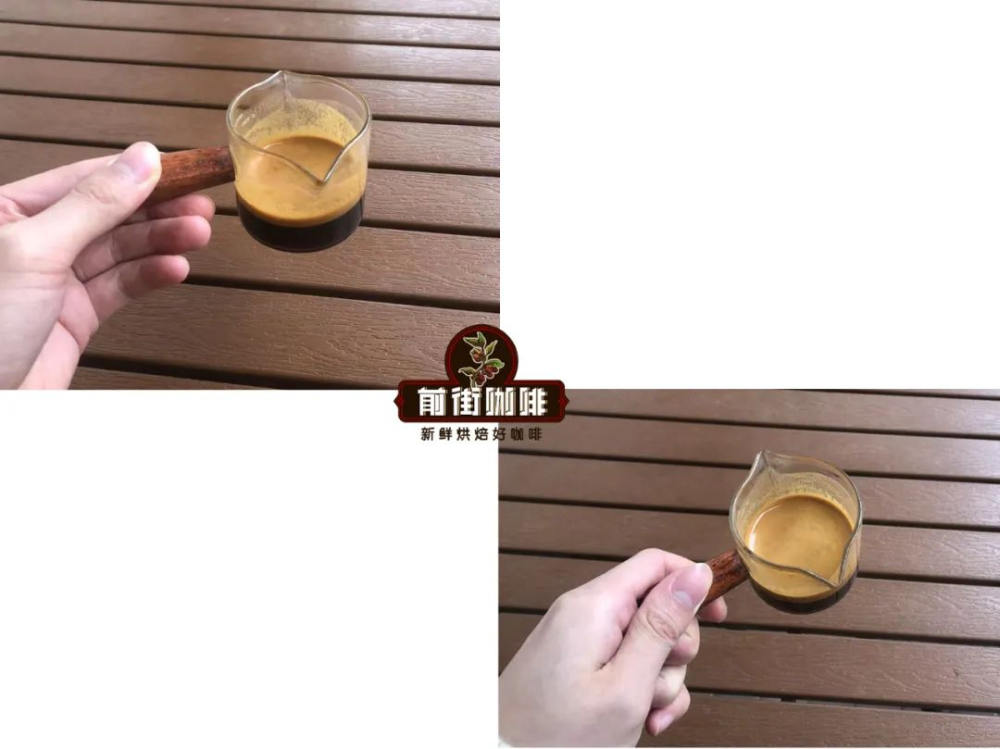
A properly extracted espresso shot should have a crema covering about one-third of its volume—creamy in texture like butter, with visible clinging effects when gently shaken. If the extracted coffee has no crema at all or only a very thin, pale film on top, it indicates that something has gone wrong. The issue could stem from the coffee beans themselves or from improper machine settings or technique.
There are multiple factors that affect crema formation in espresso. Below are the five key elements:
a. Freshness of the Coffee Beans
The formation of coffee crema is closely related to the carbon dioxide trapped inside the beans. Freshly roasted coffee beans contain abundant CO₂, which helps create a fine and stable crema layer during extraction. Therefore, the richness of the crema can often serve as a direct indicator of bean freshness. Generally speaking, coffee beans roasted within the last 5 days are most suitable for espresso extraction.
b. Roast Level of the Coffee Beans
Under the same freshness conditions, darker-roasted coffee beans typically produce richer crema. Dark roasts, due to their high-temperature and long-duration processing, release more volatile compounds and oils, which contribute to a denser and more intense crema.
c. Extraction Level
The color depth of the crema also reflects the success of the extraction. A darker crema usually means more soluble substances from the coffee have been successfully extracted, often indicating better extraction quality.
d. Variety of the Coffee Beans
Different coffee varieties vary in their ability to produce crema. Generally, Robusta beans, due to their higher caffeine and oil content, can generate a thicker crema layer compared to Arabica beans. For this reason, some commercial blends include around 10% Robusta to enhance crema performance.
e. Extraction Pressure of the Espresso Machine
The key to an espresso machine’s ability to produce thick, golden crema lies in its stable 9-bar extraction pressure. The greater the pressure, the more effectively it can squeeze out the essence and oils from the coffee puck, forming a jelly-like crema layer.
Next, we’ve compiled several common issues that lead to crema loss, along with corresponding diagnostic methods and adjustment approaches:
① Coffee Beans Are Roasted Too Light
Coffee beans on the market are generally divided into light-roasted single-origin beans suitable for pour over, and dark-roasted blends ideal for espresso. Using light-roast beans for espresso often results in a thin crema layer with a pale yellow or almost white color. This is because the light roast process releases fewer volatiles and oils, making it difficult to form a dense crema. When purchasing, pay special attention to the intended use of the beans and opt for dark roasts or SOE (Single Origin Espresso) beans specifically designed for espresso machines.
② Coffee Beans Are Not Fresh
If the extraction process seems normal but the crema is still sparse, it’s very likely that the coffee beans are no longer fresh. Espresso is highly sensitive to bean freshness. Beans that are too fresh may produce unstable crema that dissipates quickly due to excess CO₂, while beans that have been stored for too long may fail to produce any crema at all. As a general rule, espresso beans enter their optimal extraction window between the 7th and 10th day after roasting. After the degassing (resting) period, the next roughly 60 days represent the golden period for both flavor and crema. Beyond this timeframe, both aroma and crema quantity will noticeably decline (this recommendation assumes normal storage conditions, not nitrogen-sealed environments).
③ Insufficient Pressure from the Espresso Machine
This issue is especially common in home or small commercial espresso machines. To produce rich crema, the machine must deliver stable 9-bar pressure. If the machine’s pressure output is unstable or fails to meet this standard, it will directly affect the formation and texture of the crema.
④ Coffee Grind Is Too Coarse
Grind size is another critical factor influencing crema. If the grind is too coarse, the water flows through too quickly, which can cause channeling, uneven extraction, and result in a thin, pale crema layer. The overall flavor of the espresso will also be weaker. A good benchmark is 20 seconds—if your shot pulls in under 20 seconds and yields twice the dose volume, it likely means the grind is too coarse and should be adjusted finer.
⑤ Water Temperature Is Too Low
The ideal water temperature for pulling espresso is around 93°C. If the temperature is too low, it hinders the release of soluble substances and oils from the coffee, making it difficult to form crema. Additionally, many home espresso machines require more than 10 minutes of preheating to reach a stable temperature. Brewing before the machine is fully heated can also lead to insufficient water temperature, resulting in crema loss and a sour-tasting shot.
The above content is compiled by CoffeeHunters, a coffee news website.


