







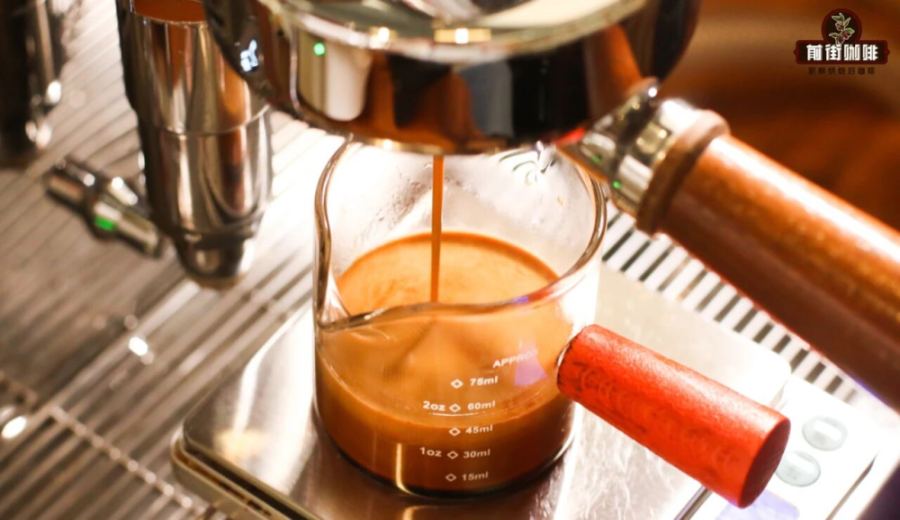
Introduction:The crema (coffee foam) on the surface of espresso is not only a visual highlight but also an important indicator of extraction quality. However, many coffee enthusiasts often encounter issues such as overly dark, overly light, or even completely absent crema during the brewing process. This article will delve into the principles behind crema formation and analyze key factors including coffee bean freshness, roast level, bean variety, grind size, water temperature, and extraction pressure. This will help you identify the root causes of problems and master the secrets to producing golden, thick, and stable crema.
The golden layer of foam on the surface of espresso, commonly known as crema, is considered the "soul" by many coffee lovers. Ideally, crema should cover about one-third of the coffee liquid, have a fine texture, feel creamy and smooth when swirled, and show clear clinging to the sides of the cup—indicating uniform extraction, sufficient pressure, and good bean condition. But in practice, many users find that their espresso either has very thin crema or none at all, which can be quite confusing. What exactly causes crema to fail to form properly? In fact, this involves multiple variables such as bean variety, roast degree, freshness, grind size, water temperature control, and espresso machine pressure, all of which need to be checked one by one.
What is ideal crema?
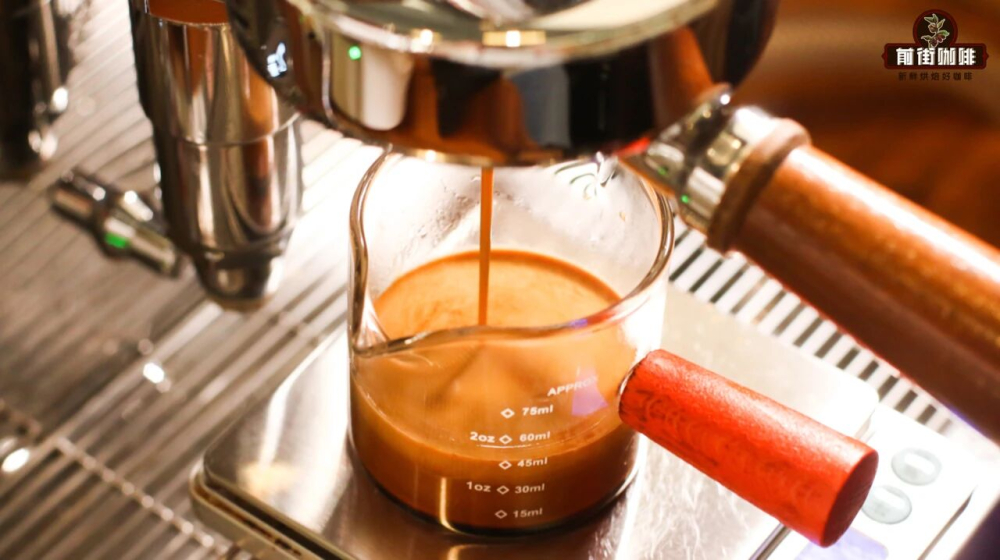
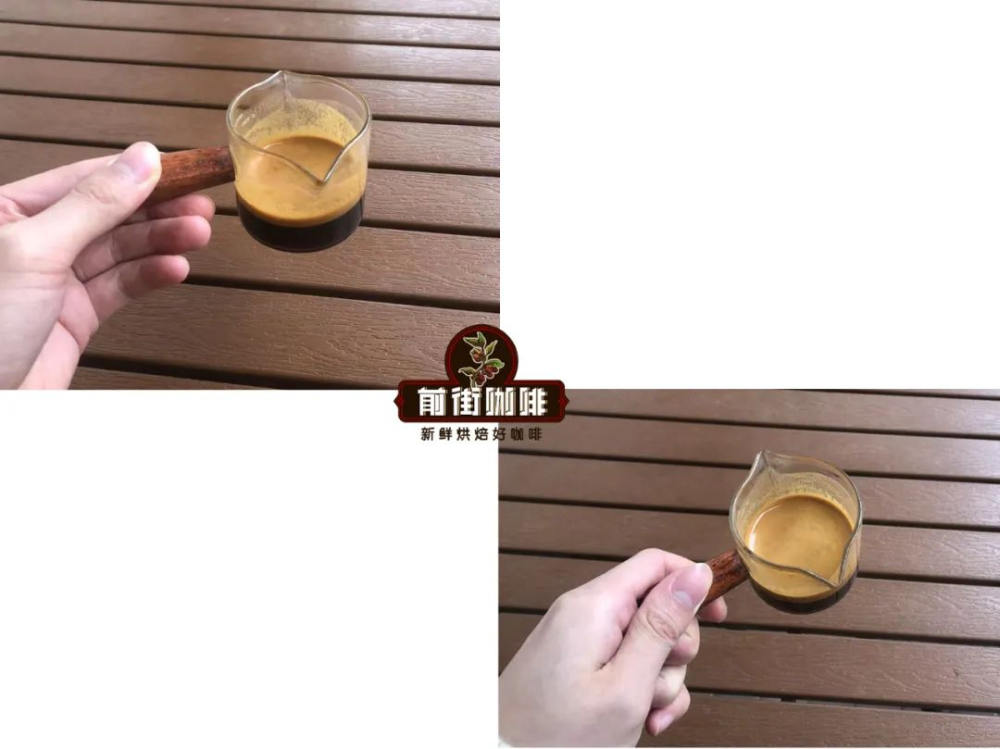
A normally extracted shot of espresso should have a golden to amber-colored foam layer covering about one-third of its surface. This layer, when gently swirled, should have a smooth, creamy texture and exhibit clear clinging to the cup walls, indicating even extraction, adequate pressure, and good coffee bean condition. If the extracted coffee has no crema at all or an extremely thin layer of foam, it usually means something has gone wrong in the process.
Six key factors affecting crema performance
There are many factors that influence crema, mainly including:
a. Coffee bean freshness
The formation of crema relies on the combination of carbon dioxide and oils within the coffee beans. Freshly roasted beans contain a large amount of carbon dioxide, which is released during extraction and combines with the oils to form a fine and stable crema. Therefore, the fresher the beans, the thicker and more elastic the crema usually is. In contrast, beans that have been stored for too long have gradually lost their carbon dioxide and struggle to form a satisfying layer of foam.
b. Roast level
Assuming the same level of freshness, dark-roasted coffee beans typically undergo more thorough caramelization, resulting in higher levels of released carbon dioxide and oils, thus often producing a thicker and darker crema. Lighter-roasted beans, due to lower fermentation levels, generally yield thinner and lighter-colored crema.
c. Extraction level
The color of crema can also reflect the amount of soluble substances dissolved during extraction. A darker color usually indicates that more soluble material has entered the coffee, signifying a more thorough extraction. But if the color is too dark, it may also suggest over-extraction, requiring adjustments in grind size or extraction time.
d. Coffee bean variety
Different varieties of coffee beans have varying levels of oil and gas content. Generally speaking, Robusta beans, due to their high oil content, can produce richer crema compared to Arabica beans. For example, some commercial blends deliberately include a small amount of Robusta beans to enhance the crema performance.
e. Espresso machine pressure
The formation of crema is closely related to the pressure during extraction. Traditional espresso machines extract the essence and oils from the coffee puck using about9barhigh pressure. If the pressure is insufficient—for instance, if home machines cannot consistently reach this standard—the crema layer is often thin or may not form at all.
Common reasons for poor crema: analysis
① Overly light roast
Coffee beans on the market are generally divided into two main categories: light roasts suitable for pour over and dark roasts suitable for espresso. If you use a light-roasted single-origin bean designed for pour over to make espresso, the lower release of oils and carbon dioxide will usually result in thin crema with a pale yellow or near-white color, unable to deliver the full-bodied feel that espresso should have. When purchasing, be sure to confirm the intended use of the beans; it’s recommended to choose blends or SOEs specifically designed for espresso.
② Stale coffee beans
Freshness has a huge impact on crema. If the beans are too fresh (for example, within three days of roasting), the internal gases may not have stabilized, causing the crema to be overly fluffy and prone to dissipating quickly. On the other hand, if the beans are more than two months old or have passed their best-before date, most of their carbon dioxide and oils have been lost, making it impossible to form good crema. It is generally recommended to start using espresso beans between7 to 10 daysafter roasting and consume them within60 days.Storage should also ensure protection from light, a sealed environment, and low temperatures.
③ Insufficient espresso machine pressure
Crema relies on stable9barpressure to form properly. Some home or small commercial espresso machines may, due to design limitations, be unable to provide sufficient extraction pressure, leading to thin or absent crema layers. If you suspect your machine’s pressure is unstable, it’s advisable to check the machine specifications or seek professional calibration.
④ Improper grind coarseness
An overly coarse grind can cause the water to flow too quickly, leading to uneven extraction and channeling effects, resulting in lighter-colored and thinner crema. If a double shot (about 30ml–60ml) finishes extracting in less than20 seconds,it usually indicates the grind is too coarse, and you should adjust to a finer grind to extend extraction time and improve crema performance.
⑤ Too low water temperature
The ideal water temperature for extracting espresso is about93°C. If the water temperature is too low, it may lead to under-extraction and difficulty in forming crema. Additionally, some home machines require longer preheating times, and starting extraction without sufficient heating can also result in suboptimal water temperature, affecting crema and causing the coffee to taste overly acidic. It’s recommended to allow the machine to complete its preheating cycle before use, and you may also use a thermometer to confirm the actual water temperature.
The above content is compiled by CoffeeHunters, a coffee news website.


