







Introduction:To understand the charm of Yirgacheffe’s flavor profile, starting with the differences between washed and natural processing methods is the best approach. This article delves into two representative beans from a well-known coffee brand—Gudingding Washed and Red Cherry Natural—and explores their unique characteristics in aroma, acidity, and sweetness. Using a practical pour over brewing example, we’ll also detail the pouring techniques and parameters for a 15g dose at a 1:15 coffee-to-water ratio to help you consistently extract a clean, bright, and layered Yirgacheffe cup.
Yirgacheffe serves as an entry point for many coffee beginners into the world of light-roast fruity acidity. Its bright acidity and delicate floral notes make it approachable even for those new to specialty coffee. The two Yirgacheffe offerings from a well-known coffee brand—washed Gudingding and natural Red Cherry—are classic examples showcasing how the same origin can produce vastly different flavors through varying processing methods. This article will begin with a look at the craft background, guiding you through the evolution of washed and natural processes, and explaining how medium-light roasting preserves the delicate traits of tropical fruits, citrus, and florals. At the same time, using a 15g coffee dose and a 1:15 coffee-to-water ratio as a foundation, we’ll walk through the step-by-step process and key parameters of a three-stage pour over to help you brew a clear-flavored, layered Yirgacheffe cup at home.
Pour over coffee enthusiasts are likely familiar with a well-known brand’s Yirgacheffe offering. This Ethiopian coffee, with its refreshing acidity and bright mouthfeel, has helped many drinkers who previously preferred bold, rich coffee rediscover the charm of light roasts. Currently, the Yirgacheffe beans sold by this well-known brand mainly come in two processing methods: for those who prefer intense tropical fruit notes, the natural Red Cherry is the top choice; if you appreciate a cleaner citrus and white floral profile, the washed Gudingding is more to your taste.
What’s the difference between washed and natural Yirgacheffe? In reality, these two processing methods aren’t just about drying techniques—they directly influence the coffee’s flavor expression and quality consistency. Ethiopia, located on a high plateau with abundant sunlight, originally saw most natural processing done in farmers’ own yards, where coffee cherries were spread directly on the ground or rooftops to dry. While simple, this method easily introduced impurities and off-flavors, making quality hard to control.
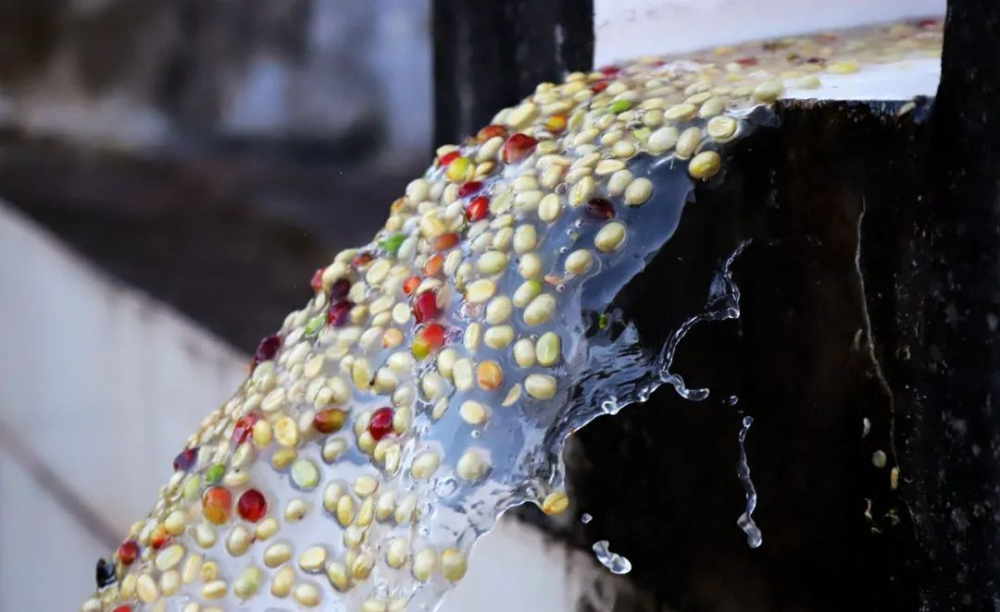
Starting in 1972, the Ethiopian government introduced washed processing technology from South America, significantly improving the professionalism of coffee processing. The washed method relies on a continuous flow of clean water and a washing tank. After fermentation, the friction between beans and the rinsing of water remove the mucilage and outer impurities, resulting in green beans with consistent performance and low defect rates. This method not only enhances cleanliness but also gives Yirgacheffe a clear citrus tone, delicate white floral notes, and a clean, bright mouthfeel, with a flavor profile that is both layered and refined.
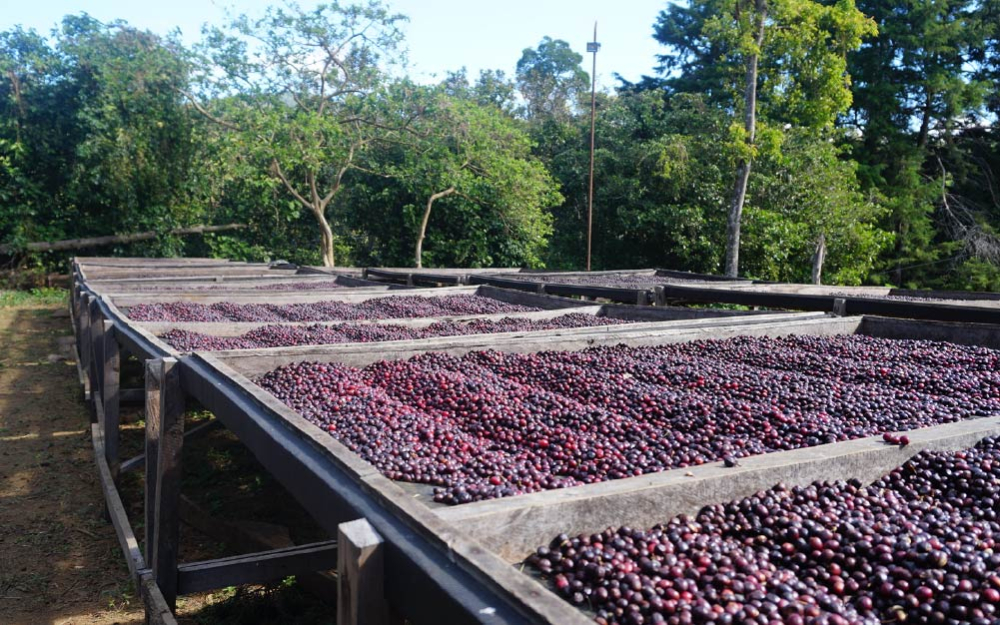
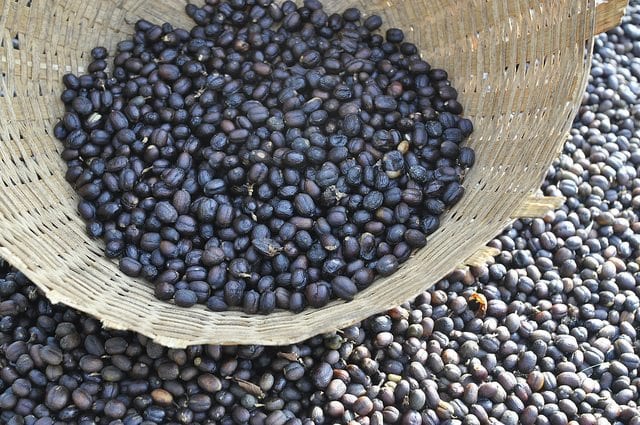
Even though washed processing became hugely popular, the natural method remains one of Ethiopia’s mainstream approaches. Modern natural processing is no longer rough—it involves carefully selecting ripe red cherries, removing defective and underripe beans, then placing them on raised beds or African-style drying racks. Over a slow 27 to 30-day drying period, the fruit’s moisture content gradually drops to 11%, allowing the pulp and seeds to fully ferment and develop intense tropical fruit, berry, and honey aromas. This processing method gives the coffee a richer profile and fuller sweetness, with a bolder flavor expression.
The Gudingding Cooperative coffee sold by a well-known brand is a classic representation of washed Yirgacheffe, showcasing fresh citrus and berry tones; whereas the Red Cherry Natural, through refined fermentation and prolonged drying, delivers intense berry flavors, fermented notes, and higher sweetness, resulting in a bolder and more complex cup.
Medium-light roasted Yirgacheffe best highlights its fruity acidity and floral qualities, earning it the reputation among coffee lovers as a “fruit bomb.” To preserve these delicate flavors, a well-known brand opts for a medium-light roast to maintain the coffee’s bright acidity and rich aromatic compounds. In cupping, washed Gudingding Yirgacheffe reveals fresh aromas of passion fruit, citrus, and berries. Upon brewing, it releases citrus acidity, berry sweetness, along with almond and tea-like notes, with a honeyed sweetness lingering in the finish. The body is light but the layers are distinct, resulting in an overall clean and refreshing taste. In contrast, the dry aroma of natural Red Cherry Yirgacheffe is filled with the sweet-tart scent of berries and ripe fruit. When sipped, you can perceive soft berry acidity, fermented notes, and distinct honey sweetness, with a smooth black tea-like finish. The overall mouthfeel is rounder and the layers more abundant.
If you’re just starting with pour over, it’s recommended to use the three-stage pouring technique. This method extracts flavor compounds more efficiently while avoiding over-extraction or uneven extraction. Using a 15g coffee dose and a 1:15 coffee-to-water ratio (total water volume 225ml) as an example, it’s suggested to pour in three stages: the first stage 30ml (30g), the second stage 95ml (125g), and the third stage 100ml (225g), with total extraction time controlled around 2 minutes to fully showcase Yirgacheffe’s delicate acidity and layered aromas.
This demonstration uses a Hario V60 filter cone, whose unique spiral groove design helps release trapped gases in the coffee bed and promotes the release of acidic aromatic compounds. Since medium-light roasted Yirgacheffe beans are harder in texture, using hot water at 92°C–93°C helps bring out the floral and fruity notes. The recommended grind size is medium-fine (approximately 78% passing through a Chinese No. 20 sieve), roughly the coarseness of fine sugar. If ground too coarse, the flavors may turn thin; if too fine, the high water temperature could lead to over-extraction and produce bitter or astringent off-notes.
During the actual brew, first fold the filter paper in half and place it in the cone, ensuring it adheres well. Add 15g of ground coffee, gently shake it level, and reset the scale to zero. The first stage involves pouring 30g of water for a 30-second bloom, using a small stream from the center outward in a slow circular motion to ensure even saturation of the coffee bed. After 30 seconds, switch to a slightly larger stream and steadily pour the second stage of 95g of water. Keep the water column vertical and even, aiming to reach a total of 125g by around 55 seconds. When the liquid level drops to about halfway, start the third stage by pouring 100g of water. Use a smaller stream and control the circular motion to avoid disrupting the coffee bed structure. The final total water volume is 225g, with the dripping time around 2 minutes. Once extraction is complete, gently swirl the coffee in the server to enjoy this bright and flavorful Yirgacheffe cup.
Note that the pour amounts and timing for each stage can be fine-tuned based on personal taste preferences and actual conditions. It’s recommended to practice more and observe the coffee’s performance, gradually developing your own pour over extraction framework. Pour over is essentially an experiment combining science and experience—understanding the meaning behind each parameter is key to making more precise adjustments and brewing coffee with your desired flavor profile.
The above content is compiled by CoffeeHunters, a coffee news website.


