







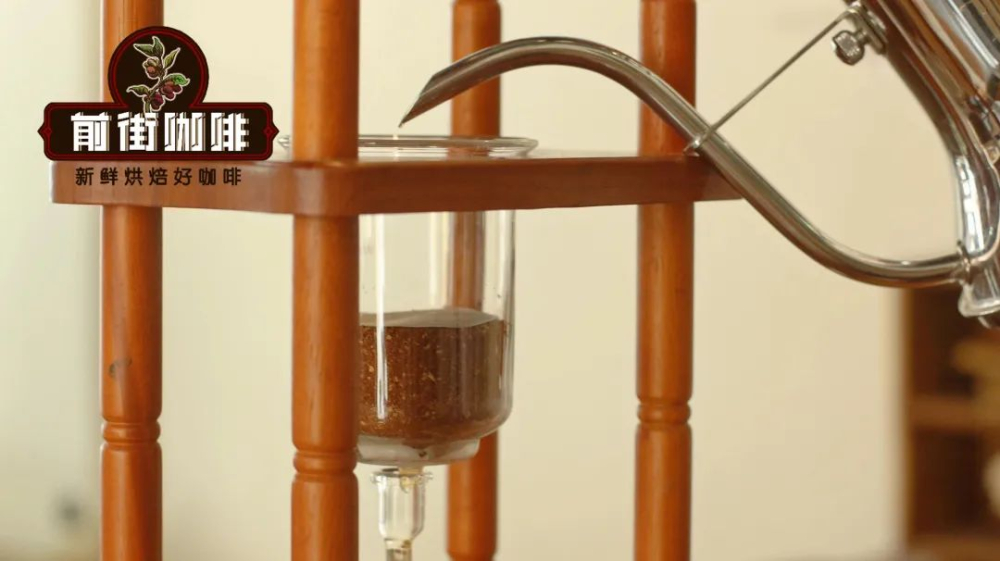
Introduction:Cold drip coffee, with its unique low-temperature slow extraction process, delivers a rich and layered flavor, making it both a challenge and a pleasure for many coffee enthusiasts. This article delves into the historical origins of cold drip coffee, the types of coffee beans suited for it, key extraction parameters such as grind size, coffee-to-water ratio, and time settings, and provides detailed brewing steps and precautions to help you go from bean selection to brewing and create a memorable cup of cold drip coffee step by step.
Among the many coffee beverages, cold drip coffee has gradually become the choice for coffee lovers seeking depth and complexity in flavor, thanks to its distinctive low-temperature slow extraction technique. Compared to regular iced coffee, the production process of cold drip coffee demands more patience and care, often taking 6 to 8 hours or even longer to fully extract the essence from the coffee grounds. This process not only significantly reduces the acidity of the coffee but also preserves a more complete aroma and sweetness, making it ideal for those who prefer a low-acid, full-bodied taste.
Speaking of the origins of cold drip coffee, its history can be traced back to 17th-century Holland. At that time, as colonizers of Indonesia, the Dutch not only introduced coffee cultivation techniques to Java Island but also developed a cold water extraction method suitable for the maritime environment. Since heating water for brewing was not possible on ships and high temperatures were feared to release acidic compounds causing discomfort, the Dutch began using ice water instead of hot water. This successfully reduced the acidity and oxidation rate of the coffee while extending its shelf life. This innovative technique, later known as “Dutch Cold Water Coffee,” became the prototype of modern cold drip coffee.
The reason cold water extraction can reduce acidity lies in the fact that low temperatures make it less likely to dissolve the acidic fats in coffee, while also slowing down oxidation reactions, resulting in a more stable coffee flavor. In addition, during the drip filtration process, the low-temperature environment helps retain aromatic molecules, preventing their evaporation at high temperatures, so that the coffee’s aroma is gradually released after entering the mouth through temperature and saliva interaction, delivering a richer taste experience.
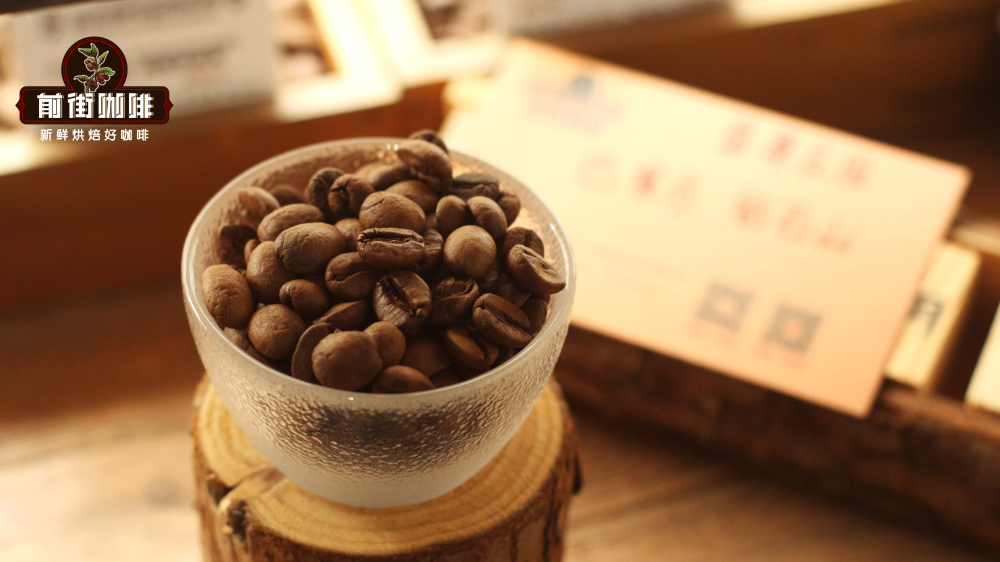
Choosing the right coffee beans is the first step in making delicious cold drip coffee. Generally speaking, if you prefer floral and fruity aromas with a clean and refreshing taste, you might consider light-roasted washed beans, such as Yirgacheffe, Kenya, or Panamanian Geisha. If you are drawn to a fuller body with nutty and chocolatey notes, then medium to dark roasted beans like Brazilian Cerrado or Colombian Huila are more suitable. Additionally, fermentation-processed beans that have gained popularity recently, such as sherry cask or Sidamo series, are favored by many advanced enthusiasts for their intense wine-like aromas and unique fruitiness. It's recommended to select the appropriate processing method and roast level based on personal taste preferences to achieve the best flavor expression.
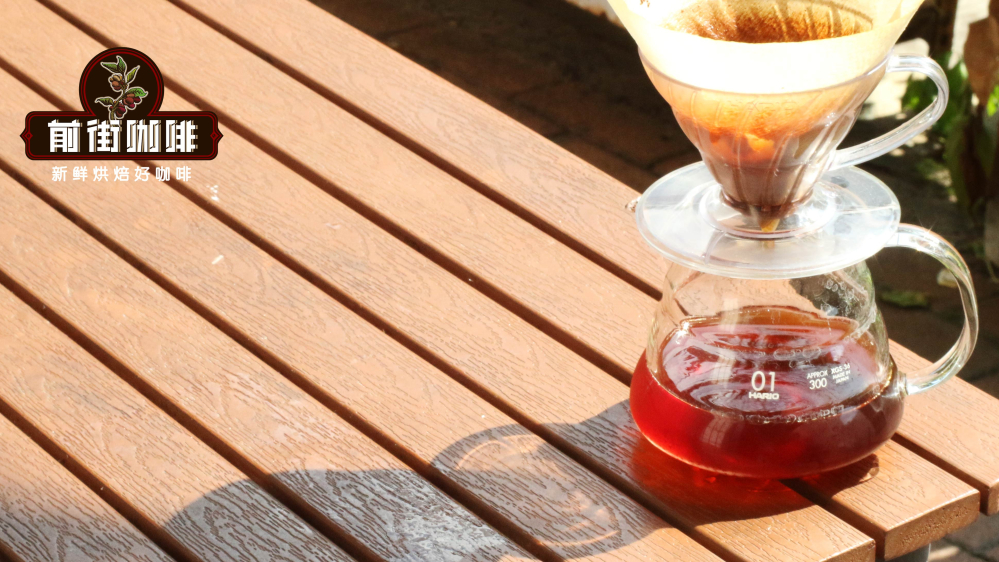
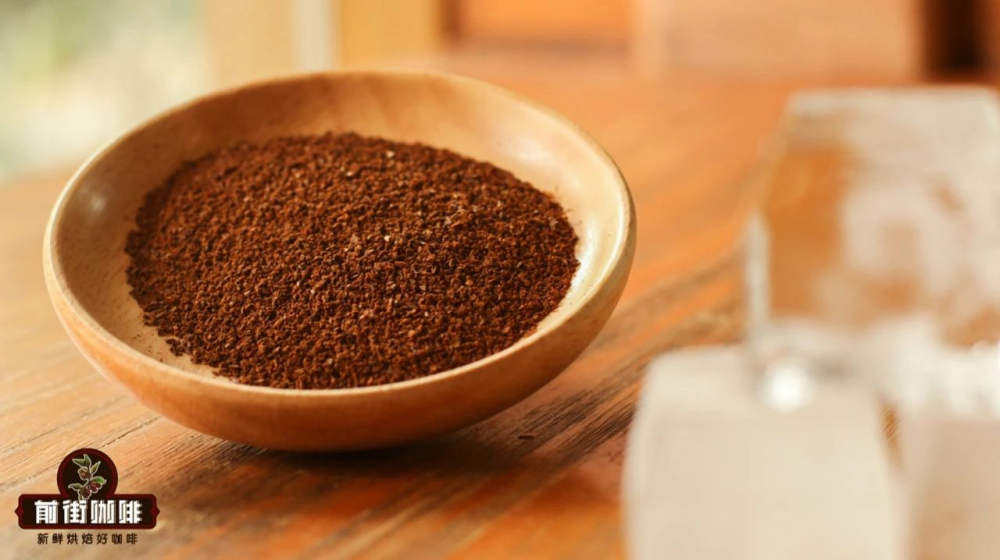
After understanding the direction for selecting beans, it’s important to master the key extraction parameters of cold drip coffee, including grind size, coffee-to-water ratio, and extraction time. It is generally recommended to use a grind size slightly finer than granulated sugar, roughly between medium-fine and fine, which helps increase the contact surface area between water and coffee and enhances flavor extraction efficiency. A common range for the coffee-to-water ratio is 1:10 to 1:12, meaning 10 to 12 milliliters of water per 1 gram of coffee grounds, adjustable according to individual strength preferences. As for total extraction time, it is recommended to be controlled within 8 to 12 hours, allowing the ice water to slowly penetrate the coffee grounds and fully release the flavor compounds.
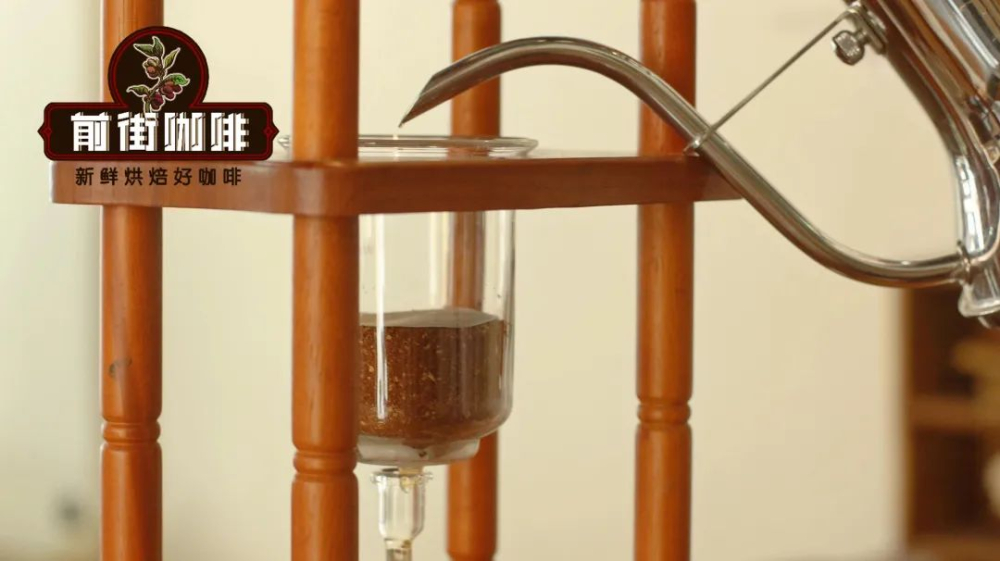
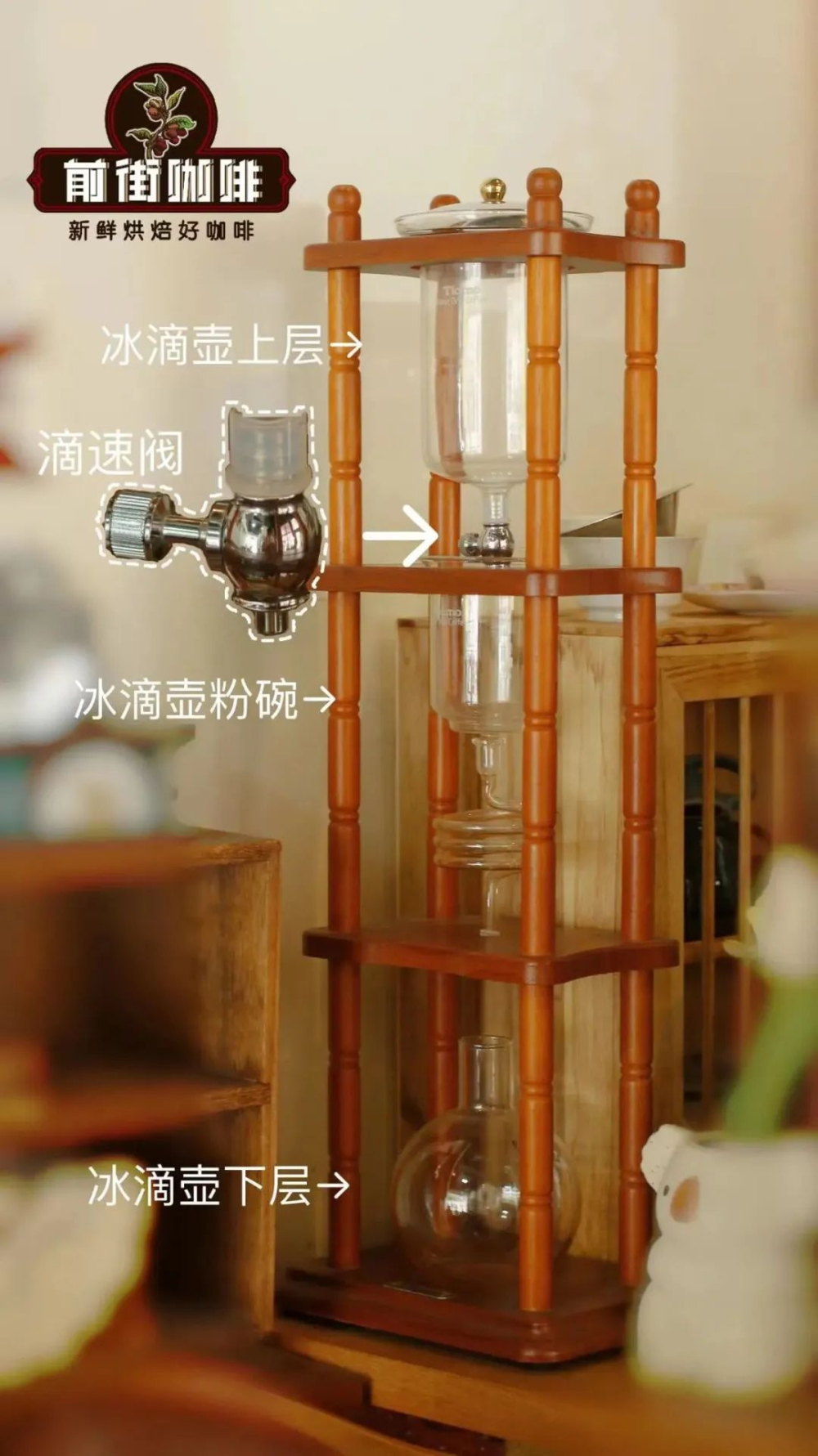
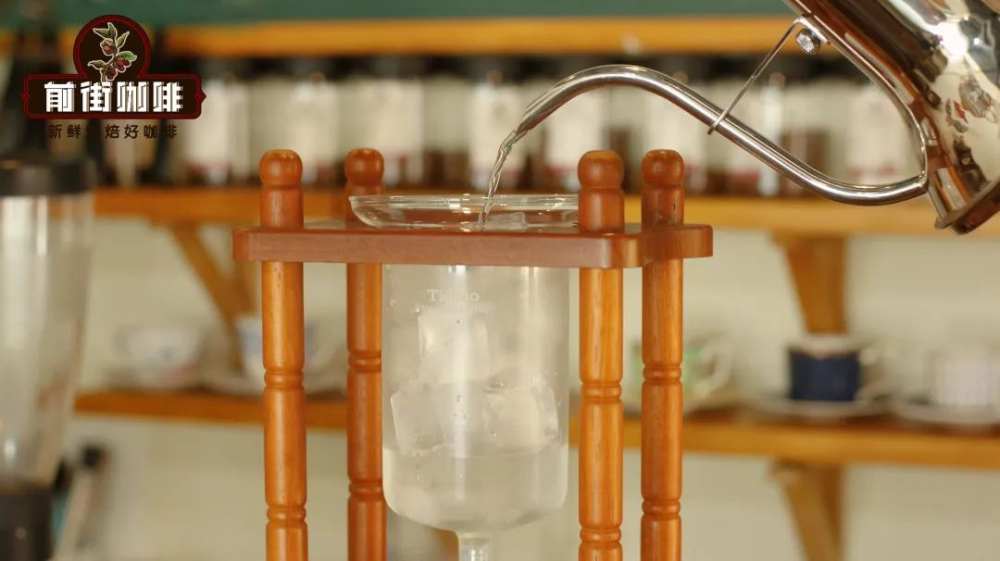
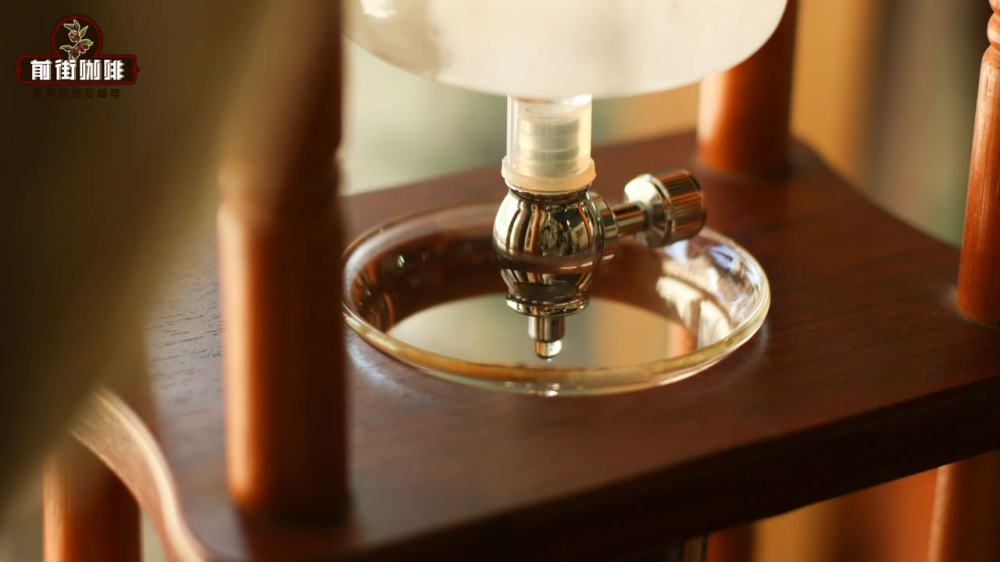
The components of a cold drip setup are relatively simple, but each part serves a critical function. The basic setup includes: a water reservoir (for placing ice and water), an adjustment valve (to control the dripping speed of the ice water), a coffee grounds container (for holding the coffee grounds), a collection container (for gathering the filtered coffee liquid), and a coffee stand (to secure the positions of the containers). Before assembly, it is advisable to ensure that all parts are clean and free of odors to avoid affecting the final flavor.
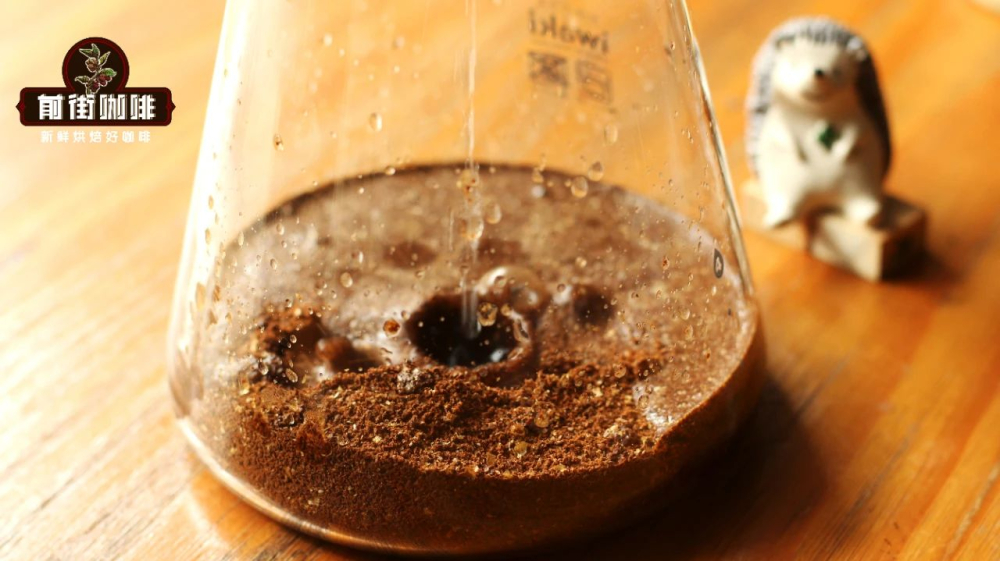
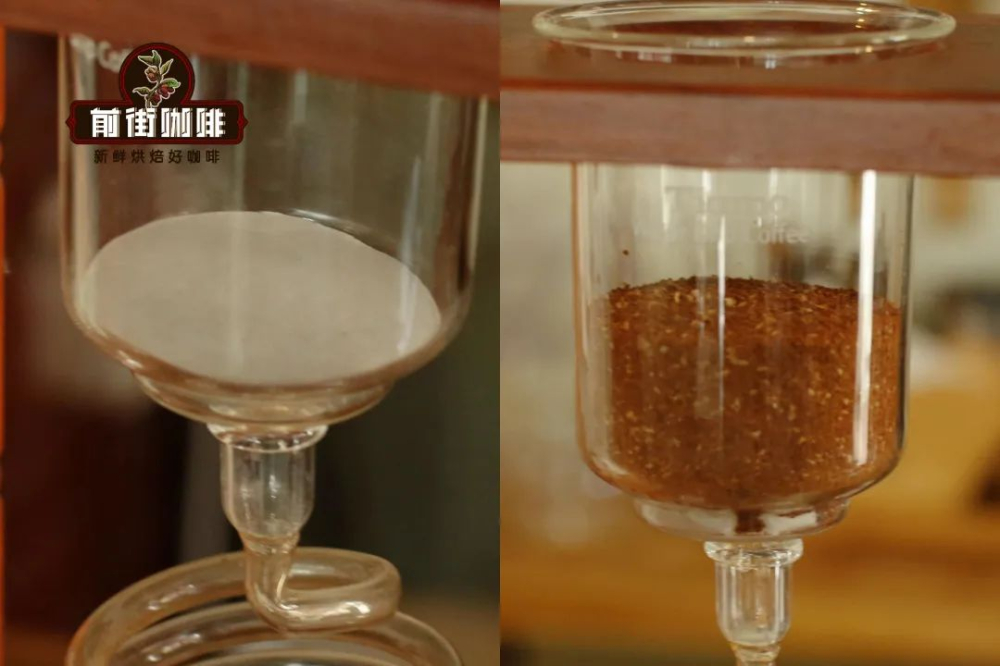
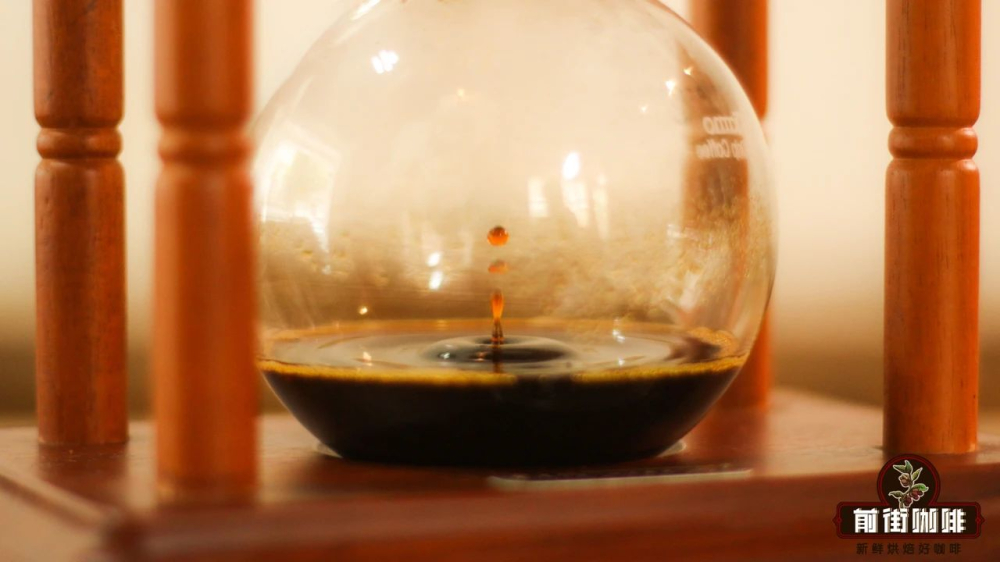
For actual brewing, taking a common cold drip recipe as an example: using 60 grams of coffee grounds with a total coffee liquid output of 600 milliliters (approximately a 1:1 ratio of water to ice), and a grind size slightly finer than granulated sugar. First, place a filter paper at the bottom of the coffee grounds container, moisten it with water, gently press to make it adhere, then add freshly ground coffee, level the surface lightly, and cover with a second filter paper. Place it on the stand. Next, add the pre-mixed ice water mixture to the water reservoir, start the adjustment valve, and initially use a relatively fast speed to evenly wet and bloom the coffee grounds. Once the surface of the coffee layer appears uniformly moist, adjust the valve to control the dripping speed to about 5 to 7 drops per 10 seconds, maintaining a steady flow until the extraction is complete.
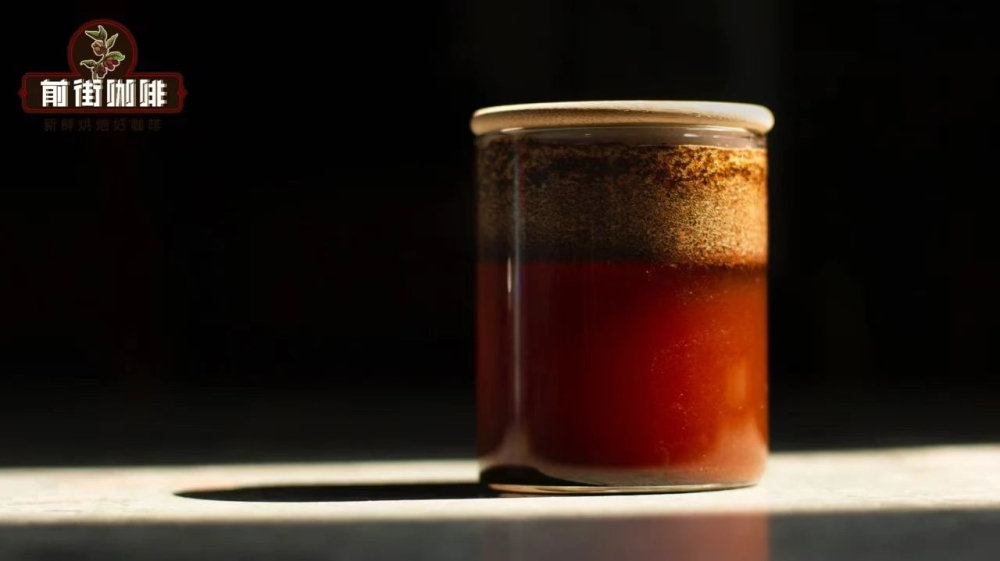
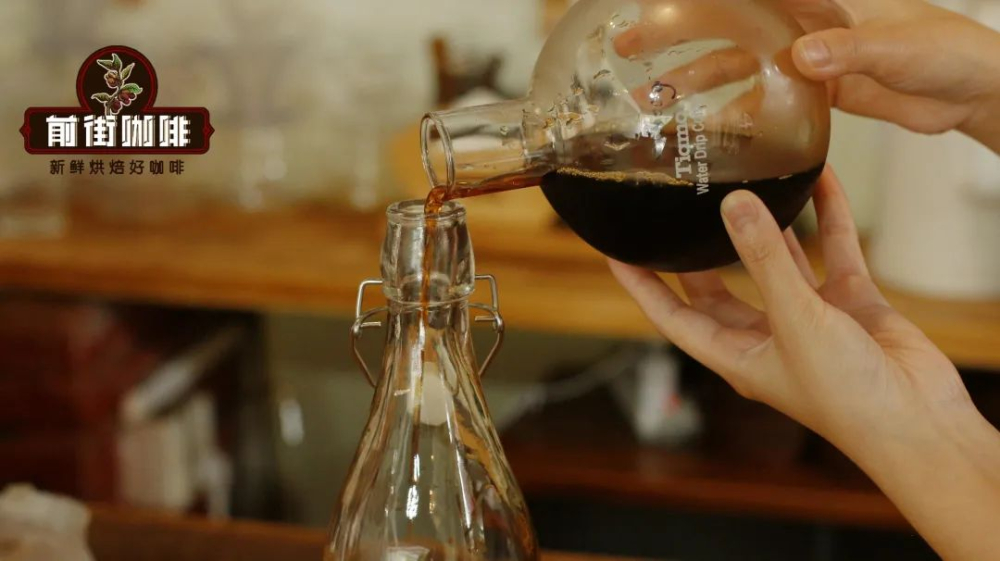
After extraction, it is recommended to pour the coffee liquid into a sealed container and let it sit refrigerated for about 2 days to allow the flavors to further integrate and ferment, enhancing the overall smoothness and layering of the taste. This step is also known as “maturation” and helps the coffee flavor become more mature and stable. Generally speaking, after the cold drip coffee is made, it is best consumed within 5 days to ensure optimal flavor and drinking safety.
In summary, the charm of cold drip coffee lies in the unique flavor profile brought by its low-temperature slow extraction, ranging from floral and fruity notes to rich chocolatey tones, all achievable through proper bean selection and precise extraction parameters. Whether you're a beginner or an advanced enthusiast, mastering key elements such as grind size, coffee-to-water ratio, and time settings allows you to enjoy the fun of making and tasting cold drip coffee at home. Remember to carefully record the parameters and your impressions after each brew, gradually finding the cold drip coffee recipe that best suits your taste.
The above content is compiled by CoffeeHunters, a coffee news website.


