








Introduction:Cold drip coffee has gained widespread popularity among coffee enthusiasts in recent years, thanks to its unique brewing process and refreshing taste. It’s not just the therapeutic appearance that draws people in—it’s also the slow, low-temperature extraction that highlights the delicate flavors of the coffee without any bitterness. This article will delve into the origins of cold drip coffee, how to brew it correctly—including recommended bean varieties, coffee-to-water ratio, grind size, water temperature, and extraction time—to help you easily make professional-grade cold drip coffee at home.
Many customers who walk into coffee shops are often captivated by the slowly dripping ice water in the cold drip tower. That slow, tranquil process feels as though time itself has slowed down. This is precisely the charm of cold drip coffee. Compared to other brewing methods, cold drip coffee typically requires a long extraction period of 6 to 8 hours, which also limits the amount produced per batch—adding to its sense of exclusivity.
What is Cold Drip Coffee?In simple terms, it involves dripping ice water at a constant rate onto coffee grounds under normal atmospheric pressure, slowly extracting the aromatic compounds from the coffee. This low-temperature extraction method effectively suppresses the release of bitter components while improving overall extraction efficiency, resulting in a rich yet non-irritating cup. If you choose a coffee bean with bold flavors, it can further highlight its fruity acidity and fermentation aromas—making it especially suitable for summer enjoyment.
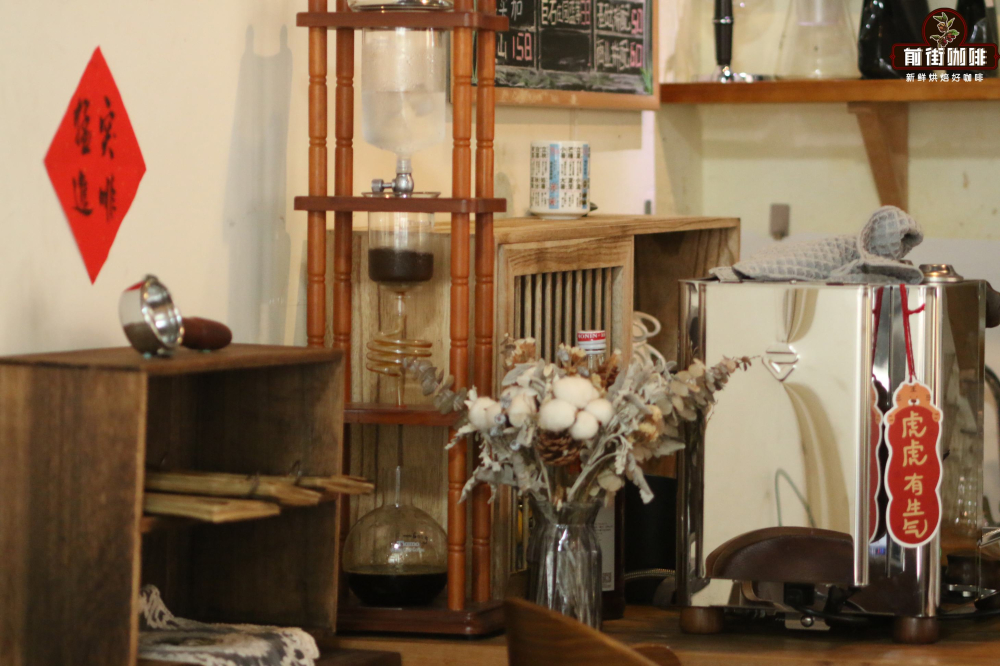
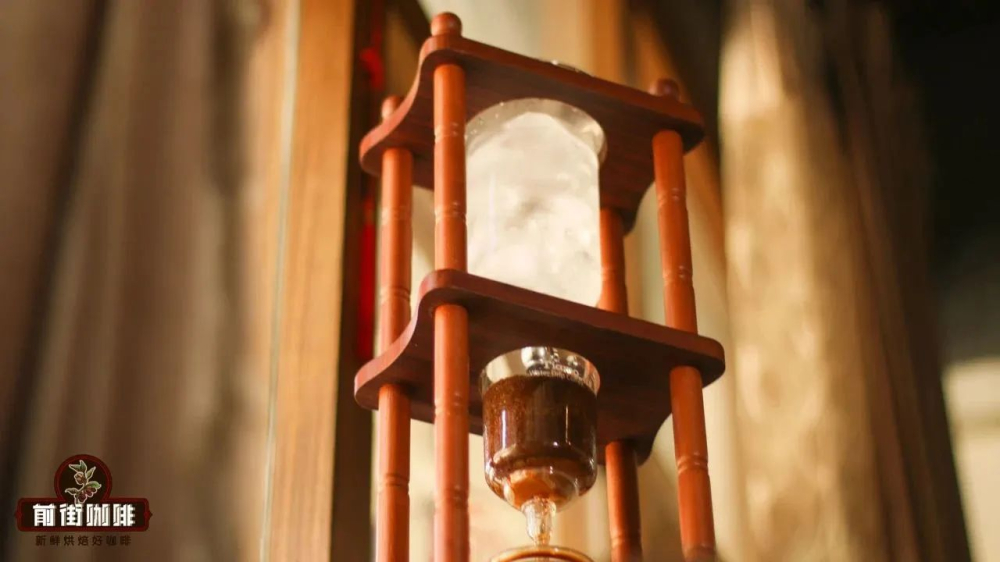
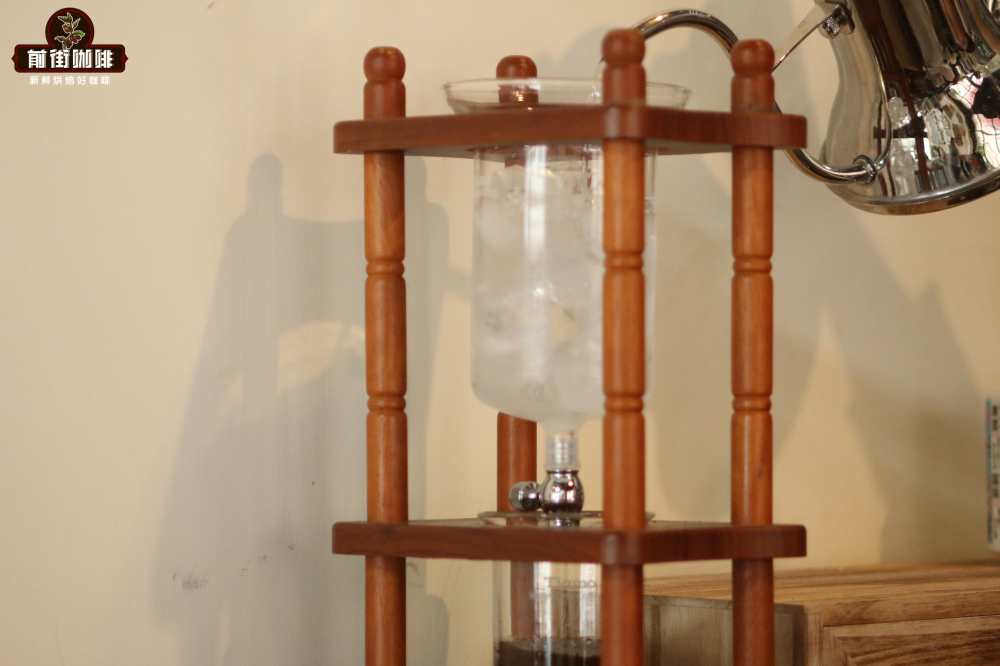
The tools used to make cold drip coffee are commonly referred to as cold drip towers. Although there are many styles on the market, their basic structure is largely the same, consisting mainly of four parts: the top chamber, valve, coffee chamber, and bottom collection chamber. The top chamber holds the ice water mixture, and the flow rate is controlled by an adjustable valve in the middle, ensuring the ice water drips evenly into the middle chamber where the coffee grounds are placed. The coffee grounds are usually placed in a glass-like coffee chamber with holes at the bottom that allow the extracted liquid to flow into the bottom collection chamber.
Taking a common brewing recipe as an example, usinga coffee-to-water ratio of 1:10—that is, 60 grams of coffee grounds to extract 600 grams of coffee liquid—the ice-to-water ratio is recommended to be maintained at 1:1. The dripping speed is generally controlled atseven drops per 10 seconds, with the overall extraction time being around 6 to 8 hours. Of course, depending on personal taste, the coffee-to-water ratio can also be adjusted to 1:12 for a lighter flavor.
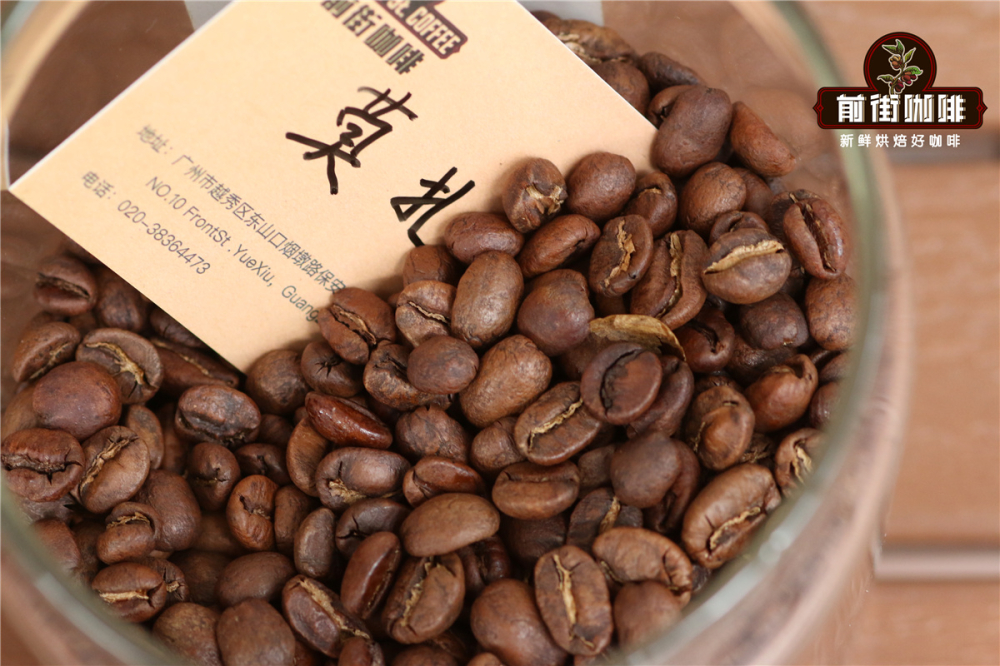
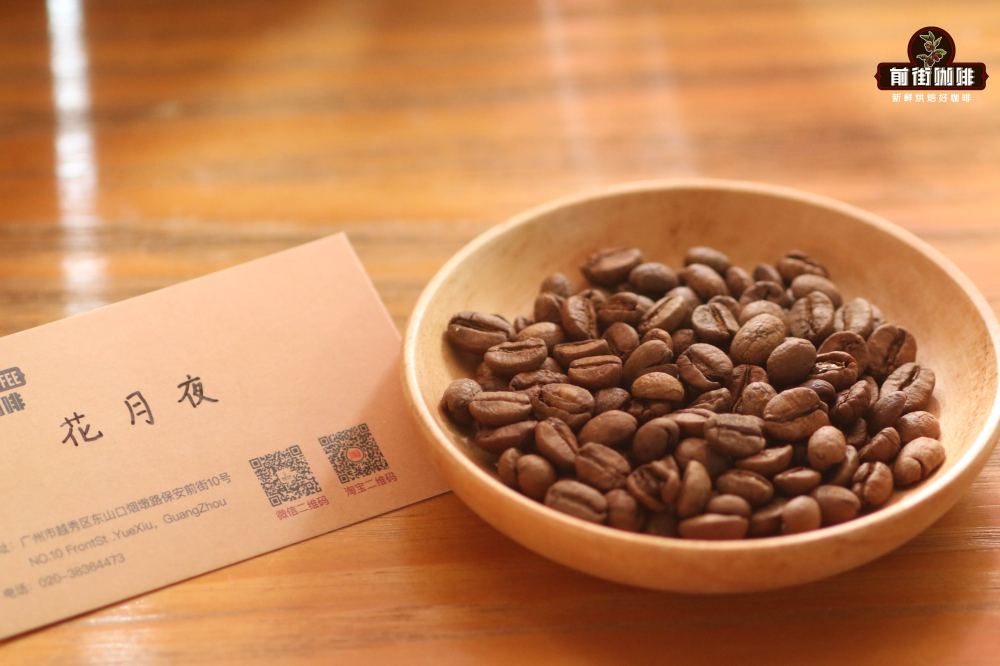
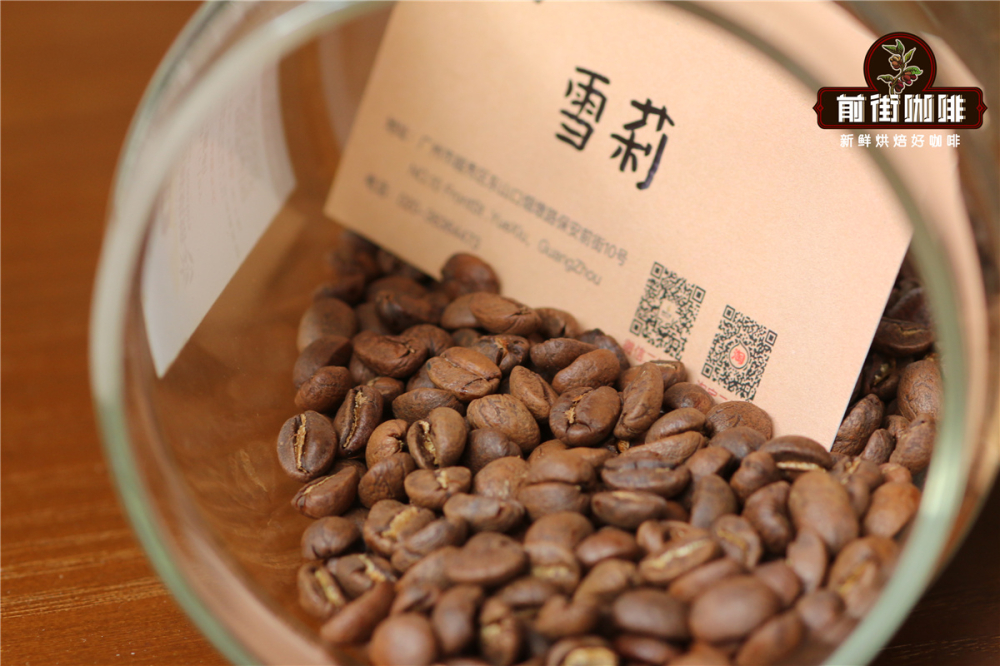
When it comes to choosing coffee beans, cold drip coffee is highly accommodating to different flavor profiles, but it’s recommended to select beans with distinctive characteristics to better highlight their unique taste. For example,tropical fruit and fermented wine aroma typesof coffee beans, such as those processed with grape anaerobic honey methods, often carry berry, osmanthus, and intense fermented sweetness, and the wine-like aroma becomes even more pronounced after cold dripping. These types of beans are also suitable for cold brew or iced pour over.
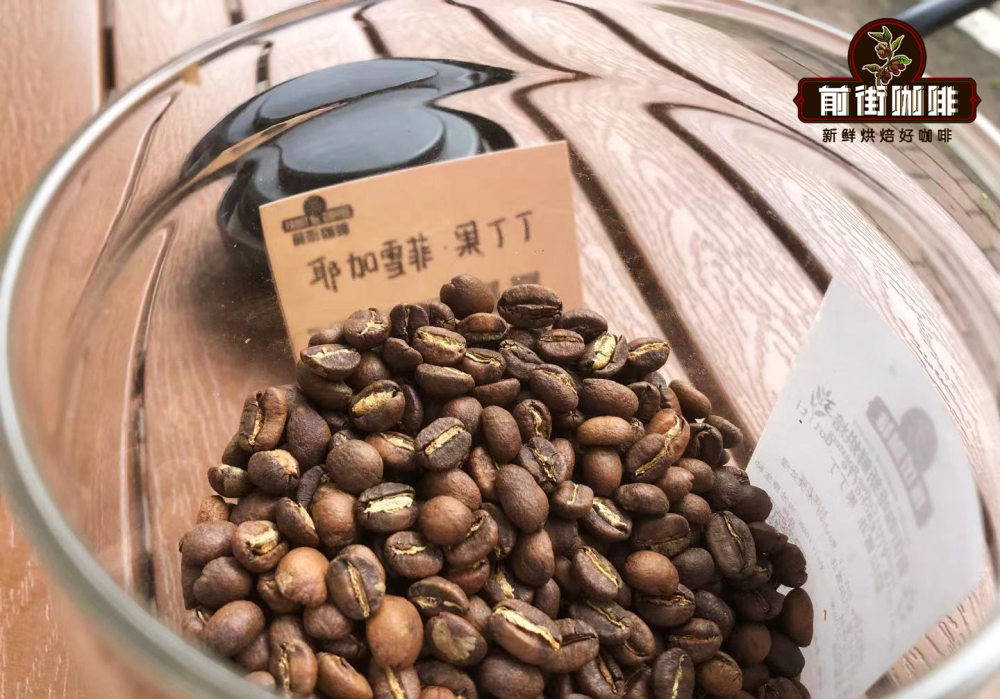
If you prefer a cleaner taste, you can choosewashed-processcoffee beans, which have a bright acidity and fresh fruit notes like cherry tomatoes or pomelo—perfect for hot summer days. Meanwhile,deep-roasted sweet-type beans, such as Indonesian Golden Mandheling, actually reveal rich chocolate and fermented aromas after cold dripping, with a smooth and silky mouthfeel—completely breaking the misconception that "dark roasts aren’t suitable for cold drip."
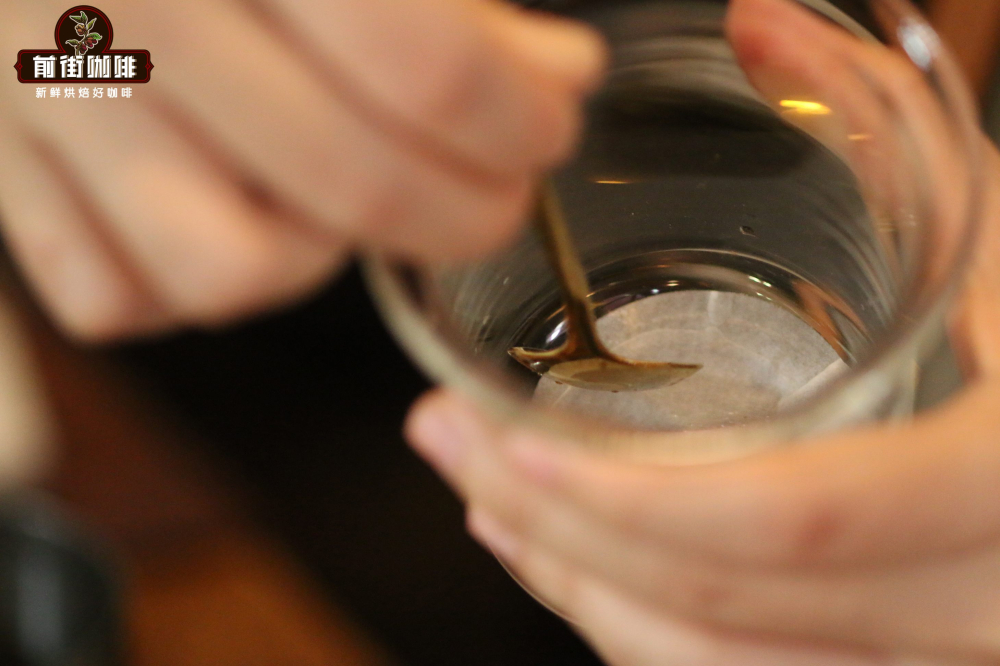
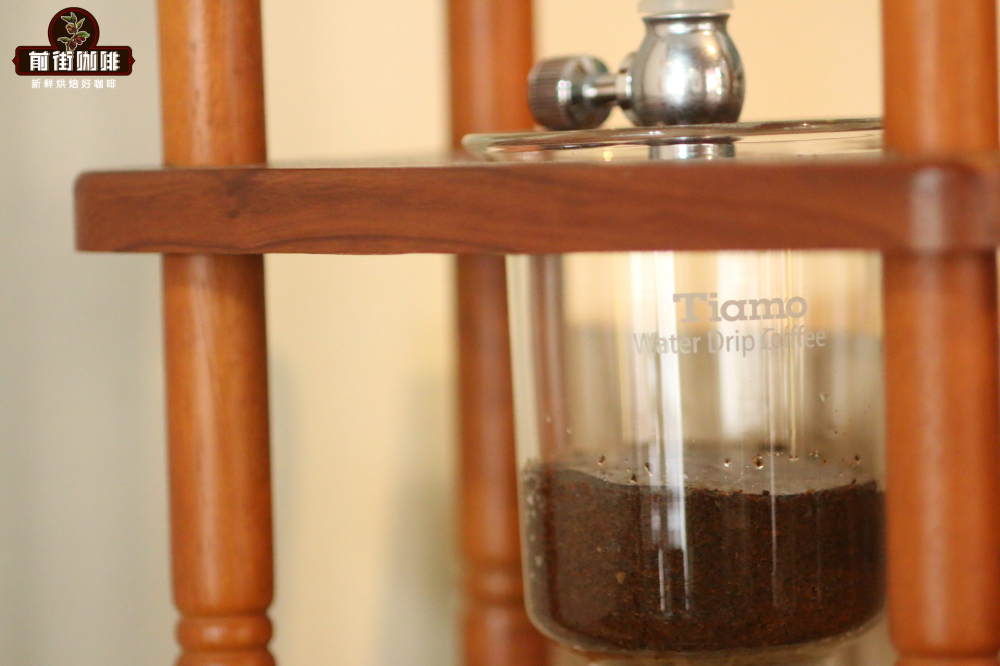
In practical operation, it is recommended to use a grind size with an85% passing rate through a Chinese No. 20 standard sieve, which is roughly equivalent to the 9th setting on an ek-43s grinder—slightly finer than a regular pour over to compensate for the lower extraction efficiency at low temperatures. Before pouring the coffee grounds into the coffee chamber, it’s advisable to line and cover the bottom with a moistened round filter paper to ensure even water contact across the coffee bed and to avoid uneven initial extraction. Before brewing, you can also pre-wet the coffee grounds with cold water to help shorten the extraction time and improve stability.
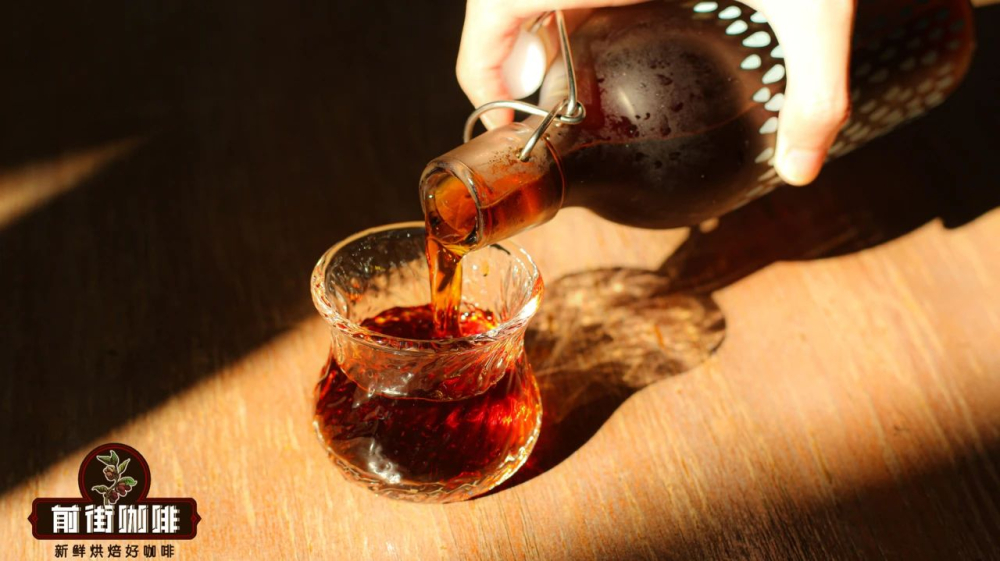
Additionally, after the extraction is complete, it’s recommended to pour the coffee liquid into a sealed container and refrigerate it for at least 12 hours to allow it to “mature,” softening the flavors and enhancing the overall complexity. This step is often overlooked but is key to improving the flavor stability of cold drip coffee in many professional shops. The chilled coffee has a more cohesive flavor, with a clearer balance between acidity and sweetness.
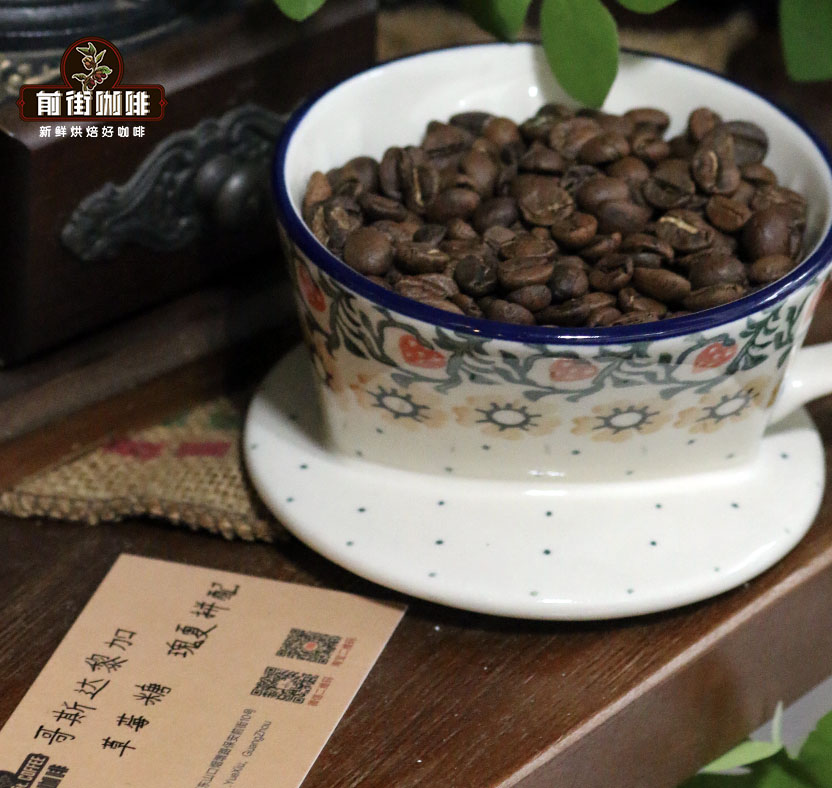
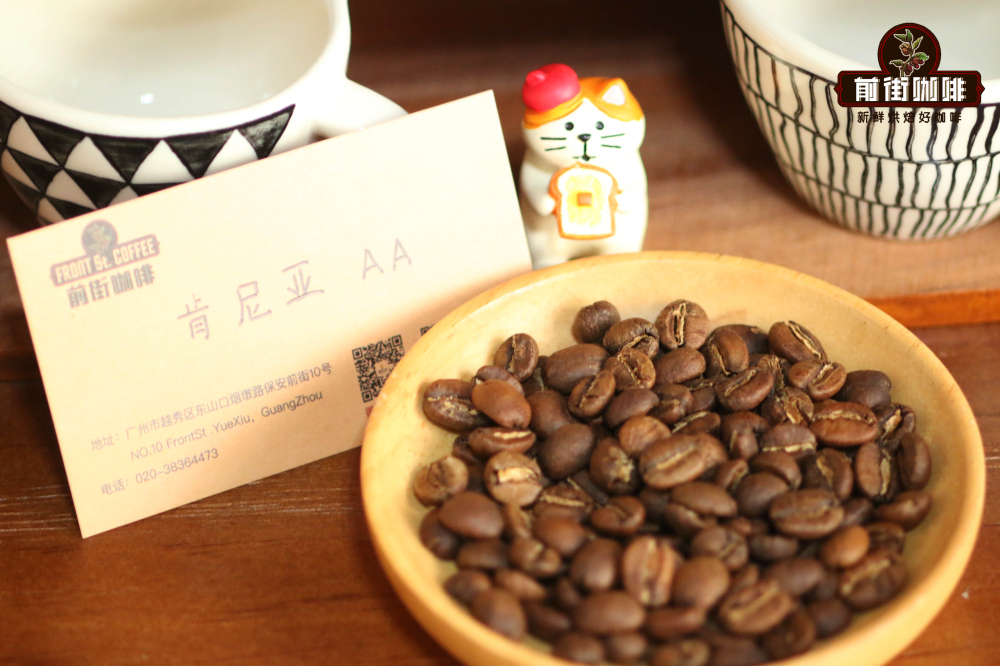
Overall, the charm of cold drip coffee lies in the refinement of its process and the subtlety of its flavors. Whether it’s the tropical fruit fermentation notes, the clean washed style, or the deep roasted richness, all can be expressed in different layers through cold drip. By choosing the right bean variety and mastering the coffee-to-water ratio, grind size, and dripping speed, you can recreate a professional-level cold drip experience at home. Remember, the freshness of the coffee beans is also a crucial factor affecting flavor performance—opt for freshly roasted beans within five days of roasting for the best taste.
The above content is compiled by CoffeeHunters, a coffee news website.


