







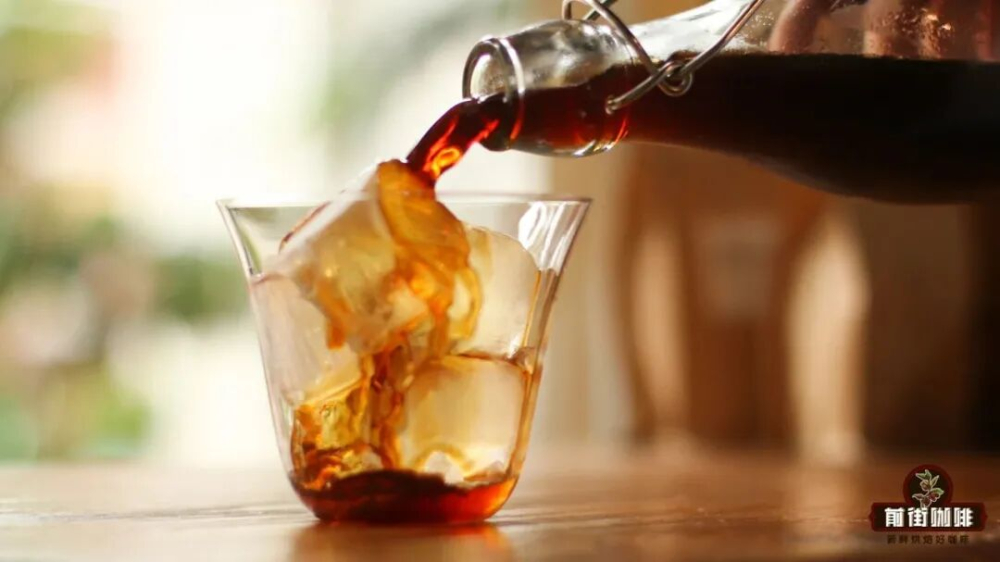
Introduction:Drip coffee is expensive and time-consuming to make—so what exactly makes it different from regular iced coffee? This article takes an in-depth look at the differences between cold drip, cold brew, and iced Americano. From equipment and grind size to drip rate, we break down the four key parameters that affect flavor, and provide practical steps and recommended ratios for making it at home. Help you master the essence of this low-temperature extraction coffee.
Many coffee enthusiasts have noticed that although drip coffee is also a type of iced coffee, its price is often significantly higher than that of iced Americano, iced latte, or even iced pour over—sometimes even in smaller servings. For example, a typical iced Americano might cost around 23 RMB, while a cup of drip coffee could go for 40 RMB. Why is the price difference so stark? The answer lies in the craftsmanship and time investment involved in production.
Although both cold drip and cold brew are extracted in a low-temperature environment, their brewing principles are fundamentally different.Cold BrewSimply mix coffee grounds with cold water, let it sit in the fridge for several hours, then filter—and you're done. It's simple to operate and almost anyone can do it. In contrast, cold drip coffee (Cold Drip) requires a specialized set of equipment,using ice water that drips drop by drop slowly through a bed of coffee grounds. It is a continuous and low-temperature drip filtration extraction method. The process is complex and time-consuming, which is why the price is naturally higher.
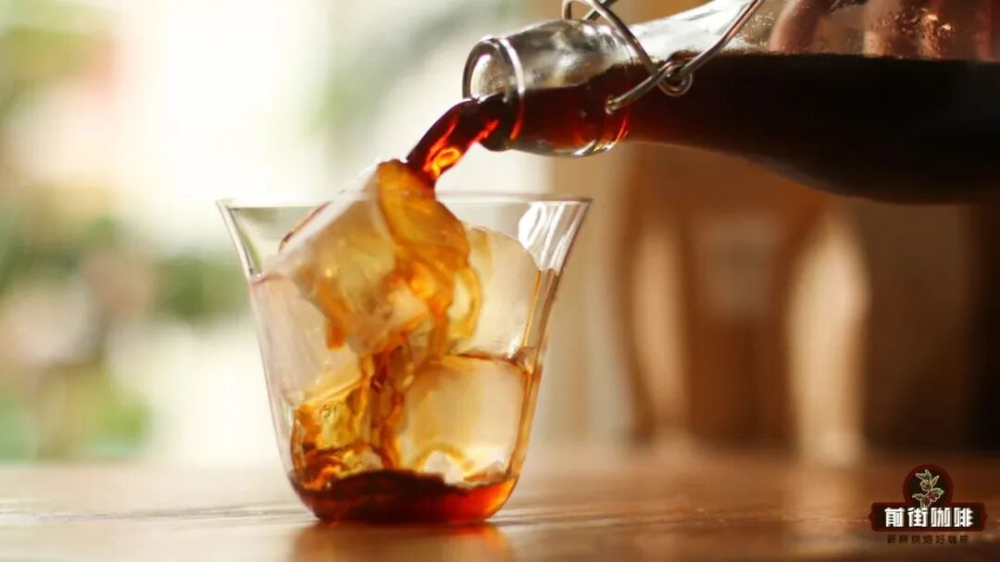
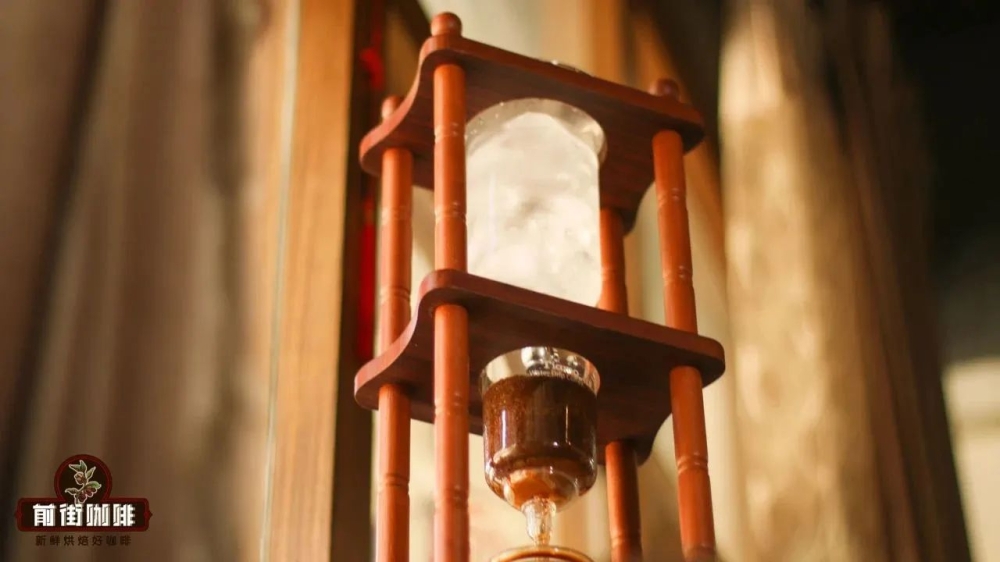
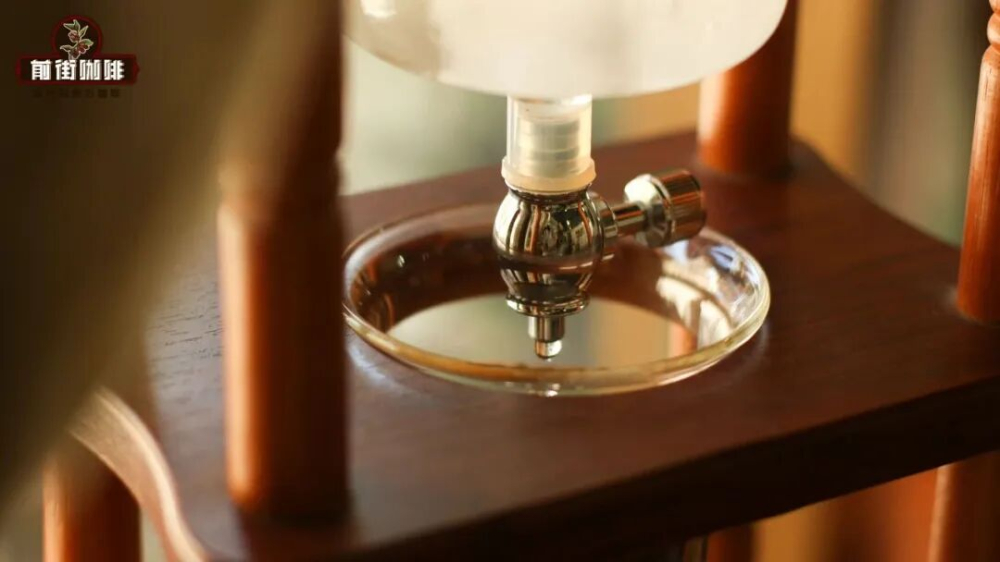
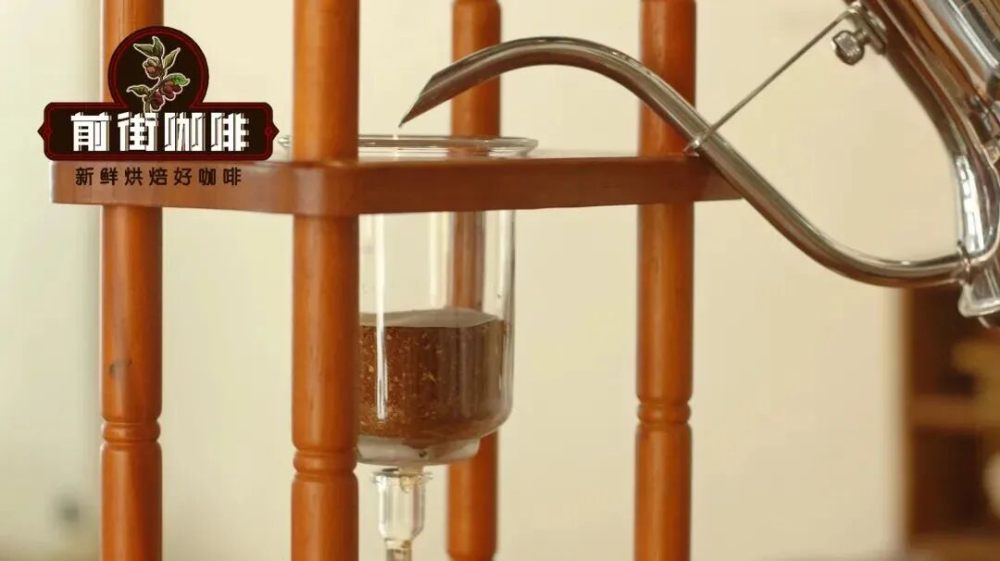
The core device for making cold drip coffee is the cold drip tower, which is divided into three layers: the top holds the ice water, the middle layer contains the coffee grounds, and the bottom collects the dripped coffee liquid. The bottom of the top layer is equipped with anadjustable drip valveto ensure the water drips at a stable rate through the coffee grounds. The entire process can take several hours or even longer. Additionally, the brewed coffee liquid usually requires further refrigeration and aging to allow the flavors to become rounder and more layered.
In short, compared to the “anyone-can-do-it” cold brew, cold drip coffee requires precision in every step—from equipment preparation, grind control, drip rate adjustment to aging observation—so few people choose to try making it at home unless they have a particular fondness for this low-temperature extraction coffee.
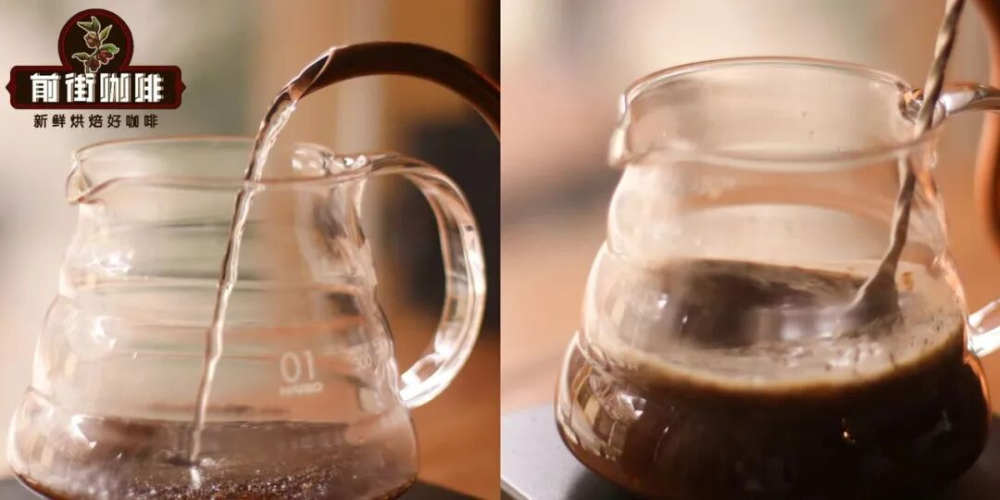
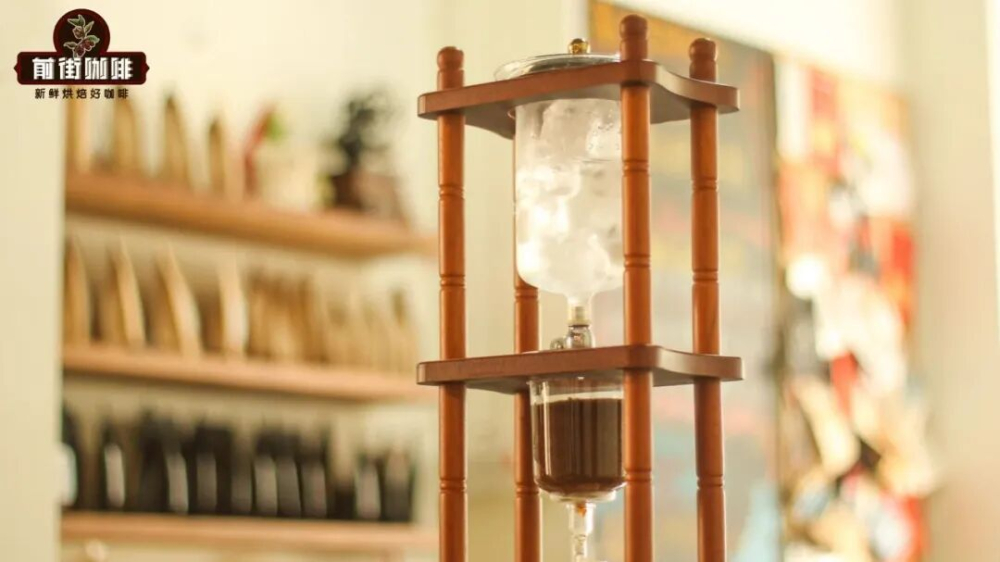
Cold drip coffee is a type of low-temperature drip-filtered coffee that usesice water below 5°Cas the extraction solvent throughout the process, effectively suppressing the release of astringent substances in the coffee. However, factors influencing the final flavor aren't limited to water temperature—they also include drip speed, grind coarseness, coffee-to-water ratio, and aging time. These are the four key parameters.
1. Grind Size of Coffee Grounds
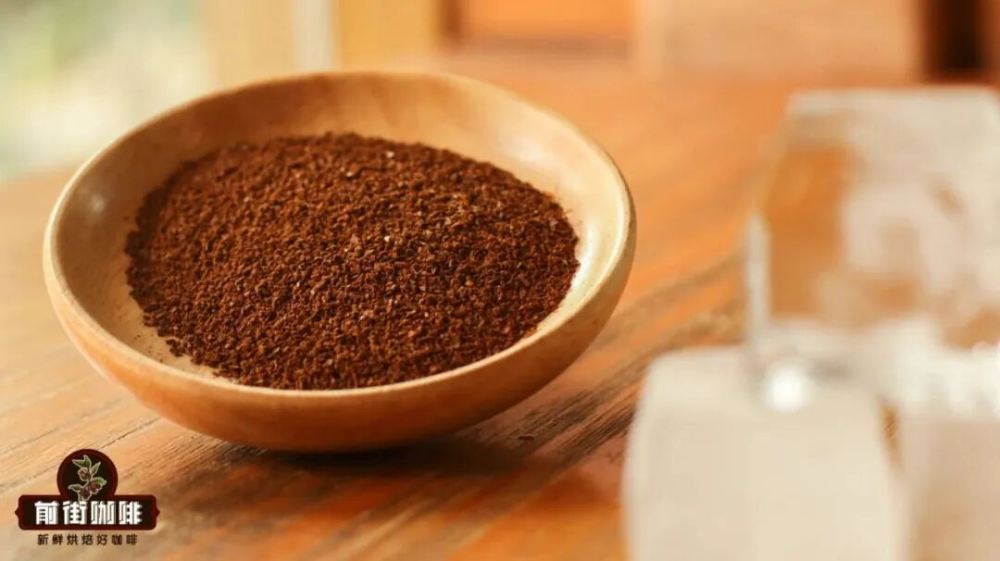
For cold drip coffee, the recommended grind size is betweenan 83–85% pass rate, slightly coarser than pour over but a bit finer than cold brew. If the grind is too coarse, water will pass through the coffee bed too quickly, leading to under-extraction and a weak, thin flavor; conversely, if the grind is too fine, water flow may be obstructed, causing pooling and extracting excessive off-flavors and bitterness.
Taking common sieves as an example, it is recommended to use a20-mesh (0.85mm) standard sieveto calibrate the grind coarseness. Generally speaking, the grind coarseness from finest to coarsest for various brewing methods is roughly: cold drip (cold brew) > pour over > siphon > drip coffee > cupping > French press. The grind coarseness for cold drip coffee must be just right to ensure stable and effective extraction.
2. Drip Rate
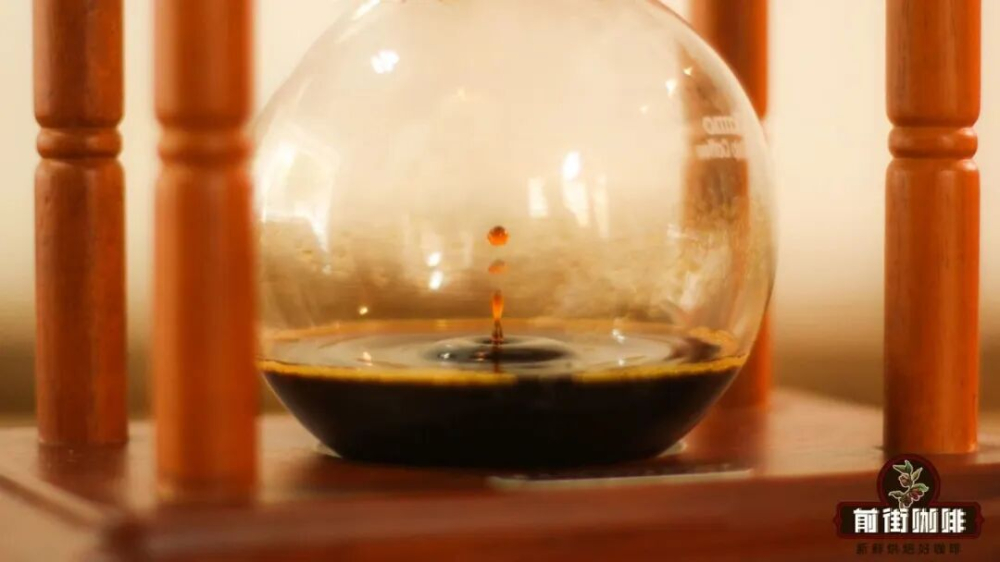
Cold drip coffee is a dynamic filtration process, and it’s essential to maintain asteady and consistent drip rate through the coffee bedin order to achieve balanced flavor extraction. Too fast a drip rate leads to under-extraction, resulting in a light and bland coffee; too slow a rate may cause over-extraction, producing unpleasant acidity or off-flavors.
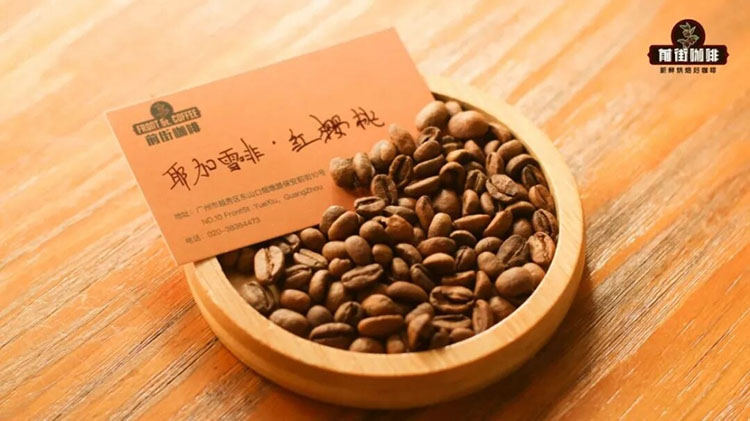
In practice, if using light-roast beans (such as Red Cherry or Tomato), it is recommended to adjust the valve to afaster rate of 7 drops per 10 secondsto enhance the expression of fruity and floral notes; if using medium-roast beans (such as Geisha or Strawberry Candy), it is advisable to reduce to aslower rate of 5 drops per 10 secondsto bring out a richer mouthfeel and fermentation complexity.
3. Extraction Ratio
The coffee-to-water ratio is also a key factor affecting the flavor and strength of cold drip. Practical experience suggests using a1:10 coffee-to-liquid ratio, meaning 20 grams of coffee grounds to 200 milliliters of water. If you prefer a lighter taste, you can adjust it to 1:12 or even 1:14, creating a milder iced coffee more suitable for direct drinking.
It should be noted that coffee grounds absorb roughly twice their own weight in ice water, so this must be factored into your calculations. For instance, 20 grams of coffee grounds will absorb about 40 grams of water, so if your target is 240 milliliters of coffee liquid, the total ice water used should be adjusted to 240 + 40 = 280 milliliters.
4. Aging Time
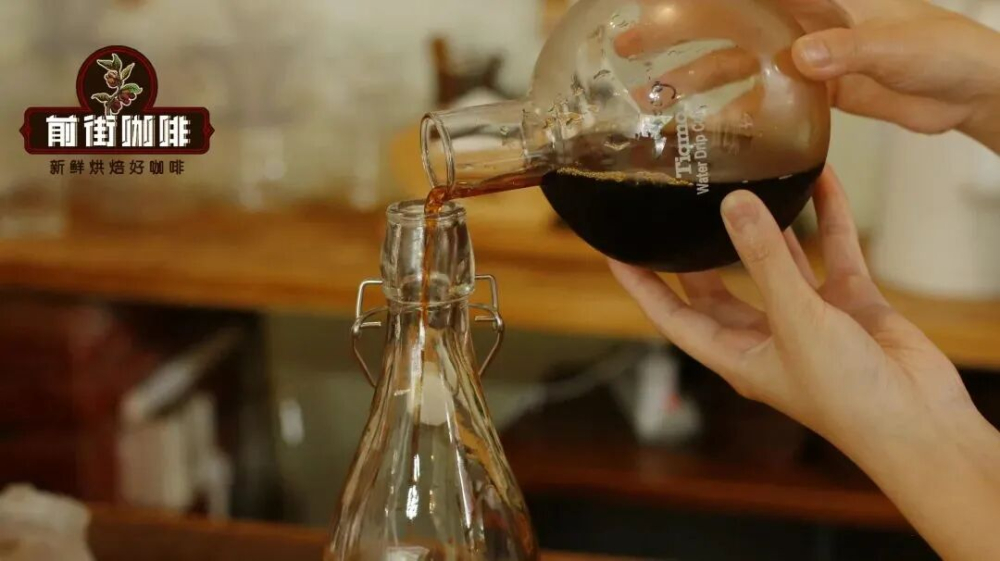
Even cold drip coffee made with the same parameters can vary in flavor over time. Freshly dripped cold drip is best refrigerated for a few hours to allow internal compounds to slowly ferment, which aids in flavor integration and improves smoothness.
Generally speaking,days 3 to 5 mark the peak flavor period, when fermentation characteristics are most pronounced; however, if left for more than 6 days, some aromas will gradually fade and acidity may become dull. Therefore, it’s recommended to consume cold drip coffee within 5 days of brewing to enjoy the optimal drinking experience.
Practical Testing: Cold Drip Coffee Brewing Time
Taking a cup of approximately 200 milliliters of cold drip coffee as an example, using 20 grams of coffee grounds and 240 grams of ice water, with a drip rate of 7 drops per 10 seconds, the entire dripping process takes about2.5 hours. However, in practice, many shops or coffee enthusiasts opt to brew larger batches, such as 60 grams of coffee grounds with 600 grams of water, maintaining the same drip rate of 7 drops per 10 seconds. The dripping time is about 7 hours, followed by an overnight refrigeration, making it ready for sale or consumption the next day.
So, if someone asks, “How long does it take to make a cup of cold drip coffee?” the answer might be “a little over an hour,” but if you consider batch processing and aging time, saying “a day and a night” is no exaggeration.
The above content is compiled by CoffeeHunters, a coffee news website.


