








Introduction:Beginners who are just getting into pour over coffee often face a dilemma: which roast level should they start with? Which coffee beans are best for practicing extraction techniques? This article systematically analyzes four key bean selection strategies, covering a comparison of light, medium, and dark roast characteristics, equipment pairing suggestions, tips on judging freshness, and practical bean recommendations for different flavor preferences (fruitiness, nuttiness, chocolatey notes). It helps you avoid common pitfalls and find an entry-level bean that suits your taste within a reasonable budget.
Many coffee beginners get overwhelmed by various terms when buying beans for the first time: what do dark roast, single origin, and blend actually mean? In fact, as long as you grasp a few key principles, you can quickly find your entry direction. Start with the most straightforward criterion—roast level—since it’s the fundamental factor that influences flavor expression.
Lightly roasted beans tend to have a lighter brown appearance, with bright and lively acidity, often featuring fruit notes such as citrus or berries, or subtle floral hints, and very low bitterness. The mouthfeel is clean and bright. These beans are especially suitable for practicing water temperature and brewing time control in pour over, as their complex flavor profiles make it easy to notice and adjust any minor mistakes. However, the pronounced acidity may not appeal to beginners used to drinking milk tea, so it’s recommended to try them in small amounts first.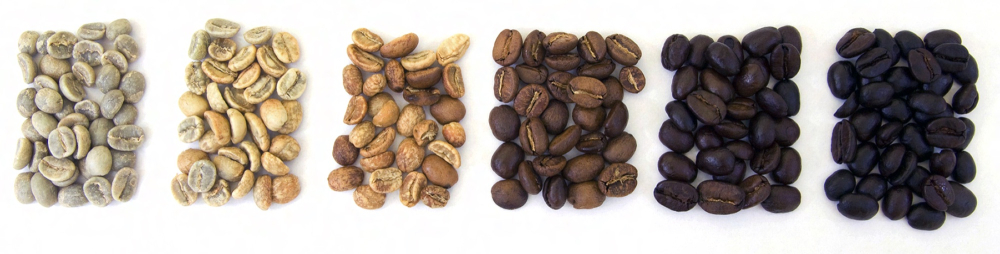
Medium roast represents the golden balance point, with a harmonious acidity and bitterness, along with early caramelization-derived nutty tones. Whether using pour over or espresso, these beans deliver stable performance. They have a moderate oil content and a higher margin for extraction error, making them ideal for users who have just purchased basic pour over equipment (such as V60 or siphon brewers) to build confidence. Observe whether the bean surface has an even sheen—a medium brightness indicates a well-balanced roast level.
Medium-dark to dark roast beans turn dark brown or even nearly black, often with a noticeable oily layer on the surface. High-temperature roasting brings intense chocolate and black sugar aromas, with almost no acidity and a well-balanced bitter-sweet profile. These beans are particularly suitable for making Americano or milk-based drinks. If you prefer a rich mouthfeel and don’t mind roasted notes, you can start your experience with this type. But be cautious of over-extraction, which may lead to overly smoky flavors.
The choice of equipment and how it pairs with roast level directly affects the final flavor. When using pour over devices, it’s recommended to prioritize single-origin single-origin beans—these clearly highlight the unique terroir characteristics of their origin, such as the common jasmine floral notes of Ethiopian beans or the nutty tones of Colombian beans. On the other hand, espresso machines or moka pots are better suited for blends, which achieve ideal crema and body through the combination of beans from different regions.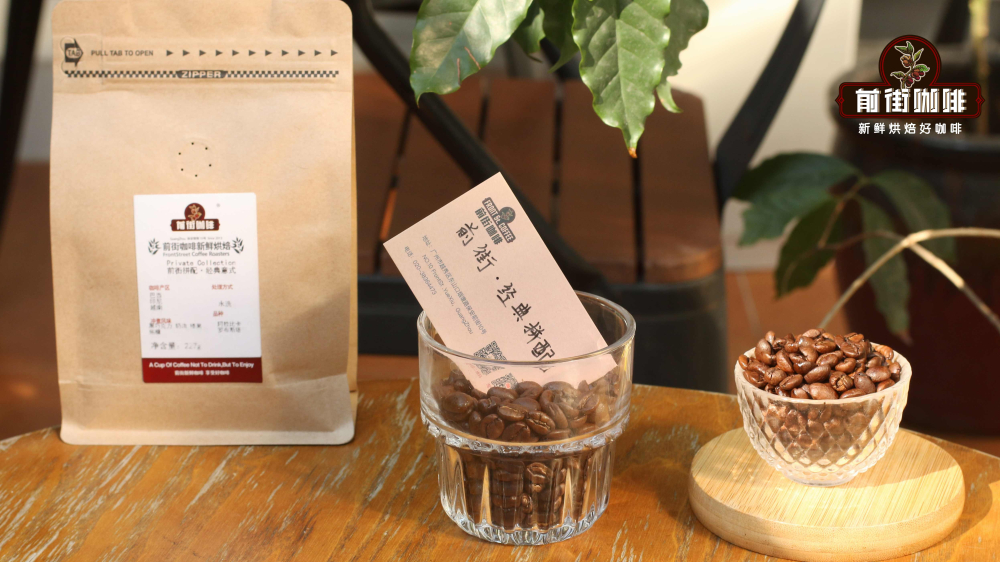
Price is not the sole indicator of quality. While auction-grade Geisha beans priced at over a thousand yuan may offer unique flavors, they might be too delicate and hard to discern for beginners. It’s recommended to start with regular beans priced between 30–80 yuan per 100 grams. Within this price range, you can already find fresh, well-processed high-quality beans. Pay special attention to the roast date on promotional packages—beans over two months old are not recommended even if discounted.
Freshness is the lifeblood of coffee aroma. Professional roasters will indicate the exact roast date. Ideally, beans should be used within 7–21 days after roasting. Store them in a single-way valve bag in a cool place, away from direct sunlight or humid environments. If you buy pre-packaged whole beans, it’s advisable to transfer them to a sealed container after opening and finish them within a month to ensure optimal flavor.
Different processing methods also influence bean characteristics. Washed-process beans are typically clean and bright, with prominent acidity; natural (sun-dried) process beans are rich and full-bodied, with notable sweetness; honey-processed beans fall somewhere in between and feature unique wine-like notes. Beginners might try one representative bean of each processing method for comparison—such as the floral notes of washed Ethiopian beans, the caramel sweetness of sun-dried Brazilian beans, and the balanced profile of honey-processed Colombian beans—to quickly develop flavor recognition skills.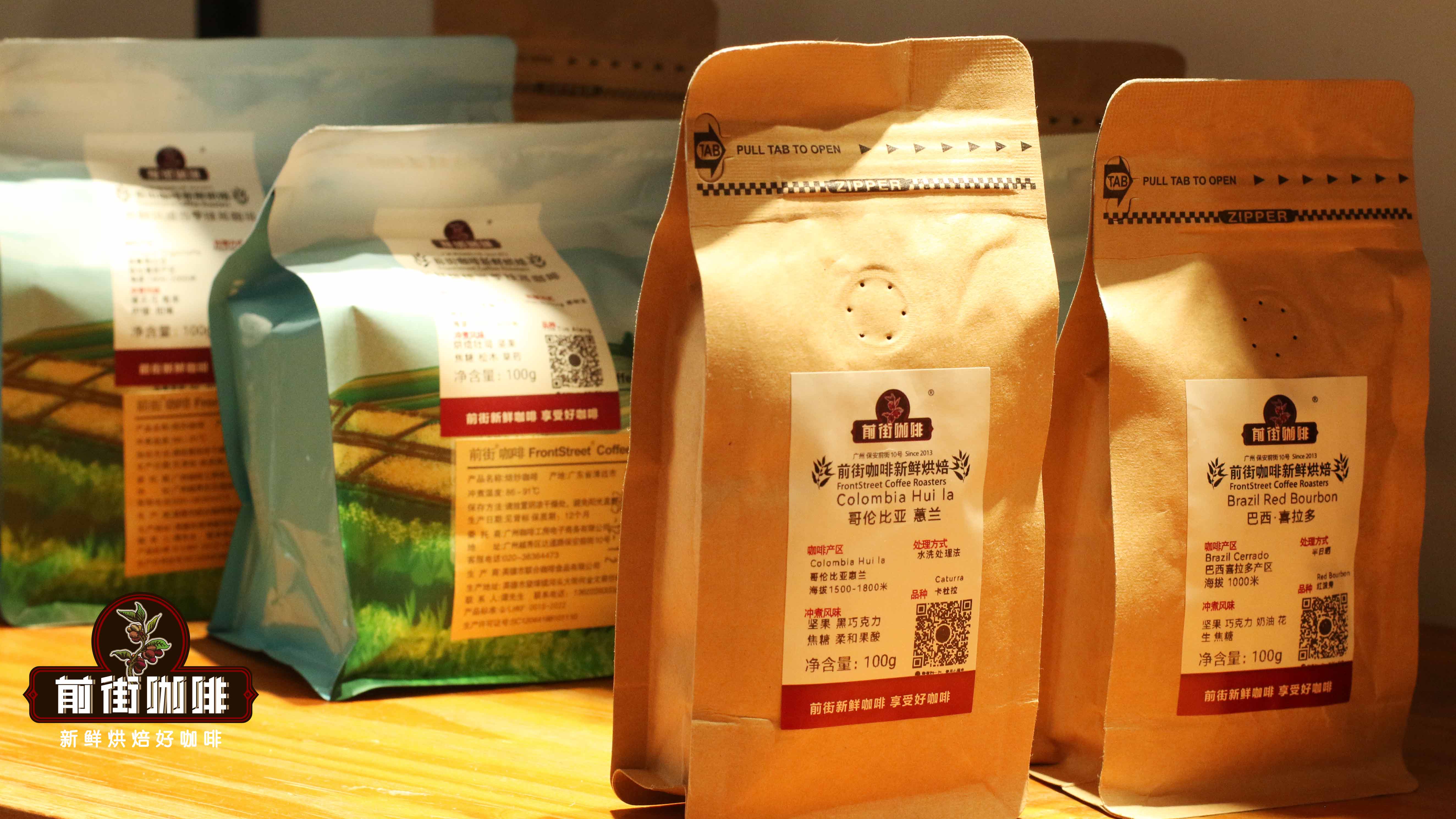
Finally, here are three key checkpoints when purchasing: ensure the packaging is intact without damage, observe whether the bean color is uniform, and sniff for any obvious off-odors in the dry aroma. High-quality coffee beans should emit a fresh, grainy or fruity scent—if there’s a musty or rancid smell, it indicates improper storage. Remember, a good pour over experience depends 70% on technique and 30% on the beans. Choosing beans that match your current brewing skill level will yield positive results.
The above content is compiled by CoffeeHunters, a coffee news website.

