







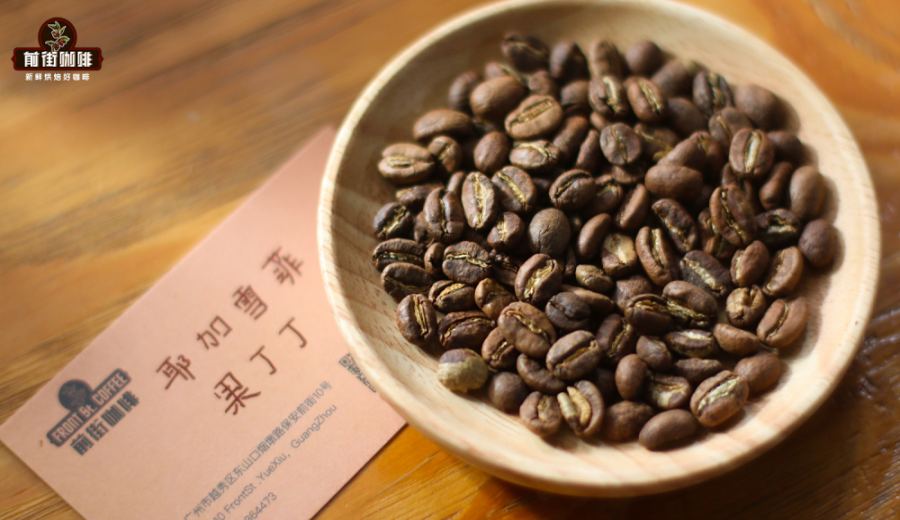
Introduction:Want to brew delicious cold brew coffee at home? Choosing the right beans is key. This article explains the cold brew extraction principle, teaches you how to select suitable light to medium roasted coffee beans based on your flavor preferences, and recommends several popular beans for cold brew, including washed Yirgacheffe, natural Hua Kui, and "Little Tomatoes." It also covers practical parameters such as freshness, grind size, and steeping time, so you can get it right the first time.
On the menus of specialty coffee shops, cold brew coffee is almost a must-have item. With its refreshing, smooth taste, low bitterness, and layered flavors, it has won the favor of many coffee enthusiasts. To brew a memorable cup of cold brew, in addition to technique, bean selection is a crucial factor that determines success.
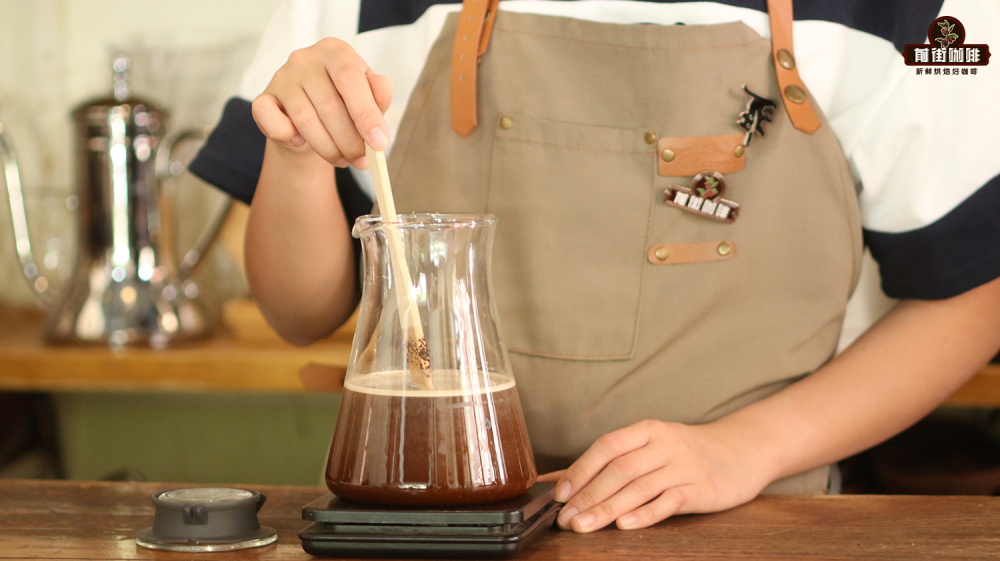
Cold brew coffee is made by steeping coffee grounds in cold water for an extended period. Because the low temperature environment makes it difficult to extract large molecular compounds, it significantly reduces bitterness and harsh intensity, while bringing out the bean’s inherent sweet and fruity notes. The result is a cleaner, crisper taste. Compared to hot-brewed pour over coffee, cold brew better showcases delicate and balanced flavor layers.

Generally speaking, medium to dark roasted coffee beans, with their prominent bitterness and relatively simple flavors, often end up tasting one-dimensionally charred and bitter when used for cold brew, failing to deliver the refreshing qualities that cold brew is known for. In contrast, medium to light roasted beans usually retain more of their natural fruit acids and floral-fruity aromas, which can express more complexity during the cold brew process. It’s recommended to choose medium to light roasted beans to avoid overly heavy bitterness while enjoying bright, pleasant acidity and sweetness.
Common cold brew flavor profiles include: refreshing white floral notes paired with citrusy acidity and sweetness, ideal for those who prefer bright-tasting coffee; or rich berry and mango tropical flavors that offer an intense fruit experience; there are also romantic combinations like strawberry and rose, or niche but charming pairings like cherry tomato and black plum. Different origins and processing methods greatly influence the final flavor direction.
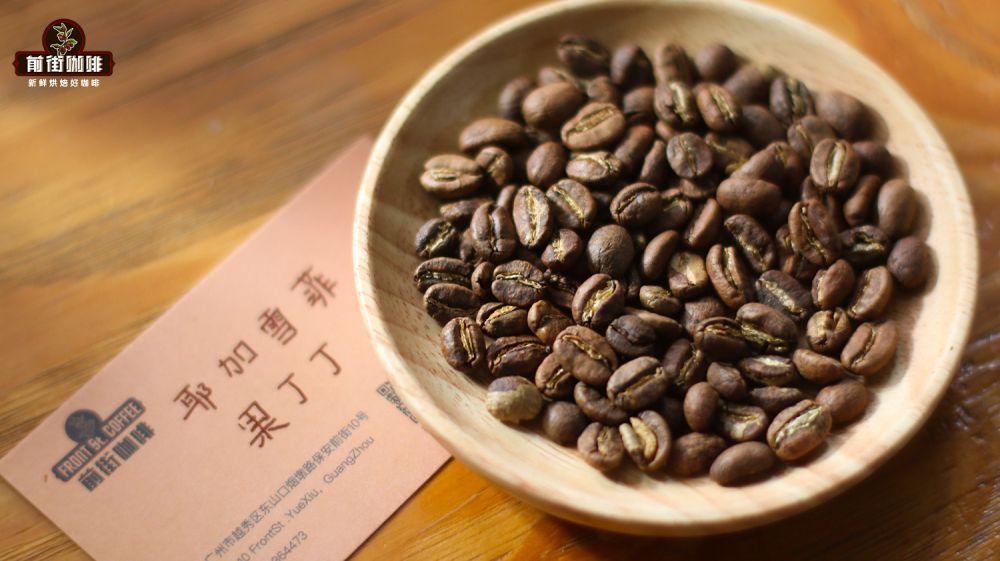
Image caption: Illustration showing cold brew coffee beans and brewing results
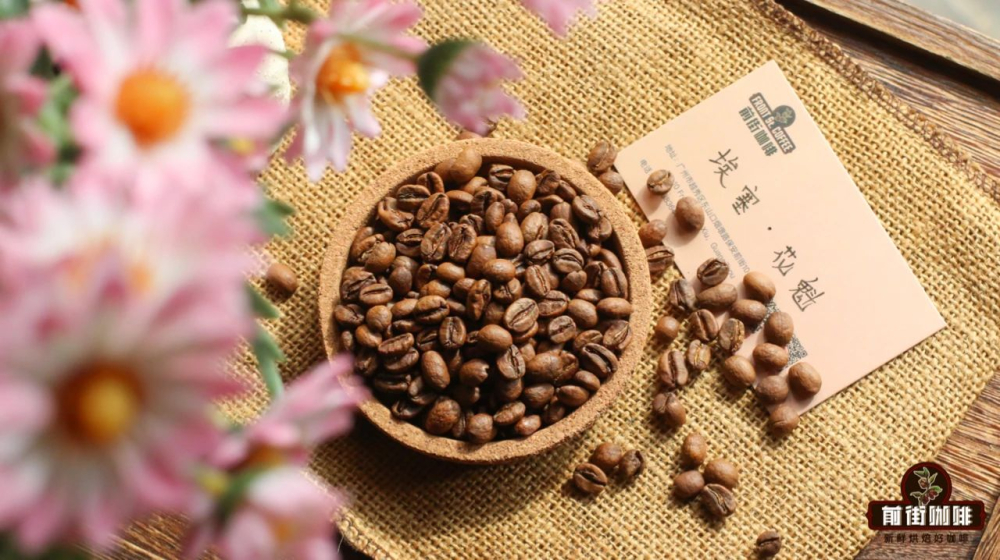
For example, washed coffee beans from Ethiopia’s Yirgacheffe region often exhibit bright lemon acidity and delicate floral notes, making them suitable for those who prefer a fresh-tasting cup; while Sidamo’s natural Hua Kui, due to its fruit pulp fermentation process, delivers intense berry and mango notes with a full-bodied and layered flavor; additionally, blends from Costa Rica and Panama may carry elegant aromas of strawberry and rose, adding more romantic flavor elements to your cold brew.
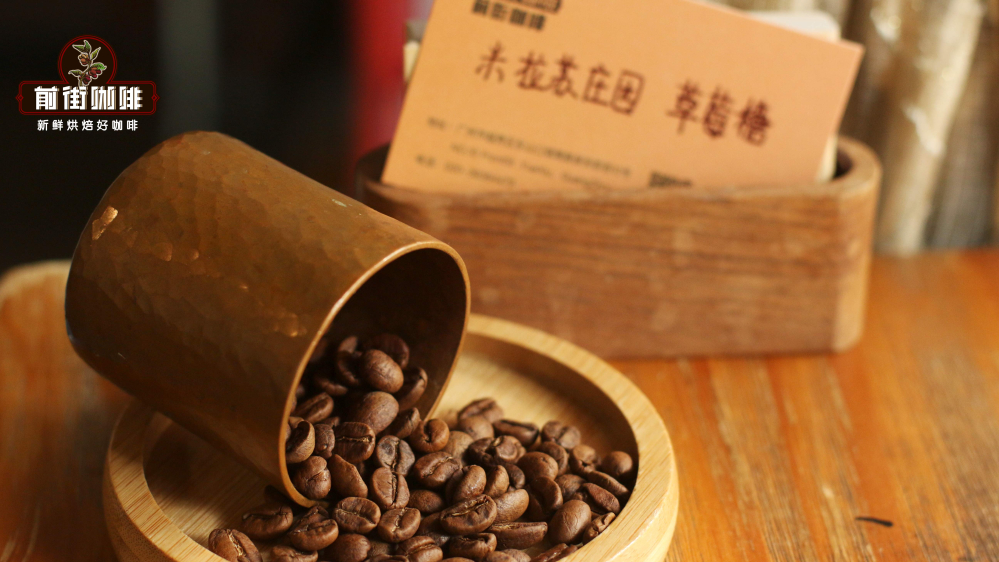
The "Little Tomatoes" beans from Kenya are known for their unique cherry tomato acidity and sweet aftertaste reminiscent of black plum, offering a balanced sweet and sour profile with distinct berry notes. They are a hidden gem choice for many cold brew enthusiasts. These beans are not only great for hot brewing but also excellent for cold brew—just make sure to choose beans that are within 45 days of roasting to fully bring out their potential.
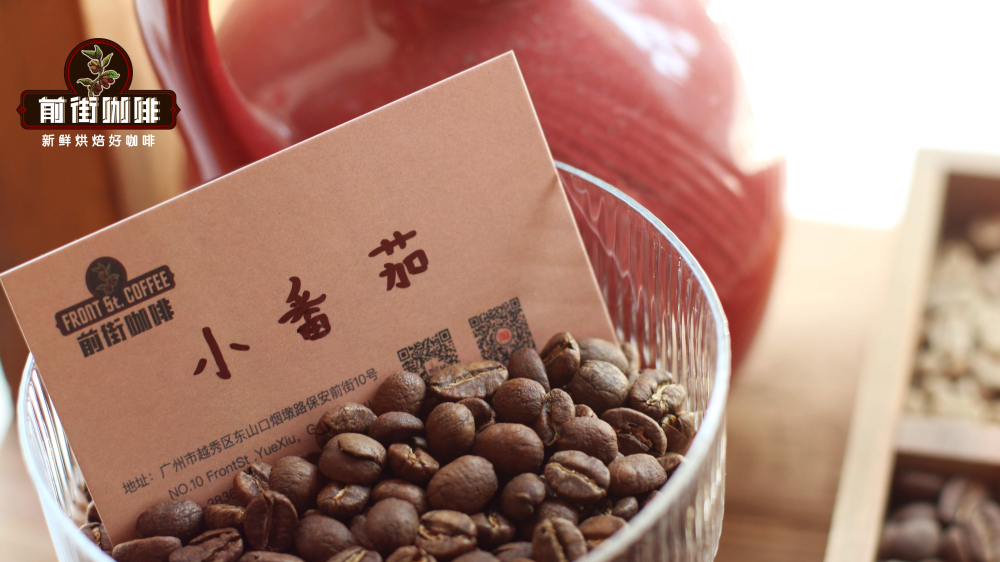
A special reminder: cold brew coffee places very high demands on bean freshness. It’s recommended to choose beans roasted within 45 days to ensure full flavor expression. Freshly roasted beans not only have vibrant aromas but also help avoid flavor loss or cardboard-like tastes caused by prolonged storage. Additionally, the grind size should be slightly coarser than pour over—closer to the texture of coarse sugar—and the steeping time is typically 12 to 24 hours. Brewing in a refrigerated environment yields the best results.
By mastering these basic principles and pairing them with the right beans, you can easily brew cold brew coffee at home that rivals the quality of café-made brews. Whether you’re just starting out or already have some experience, choosing the right beans and understanding the basic parameters can take your cold brew experience to the next level.
The above content is compiled by CoffeeHunters, a coffee news website.

