








Introduction:As a classic and historically significant variety within the Arabica family, Bourbon coffee beans are celebrated for their diverse flavor profiles and relatively beginner-friendly cultivation traits, making them a top choice for many newcomers to coffee. This article delves into the origin and evolution of the Bourbon variety, its main subtypes, and through real-world examples from three representative growing regions, explores how different processing methods shape flavor variations. It also provides practical pour over parameters to help you discover your ideal Bourbon flavor experience.
The cultivation history of Bourbon coffee can be traced back to Réunion Island (formerly known as Bourbon Island) off the coast of East Africa — a volcanic island located approximately 650 kilometers from Madagascar, which is the namesake of this variety. As one of the ancient lineages alongside Typica, Bourbon originated from early Typica plants transplanted to the region. After undergoing natural mutation, it not only exhibited changes in tree structure — with tighter internodes and rounder, shorter berries — but also demonstrated advantages in disease resistance and flavor expression, particularly showing stronger resistance to common leaf rust.
Red Bourbon as the most widespread variety, its ripe fruits display a vivid red exterior. These beans typically have higher flesh density and tighter seed compactness, resulting in prominent sweetness and bright acidity. In addition to the classic Red Bourbon, there are also Yellow Bourbon, a very small amount of Orange Bourbon, and the recently attention-grabbing Pink Bourbon — all special color mutations that derive unique flavor layers due to differences in pigment genes.
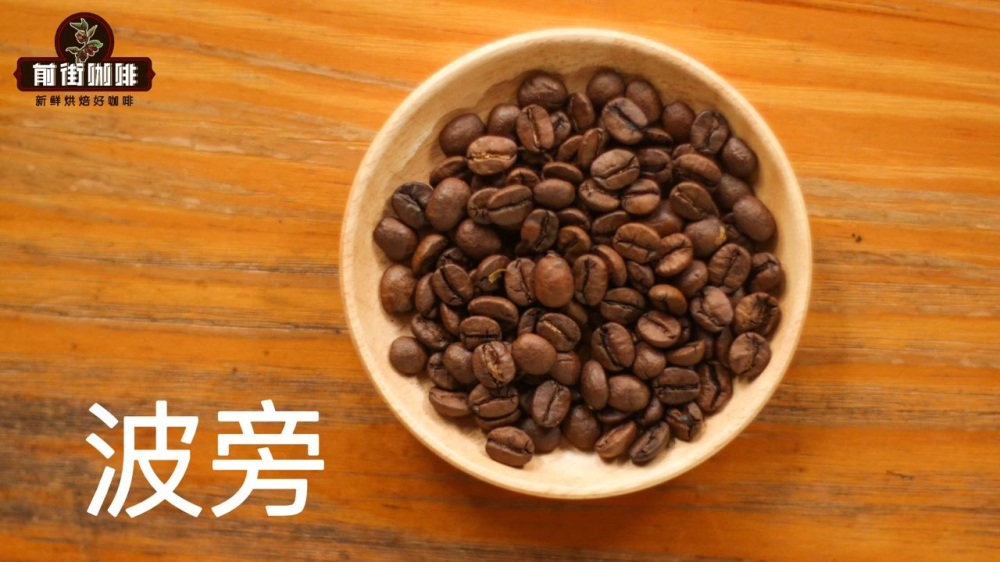
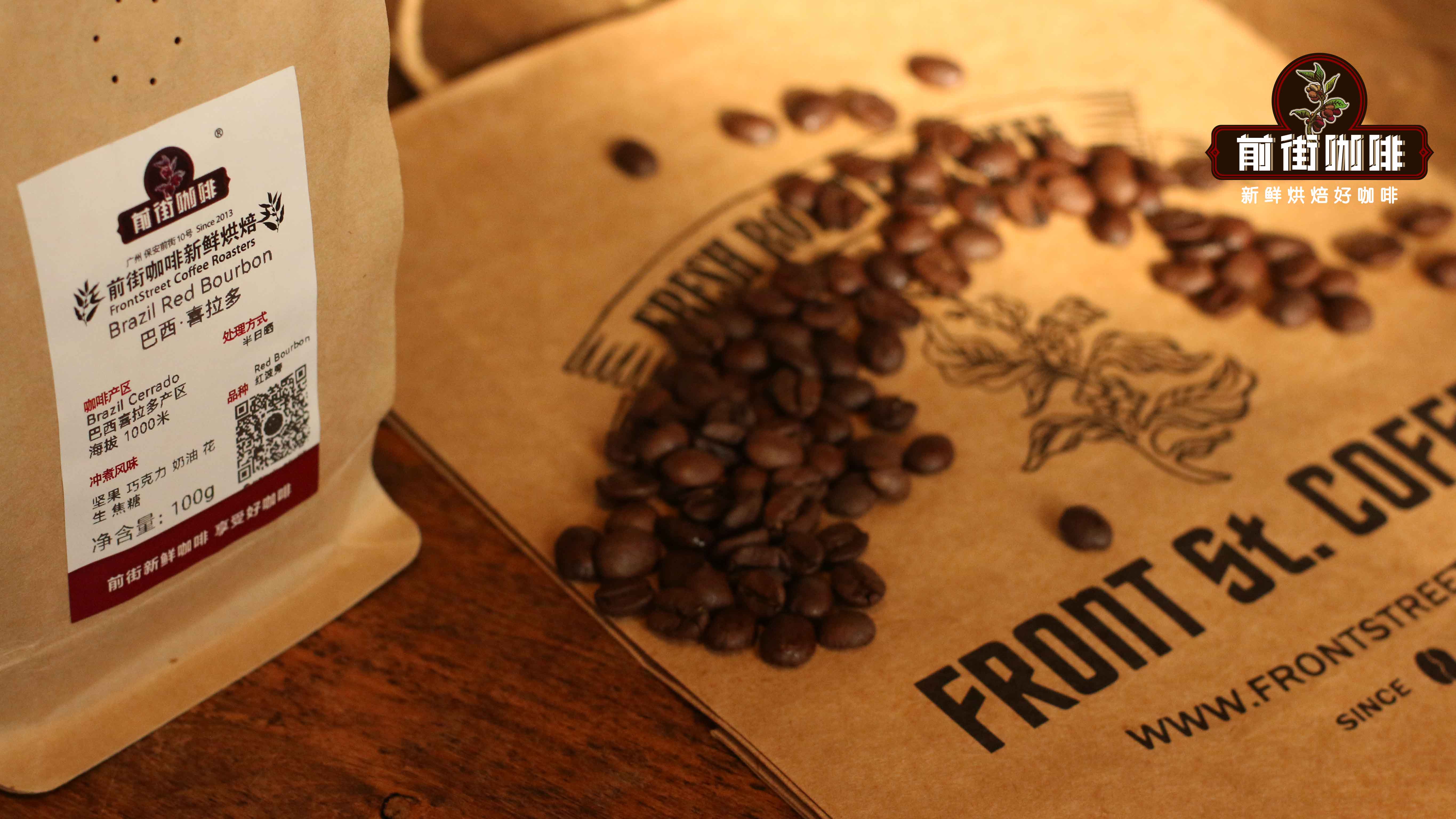
In actual tasting, the performance of Bourbon is highly influenced by regional microclimates and post-harvest processing. The following examples from three typical producing regions illustrate how environmental factors translate into flavor narratives in the cup: First, the Red Bourbon from Brazil’s Cerrado region — a variety commonly grown at medium to low altitudes, which after semi-washed processing exhibits a mild, nutty profile. It is particularly well-suited for medium to dark roasting and extraction via pour over or French press, bringing out pronounced caramel and bread-like aromas.
Turning to Brazil’s Mogiana region, which also grows Yellow Bourbon,the high-altitude environment and semi-washed techniquetogether create a profile that balances sweetness with body — when brewing, aim for a medium-light to medium roast, using a pour over or clever dripper with water temperature controlled at 93°C to highlight the balance between its creamy peanut base and chocolatey finish. It’s worth noting that Yellow Bourbon berries naturally have higher sugar content, and improper fermentation control during post-processing can easily lead to overly sweet or cloying flavors, so choosing a reputable processing mill is crucial.
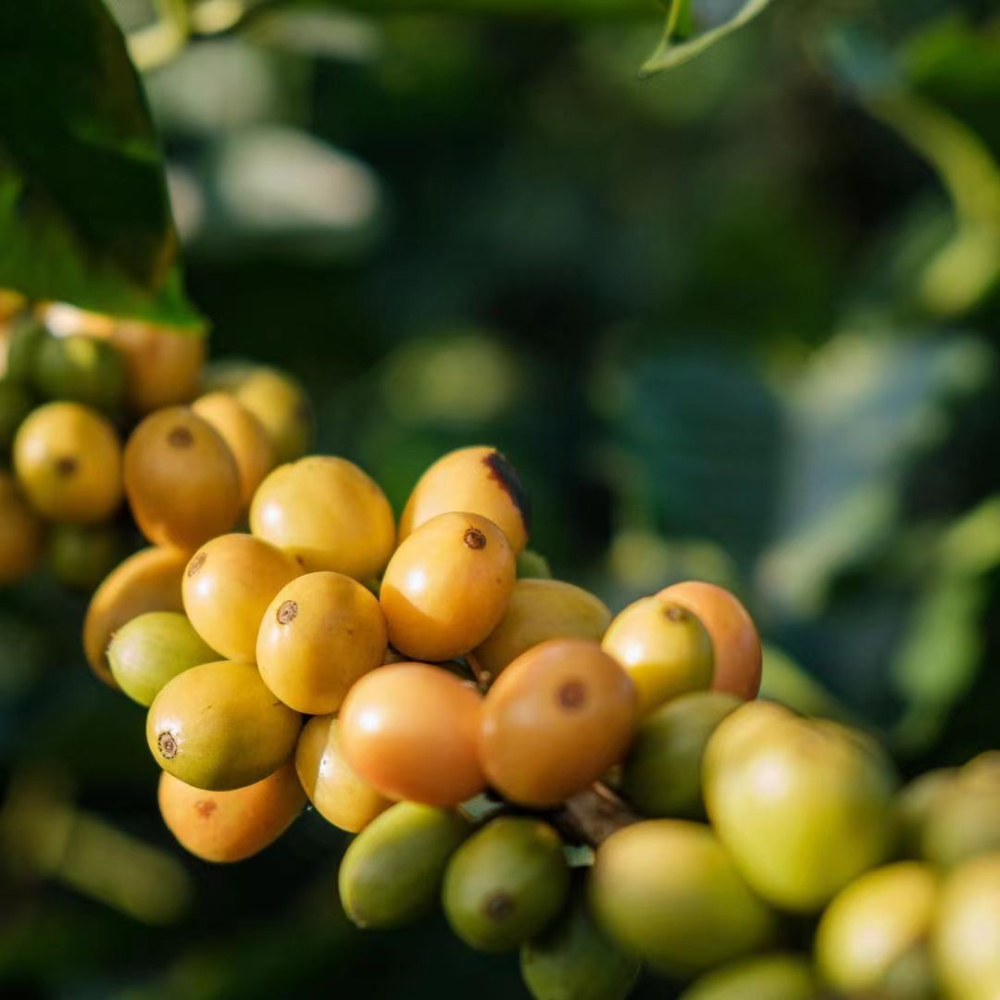
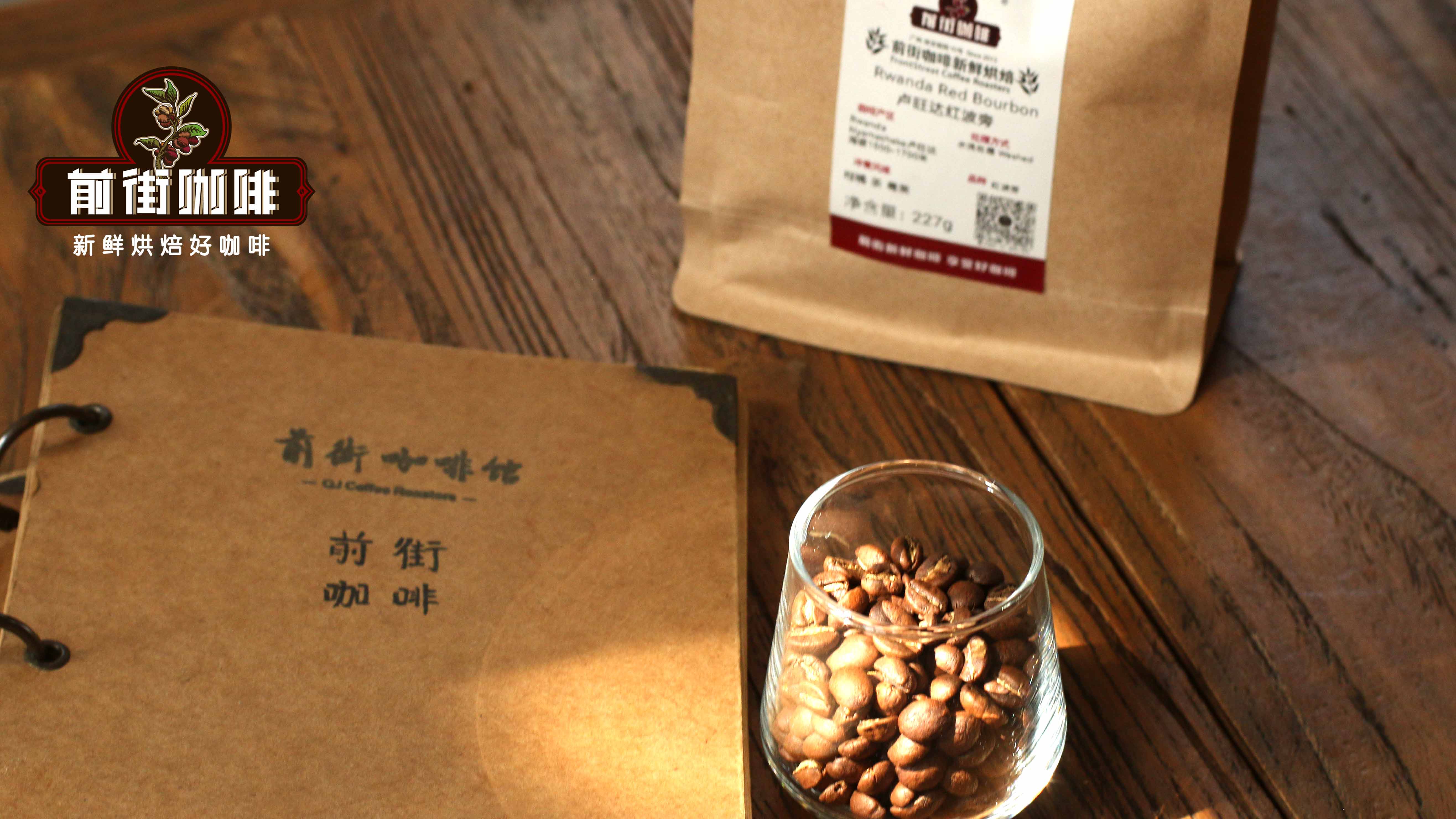
For those who prefer brighter acidity, the Red Bourbon from Rwanda’s high-altitude regions offers a classic example of floral and fruity notes. With planting elevations exceeding 1600 meters and traditional washed processing, this region effectively preserves the vibrant acidity of berries and citrus, while maintaining low bitterness. For pour over, it is recommended to use a fine grind (around medium-fine, similar to granulated sugar) with water temperature at 90–92°C. A pulsed or staged extraction method can more fully release its tea-like finish and stone fruit aromas, making it especially suitable for summer cold brews or hot infusions with varied flavor expressions.
When further exploring the Bourbon family, it’s worth paying special attention tothe correlation between fruit color variations and flavor: Red Bourbon generally offers gentle and stable sweetness; Yellow Bourbon, due to differences in sugar conversion, often displays more intense caramelization characteristics; the rare Pink Bourbon, with its special anthocyanin genes, tends to exhibit a more complex wine-like texture and delicate floral notes. These differences are not only reflected in static flavor descriptions but also dynamically adjust with brewing parameters such as coffee-to-water ratio (recommended 1:15 to 1:16) and bloom time (30–45 seconds).
For beginners just starting with pour over, the friendly nature of Bourbon lies in itsforgiving extraction flexibility— whether using a V60, AeroPress, or siphon, as long as basic parameters are maintained (such as a coffee-to-water ratio of 1:15 to 1:17 and water temperature between 88–93°C adjusted according to roast level), a balanced flavor output can usually be achieved. Beginners are advised to start with medium-light roasted Red Bourbon, then gradually explore subtle flavor profile shifts by switching regions or processing methods, while keeping a record of each brew’s parameter combinations to help build a personal flavor database.
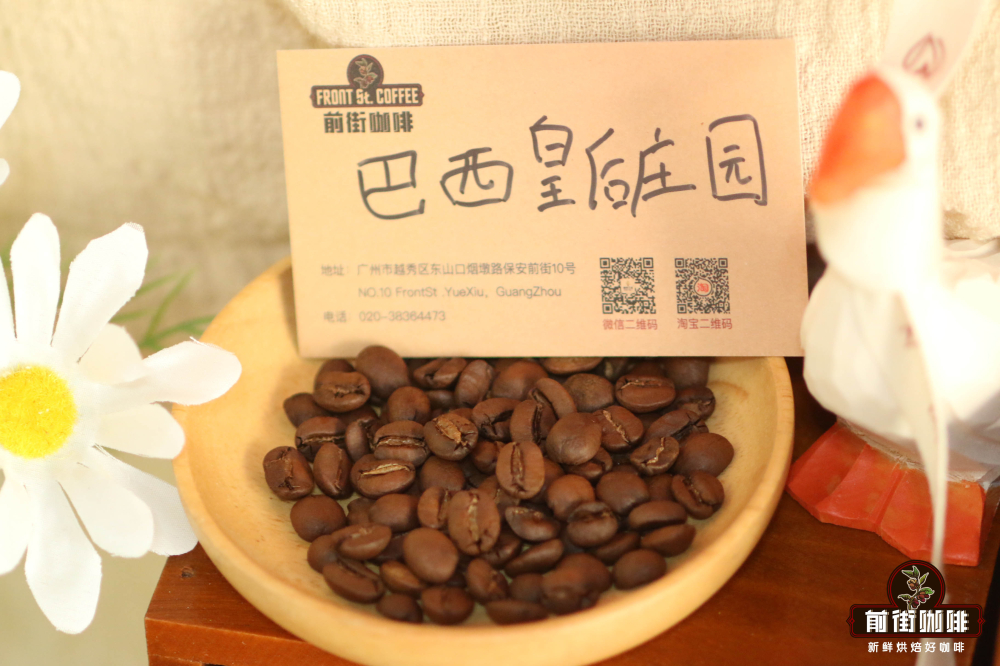
In summary, the charm of Bourbon coffee beans lies in their dual qualities of historical depth and modern adaptability. From the Brazilian highlands to the volcanic zones of Africa, the terroir and post-harvest techniques of different regions continuously inject fresh expressions into this classic variety. Whether you’re seeking a reliable daily drinker with stable sweetness or hoping to embark on a sensory adventure of floral and fruity notes, understanding the fundamental characteristics and variation patterns of the Bourbon variety will provide you with a solid foundational reference for your coffee journey.
The above content is compiled by CoffeeHunters, a coffee news website.

