







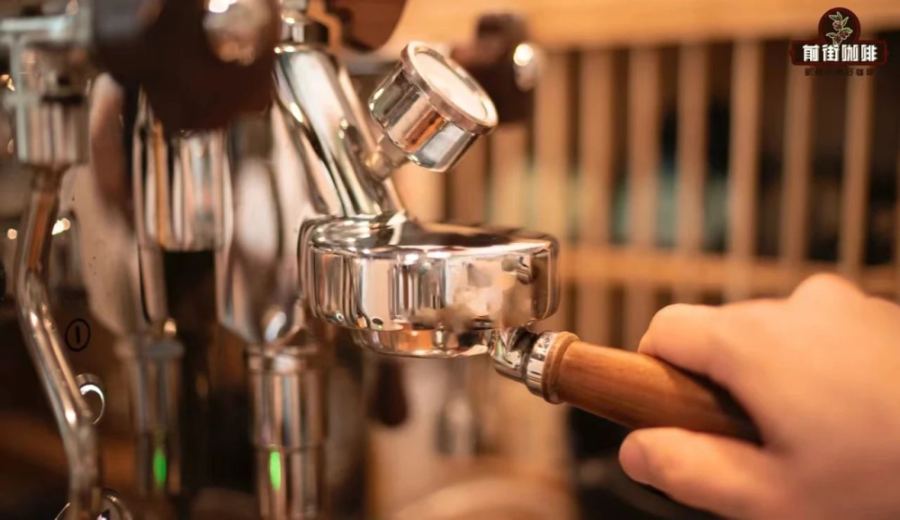
Introduction:Want to understand the fundamental differences between Americano and espresso? This article delves into the flavor profiles, brewing principles, and taste distinctions of both, while also detailing the key parameters for extracting espresso, the reasons behind crema formation, and recommending rich-crema coffee beans suited to different preferences. Whether you’re just getting started or looking to refine your brewing techniques, you’ll find practical insights here.
Many people are initially put off by espresso due to its intense and bold flavor, but once they adapt, they can appreciate its distinctive charm of layered complexity and concentrated flavors. This classic coffee originating from Italy is not only an important benchmark for evaluating coffee bean quality and barista skills, but also serves as the base for many coffee beverages.
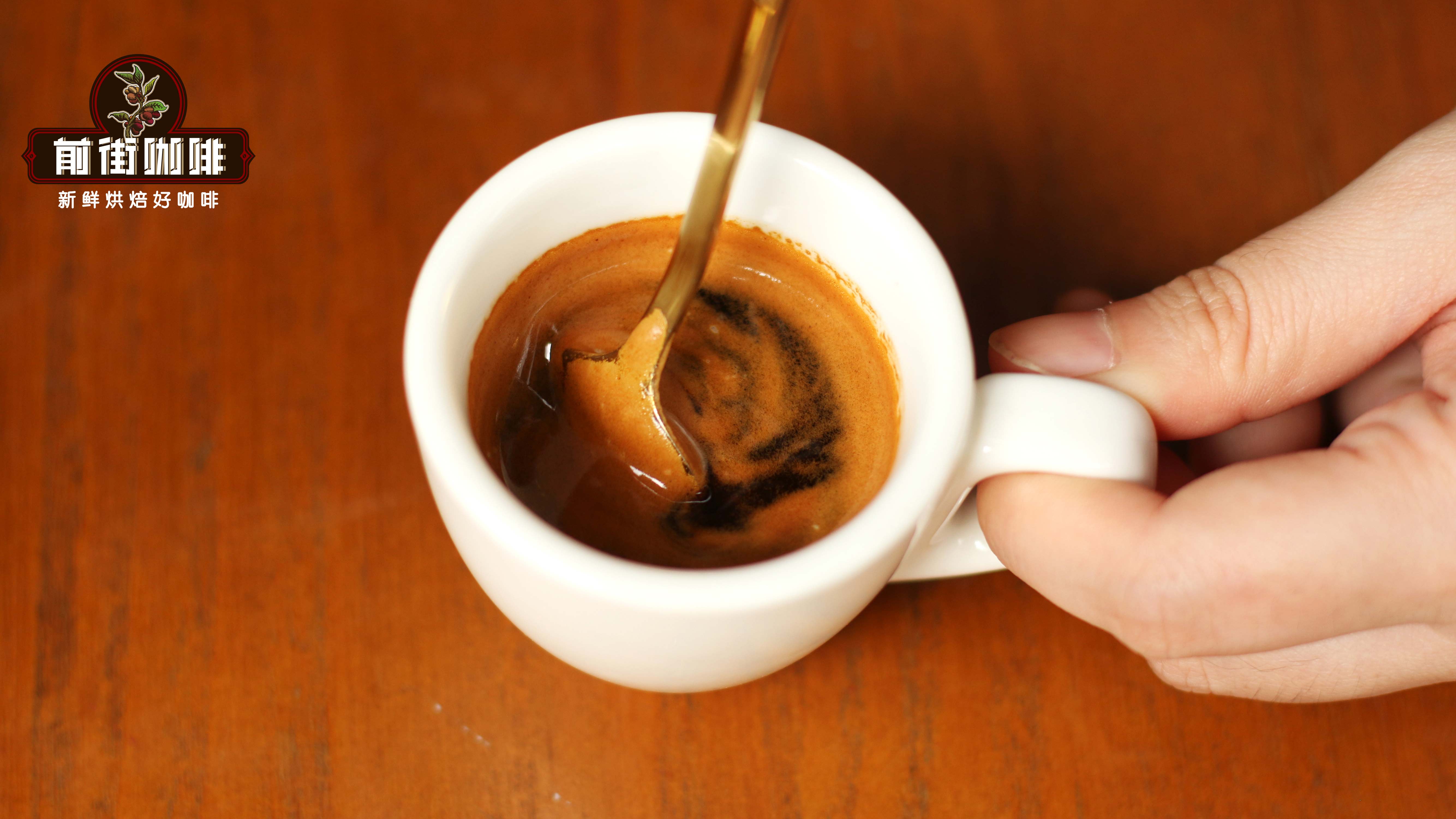
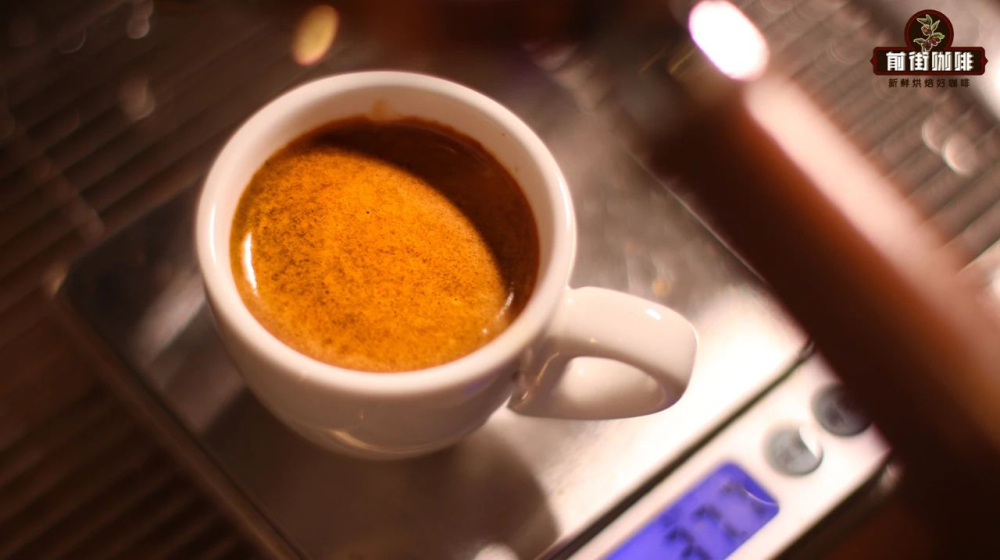
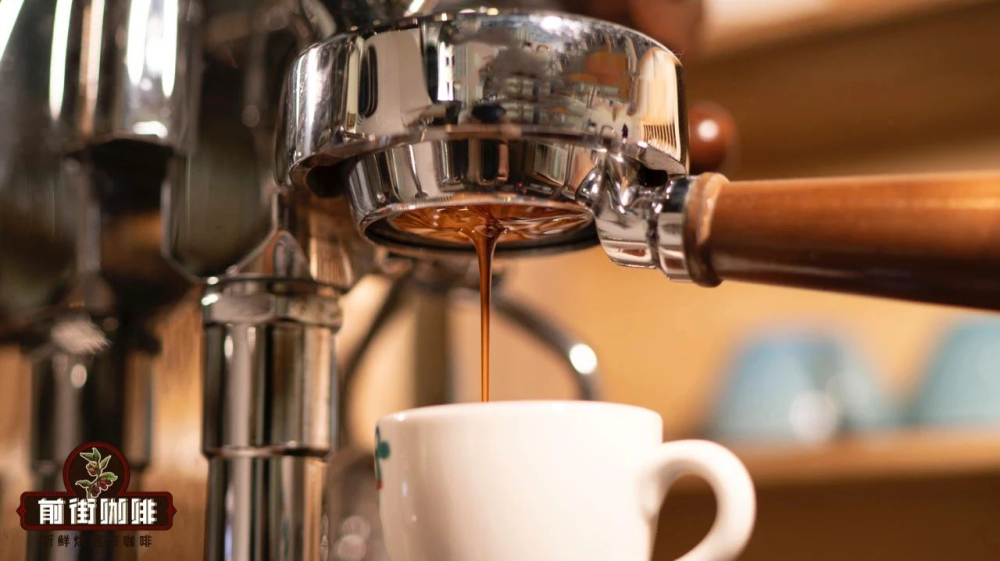
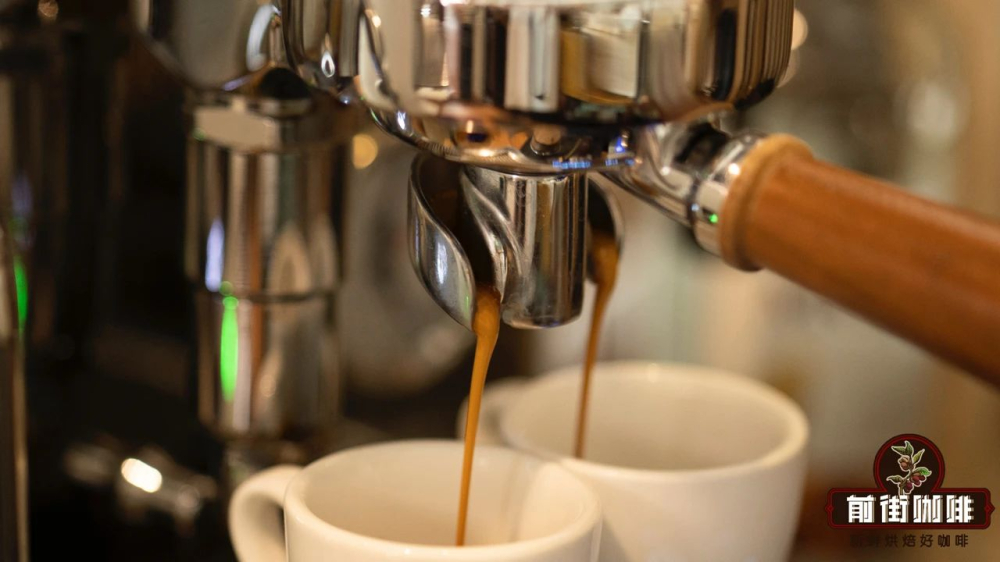
So-called espresso is made by extracting a small amount of highly concentrated coffee liquid under approximately 9Bar of high pressure and at a temperature of 90 to 96°C, typically within just 20 to 30 seconds. Freshly extracted espresso is topped with a layer of fine golden foam — this is what we call crema. The formation of crema hinges on high pressure emulsifying the carbon dioxide and oils in the coffee, while also extracting soluble aromatic compounds from the coffee grounds, enriching the drink’s texture and visual appeal.
In contrast, the origins of Americano have more historical background. During World War II, American soldiers, accustomed to milder coffee, would often dilute the strong espresso they encountered in Europe with hot water. This method later made its way back to the United States and gradually evolved into the Americano we know today. Although the preparation may seem simple, whether crema is retained, or whether water is added before or after the espresso, can all influence the final flavor profile.
To make a standard Americano, it typically involves using one or two shots of espresso (extracted at a ratio of about 1:2, yielding 20g to 40g of coffee liquid), then diluting it with hot water at a ratio of 1:5. It is recommended to use around 200 grams of total water to achieve a balanced and smooth-drinking beverage. Some methods prefer pouring the espresso first and then adding water, which helps preserve the crema, but as long as the proportions are correct, the order has minimal impact on flavor.
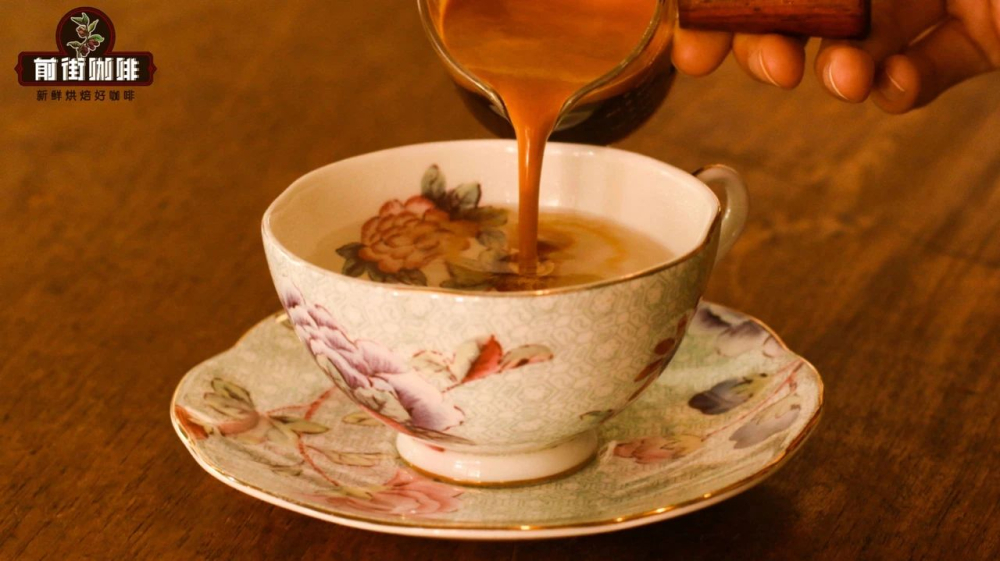
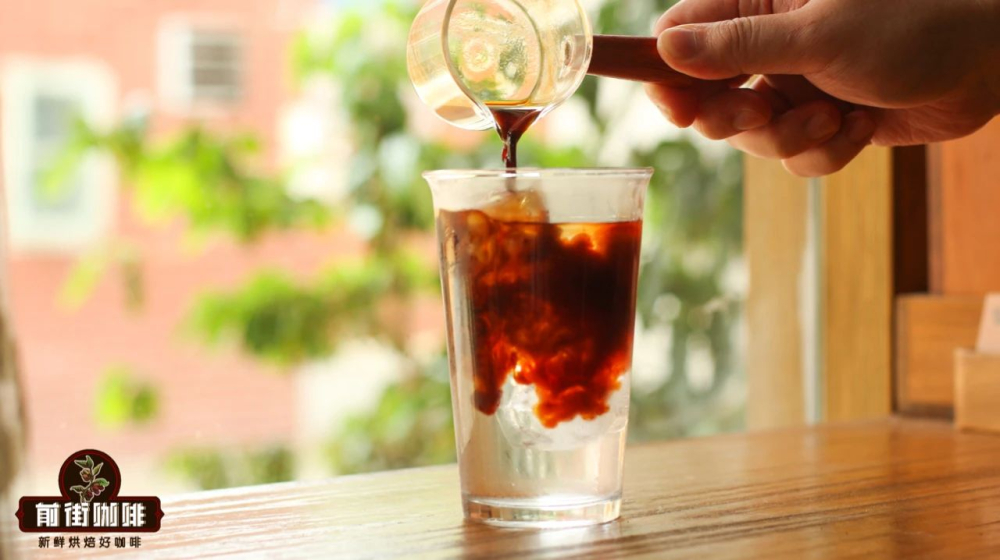
The flavor quality of a good Americano entirely depends on the espresso used. Over-extraction can lead to pronounced bitterness, under-extraction may result in sharp acidity, and too much water can make the overall taste overly thin and lacking in layers. Therefore, selecting the right coffee beans and precise extraction parameters are key to brewing a delicious Americano.
To produce an espresso that is rich in crema and has a full-bodied taste, choosing the right blend is crucial. There are multiple blends on the market specifically designed for espresso, each showcasing different flavor profiles:
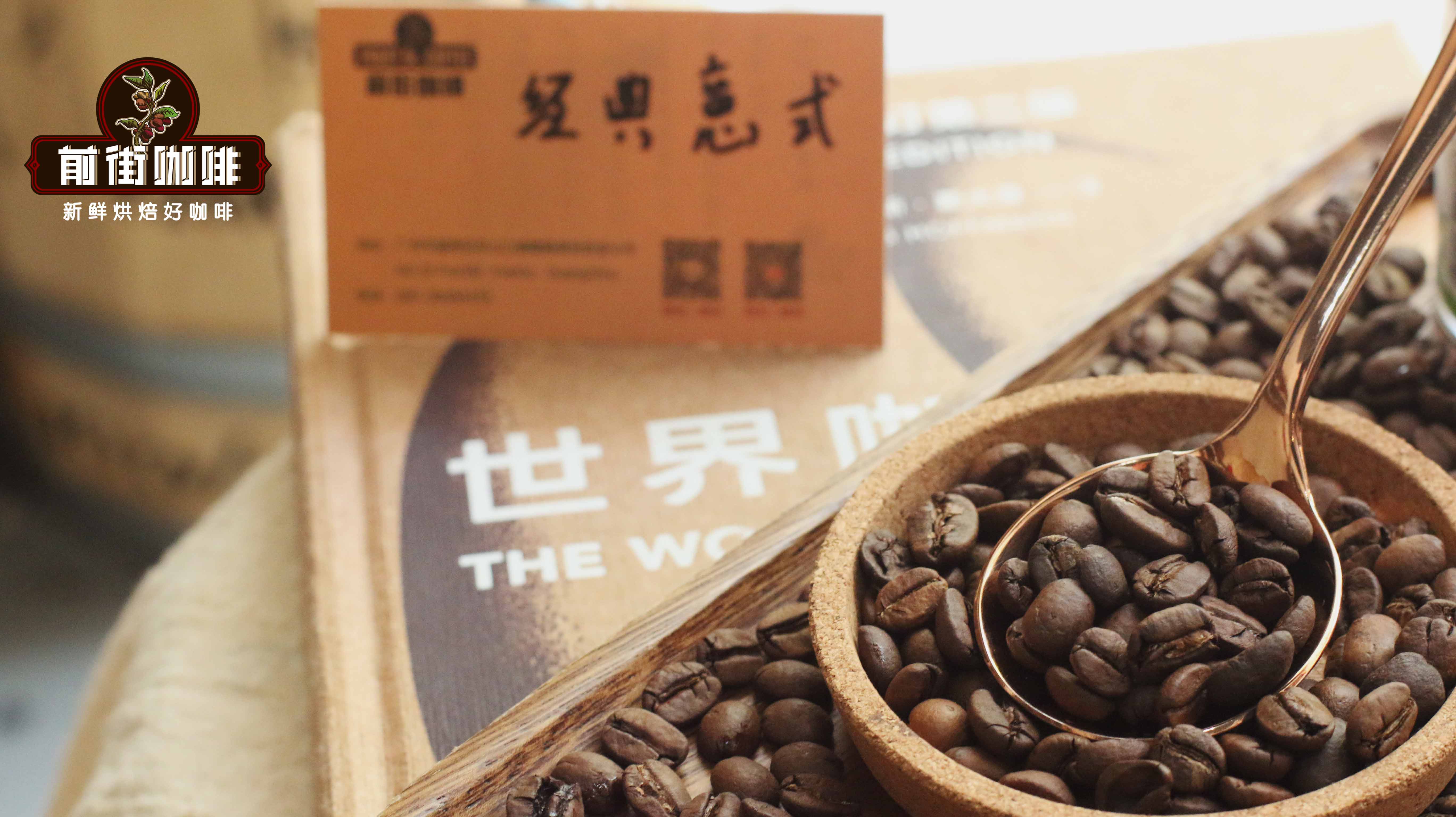
1. Traditional Classic Dark Roast Blend: Combining beans from Brazil, Indonesia, and Vietnam, this blend uses high-temperature roasting to bring out intense chocolate and nutty notes. The crema is thick and long-lasting, making it ideal for those who prefer a bold mouthfeel. It performs excellently whether used for Americano or paired with milk.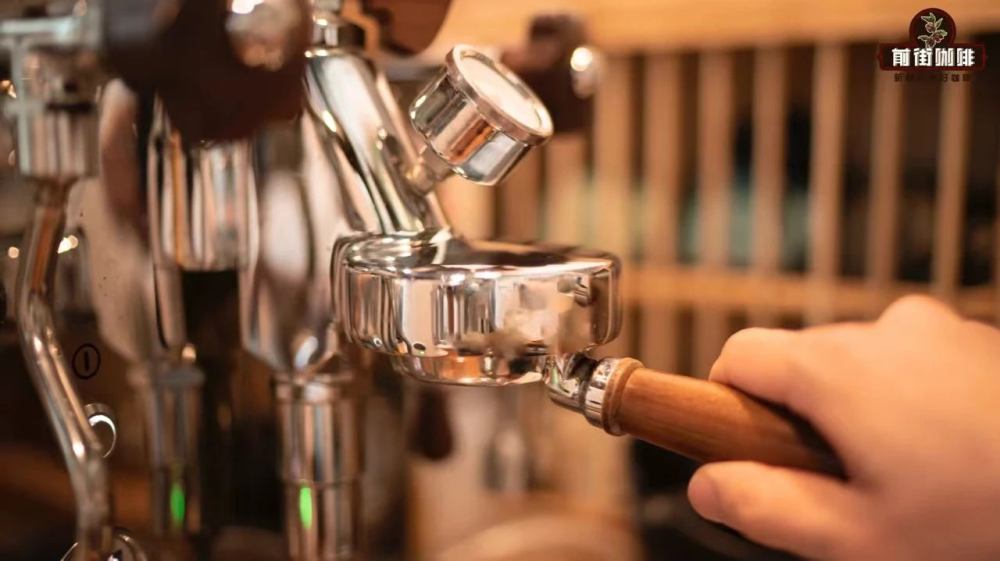
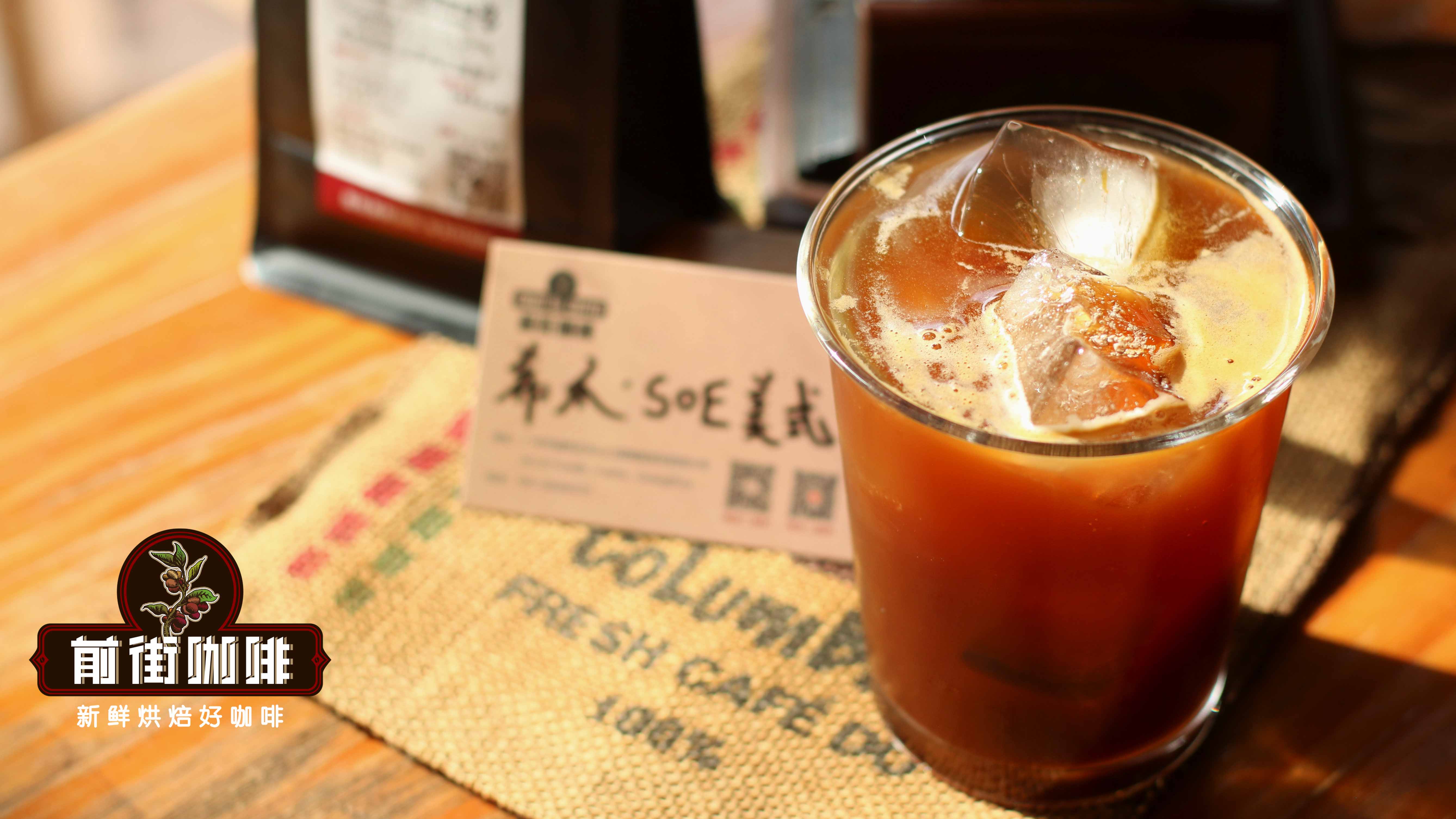
2. Fermented Process Flavor Beans: For example, the Geisha variety from Colombia’s Huila region, processed with double anaerobic sun-drying, delivers pronounced notes of grape, citrus, and passionfruit. It features bright acidity and rich layers, making it suitable for making iced Americano or single-origin espresso (SOE), offering a refreshing fruity and juice-like character.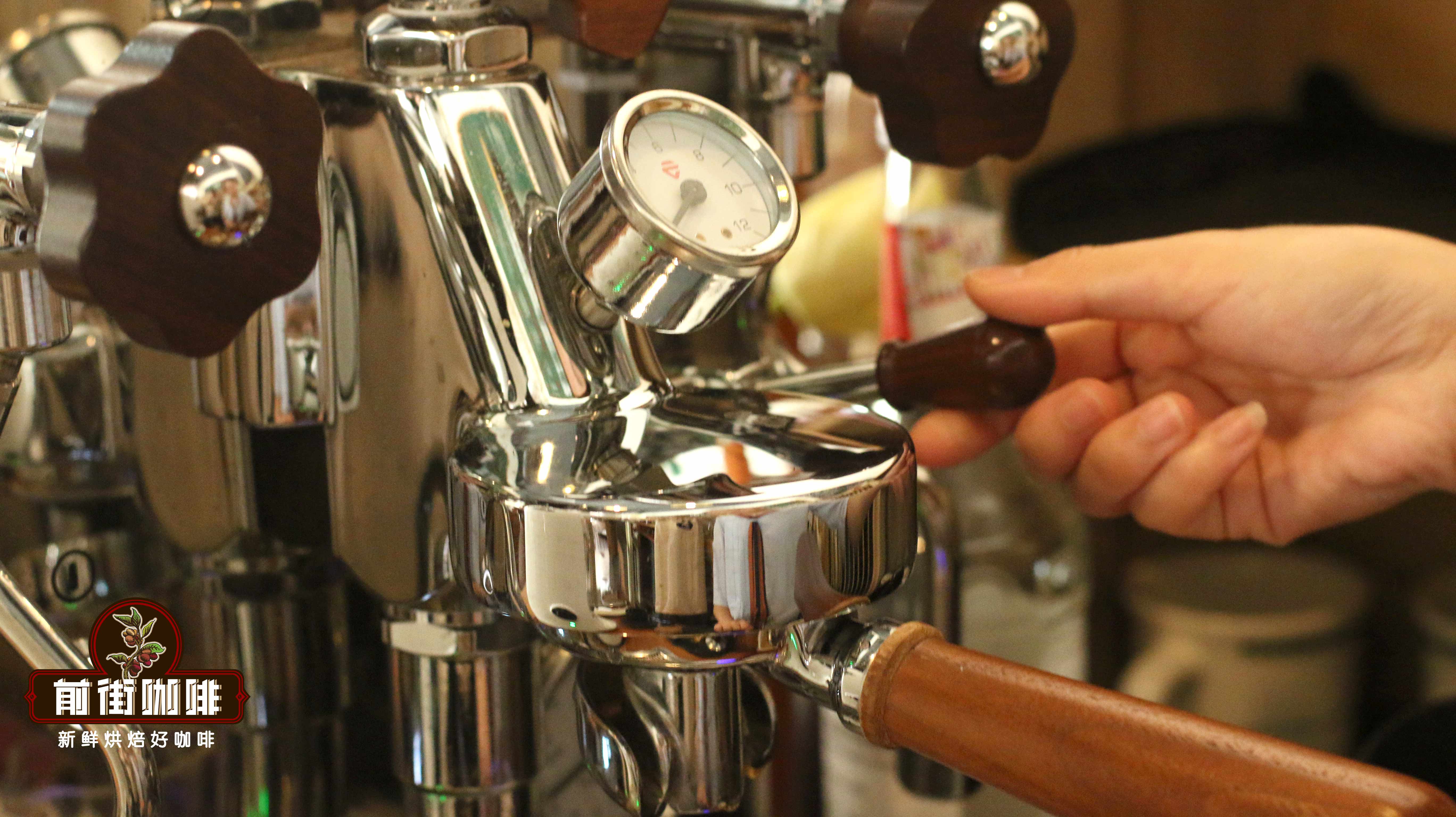
3. Balanced Medium-Dark Roast Blend: Based on Brazilian beans and complemented by Colombian beans with nutty and gentle fruity acidity, medium-dark roasting makes the overall flavor more rounded. It suits coffee lovers who prefer a less intense daily drink without overly strong stimulation.
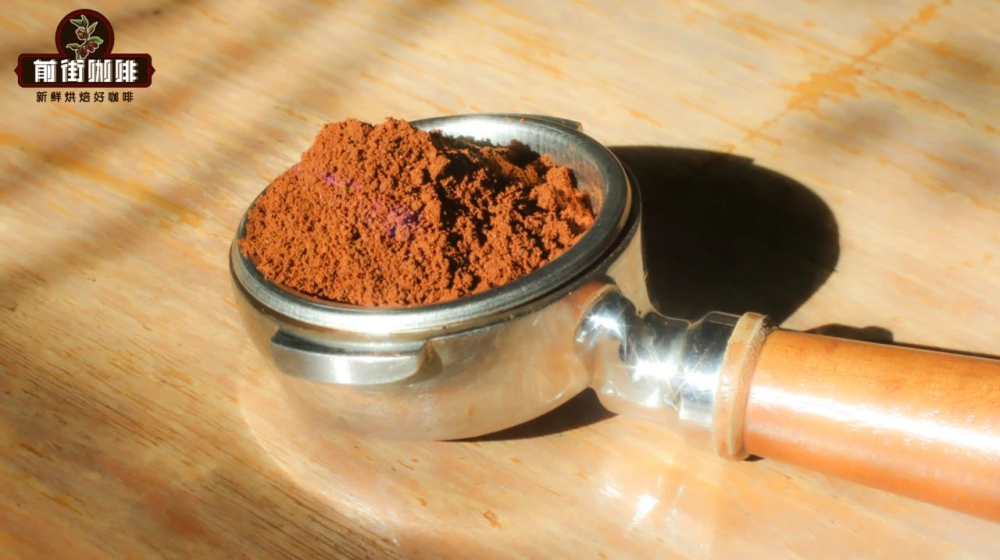
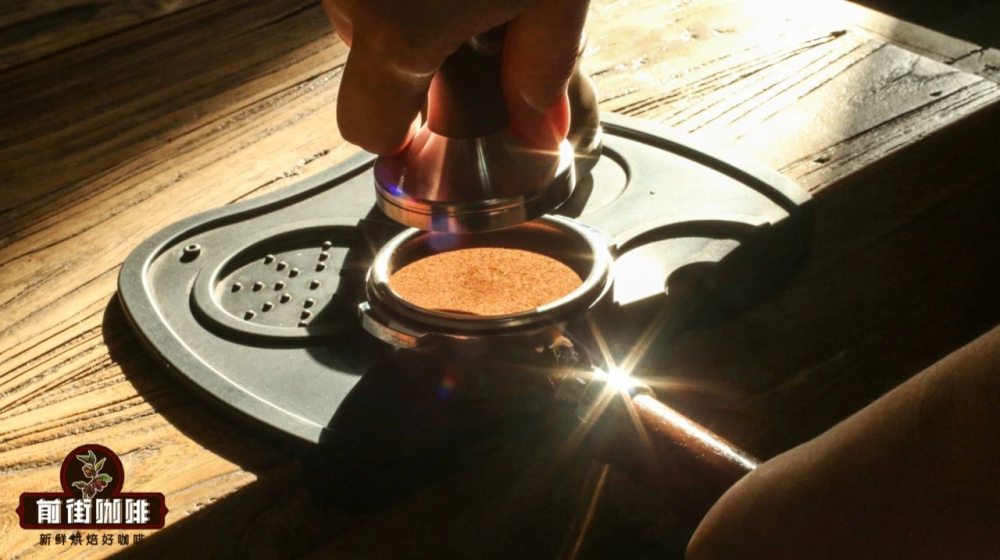
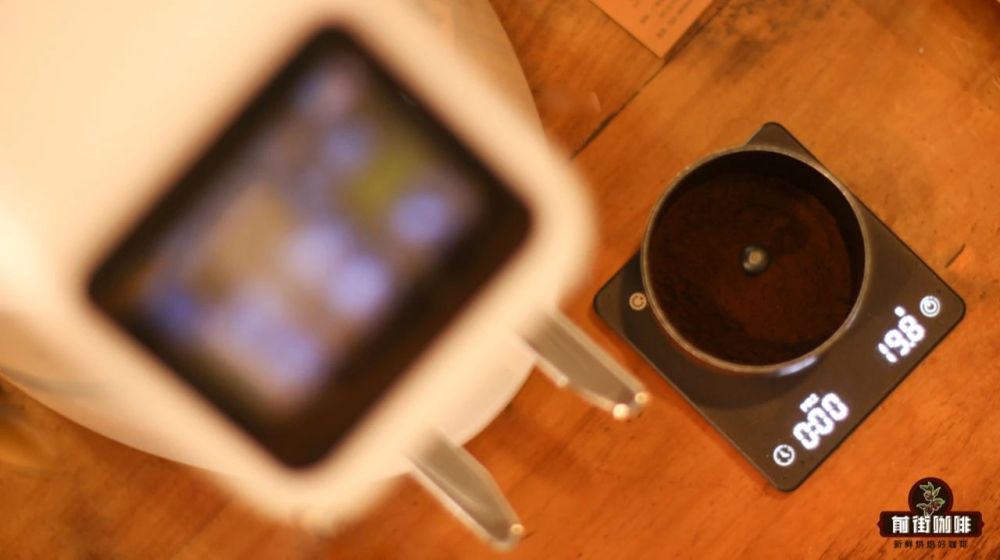
When actually extracting espresso, it is recommended to use stable pressure of about 9Bar, with extraction temperature controlled between 90.5 and 96°C. The coffee-to-water ratio should be maintained between 1:1.7 and 1:2. Use about 12 grams of coffee grounds for a single shot and around 20 grams for a double, with an extraction time of about 20 to 30 seconds, yielding approximately 20 to 40 milliliters of espresso. Stable machine performance and proper grind size adjustment are also important factors influencing even extraction and crema quality.
In summary, espresso and Americano differ significantly in flavor intensity, taste layers, and brewing techniques. Understanding these basic principles helps in selecting the right beans and brewing method according to personal taste preferences. Whether you enjoy the layered depth of pure espresso or prefer the balanced refreshment of an Americano, you can find the coffee experience that suits you best.
The above content is compiled by CoffeeHunters, a coffee news website.


