







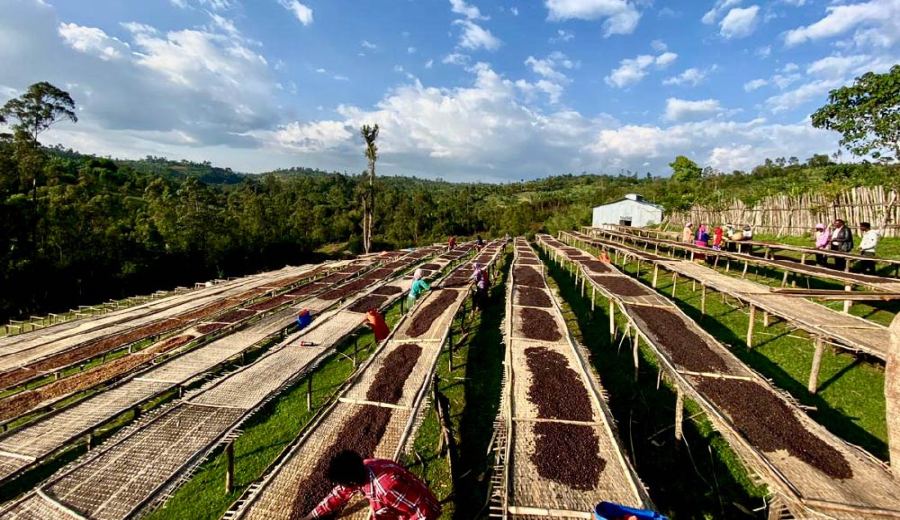
Introduction:As one of Ethiopia’s most iconic coffee-growing regions, Yirgacheffe is renowned worldwide for its distinctive floral-fruity flavor profile and bright acidity. This article delves into the story behind Yirgacheffe coffee — from regional background and varietal characteristics to processing method variations and tips for beginners — and provides practical brewing parameters such as water temperature, grind size, and pour over steps to help you fully experience the charm of this classic African single origin.
Yirgacheffeis not only a representative of Africa’s specialty coffee but also a dream bean for pour over enthusiasts around the globe. This coffee hailing from a small town in southern Ethiopia stands out with its vibrant lemon acidity, delicate white floral notes, and honey-like aromas, offering a coffee experience that’s a far cry from the heavy roast bitterness traditionally associated with the beverage.
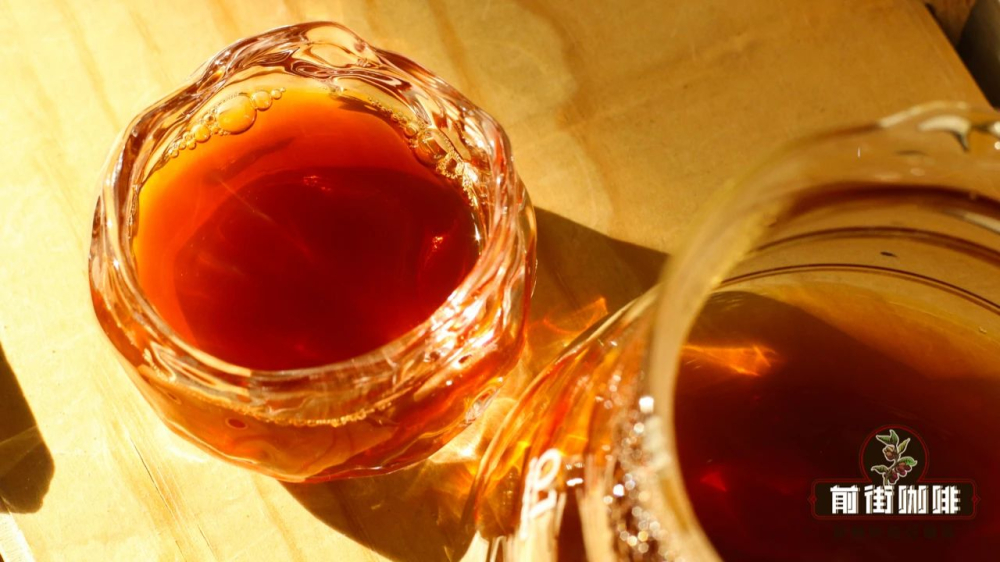
Want to identify authentic Yirgacheffe? You can start by looking at three key aspects. First is its uniqueflavor profile: bright citrus, white floral notes paired with honey-like sweetness, gentle acidity with a citrusy twist, and a lingering finish reminiscent of green tea — completely breaking away from the intense impression typically associated with coffee.
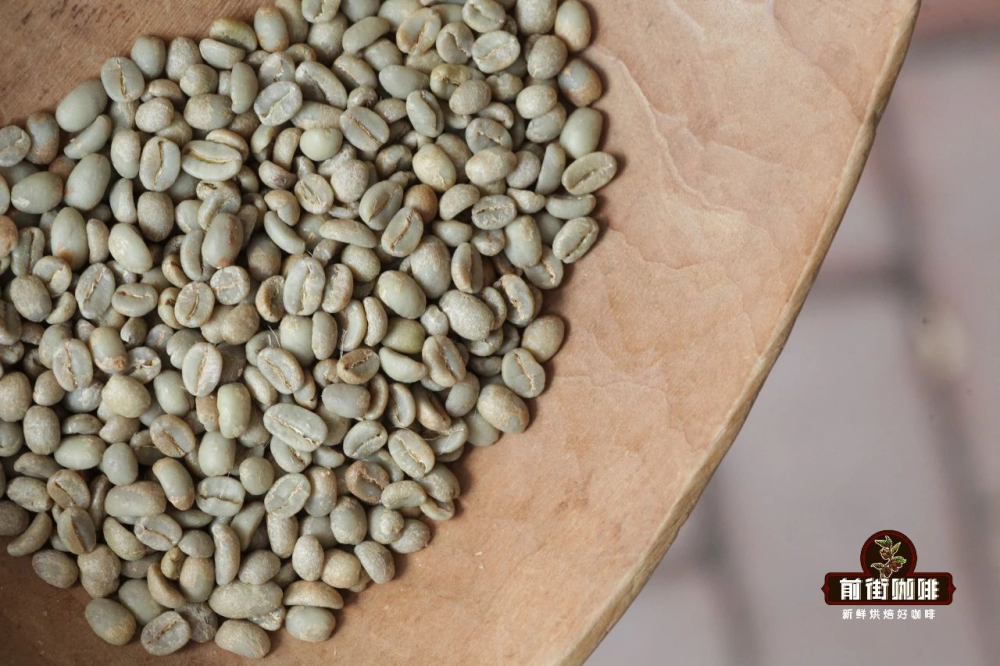
Secondly,varietalis also an important indicator. Yirgacheffe primarily uses Ethiopia’s unique native heirloom varieties (Heirloom), which consist of a mix of wild and cultivated strains. Though the beans vary in size, this diversity gives rise to a richly layered flavor. If you see a "Yirgacheffe" labeled as non-heirloom, it’s likely just commercial-grade coffee masquerading as something more.
Next, consider theorigin information. The name Yirgacheffe means “a home settled in a wetland” and geographically, it is located in southern Ethiopia at an altitude of approximately 1,700 to 2,100 meters. The high elevation extends the ripening period of coffee cherries, allowing more flavor compounds to develop and resulting in its uniquely elegant profile. Moreover, Yirgacheffe can also refer to cooperatives within the region known for their distinctive processing methods, such as the well-known Konga Cooperative (Konga Fruit and Red Cherry).
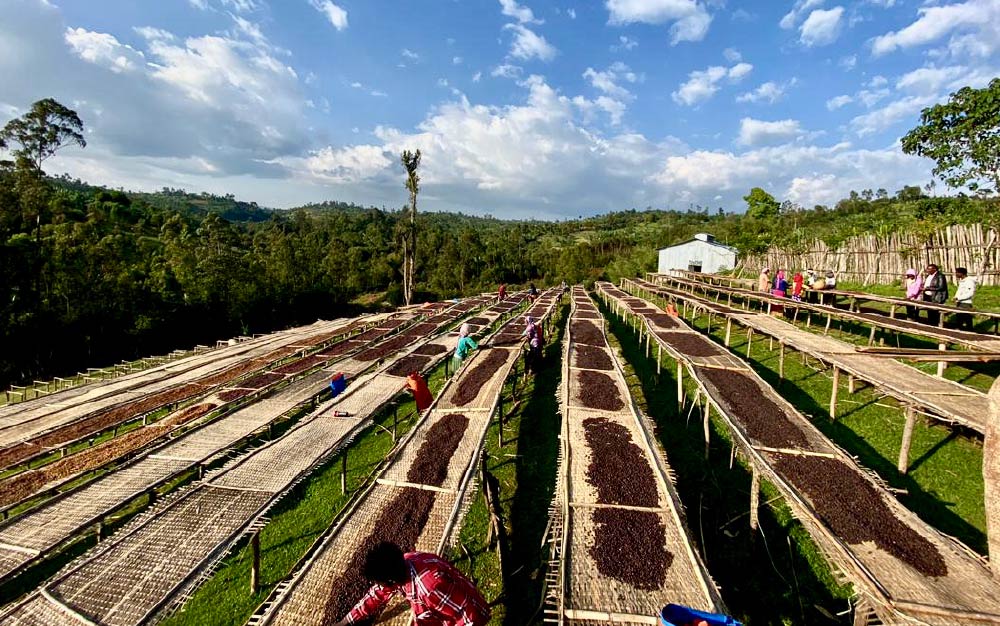
The Yirgacheffe area is mostly made up of smallholder farms rather than large estates. Farmers typically intercrop coffee with other plants in their home gardens or fields, then deliver the harvest to cooperatives for centralized processing and sales. This "garden coffee" model preserves a high degree of terroir expression. Established in 2002, the Yirgacheffe Coffee Farmers Cooperative Union (YCFCU) brings together 28 village-level cooperatives, providing stable quality control and traceability.
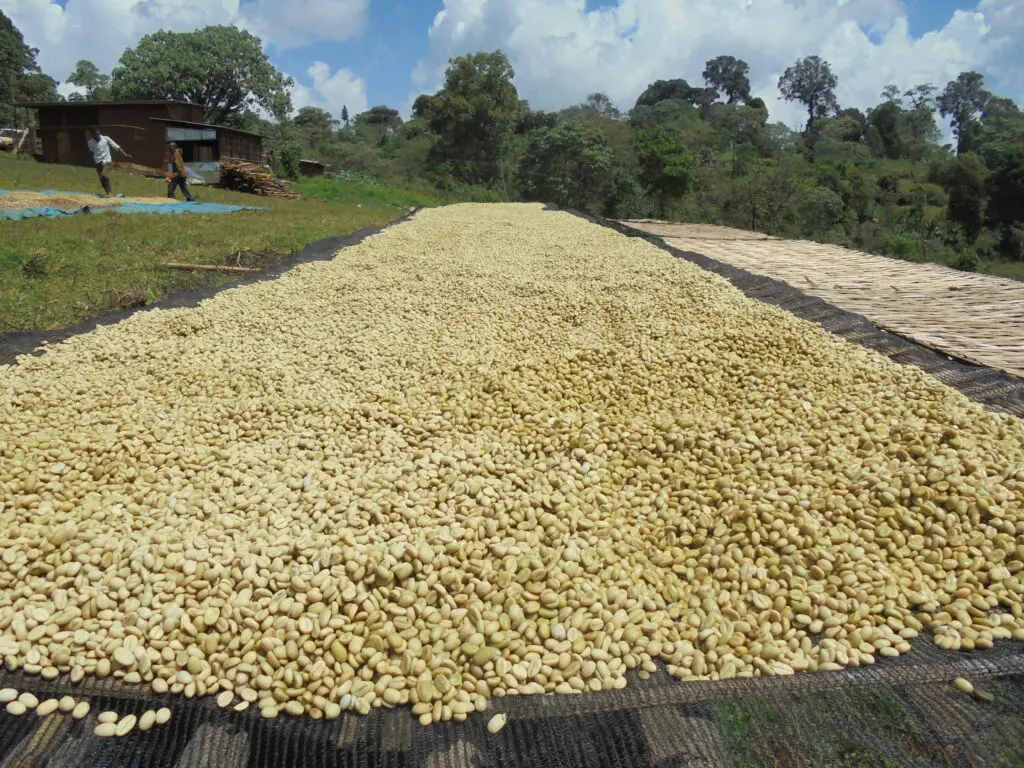
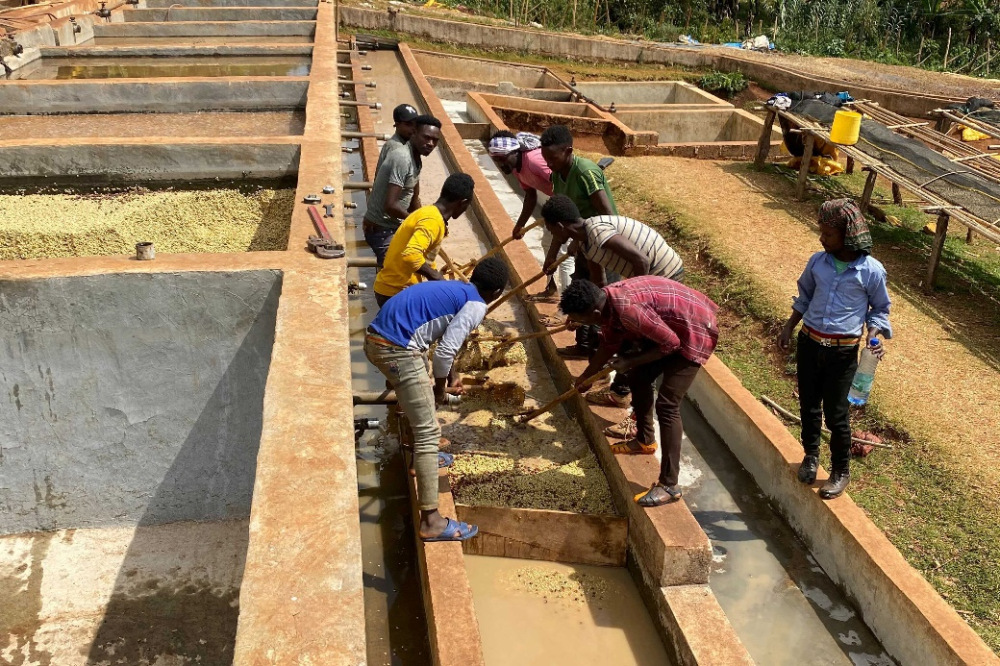
In terms of processing methods, Yirgacheffe initially relied mainly on natural (sun-dried) processing, but in recent years, the introduction of washed techniques from Central and South America — supported by the government — has significantly improved flavor purity. The washed process includes: removing floaters to eliminate defects, mechanically depulping the coffee, fermenting the mucilage for 12–36 hours, washing to clean the beans, and finally sun-drying. This method highlights the region’s foundational flavor characteristics, yielding brighter acidity, lower defect rates, and making it highly suitable for beginners. For those wanting to experience washed flavors, we recommend choosing Yirgacheffe washed beans labeled as G1 grade.
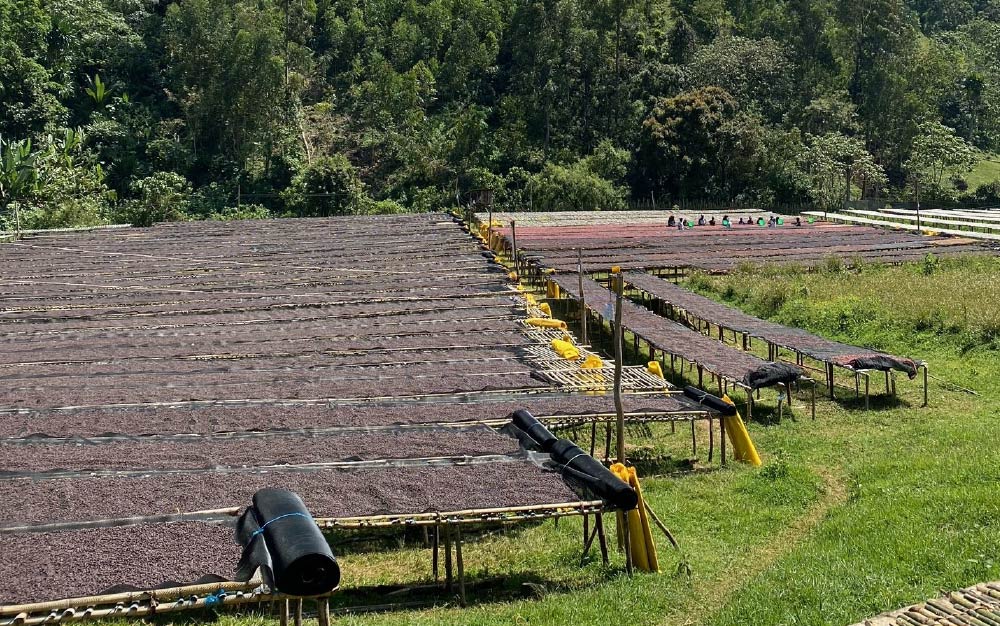
Of course, natural (sun-dried) processing can also showcase another captivating side of Yirgacheffe. Thanks to refined sun-drying techniques, this method allows the coffee to exhibit intense berry aromas and a fuller body. Red cherry coffee fruits are placed on raised beds to dry slowly, requiring manual turning at intervals to prevent over-fermentation until the moisture content drops to 11–12%. This approach imparts the coffee with richer fruit tones and is a must-try for advanced coffee enthusiasts.
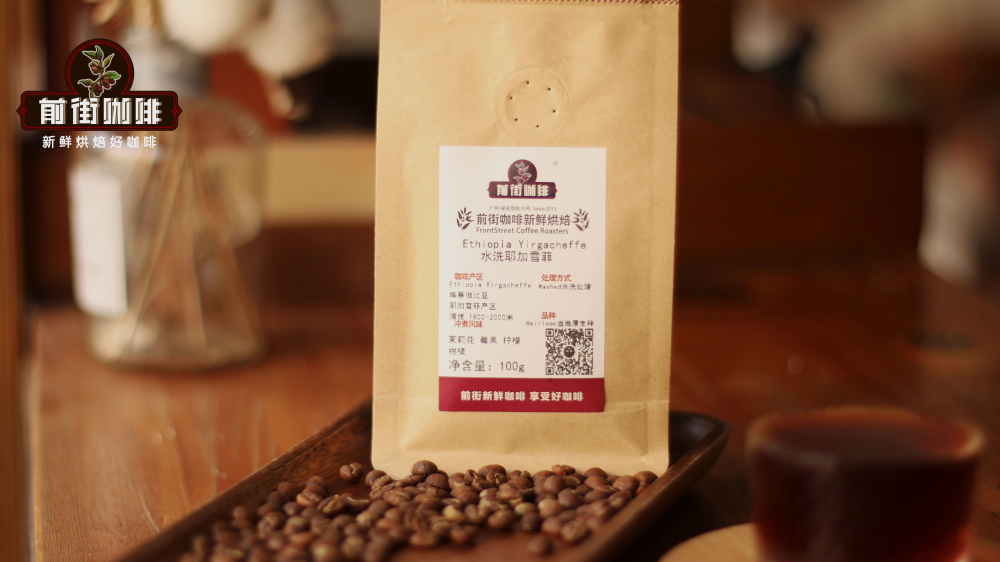
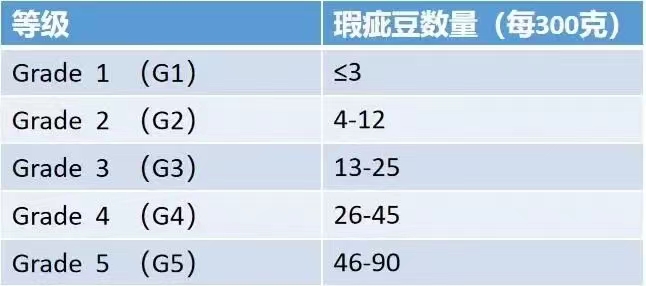
In terms of grading, Yirgacheffe is divided into washed and natural categories, then further classified by grade according to SCAA cupping standards — the lower the number, the higher the quality. G1 is the top grade, indicating the clearest flavors, vivid aromatics, excellent balance of acidity and sweetness, and is commonly found among premium beans processed at high altitudes using the washed method.
To fully bring out Yirgacheffe’s bright acidity and floral-fruity character,pour over parametersare crucial. It is recommended to use freshly roasted coffee beans (ideally within 5 days post-roast) to ensure flavor integrity. The optimal water temperature is set at 92–93°C, paired with a grind size similar to fine sugar (approximately 78% passing through a #20 sieve), and a brew ratio of 1:15 is advised.
A practical pour over method can follow a three-stage extraction: begin with a 30-second bloom using 30g of water, then pour 95g of hot water, and when the coffee bed has descended halfway, add the final 100g. Throughout, it is recommended to use a V60 filter cone, pouring in small streams in a circular motion centered over the coffee bed to avoid over-extraction at the edges or under-extraction at the center. This method enhances the lemon acidity, sugarcane sweetness, and the cool, green-tea-like finish, delivering the most captivating layers of Yirgacheffe.
In summary, Yirgacheffe is more than just a type of coffee — it is a microcosm of African coffee culture and exquisite processing craftsmanship. Whether you prefer the brightness of washed profiles or the richness of naturals, you can find your own coffee story in this high-altitude land.

The above content is compiled by CoffeeHunters, a coffee news website.


