







Introduction:Want to explore the charm of Ethiopian coffee? This article delves into the geography, climate characteristics, and flavor differences of the specialty coffee regions of Yirgacheffe and Sidamo, while also recommending several classic beans ideal for pour over and cold brew. We analyze their varieties, processing methods, and brewing suggestions to help you master comprehensive knowledge from bean selection to extraction.
When it comes to famous Ethiopian coffee regions, Yirgacheffe and Sidamo are almost the first names that come to mind for any coffee enthusiast. Though neighboring each other, these two regions each exhibit unique flavor profiles. Yirgacheffe is known for its high altitude and delicate floral notes, whereas Sidamo showcases a more diverse and intense fruity character. Understanding their differences can help you find the coffee experience that best suits your taste.
Yirgacheffe: Citrus & Floral Notes Born of High Altitude
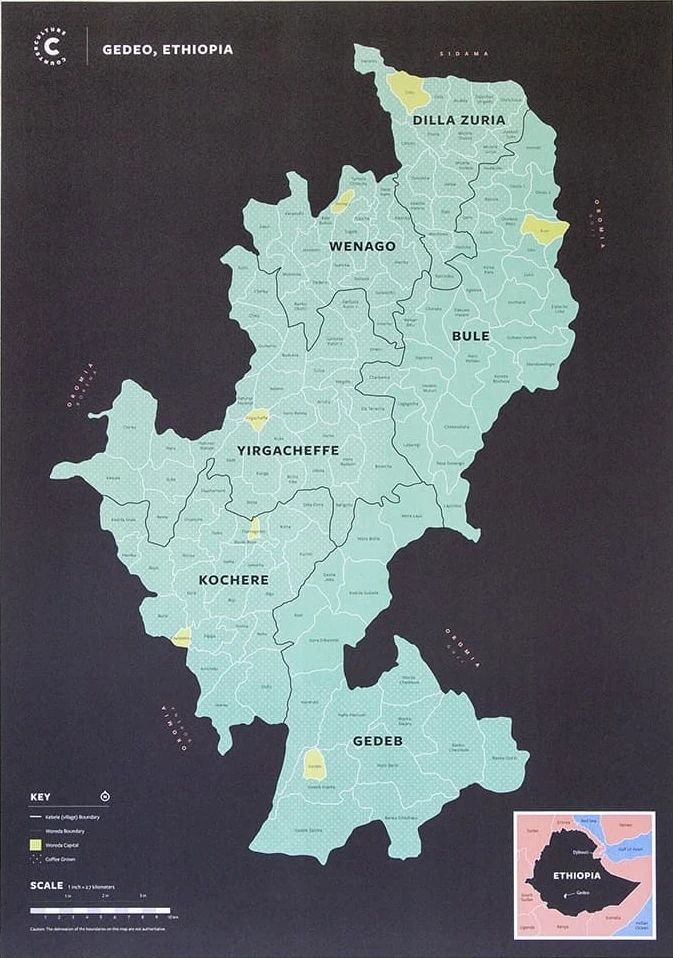
Originally part of the larger Sidamo region, Yirgacheffe later became its own distinct coffee-producing area due to its distinctive and captivating flavors. Located in southern Ethiopia at an altitude of around 2,000 meters, the region enjoys a cool, moist climate along with mineral-rich, fertile soil—conditions that bring out prominent citrus, floral, and tea-like qualities in the coffee beans. The Yirgacheffe coffee region includes not only the town of Yirgacheffe but also smaller sub-regions such as Kochere, Gelana Abaya, and Wenago, all of which together produce numerous world-renowned specialty coffees.
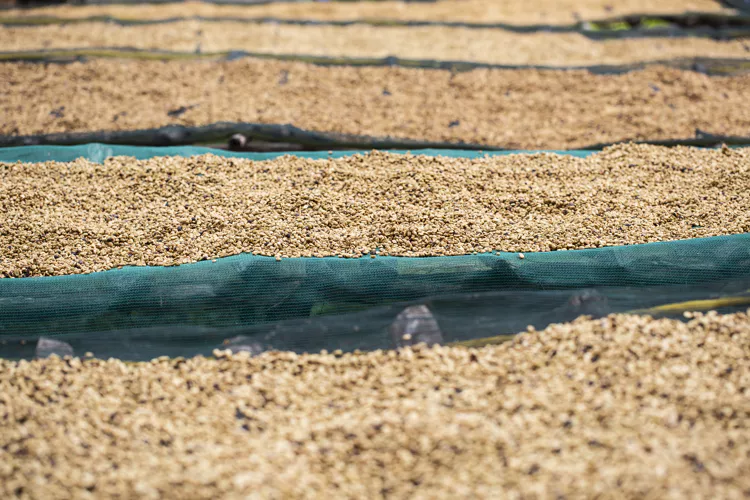
Among the many dry mills in Yirgacheffe, “Kochere Gebretsadik Cooperative” is one of the more notable ones. Established in 2012 in the Wolkite area, this cooperative is well-known for both washed and natural processing methods, with its natural-processed beans especially beloved for their fruity aroma and sweetness. These beans, made from local heirloom varieties and processed naturally, are graded G1 and feature distinct citrus and black tea notes. As the cup cools, layers of cream, caramel, and almond notes emerge, making it highly suitable for coffee lovers who enjoy bright acidity and a clean mouthfeel.
A Classic Choice for Both Pour Over and Cold Brew
If you prefer beans with intense fruitiness and versatility across multiple brewing methods, then this coffee from the Aricha washing station in Yirgacheffe is also a must-try. Produced at a high altitude of around 2,300 meters with heirloom varieties, it offers aromas of warm tropical fruits including citrus, berries, and honey. With a round mouthfeel and balanced acidity and sweetness, it showcases its rich complexity whether brewed via pour over or cold brew.
Sidamo: Complex Flavors Shaped by Diverse Terrain
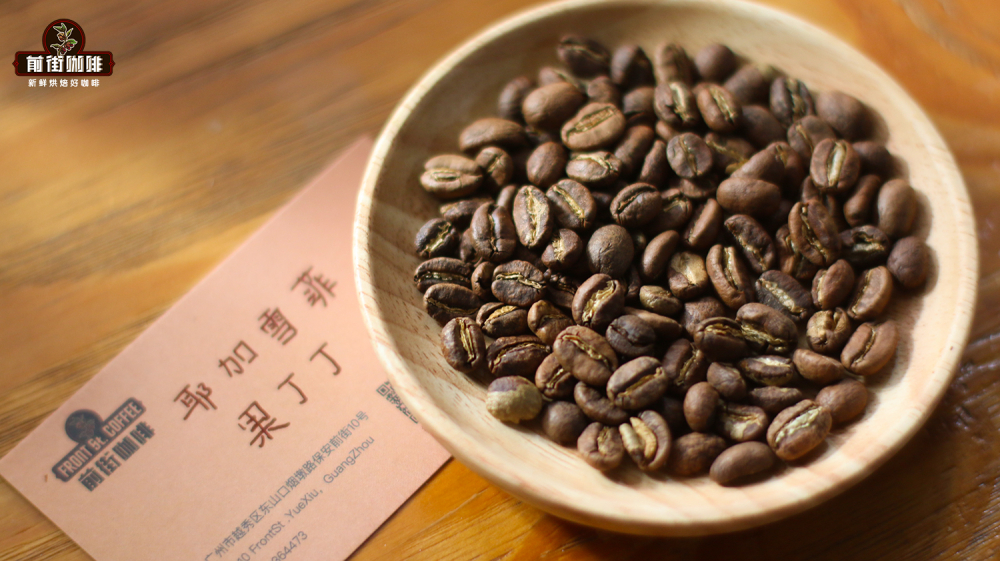
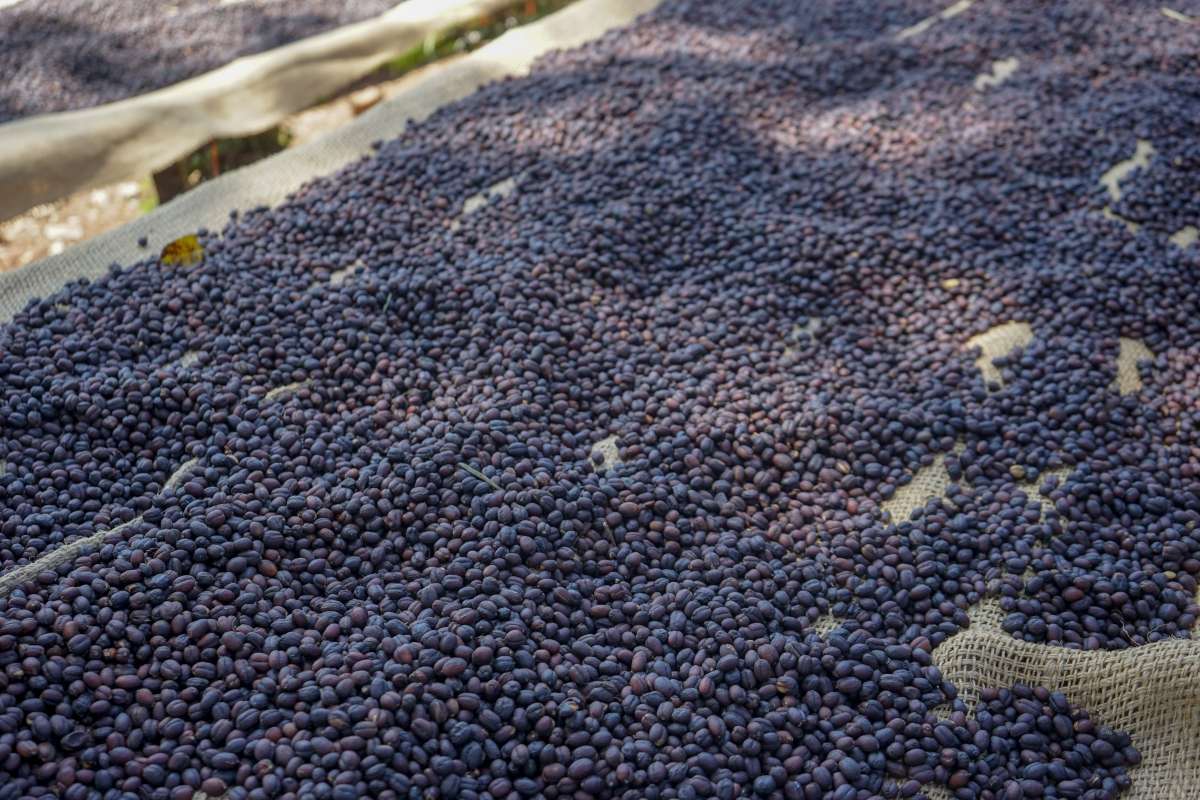
Compared to Yirgacheffe, the Sidamo region has a slightly broader range of altitudes, varying from 1,400 to 2,200 meters. Located in southern Ethiopia bordering Kenya, its terrain encompasses high mountains, plateaus, and valleys. The soil is nutrient-rich volcanic earth with good drainage, and the area’s unique microclimates contribute to the diversity of Sidamo coffees. These coffees typically carry intense fruitiness, berry notes, and distinctive wild aromas. The beans are small and oval-shaped, often appearing light green in color—especially attractive after processing.
Sidamo coffee, which has received high scores in international competitions multiple times, is a classic example. Sourced from the Guji Hambella region and processed naturally by the Buku Able washing station at elevations of 2,250–2,350 meters, the heirloom variety delivers bright notes of strawberry, passion fruit, and citrus, along with the body of black tea. Suitable for all brewing methods, it’s hailed as an “all-rounder” bean.
More Classic Sidamo Recommendations: Hamasho and 74158 Varieties
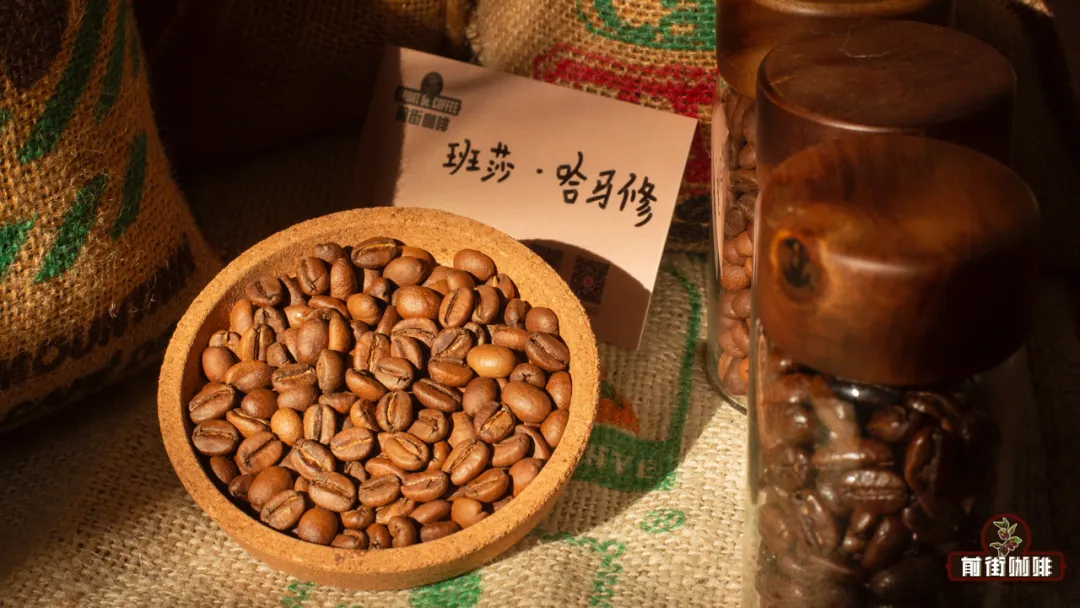
If you’re particularly fond of tropical fruit flavors, try this coffee from the village of Hamasho, located north of the town of Bensa. The washing station uses traditional organic farming methods and employs plant residues from the surrounding area as natural fertilizer, resulting in sweet profiles of strawberry, guava, and honey. Another noteworthy variety is 74158, also from the Sidamo region, which exhibits delicate floral notes and soft sweet orange aromas with balanced acidity and sweetness—ideal for those who enjoy a mellow mouthfeel.
Pour Over & Cold Brew Parameter Suggestions
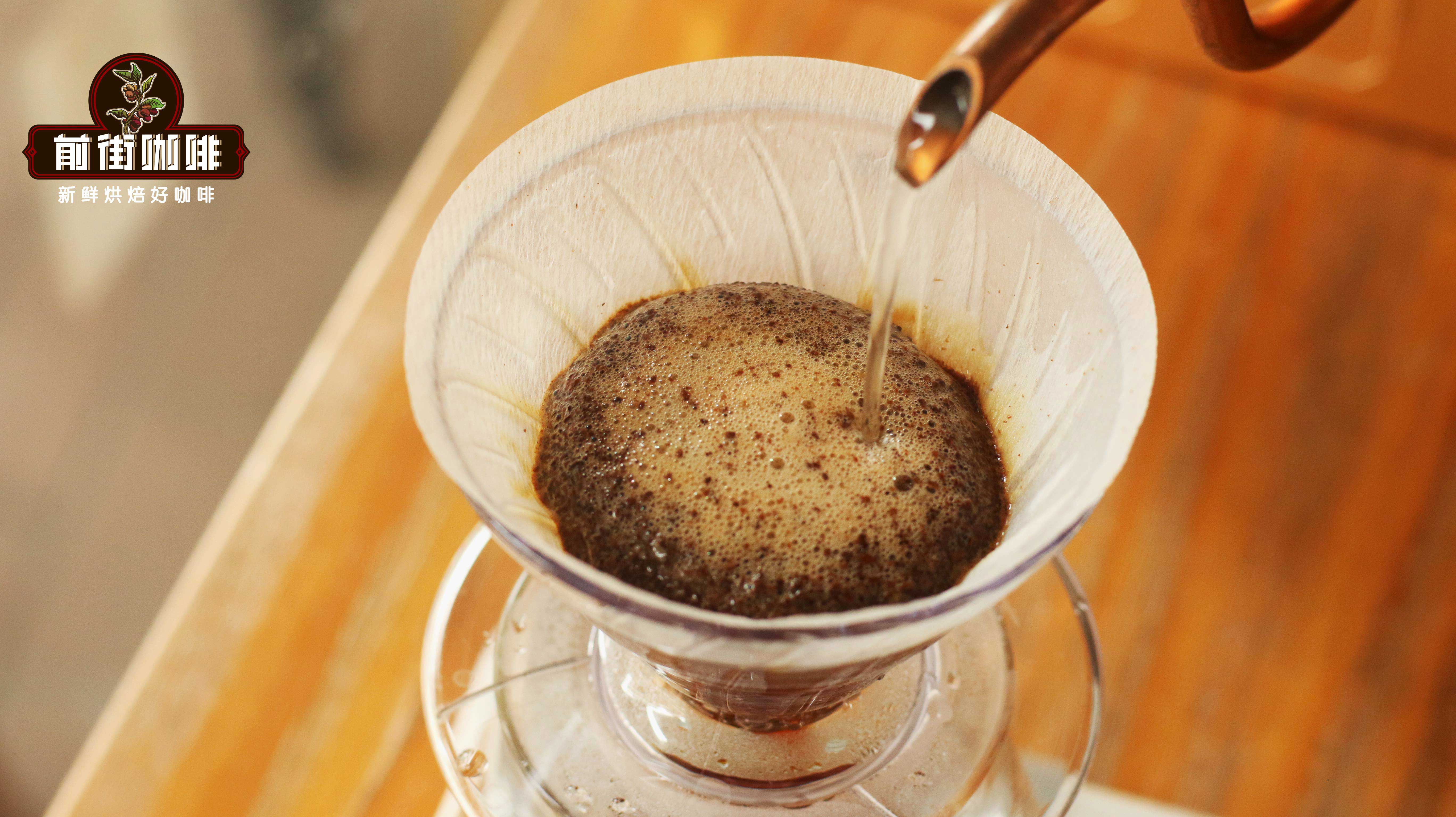
To fully highlight the flavor characteristics of Ethiopian coffee, it’s recommended to choose freshly roasted beans, with the optimal tasting window being 4 to 7 days post-roast. Since beans from Yirgacheffe and Sidamo are generally dense and hard, it is advised to use water at 90–91°C, ground to a fineness similar to granulated sugar (approximately 80% through a #20 sieve), and brewed using a V60 filter. A suggested coffee-to-water ratio is 1:15.
The recommended brewing process is as follows: begin with a 30-second bloom using 30 grams of water, then add 95 grams of water, followed by another 100 grams after one minute. The total extraction time should be around 2 minutes and 10 seconds. These parameters help accentuate the fruit acidity and aromatic layers of the coffee, delivering excellent results whether brewed via pour over or cold brew.



The above content is compiled by CoffeeHunters, a coffee news website.


