







Introduction:Want to make drip coffee with delicate flavors like Starbucks at home? This article explains everything from the coffee-to-water ratio and ice-to-water ratio of cold drip coffee to beginner-friendly single-origin coffee bean recommendations. We’ll not only share key parameters for stable extraction, but also recommend several coffee beans with different flavor profiles, helping you find your perfect cold drip experience based on personal taste—even beginners can get started with ease.
The charm of cold drip coffee lies in its low acidity, layered complexity, and unique cold-brewed aroma. The first step that influences overall flavor is choosing the right coffee beans. Many people’s first impression of coffee is bitterness, especially those who frequently drink from a well-known American coffee chain—but through cold drip extraction, you can experience a completely different personality of coffee. If you prefer the bold intensity of dark roasts, you can start with Mandheling to understand how cold drip differs from regular hot-brewed black coffee; if you want to explore the world of specialty coffee, light to medium roasts with distinct fruity or floral notes are a great entry point.
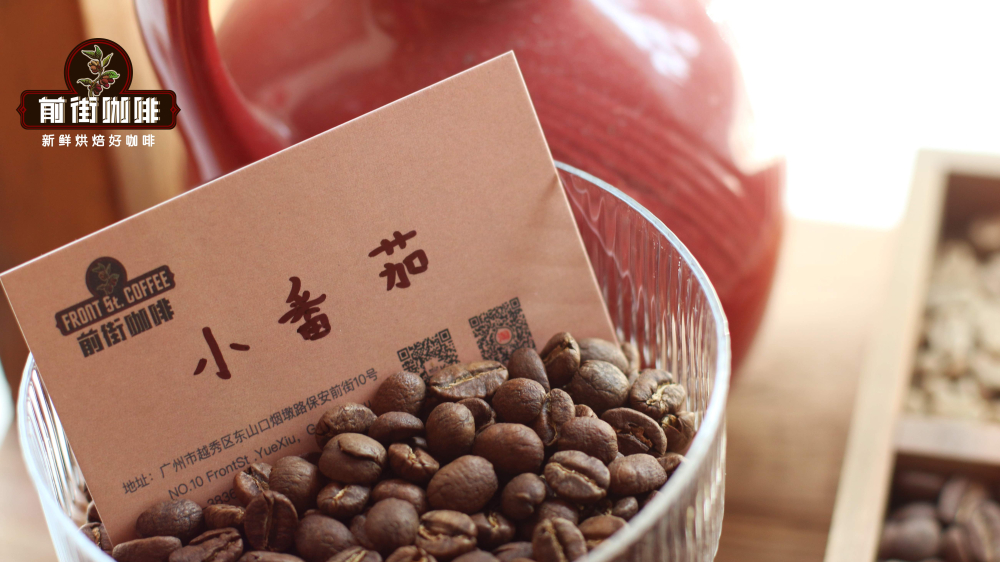
When selecting coffee beans, it’s recommended to choose freshly roasted beans that are still within their best flavor window (about two months old) to ensure vibrant flavors. Combined with the slow extraction characteristics of cold drip coffee, this method especially highlights bright fruit acids, wine-like aromas, and delicate fermentation notes in the coffee. If you’re not sure where to start, representative beans of the following flavor types can serve as references: those with prominent fruity notes and clean acidity, such as light-roast Ethiopian Yirgacheffe washed, Kenyan “little tomatoes,” and Panamanian Geisha; those with rich, chocolatey profiles, such as medium-dark-roast Brazilian Cerrado and Colombian Huila; if you enjoy a balance of sweet and sour with a hint of wine aroma, medium-light-roast Costa Rican Bacha, strawberry sugar, and sun-dried red cherry are all great choices; for those seeking particularly intense fermentation character and unique flavor profiles, medium-roast Colombian Sidamo or Dabuzi are recommended.
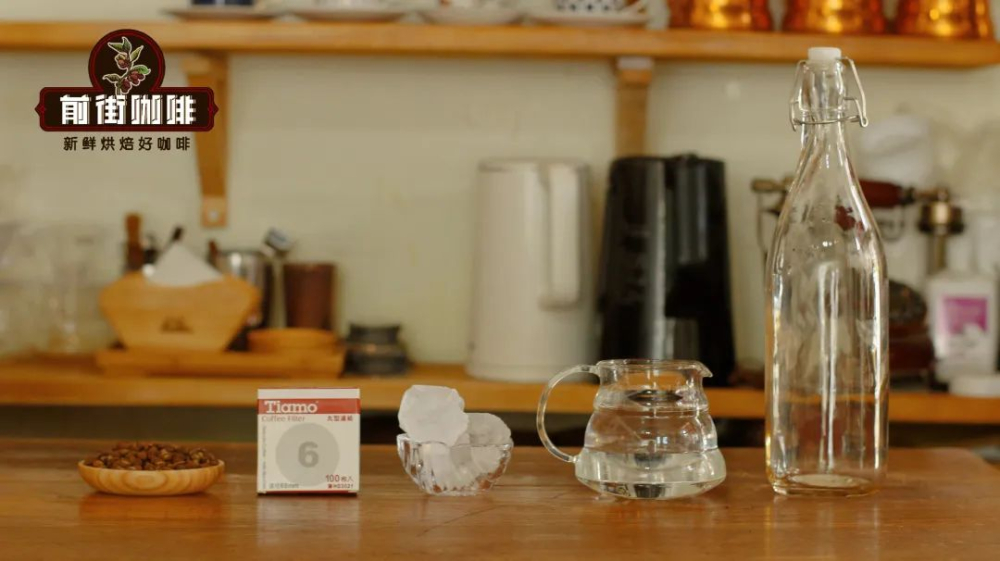
Before making cold drip coffee, you’ll need to prepare a cold drip brewer, room-temperature filtered drinking water, enough ice cubes, round filter paper suitable for cold drip use, and your chosen coffee beans. Taking 50 grams of coffee beans as an example, the recommended coffee-to-water-to-ice ratio is 1:6:6, meaning a total of 300 grams of water and 300 grams of ice cubes. If you don’t have dedicated cold drip filter paper, you can cut regular pour over filter paper into a suitable round size as a temporary substitute, but make sure it fully covers the coffee grounds.
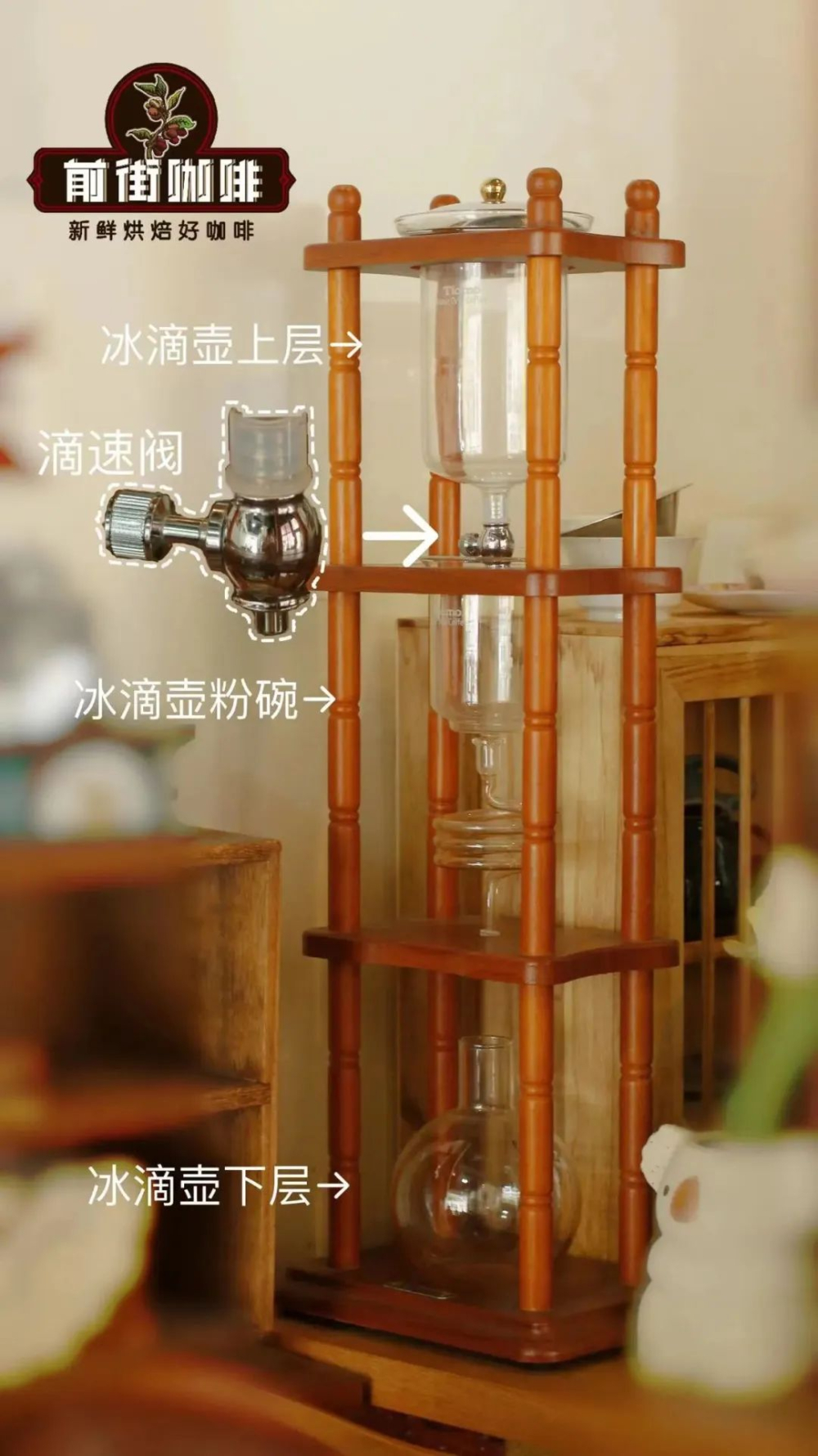
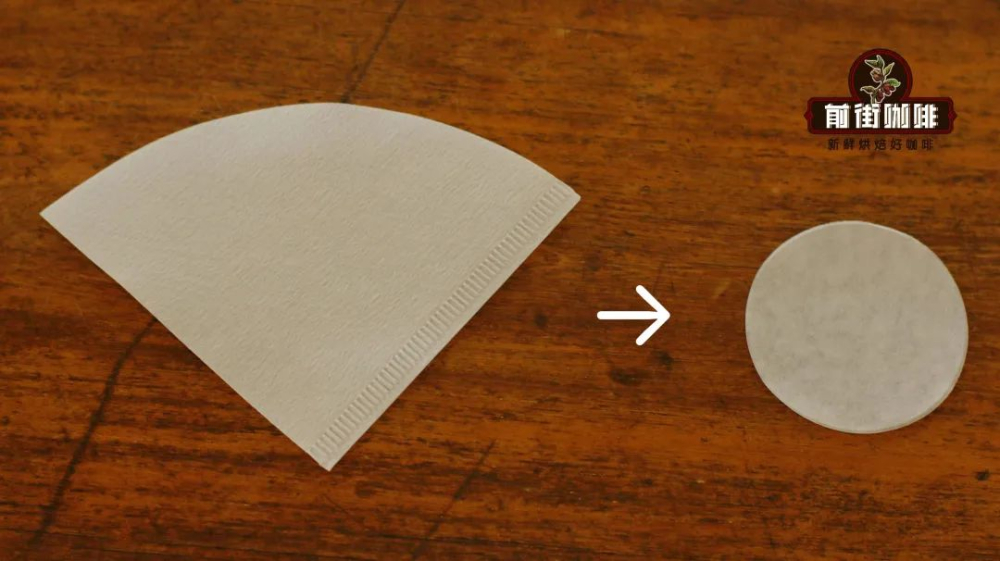
For those seeking fresh and bright flavors, cold drip works especially well with coffee beans that have floral or fruity notes—such as strawberry sugar, Kenyan, and Ethiopian Yirgacheffe. These beans produce a refreshing cold drip taste, even without adding extra ice. Take strawberry sugar coffee beans, for example: this is a blend from Costa Rica and Panama, featuring distinct notes of rose, berries, raisins, and cream, making it perfect for experiencing the nuanced expression of cold drip.
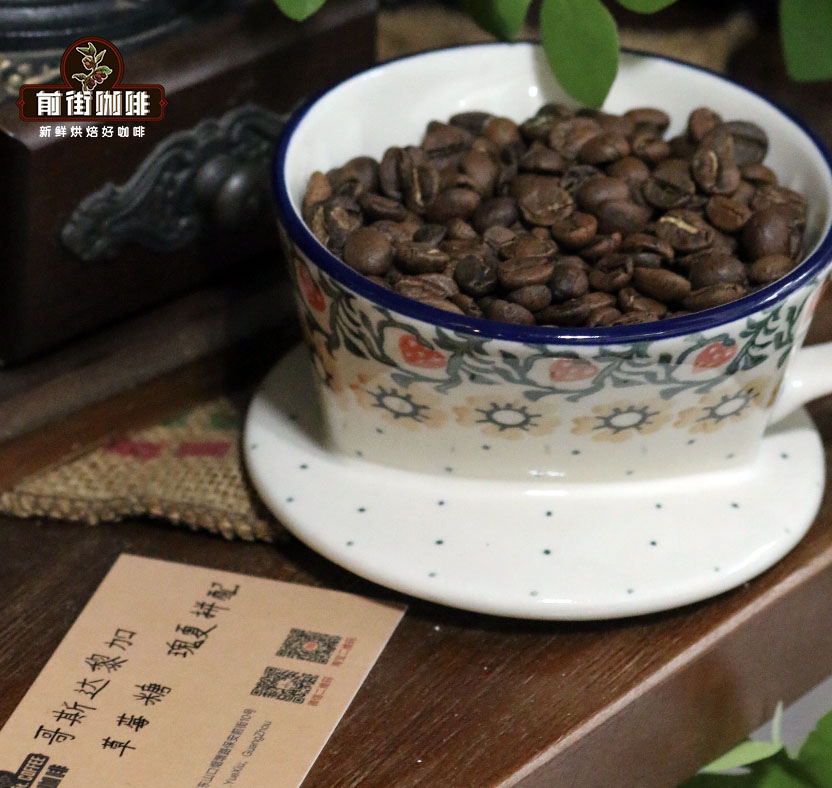
Next are the practical steps: first, grind your chosen coffee beans—for example, strawberry sugar—into a medium-coarse grind suitable for cold pour over. It’s recommended to set your grinder to around the 9th setting similar to an EK43s. This grind size helps maintain a stable flow of water through the coffee bed, avoiding extraction that is too fast or too slow.
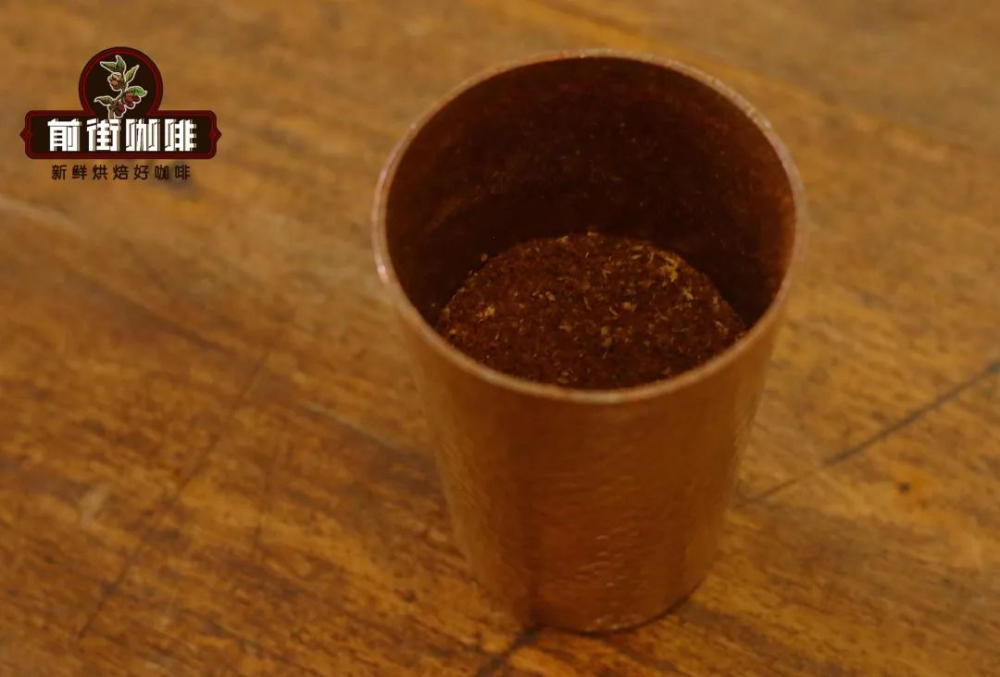
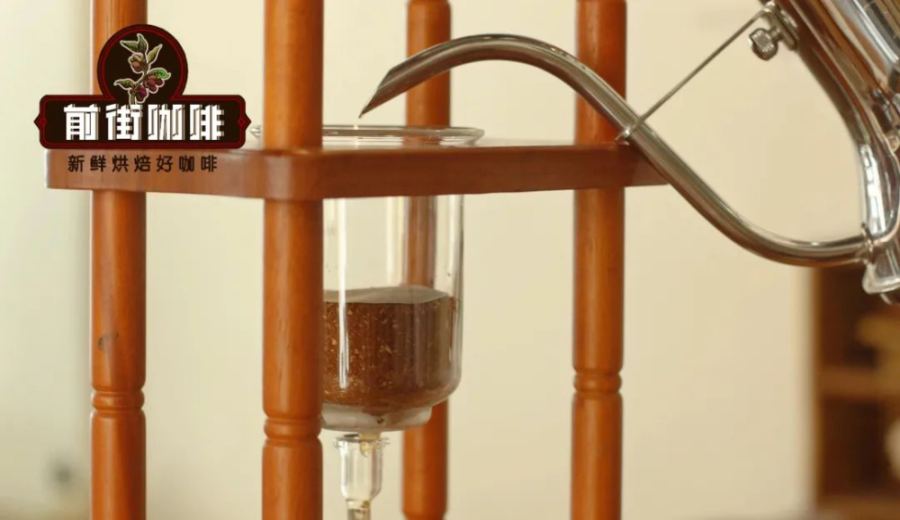
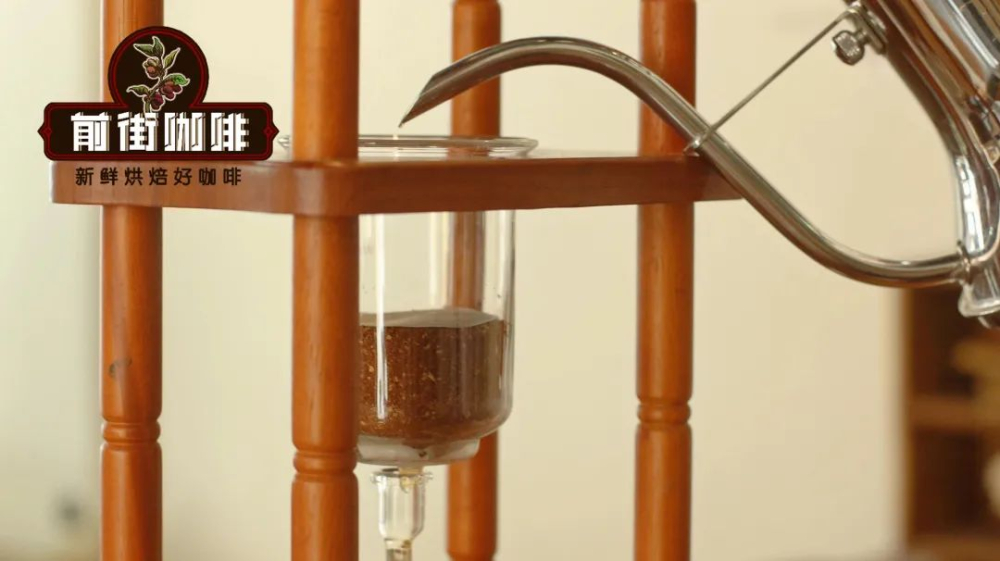
Place a round filter paper in the coffee chamber of the cold drip brewer, then slightly moisten it with room-temperature water. This helps distribute the coffee grounds evenly later and prevents any paper taste interference. Next, add the ground coffee and gently level it out, then cover it with another layer of filter paper, and evenly moisten all the coffee grounds with room-temperature water. This step is crucial, as it allows the entire coffee bed to pre-absorb water, improving extraction efficiency and effectively shortening the overall dripping time.
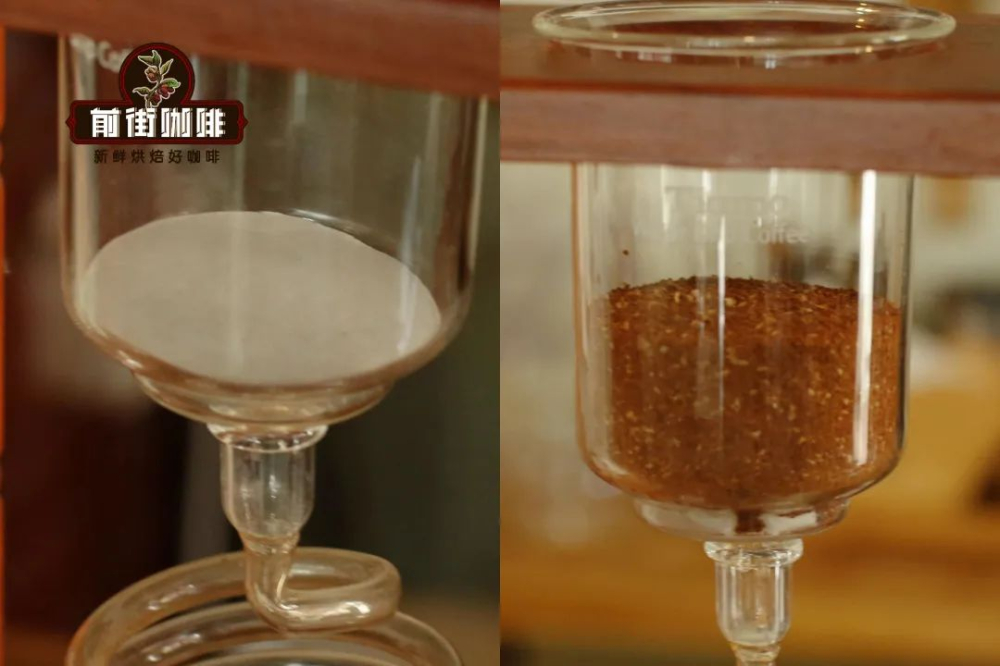
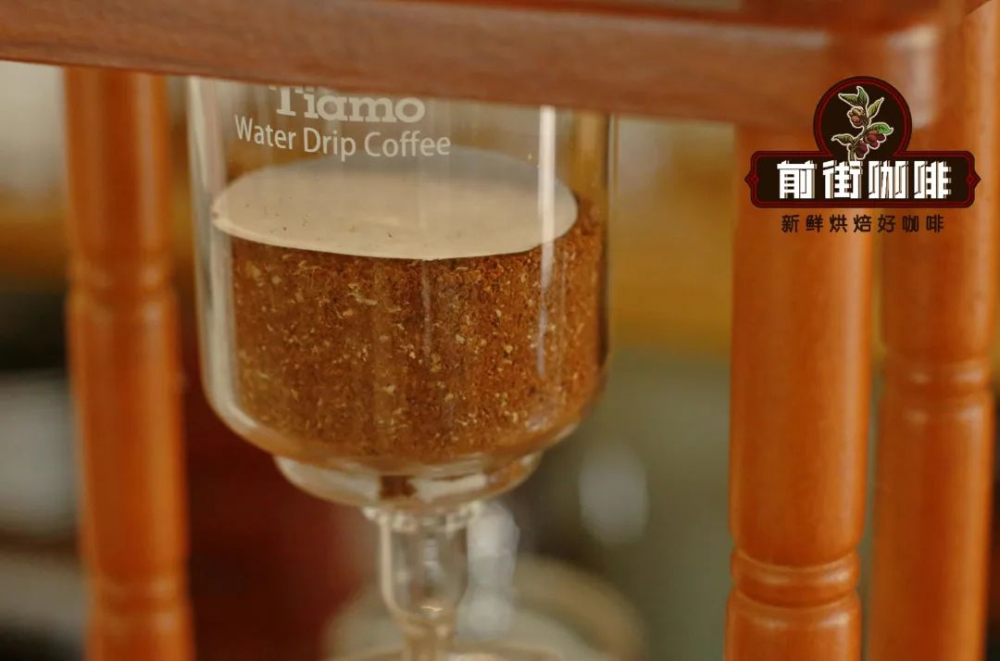
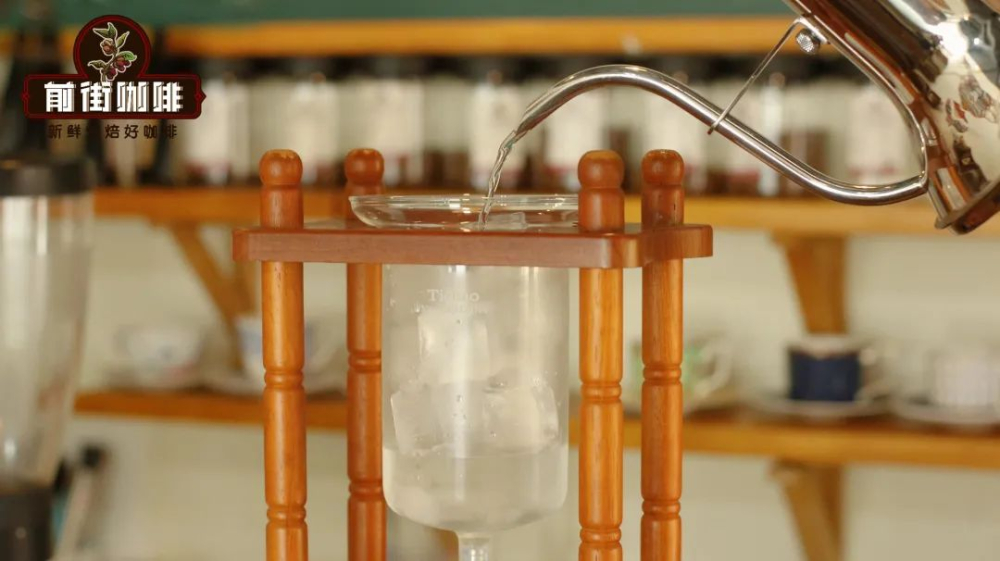
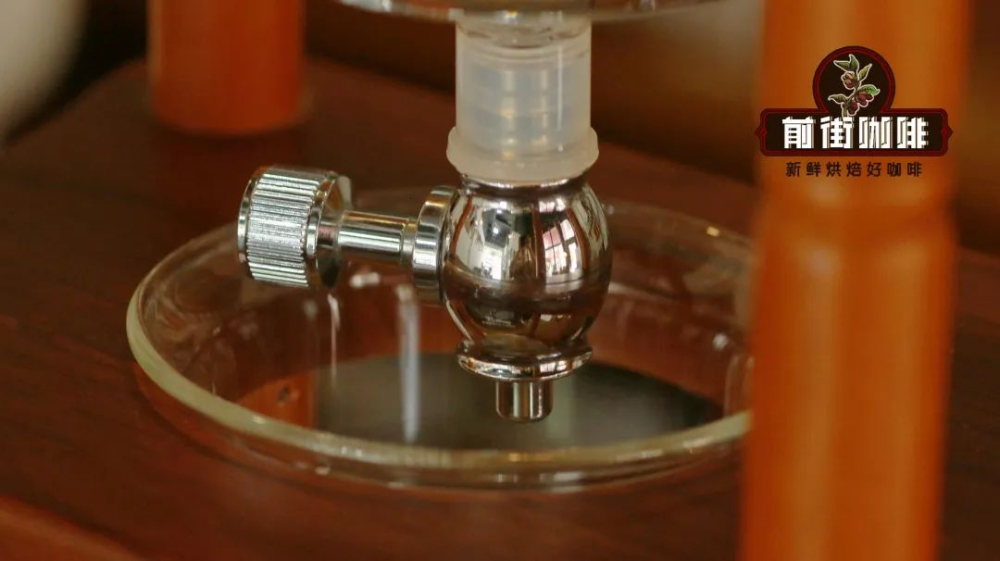
After moistening, you can pour the prepared water and ice cubes into the upper water reservoir of the cold drip brewer. But remember to close the drip valve before pouring to avoid a sudden release of water pressure that could disperse the coffee grounds. The recommended drip rate is 7 drops per 10 seconds. This speed maintains stable extraction pressure and flow rate, aiding in the even release of flavor compounds. The dripping process may take several hours, so it’s advisable to occasionally check whether the drip rate changes significantly, and adjust the valve if necessary.
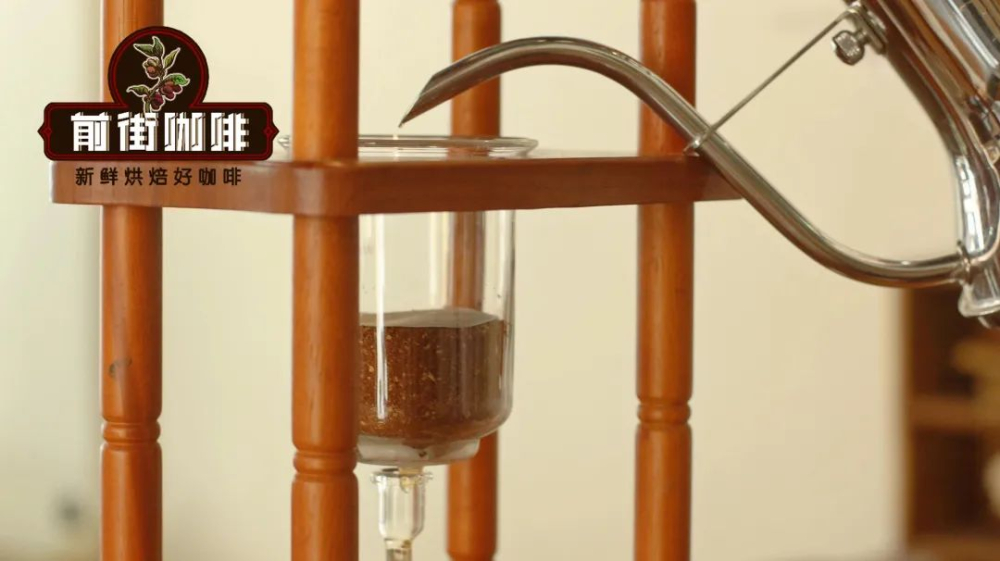
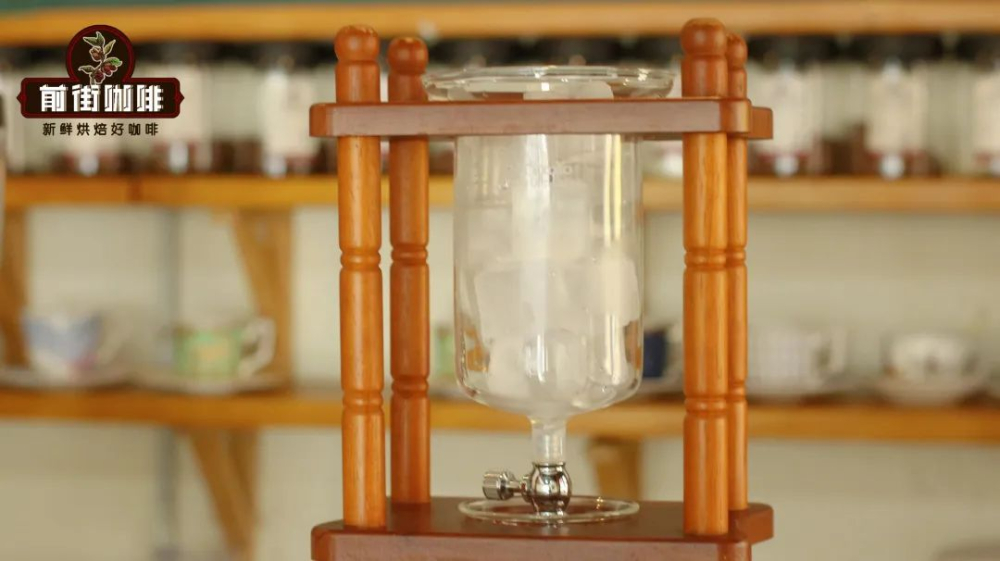
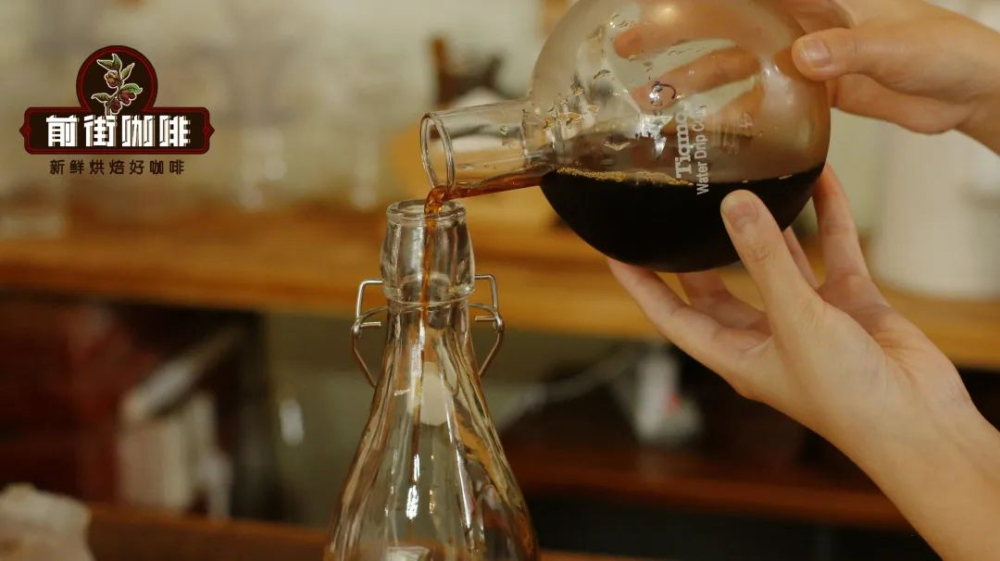
Once all the water and ice have completely dripped through, transfer the resulting coffee liquid into a prepared sealed bottle and refrigerate for at least 8 hours. This resting period allows the coffee flavors to meld more harmoniously and reduces the overall acidity. Please note it should be “refrigerated” rather than “frozen” to avoid altering the structure and mouthfeel of the coffee.
After a long wait, you can finally enjoy this cup of handcrafted cold drip coffee. Whether drinking it straight or adding a few ice cubes for extra refreshment, you’ll notice a level of delicacy and layered complexity that’s distinctly different from regular cold brew or hot-brewed coffee. This isn’t just a cup of coffee—it’s a dual enjoyment of flavor and patience.
The above content is compiled by CoffeeHunters, a coffee news website.


