







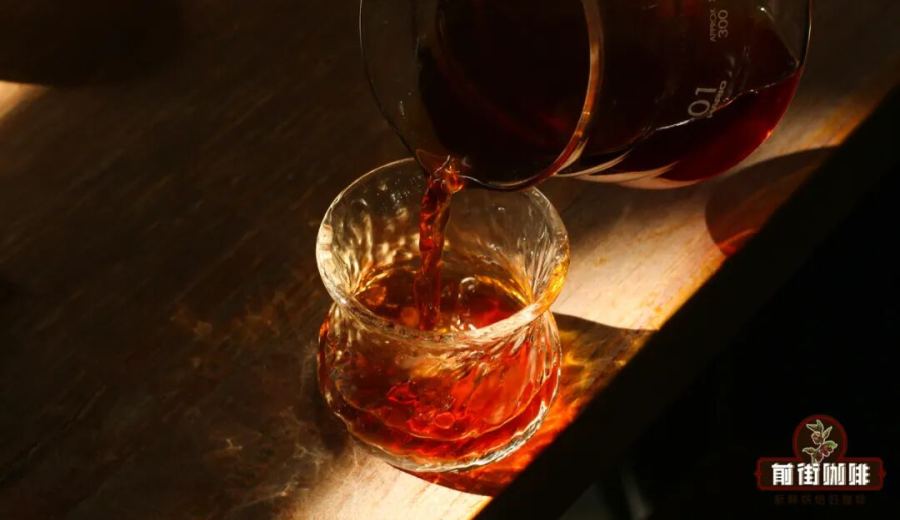
Introduction:Many coffee enthusiasts wonder about the color of their pour over brew — why is it sometimes deep black and other times reddish? Does cloudiness indicate poor quality? This article delves into the key factors that influence the color and clarity of coffee liquid, including roast level, concentration, filtration tools, and more, while analyzing the scientific principles behind these visual characteristics to help you better assess your brewing status.
In discussions among coffee lovers, aside from origin, grind size, and brewing parameters, some less frequently talked about details occasionally come up — such as the “liquor color” of coffee. This term, borrowed from the tea world, refers to the color and visual characteristics of the brewed liquid, often used as one of the reference indicators for tea quality. But does the same standard apply to coffee?
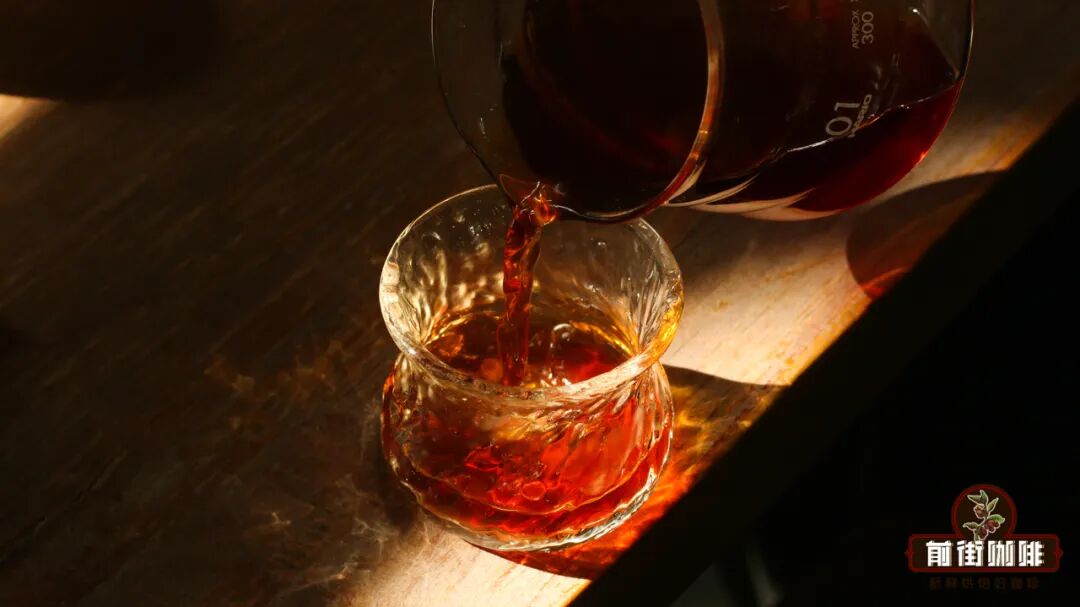
The answer is no. The variation in coffee liquor color is primarily influenced by brewing methods, filtration tools, roast level, and concentration, none of which are directly tied to the intrinsic quality of the coffee. Nevertheless, many people still instinctively associate cloudy coffee with quality issues. Next, we will analyze how these variables shape the final color of your coffee.

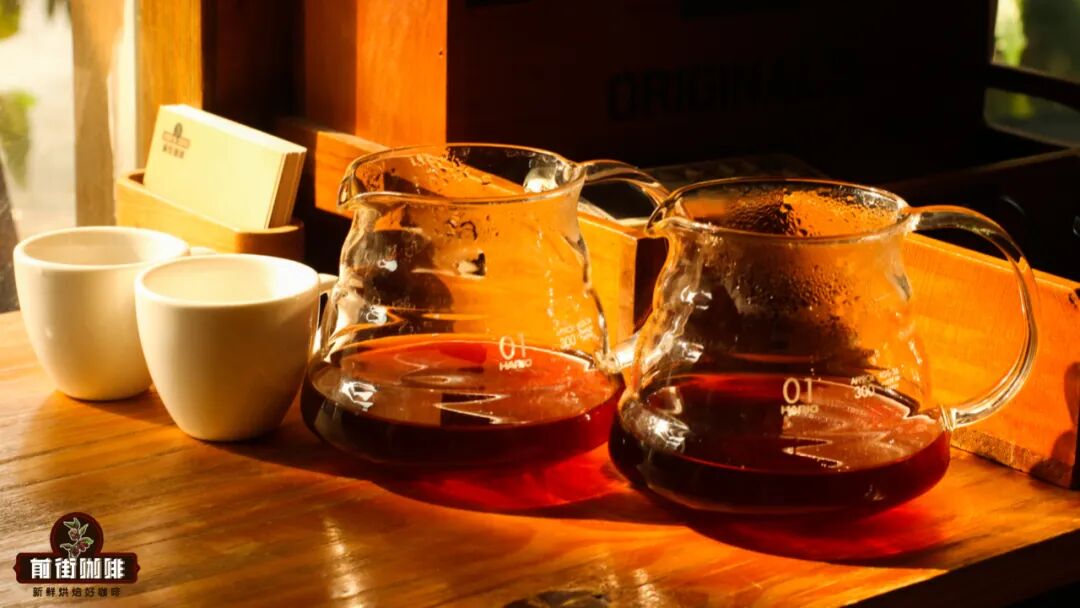
Let’s start with the depth of color. Attentive brewers may have noticed that even when using the same parameters to brew different coffee beans, the resulting hues can vary greatly — some appear bright brownish-red, while others lean toward a deep, dark brown.The determining factor lies in the roast level.Dark-roasted coffee beans, due to more extensive caramelization, typically yield a darker liquid closer to black; whereas light-roasted beans retain more of their original flavor compounds, resulting in a relatively brighter, reddish liquor. For example, using a light-roasted Ethiopian Huaxiu bean (left image) and a dark-roasted Sumatran Golden Mandheling bean (right image) for pour over produces a notably contrasting color display.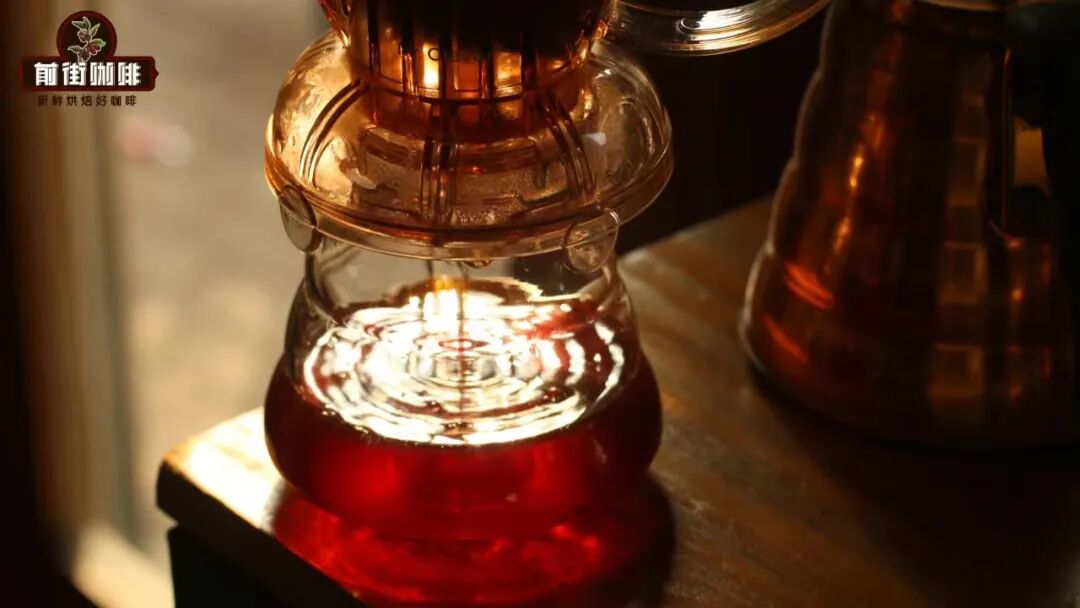
In addition to roast degree, concentration is also a key factor affecting visual presentation.A higher-concentration coffee liquid, with more solutes, appears darker due to greater saturation.Conversely, a lower-concentration liquid is more transparent and lighter in color. This difference is similar to that between espresso and Americano — the former is rich and thick, while the latter, being diluted, shows a noticeably lighter hue.
The misconception about “clarity” is also worth clarifying. Many assume that lighter-colored coffee must be clear, while darker coffee is more likely to be cloudy. In reality,the clarity of coffee liquid mainly depends on the performance of the filtration tool.When using paper filters, the fine fiber structure effectively traps coffee grounds and oils, producing a clear and transparent liquid; whereas metal filters or cloth filters, with larger pores, cannot completely block tiny particles, resulting in a slightly hazy brew. This difference is not a flaw in quality, but rather a direct reflection of physical filtration capability.

Taking common equipment as examples, paper filters remove most suspended solids and oils, making the coffee look pure and free of impurities; in contrast, metal filters retain fine particles and natural oils, which enhance the body and aroma complexity, though at the cost of some visual clarity. It’s worth noting that similar phenomena occur with espresso machines, moka pots, and French press brews, all rooted in the limitations of their respective filtration mechanisms.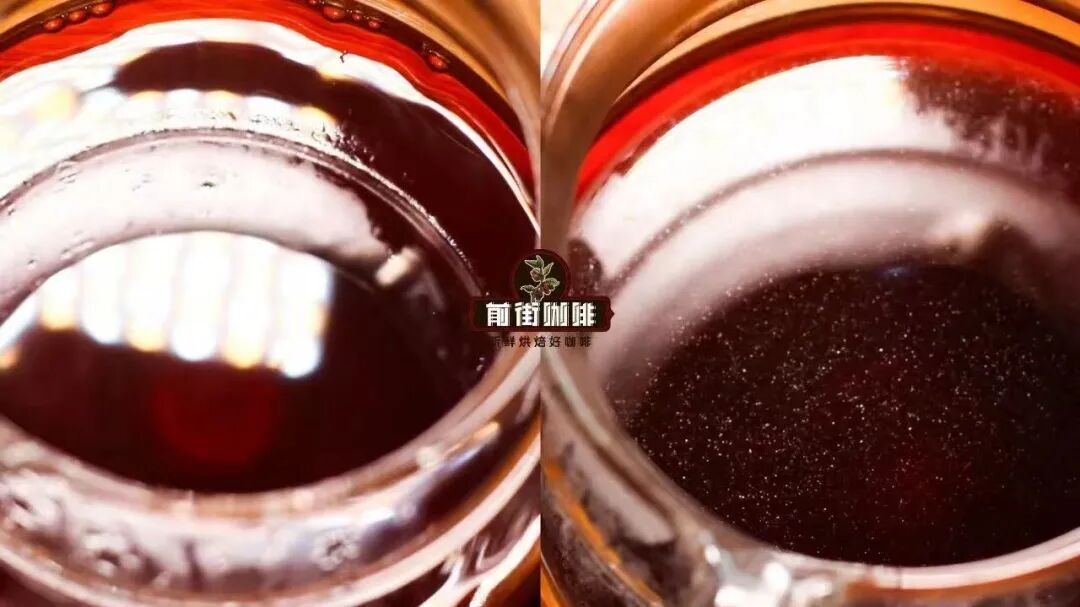
However, this doesn’t mean the higher the filtration precision, the better. A moderate retention of fine oils and particles can provide coffee with a fuller body and more complex flavors — a balance that solely pursuing clarity cannot achieve. With these principles in mind, we can understand: coffee liquor color merely reflects the roast level, concentration, and characteristics of the filtration tool, and is by no means an absolute criterion for judging quality.

The above content is compiled by CoffeeHunters, a coffee news website.


