







Introduction:Have you noticed that in specialty coffee shops, trapezoidal filter cones are far less common than conical or flat-bottomed ones? This doesn’t mean trapezoidal filters aren’t effective—it’s closely related to their design characteristics and market trends. This article delves into the structural principles and extraction features of trapezoidal filters, analyzes their flavor differences compared to conical filters like the V60, and explains why they still hold irreplaceable value in both professional and home brewing. It will help you choose the right tool based on your coffee preferences.
Have you observed that aside from some chain coffee brands, most pour-over coffee shops rarely use trapezoidal filter cones? In contrast, conical or flat-bottomed (cake) filter cones are more commonly seen. Many coffee enthusiasts thus wonder: can trapezoidal filters brew good-tasting coffee? In fact, this type of filter has unique extraction advantages, but it’s relatively rare due to its design philosophy and shifts in recent market preferences.
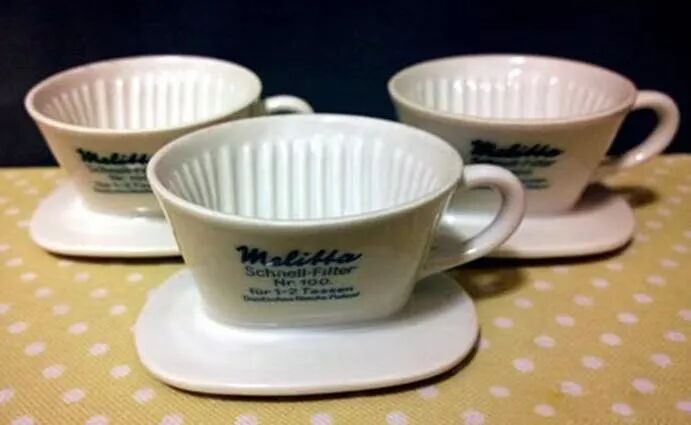
The reason trapezoidal filters are named as such comes from their shape—an inverted trapezoid with a wider top and narrower bottom. Some also call them “fan-shaped filters” because of the filter paper they’re paired with. Looking back in history, the world’s first filter cone was actually designed in a trapezoidal shape. In 1908, Germany’s Melitta introduced the first-ever coffee filter cone, which had an inverted trapezoid body with ribs inside to aid in gas release and a small hole at the bottom, used with fan-shaped filter paper.
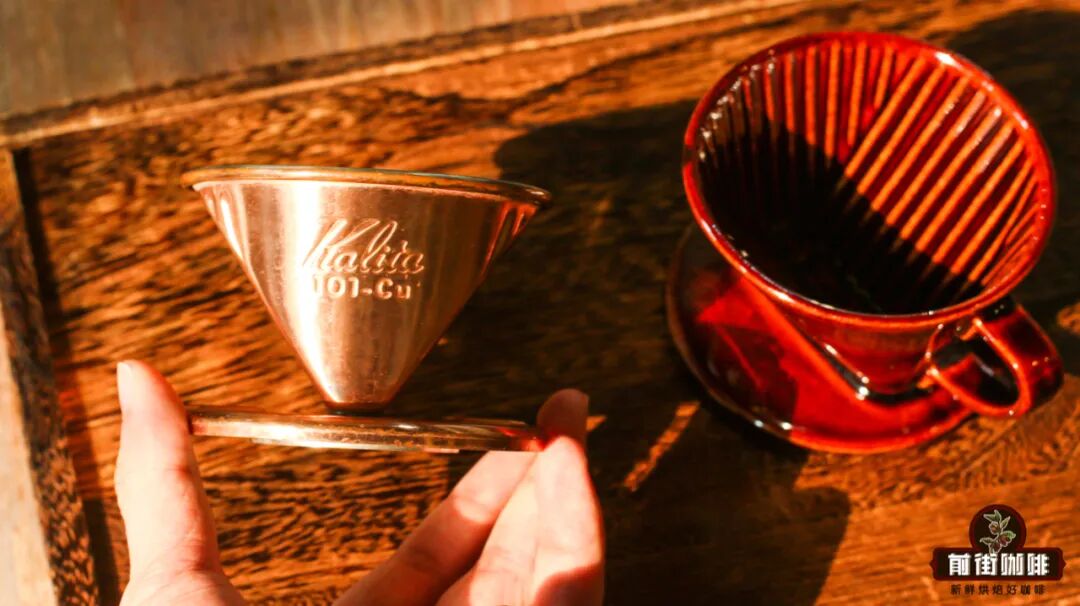
However, the single-hole design of early models led to slow water drainage. It wasn’t until 1958, when Japan’s Kalita introduced an improved three-hole filter cone, that extraction efficiency and flow rate were significantly enhanced, also establishing the classic status of trapezoidal filters in the coffee world. The following section will use the Kalita 101 as an example to analyze the brewing characteristics of trapezoidal filters.
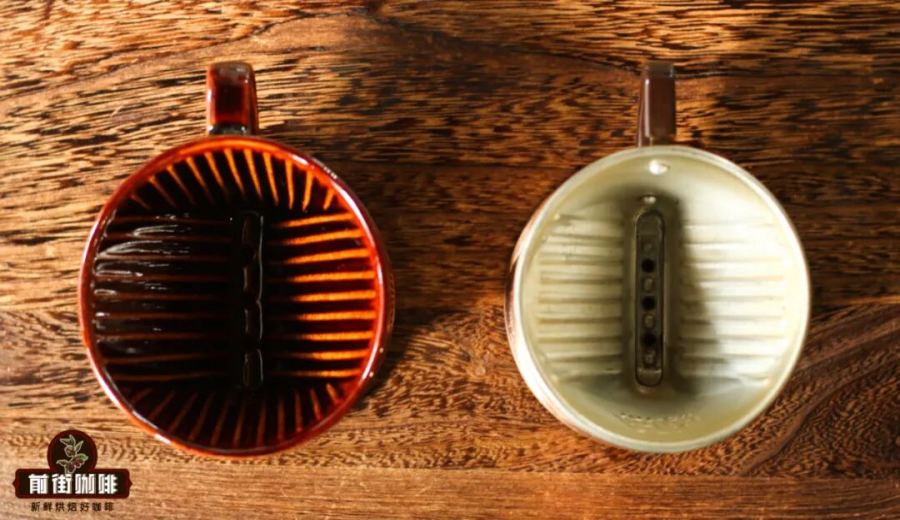
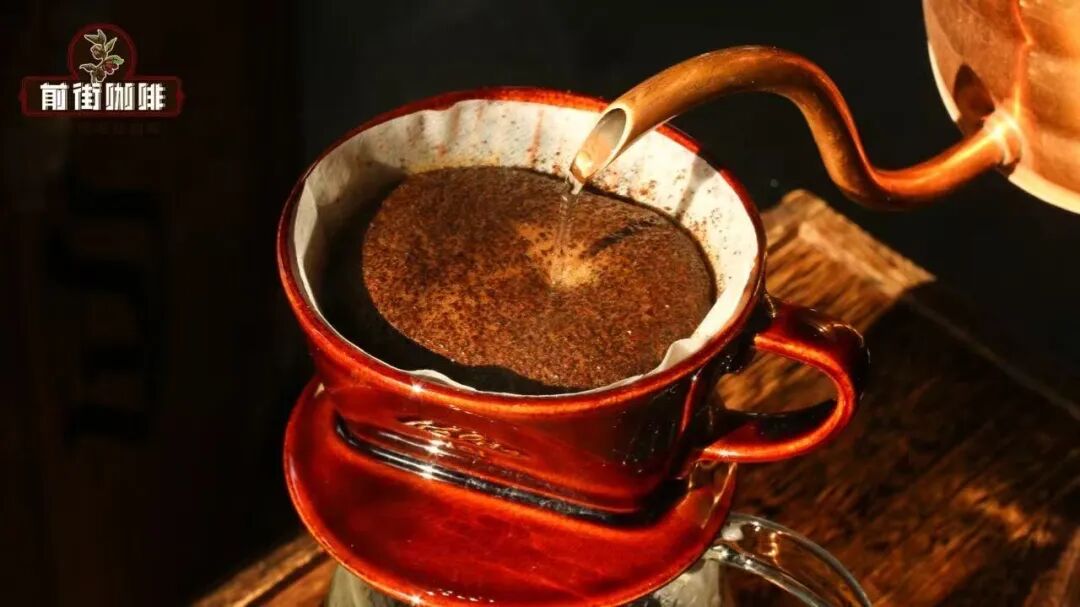
There are three main factors that influence the extraction performance of a filter cone: shape, rib design, and bottom holes. The ribs of the Kalita 101 are arranged vertically, primarily serving to facilitate gas release. Its wider-top, narrower-bottom shape forms a relatively thick coffee grounds bed in the cone. A thicker layer helps amplify extraction differences between coffee particles at varying depths, allowing the surface and bottom layers of grounds to release different flavor compounds, thereby enhancing the coffee’s complexity.
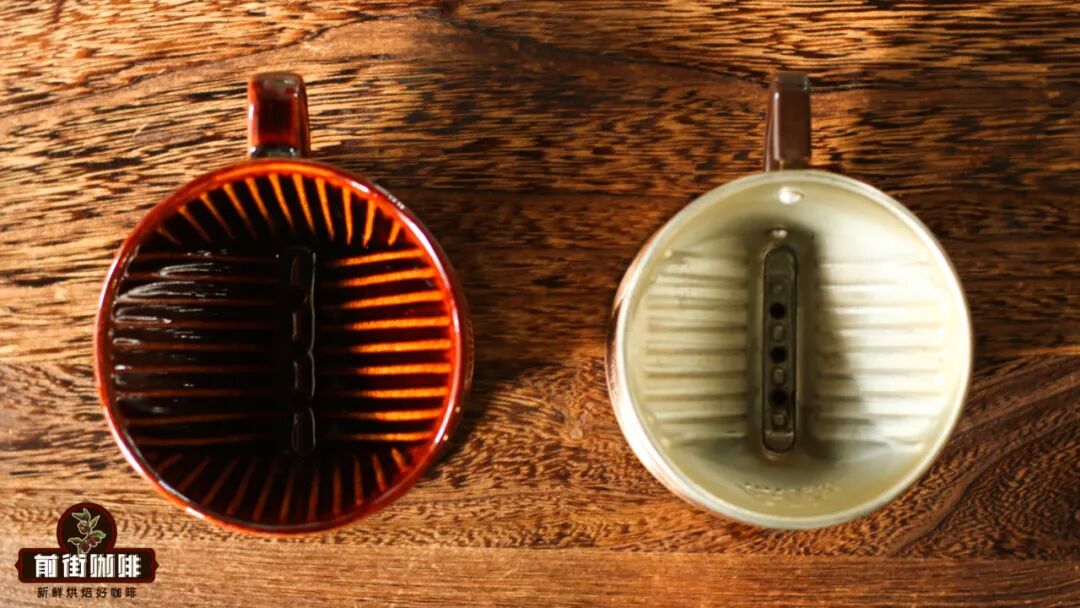
However, since the bottom of a trapezoidal filter is flat rather than pointed, the resulting coffee bed thickness is still not as great as that of a conical filter, so the extraction differences are slightly smaller. Additionally, although the Kalita 101 has three drainage holes, each is relatively small in diameter, resulting in a slower overall flow rate. This gives the coffee grounds a longer steeping time, helping to extract flavor compounds more fully and evenly, leading to a more balanced taste and a solid flavor structure.
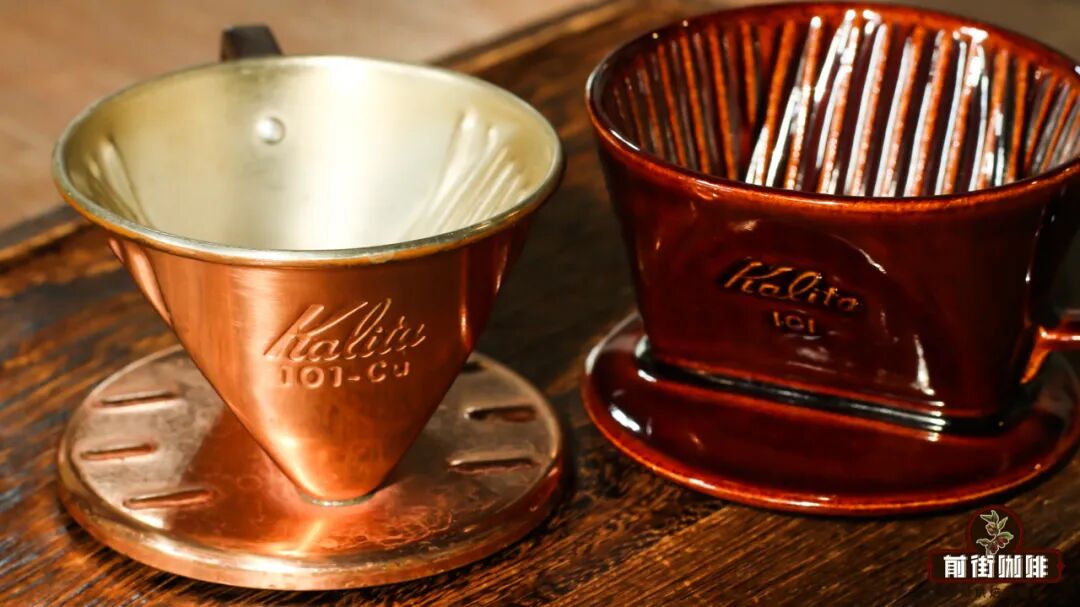
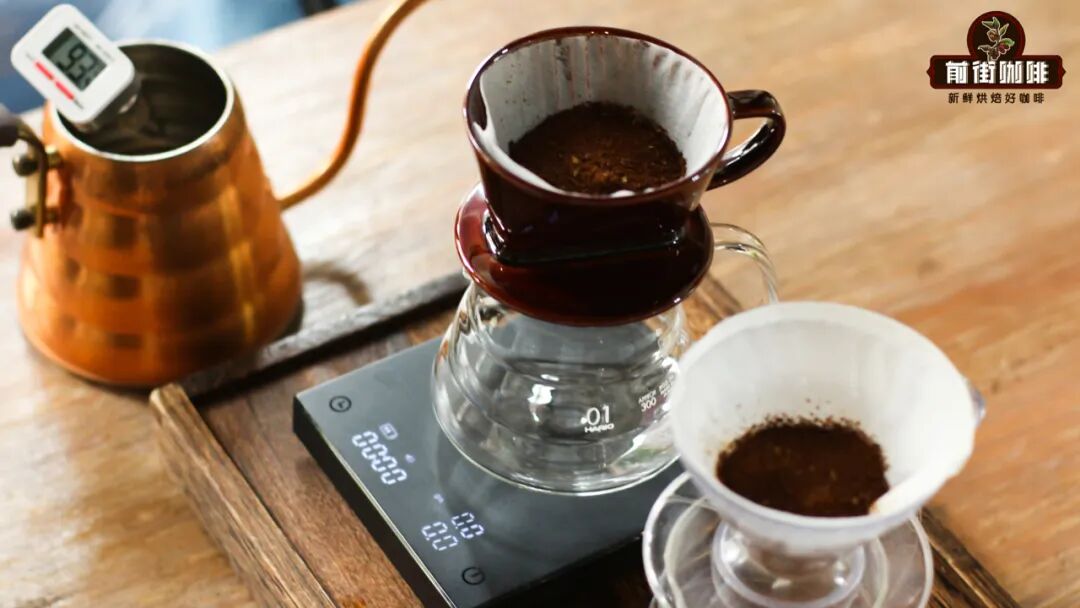
To gain a more intuitive understanding of the differences between trapezoidal filters and other types, we conducted a three-phase brewing test using two differently designed filter cones with the same coffee beans—a brand’s Ethiopian Huagu. The parameters were set as follows: 15 grams of coffee, a 1:15 coffee-to-water ratio, grind size equivalent to the 10th setting on an Ek43 grinder with 75% passing through a #20 sieve (approximately the coarseness of fine sugar), water temperature at 92°C. The brewing method followed a three-phase approach (30 seconds + 120 seconds + 75 seconds).
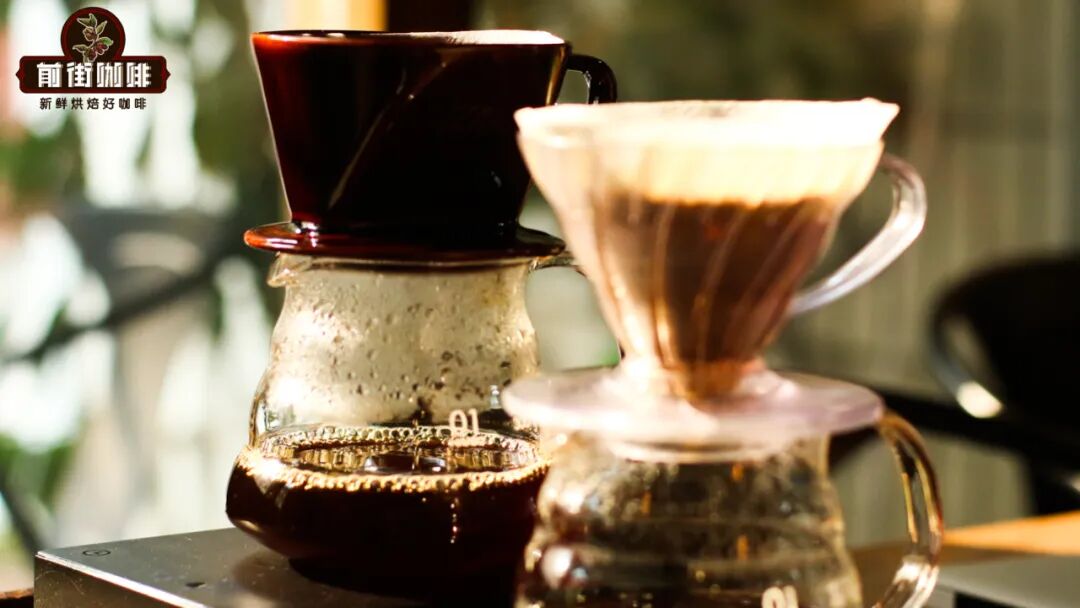
In the actual test, the total brewing time for the V60 was about 2 minutes, while the trapezoidal filter, due to its slower flow rate, took 2 minutes and 20 seconds. In terms of flavor, the Huagu brewed with the V60 exhibited distinct layering, with clear aromatic profiles of orange blossom, citrus, strawberry, and berries. The taste was sweet and tangy with a smooth mouthfeel, and the aftertaste carried an oolong tea-like finish. Meanwhile, the version brewed with the trapezoidal filter, though not as layered as the former, had a more balanced overall flavor, a firmer mouthfeel, and an even longer-lasting aftertaste.
This shows that under the same parameters and brewing conditions, the two types of filter cones produce distinctly different flavor profiles in the coffee—there is no absolute better or worse, and the key lies in individual taste preferences. If you pursue vivid flavors and a refreshing, varied mouthfeel, the V60 is a good choice. If you prefer a stable taste with high flavor integration, the trapezoidal filter will be more suitable.
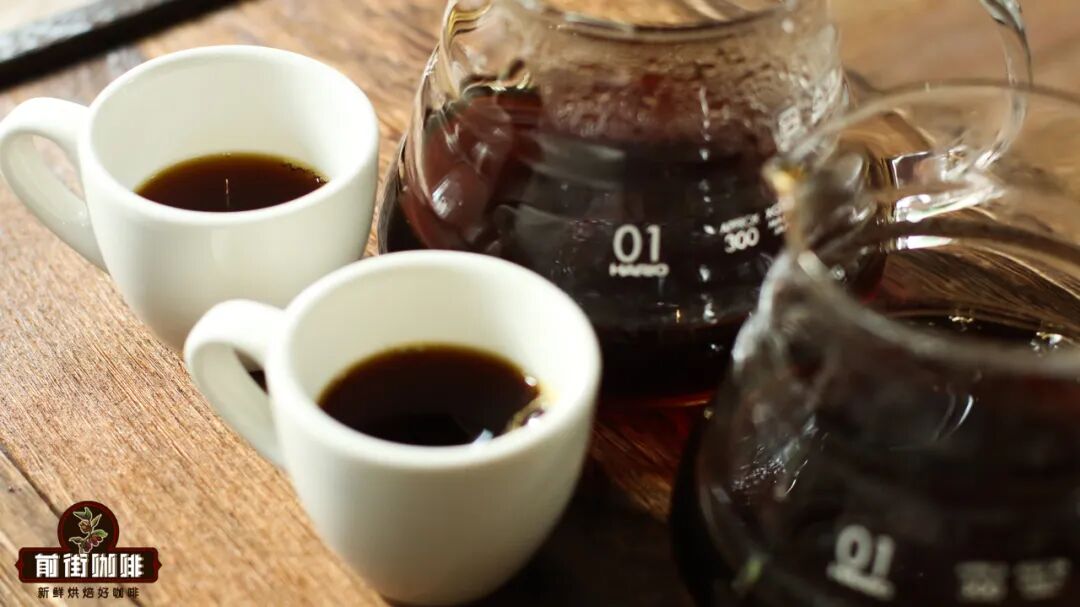
Looking back at the phenomenon of “why coffee shops seldom use trapezoidal filters,” it’s actually closely tied to the evolution of coffee flavor trends. In the past, when dark roasts dominated, filter cone designs focused on enhancing coffee body, and trapezoidal filters emerged accordingly—but relatively speaking, their flavor expressiveness is more subdued. With the rise of light roasts, consumers began to value the diversity and clarity of flavors. Filter cones like the V60, which are better at highlighting aroma and acidity, gradually gained popularity. This also drove the market’s demand for innovative filter cone designs.
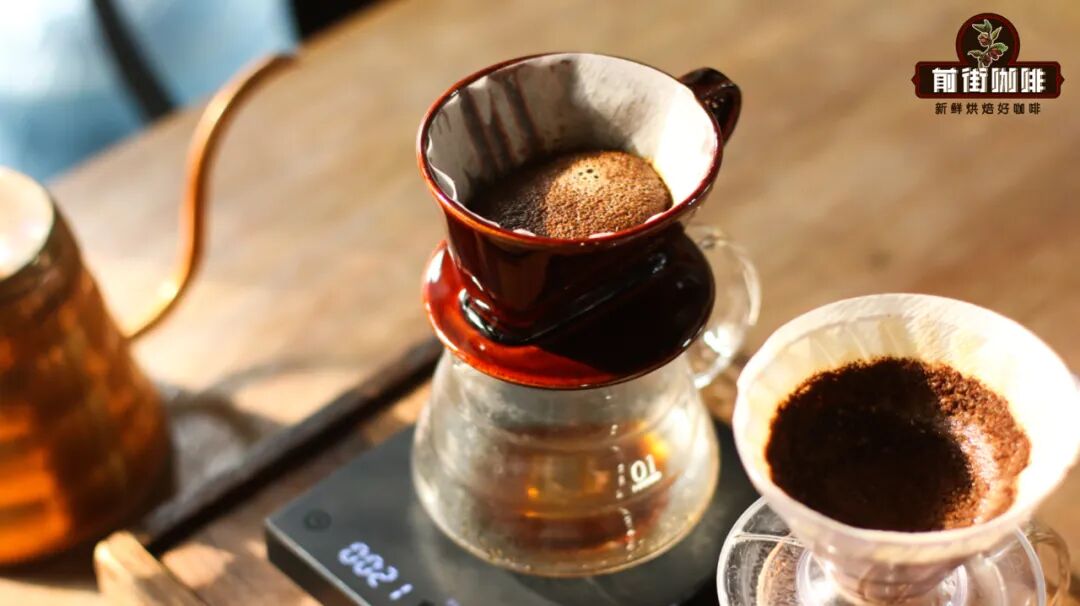
In contrast, trapezoidal filters and other non-mainstream shapes gradually faded from the mainstream view due to a lack of novel designs and market promotion. Manufacturers have focused their R&D resources on conical filters or uniquely shaped ones, causing the exposure of trapezoidal filters to continue declining. But this doesn’t mean they’re not effective—in fact, trapezoidal filters are more beginner-friendly in terms of usability.
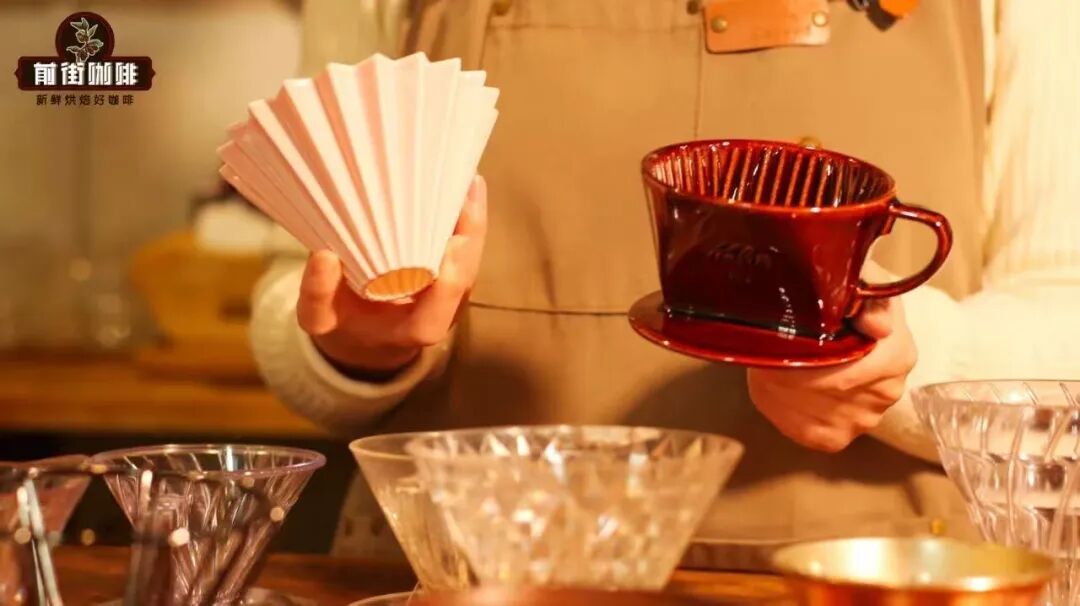
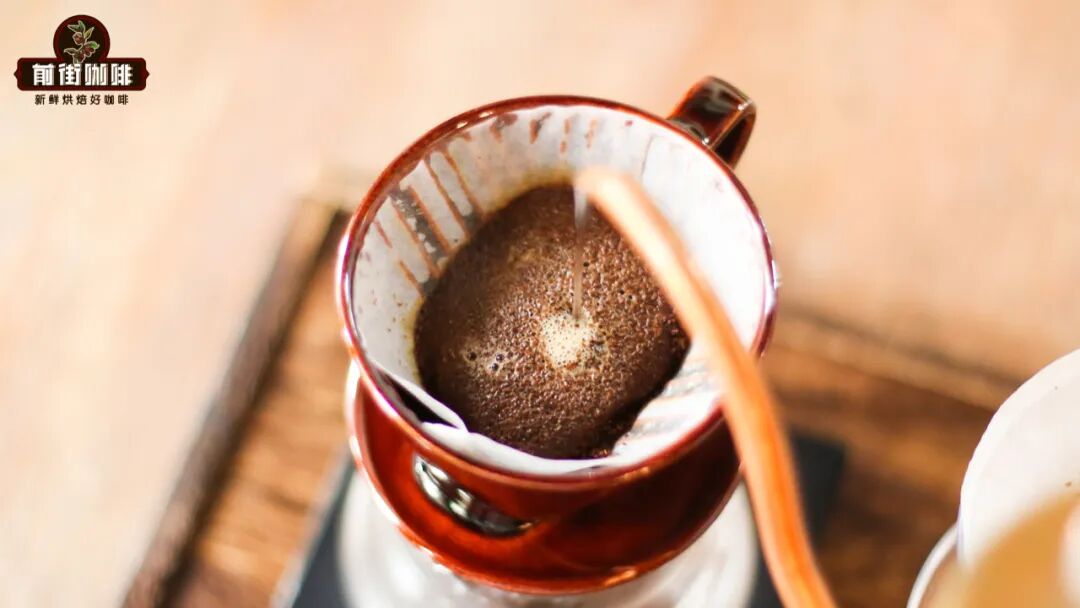
Due to the characteristics of the coffee bed thickness and rib design, the extraction process of trapezoidal filters is closer to immersion brewing, placing relatively lower demands on the brewer’s pouring technique. Even beginners, under the premise of proper settings for coffee amount, grind size, water temperature, and ratio, can consistently produce coffee with balanced flavors and consistent mouthfeel. This is precisely why many chain brands prefer using trapezoidal filters—to minimize the impact of variations in baristas’ experience on the quality of the final product, ensuring customers enjoy consistently satisfying coffee every time.
The above content is compiled by CoffeeHunters, a coffee news website.


