







Introduction:Blooming is a crucial step in pour over brewing, but many people worry that a longer blooming time might affect extraction yield and flavor performance. This article compares 30-second and 1-minute-30-second blooming times through practical testing, analyzing their actual impact on coffee concentration, extraction rate, and flavor complexity, while also exploring water temperature changes and potential risks under extreme conditions to help coffee enthusiasts master more precise blooming techniques.
Recently, there’s been a claim circulating online: “Blooming for too long can actually lead to under-extraction.” This view has left many coffee lovers puzzled, because it’s widely believed that the purpose of blooming is to release CO₂ from the coffee grounds, helping subsequent flavor compounds extract more smoothly. Especially for freshly roasted coffee beans, extending the blooming time moderately usually helps improve extraction efficiency.
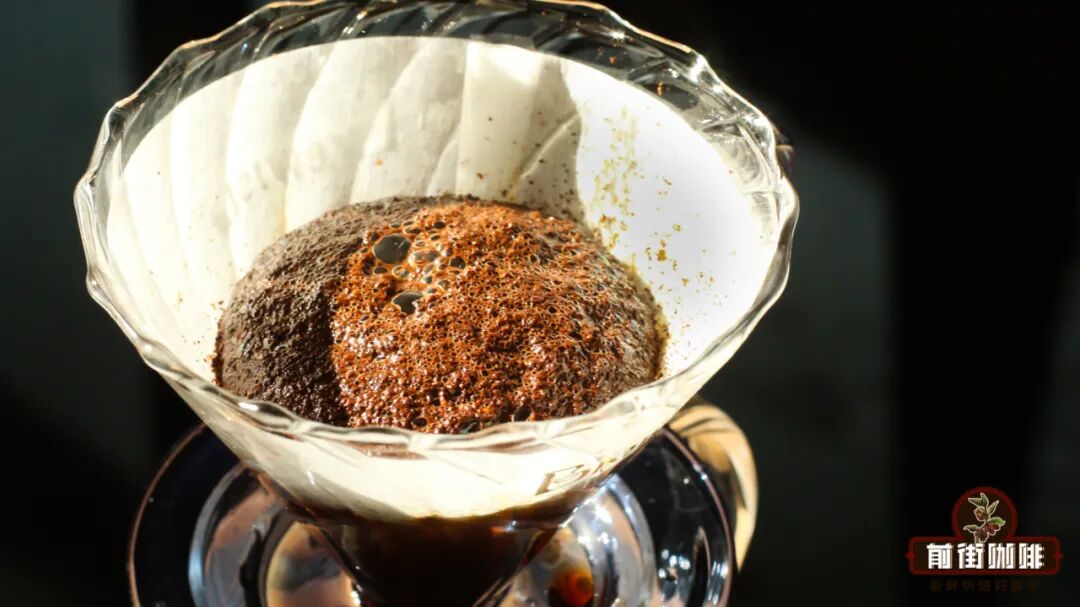
However, some have proposed two possible explanations: first, prolonged blooming may cause the water temperature in the pour over kettle to drop, affecting overall extraction; second, once CO₂ is fully released, the flow rate speeds up, shortening the contact time between coffee grounds and water, leading to insufficient extraction. Are these claims valid? We put them to the test with a practical brewing experiment.
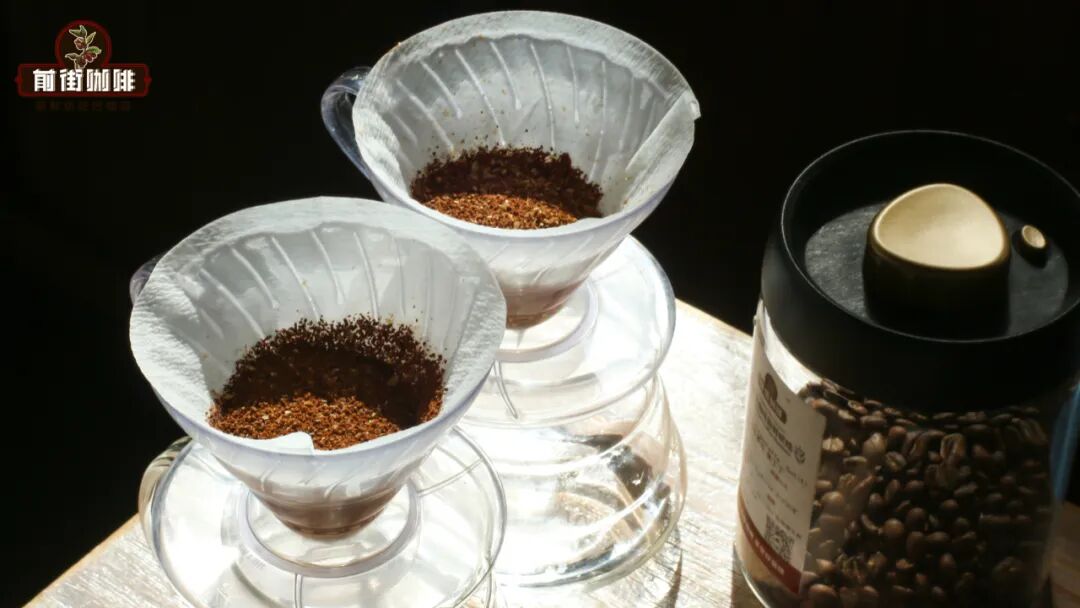
The experimental design is simple: using the same batch of coffee beans, we brewed them with 30-second and 1-minute-30-second blooming times, then compared their flavor profiles and extraction data. The coffee used was Yirgacheffe Guddina, roasted 10 days prior, still within its optimal freshness window and retaining an appropriate amount of CO₂—this allowed us to clearly observe the effects of different blooming times. Brewing parameters were set as follows: 15.6 grams of coffee, 225 ml of water, 20-mesh sieve 80% passed, water temperature 92°C, using a three-stage pouring method.

Many who have seen similar tests before might think the difference between 30 seconds and 60 seconds is minimal, so this time we extended the blooming times further, directly comparing the more representative 30-second and 1-minute-30-second durations to verify the claim that “excessively long blooming might reduce extraction yield.”
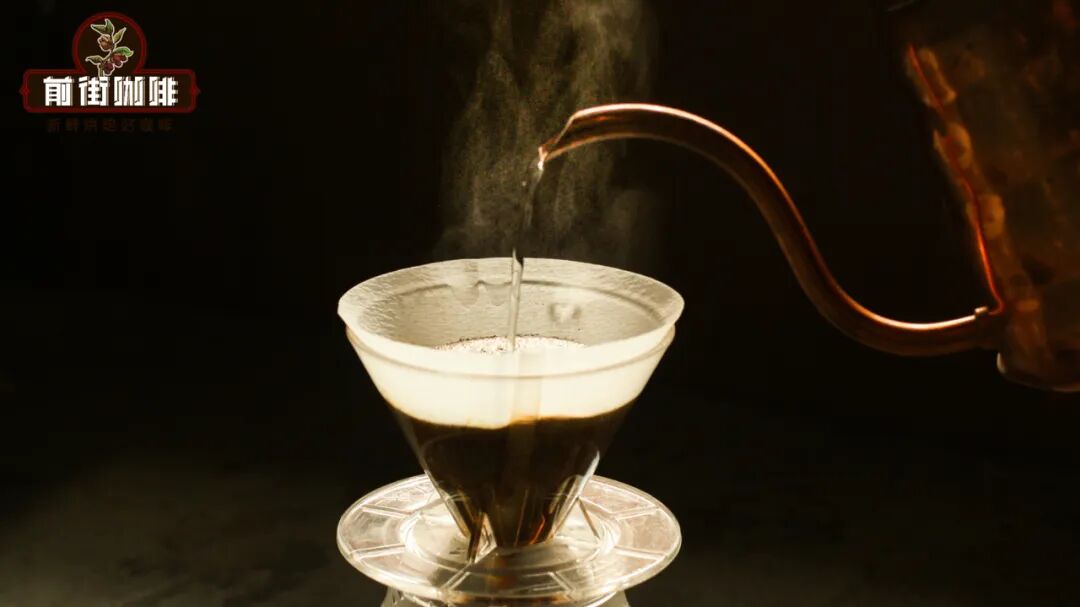
During the actual brewing process, apart from the blooming time, all other steps and parameters remained nearly identical. In terms of flavor, the 30-second bloomed Guddina had a smooth mouthfeel and balanced aroma, with notes of white flowers, lemon, and berries, and a clean aftertaste; while the 1-minute-30-second version, though not drastically different, showed slightly better flavor complexity and body, delivering a slightly richer overall profile.
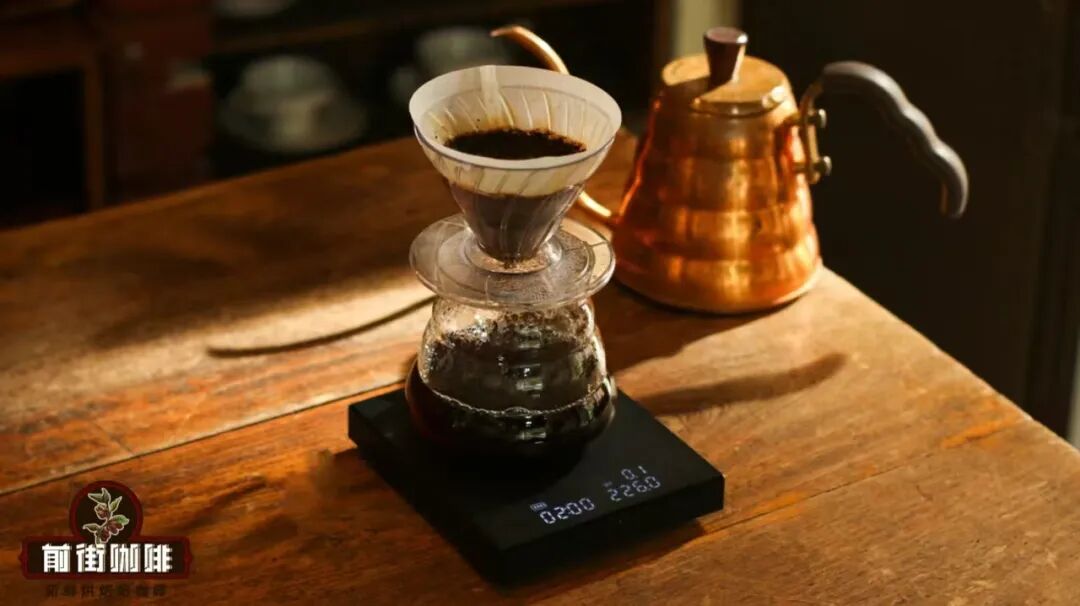
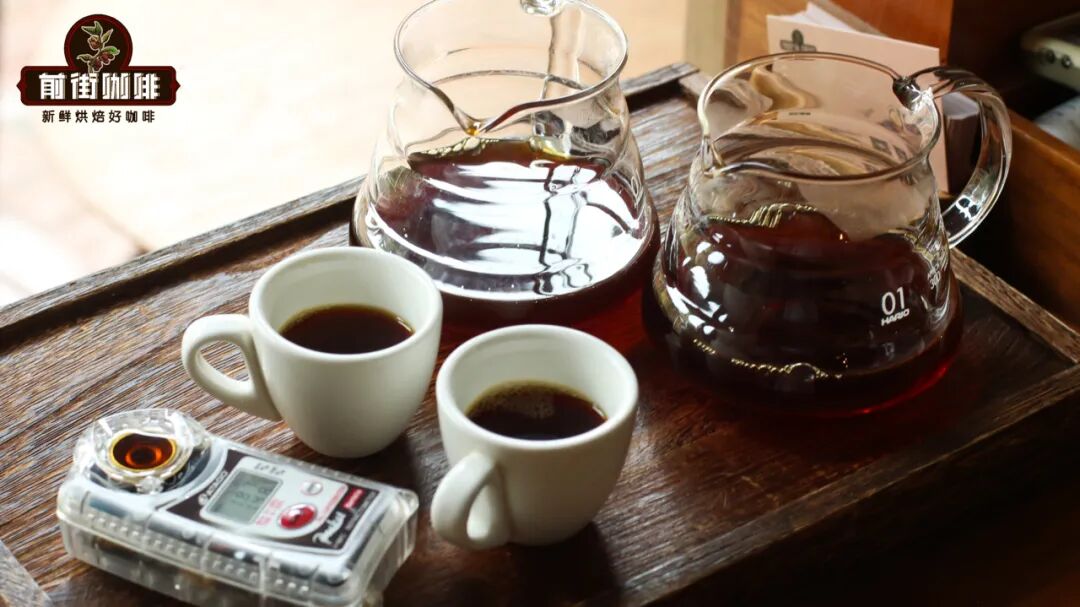
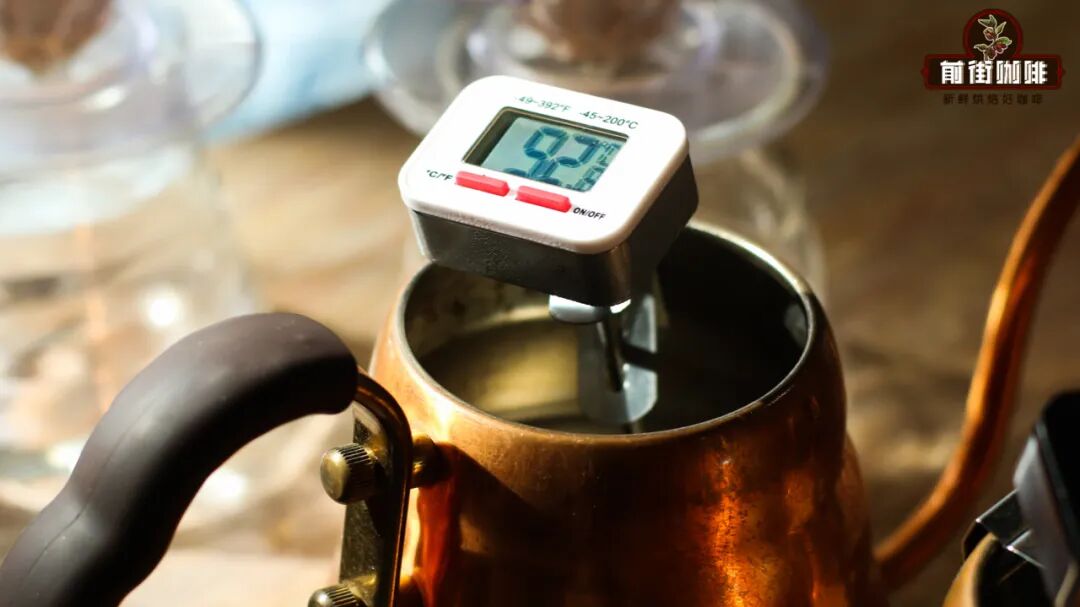
Looking at the specific extraction data: the 30-second bloomed coffee had a concentration of 1.48% and an extraction rate of 19.46%; the 1-minute-30-second bloomed coffee had a concentration of 1.53% and an extraction rate of 20.13%, the latter indeed being slightly higher. Additionally, during brewing, measurements of water flow speed and temperature changes showed that the pouring time and flow rate were essentially the same between the two, with no acceleration due to excessive degassing; in terms of water temperature, the initial kettle temperature was 92.6°C for both, and at the second pouring stage, they were 91.4°C and 90.9°C respectively, with a temperature difference of only 0.5°C, having minimal impact on overall extraction.
Combining the flavor and data results, we can conclude that within a certain range, extending the blooming time does not lower the extraction rate—in fact, it may even bring a slight improvement. So, is the claim that “too long a bloom leads to under-extraction” entirely wrong? Not absolutely.
Under certain extreme conditions—such as blooming exceeding 1 minute 30 seconds, low ambient temperature, or using a pour over kettle with poor heat retention—prolonged blooming may cause a noticeable drop in water temperature, thereby affecting extraction efficiency and potentially resulting in an extraction rate lower than that of conventional 30-second blooming. However, such scenarios are relatively rare, and even if they occur, the difference is usually not significant enough to cause obvious under-extraction, unless the original brewing parameters were already insufficient.
In summary, blooming time does indeed influence coffee extraction yield and flavor, but whether that influence is positive or negative depends on the specific brewing environment, bean condition, and operational details. For most home or general commercial settings, a blooming time range of 30 seconds to 1 minute 30 seconds is safe and effective, while longer or more extreme settings require more careful evaluation of all variables.

The above content is compiled by CoffeeHunters, a coffee news website.


