







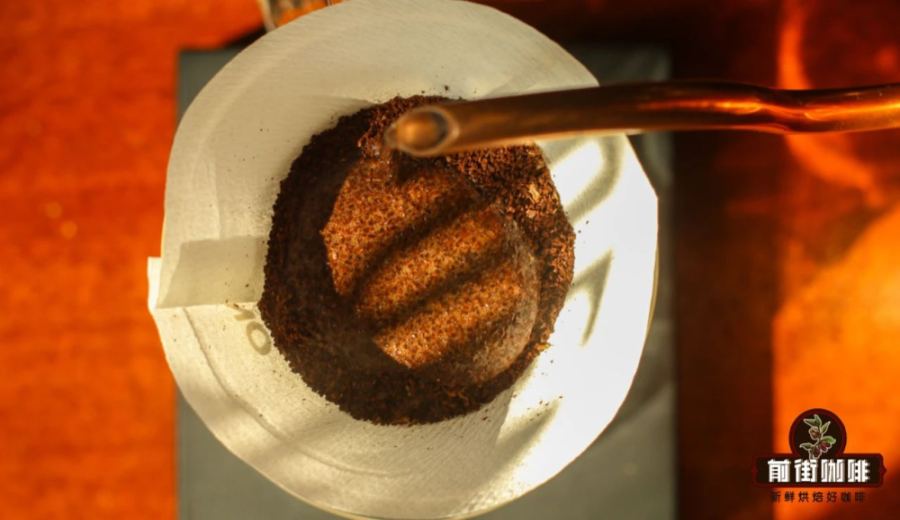
Introduction:This article compiles four classic Japanese pour-over brewing methods and recommends single-origin coffee beans from three continents ideal for beginners. It details the operational differences and flavor profiles of the Matsuya method, the Kawahara method (drip method), the Volcano Strike, and the Zigzag technique, while also providing precise extraction parameters and steps for beans from various regions to help you master the coordination between water flow control and grind fineness.
Many beginners often ask how they can extract the most captivating flavor layers from coffee beans through different techniques. In fact, Japanese baristas have developed a variety of precise extraction methods that not only highlight regional characteristics but can also be adjusted based on roast levels. Below, we will delve into the four classic Japanese pour-over styles and recommend beginner-friendly single-origin beans from three continents.
Matsuya Method Pour-OverEstablished by Kazuyoshi Matsushita in 1962, its key feature is using coarsely ground coffee beans along with a long blooming period. The technique involves first creating a crater in the center of the coffee bed, then pouring a high stream of water in a circular motion to wet the grounds, followed by covering the brewer and letting it bloom for 3 minutes. Finally, water is poured evenly until the server is half full, at which point hot water is added to dilute.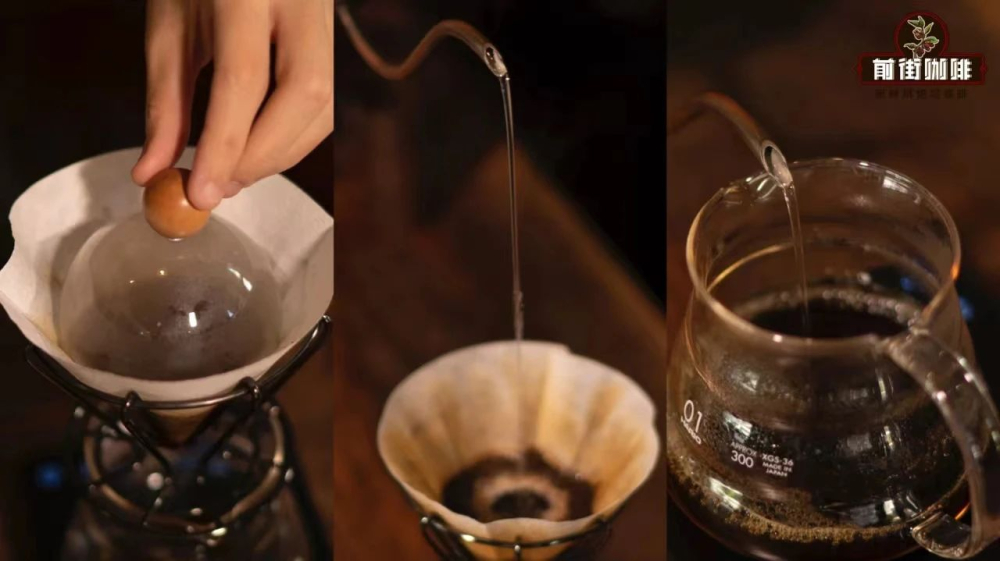 Coffee brewed with this method has high stability—even after sitting for a while, the flavors remain clear without becoming murky.
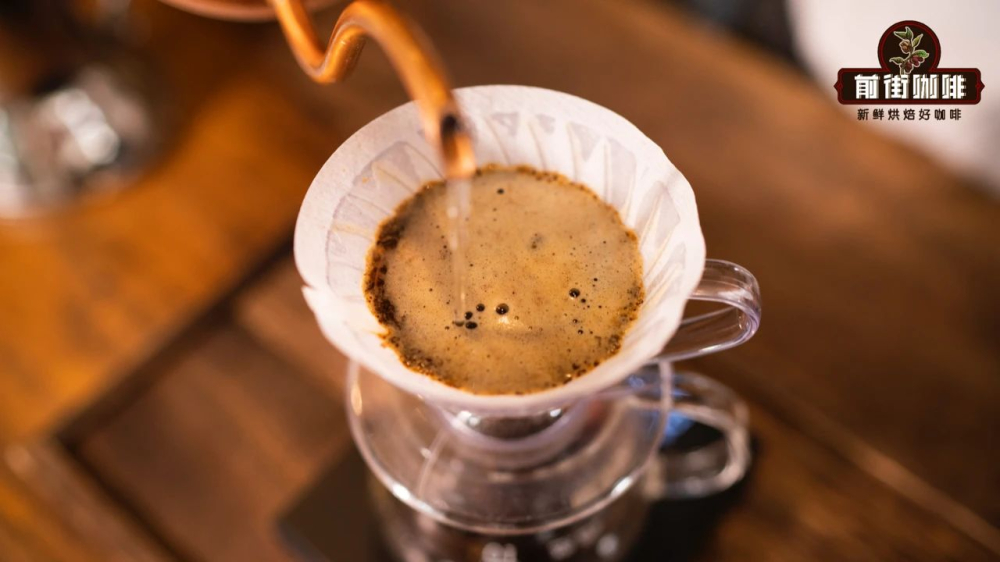
Kawahara Method (Drip Method)This method emphasizes extreme patience, extracting coffee through a steady drip-by-drip pre-wetting of the grounds. Water is initially focused to soak the bottom of the coffee bed, and once the liquid surface reaches one-third, pouring continues. When the water level drops to half, more water is added. This method fully brings out sweetness while greatly reducing acidity and harsh bitterness.It is suitable for beginners who seek pure and clean flavors.。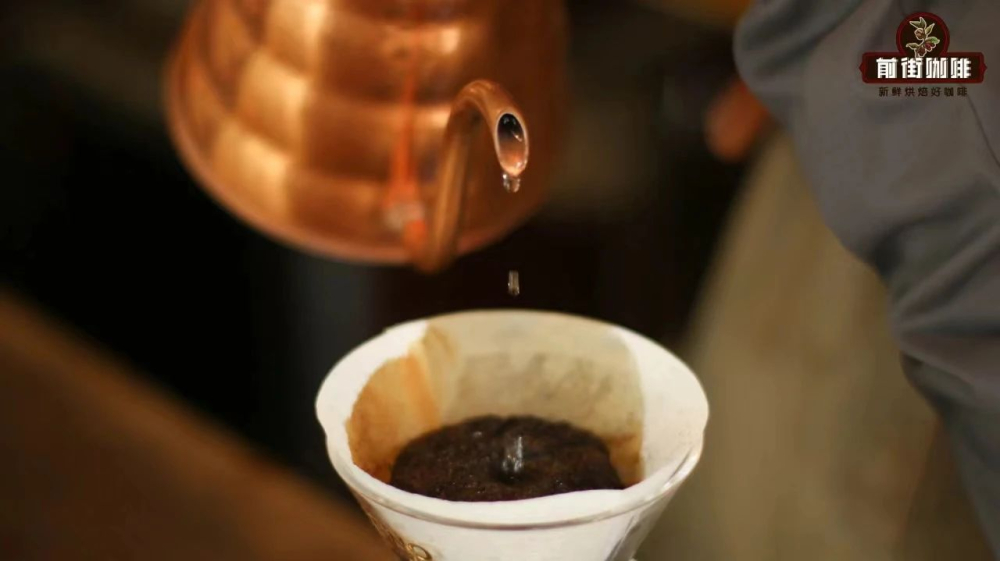
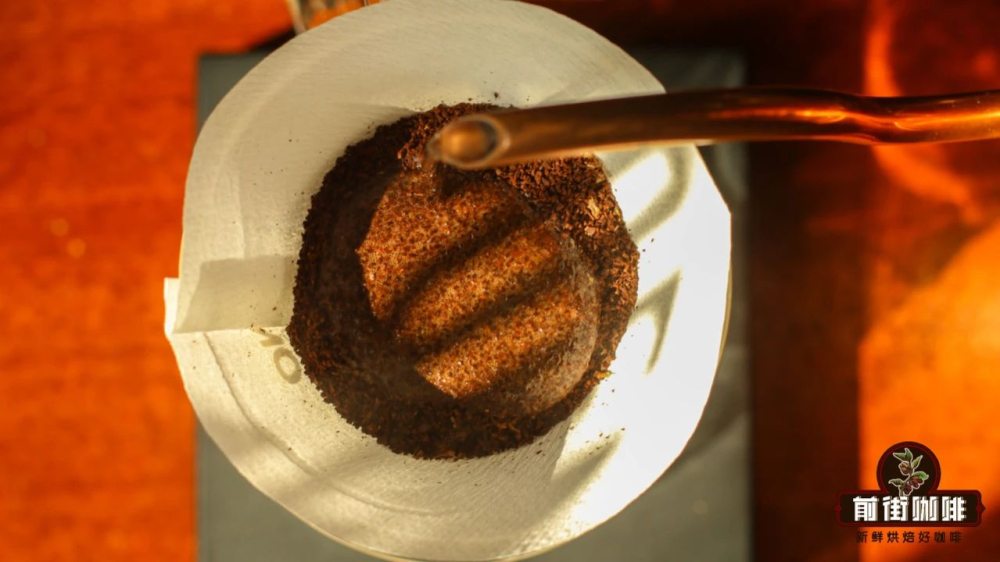
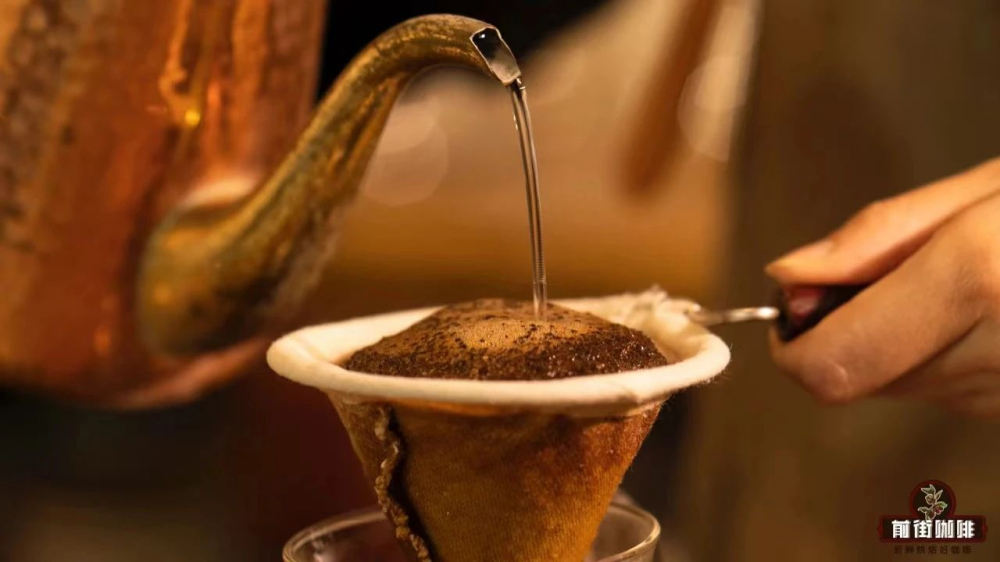
For those who prefer dark roasts, you may trythe Volcano Strike method, which utilizes a thick coffee bed and multiple blooming phases to generate a large amount of CO₂, creating an expansion effect akin to a volcanic eruption. It is recommended to use a cloth filter, focusing water in a coin-sized area. The early stage avoids disrupting the coffee bed structure, while the latter stage requires controlling flow rate to prevent over-extraction. This technique produces a thick and bold cup, ideal for those who prefer intense mouthfeel.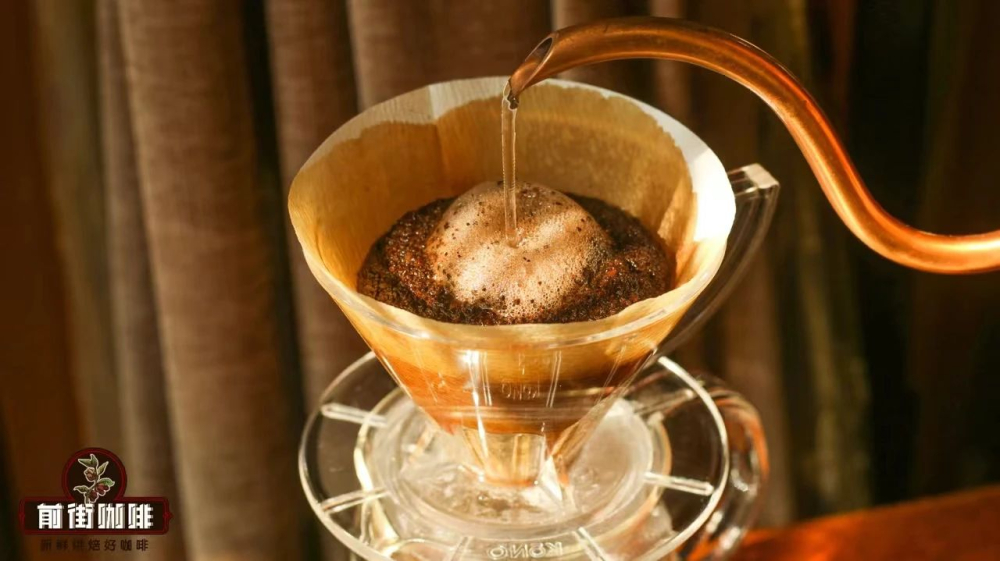
Zigzag MethodDeveloped by Teruharu Tahara, this method is characterized by no blooming and fast extraction, completing the process in just 40 seconds. Using a cloth filter combined with zigzag circular pouring, water volume is dynamically adjusted according to the concentration of the liquid. The final result is a body as rich as espresso. While it demands higher operational skill, it delivers excellent aftertaste sweetness.
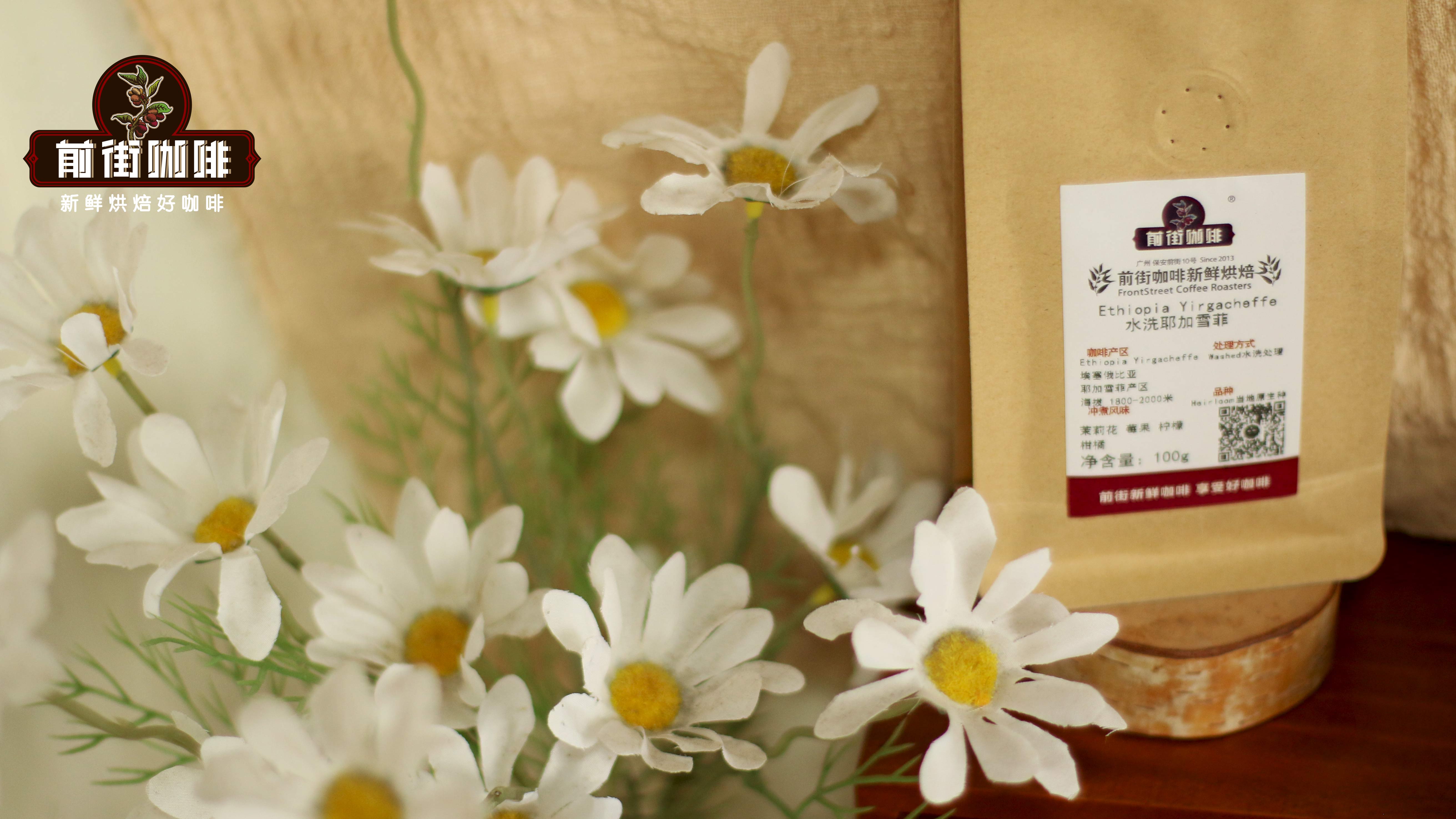
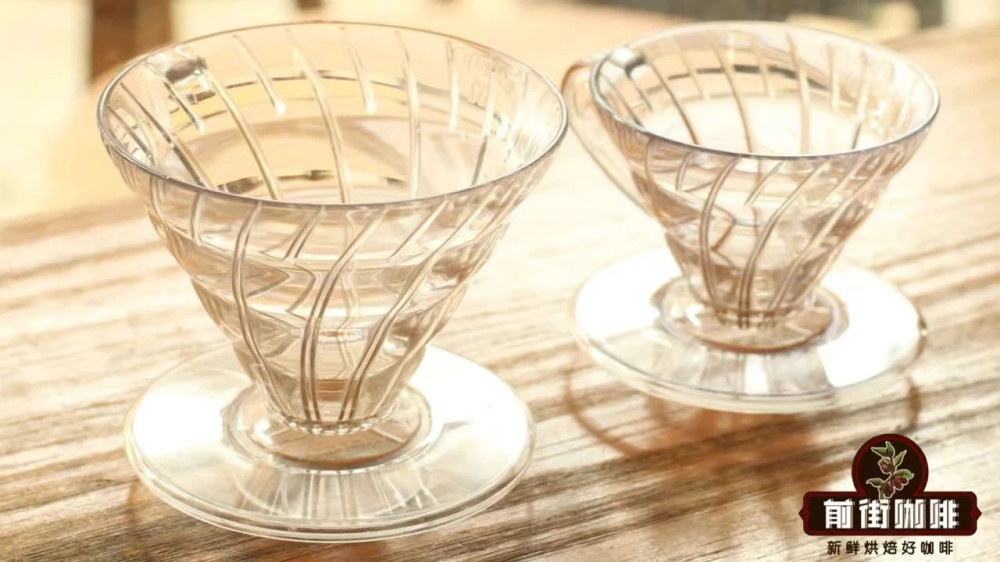
For beginners, it is recommended to start withwashed Yirgacheffe from Ethiopia in Africa. This light-roasted bean is known for its citrus and berry notes. It is suggested to use a V60 dripper with a high water temperature of 90°C and a medium-fine grind (80% through a #20 sieve). Specific parameters: 15 grams of coffee, 1:15 coffee-to-water ratio, starting with 30 grams of water for a 30-second bloom, then pouring in stages up to a total of 225 grams. Total brew time is about 2 minutes and 5 seconds. This combination clearly highlights floral aromas and lemony acidity.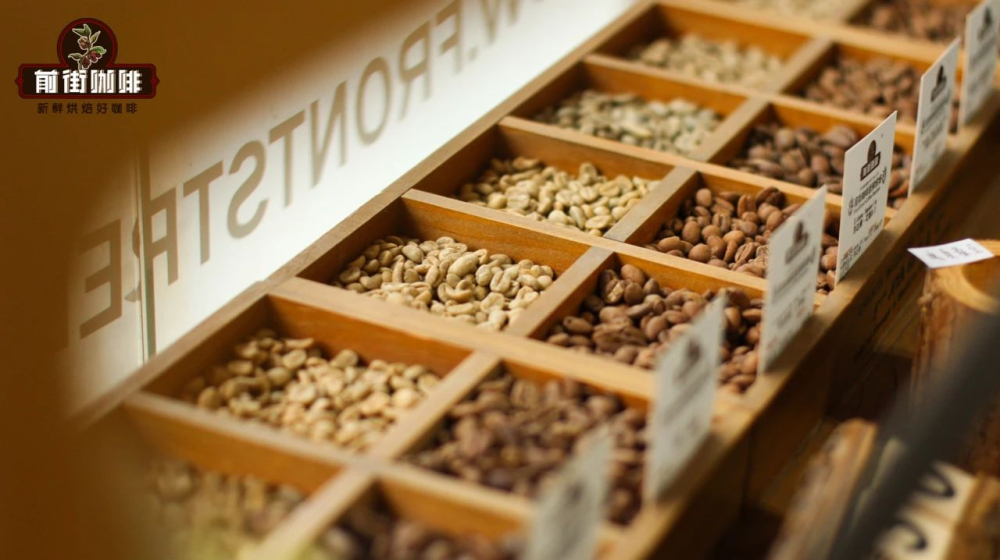
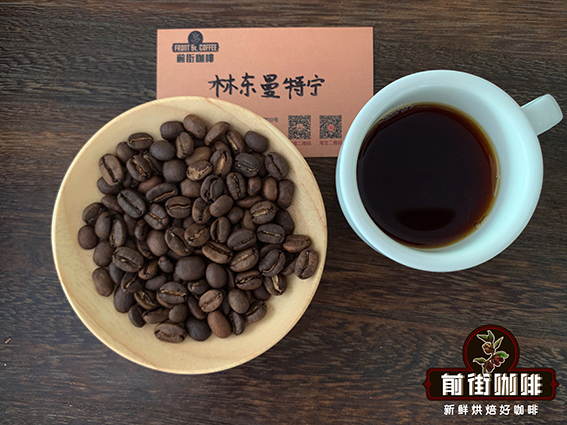
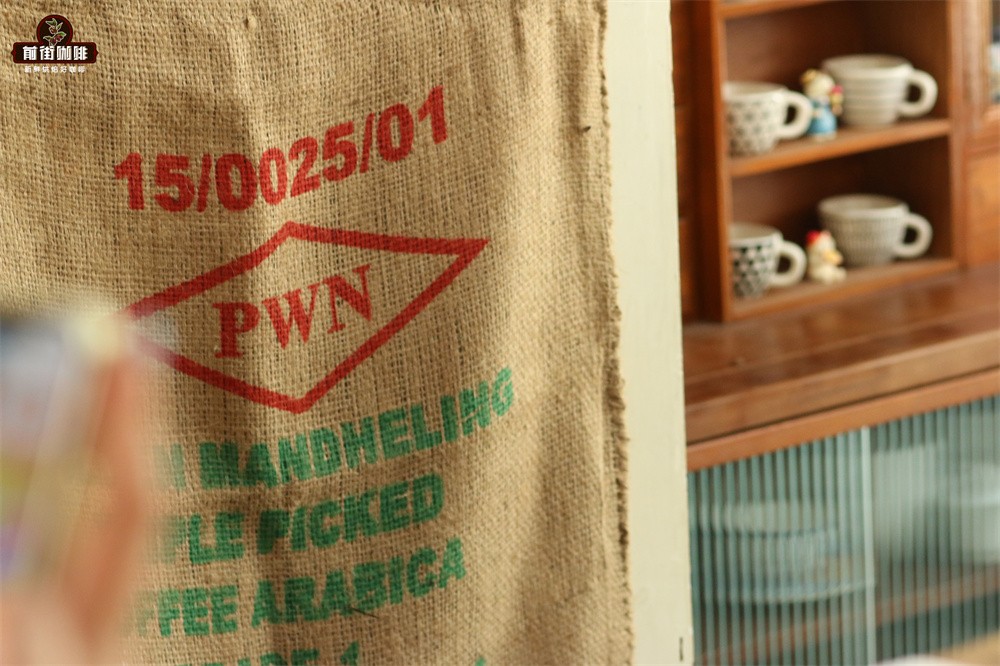
The top choice from the Asian region isIndonesia’s Sumatra Mandheling from Lintong, whose wet-hulled processing gives it unique tobacco and nutty aromas. For medium-dark roasts, it is advised to switch to a Kono dripper, using 88°C water and a grind size of 70–75%. The pouring method is in stages: after a 30-gram bloom, pour up to 125 grams, then continue to 225 grams. Medium-light roasts take about 2 minutes, while dark roasts take about 2 minutes and 10 seconds. The Golden Mandheling version offers even richer layers, with chocolate and pine wood undertones.
A representative from the Americas isGuatemala Huehuetenango, processed with medium roast and washed method, balancing nutty tones with citrus acidity. Use a V60 dripper with 90°C water. With 15 grams of coffee at a 1:15 ratio, bloom with 30 grams of water, then pour up to 125 grams and continue to 225 grams. Total brew time is kept under 2 minutes. This bean offers clear flavors with highlights of lemon peel and berries, making it a good transitional option for advanced practice.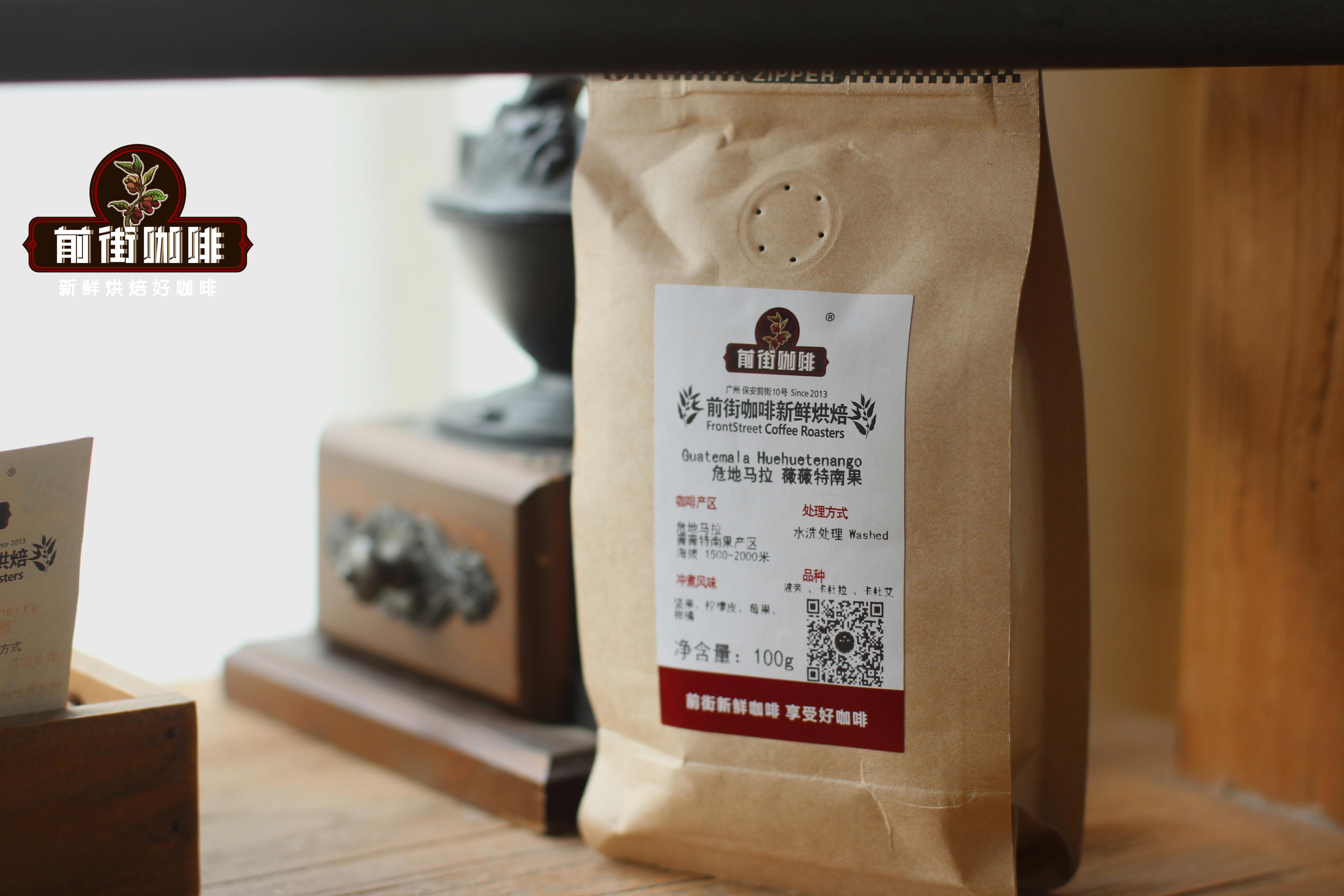
After mastering these techniques and parameters, it is recommended to adjust grind size and water temperature according to personal taste. For example, to enhance bright acidity, increase the water temperature by 1–2°C; for a fuller body, extend the brewing time. Remember, the core of pour-over lies in stable water flow and an even coffee bed—through continuous practice, you’ll find your own optimal balance.
The above content is compiled by CoffeeHunters, a coffee news website.


