







Introduction:While pour over coffee may seem simple, it involves many details that affect flavor. This article provides an in-depth analysis of seven essential parameters for beginners—including water selection, grind size adjustment, water temperature control, blooming techniques, and pouring methods—while also recommending three beginner-friendly filter types to help you achieve stable extraction, avoid over-extraction or under-extraction, and easily brew coffee with rich layered flavors.
Pour over coffee is captivating to many enthusiasts, but lack of understanding of its principles often leads to unstable brewing techniques and uneven extraction. Brewing a great cup of coffee requires not only familiarity with equipment operation, but also mastery of a series of key parameters and skills. From water quality and coffee bean freshness to grind size, water temperature, and pouring methods, each step directly impacts the final flavor profile.
I. Water Selection: How to Choose Between Mineral Water and Filtered Water?
Water is the carrier of coffee, and its quality directly influences the aroma and taste. It is recommended to avoid using tap water directly, and opt for filtered water, purified water, or mineral water instead. However, even with the same parameters, different water sources can yield flavor variations. Experiments show that minerals in water such as calcium, magnesium, sodium, and potassium ions affect the thermodynamic extraction capacity, thereby altering the acidity-sweetness balance and body of the coffee. Beginners are encouraged to try different types of water to find the one that best suits their taste preferences.


II. Coffee Beans: Prioritize Freshness and Single-Origin Beans
Both single-origin beans and espresso beans can be used for pour over, but if you want to experience the unique flavors of different regions, it’s recommended to choose single-origin beans with clear labeling of origin, variety, and processing method. Freshly roasted coffee beans enter their optimal flavor window 4 to 7 days after roasting, during which their flavors are most vibrant. It is recommended to consume the beans within a month of receipt to fully appreciate their layers and characteristics.
III. Filter Cups and Equipment: Three Beginner-Friendly Choices
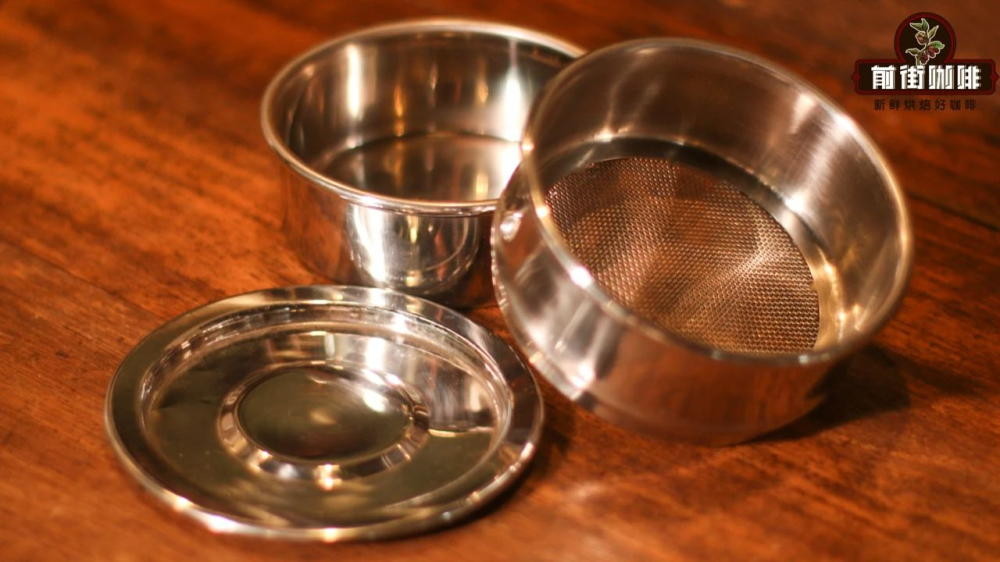
Selecting the right pour over kettle and filter cup is the first step to stable brewing. Beginners are advised to use a narrow-spout pour over kettle, as the water flow is easier to control, helping to avoid overly forceful pouring. For filter cups, three beginner-friendly types are recommended: the Kalita Wave’s wave design helps reduce uneven extraction, resulting in a relatively clean taste; the Kono filter cup features a single large hole for a bold flow, ideal for highlighting the rich aroma of dark roasts; the Hario V60 can accentuate the coffee’s diverse aromas and is suitable for all roast levels—the flavor layers can be adjusted by varying the pouring technique.
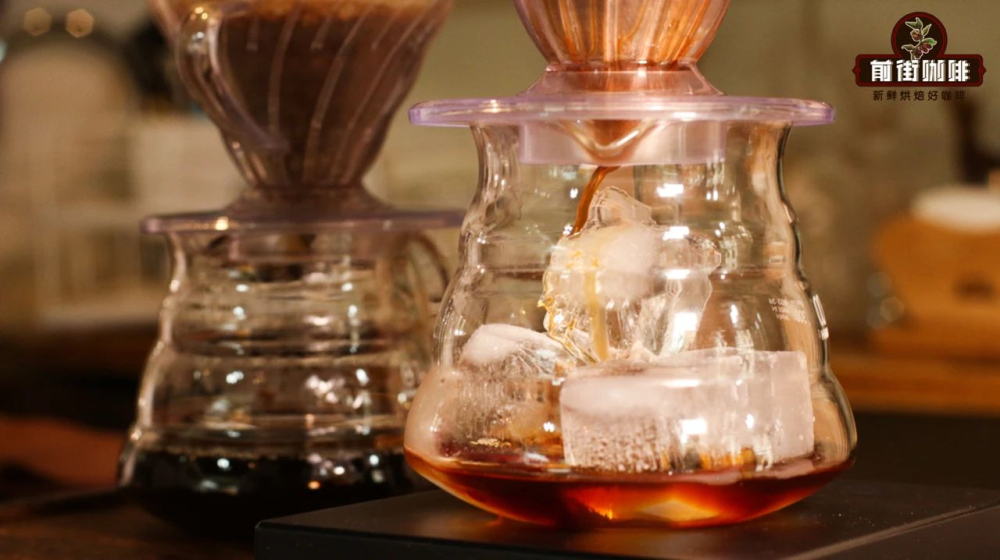

For filter paper, it’s recommended to use bleached type to avoid off-flavors, and be sure to match the corresponding model—for example, use a 01 filter with a 01 filter cup, or either a 01 or 02 filter with a 02 filter cup.
IV. Grind Size: Medium-Fine Grind as the Golden Standard for Pour Over
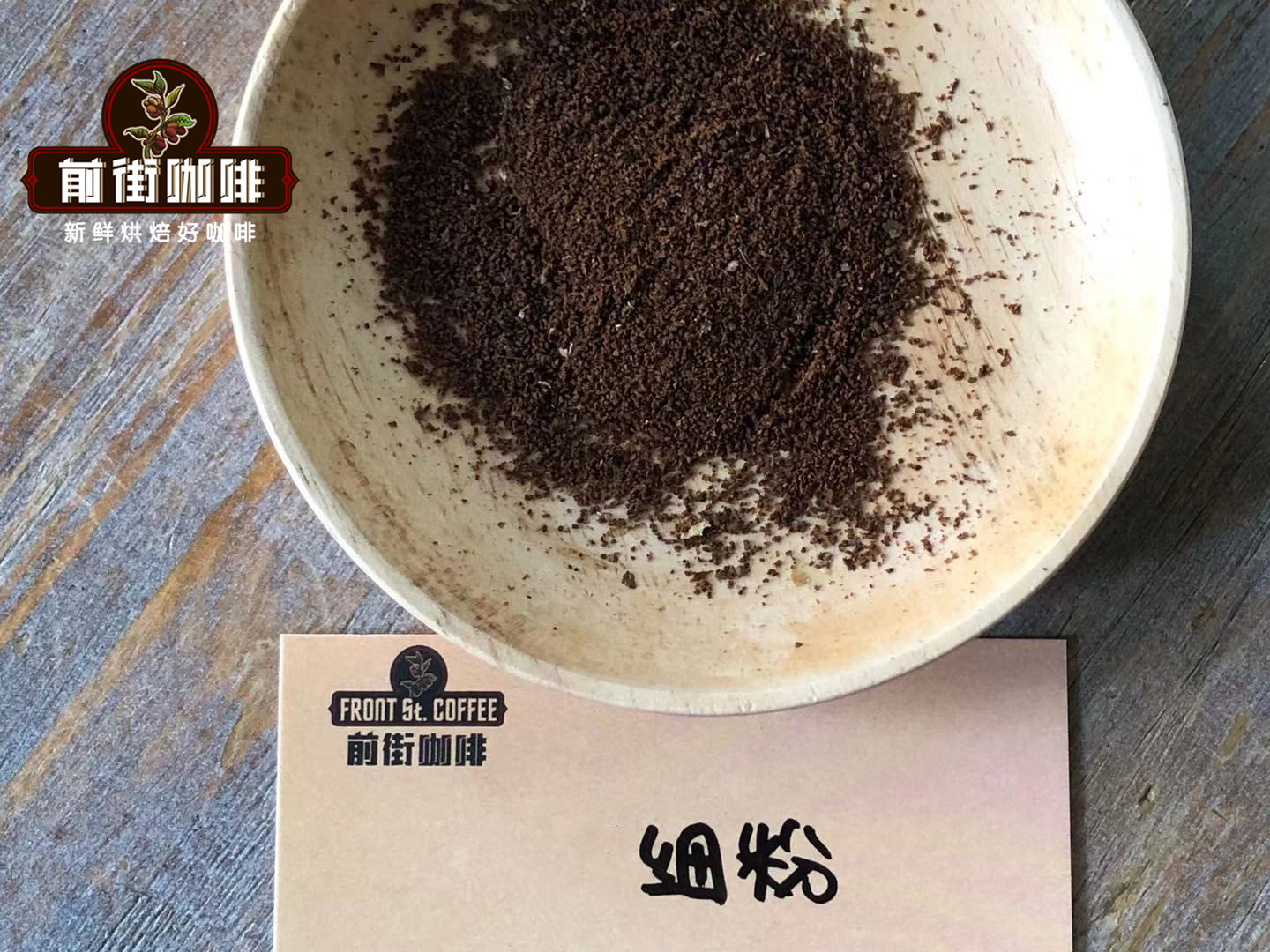
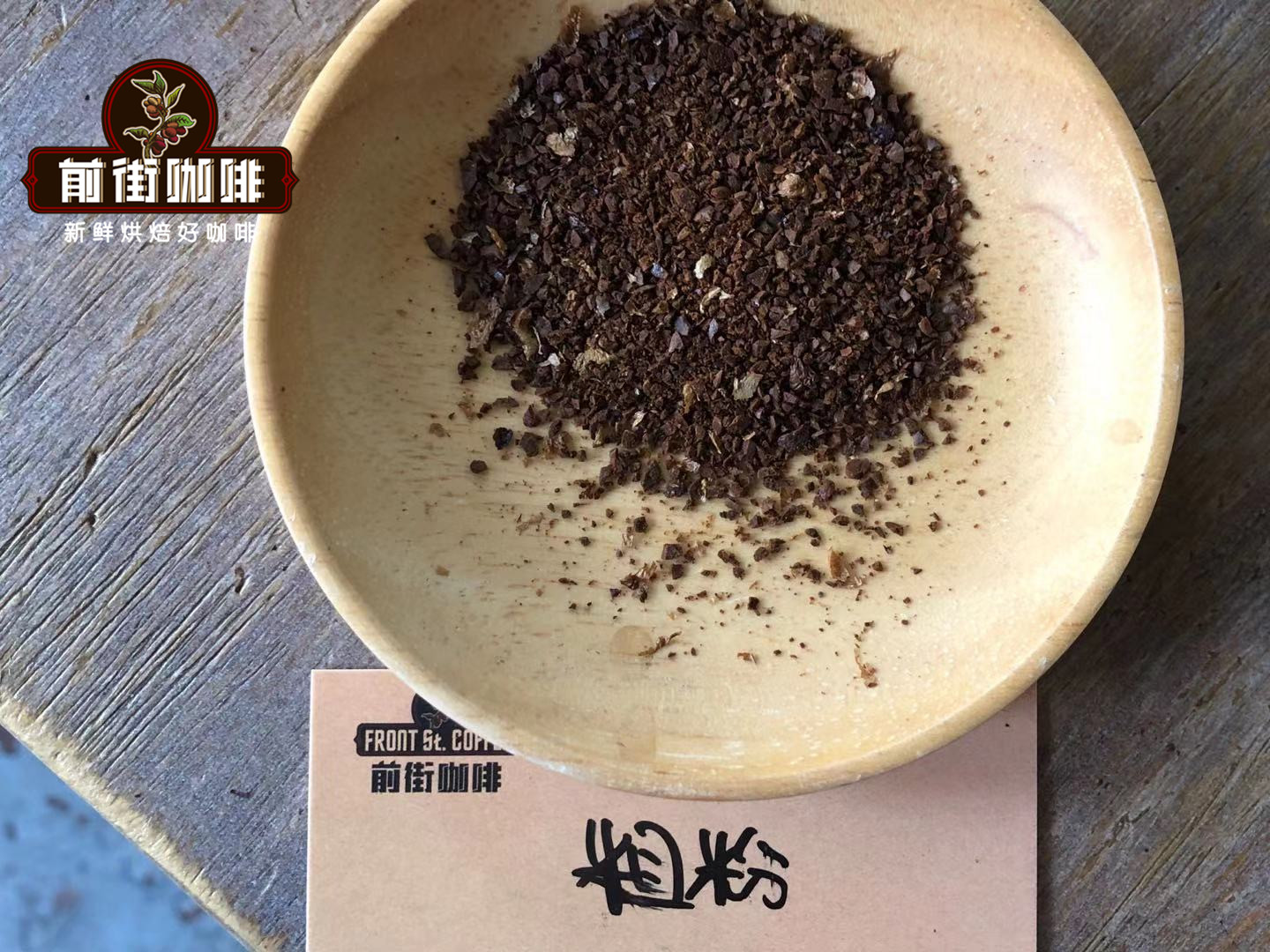
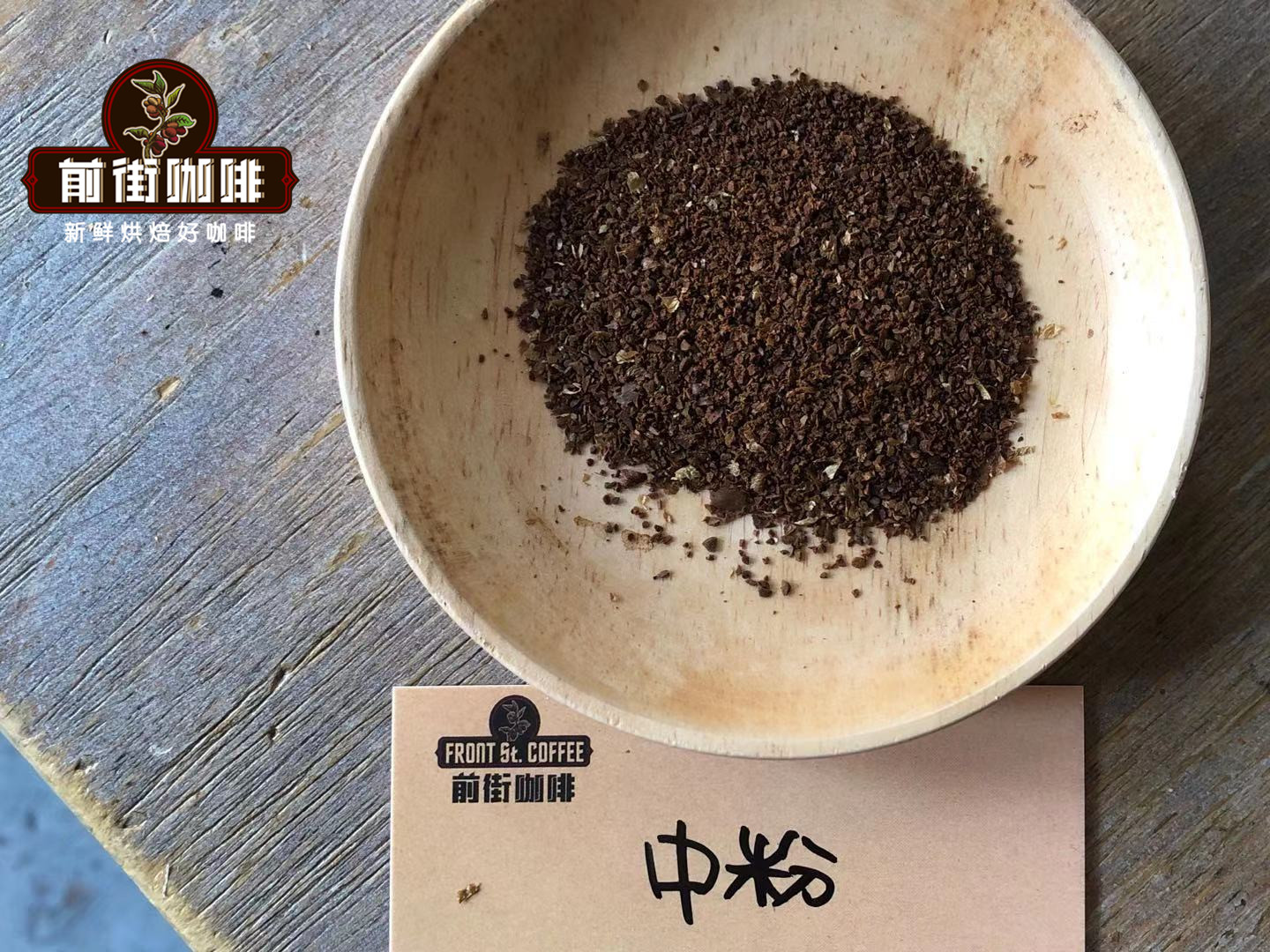
Grind size greatly affects the concentration and extraction rate of pour over coffee. A fine grind can enhance body but may also lead to over-extraction; a coarse grind may result in under-extraction, making the flavor appear thin. Generally, a medium-fine grind is recommended, with particle size similar to white sugar, helping to balance concentration and flavor expression.
V. Water Temperature Control: Adjust According to Roast Level
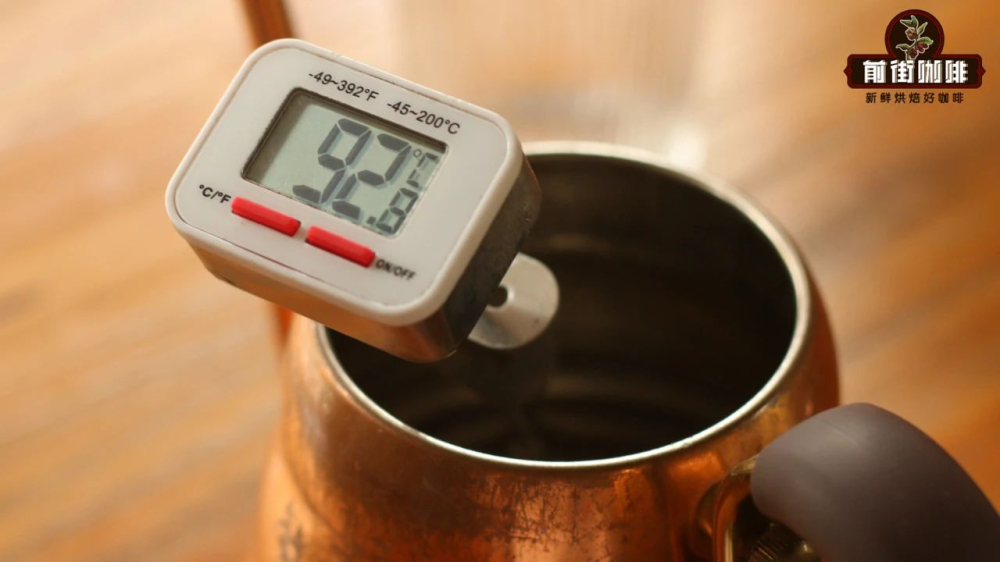
Water temperature is a key factor determining the speed of coffee extraction. For light to medium roast beans, a water temperature of 90–91°C is recommended to highlight acidity and sweetness; medium-dark roast beans suit 88–85°C, bringing out clean and full-bodied characteristics. The correct water temperature can draw out the most captivating flavor profile of the beans.
VI. Blooming: The Prelude to Releasing Gases and Ensuring Even Extraction
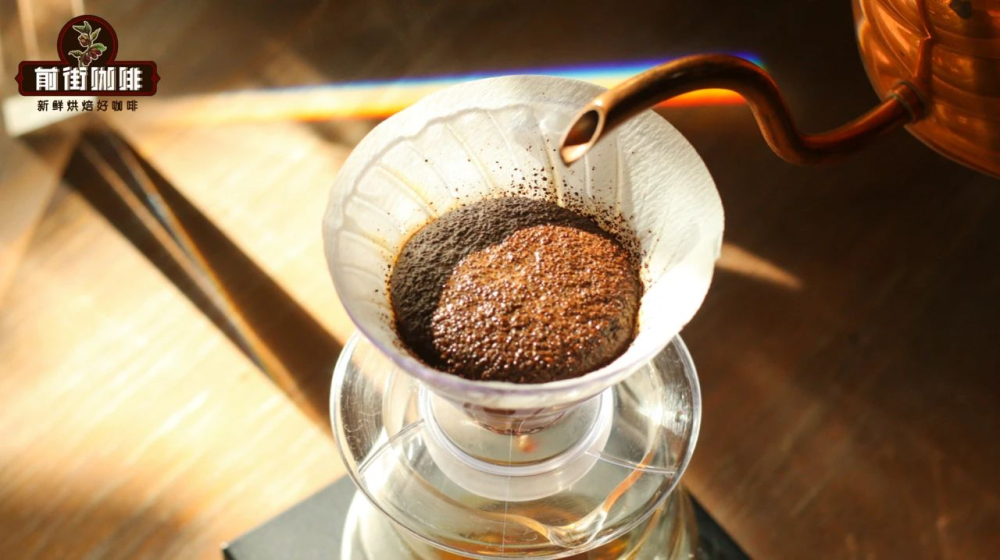
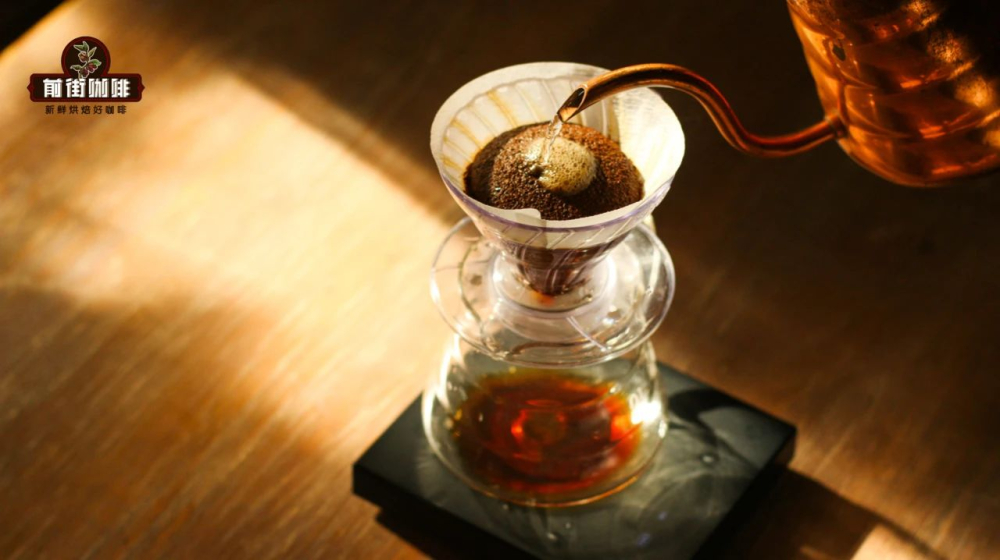
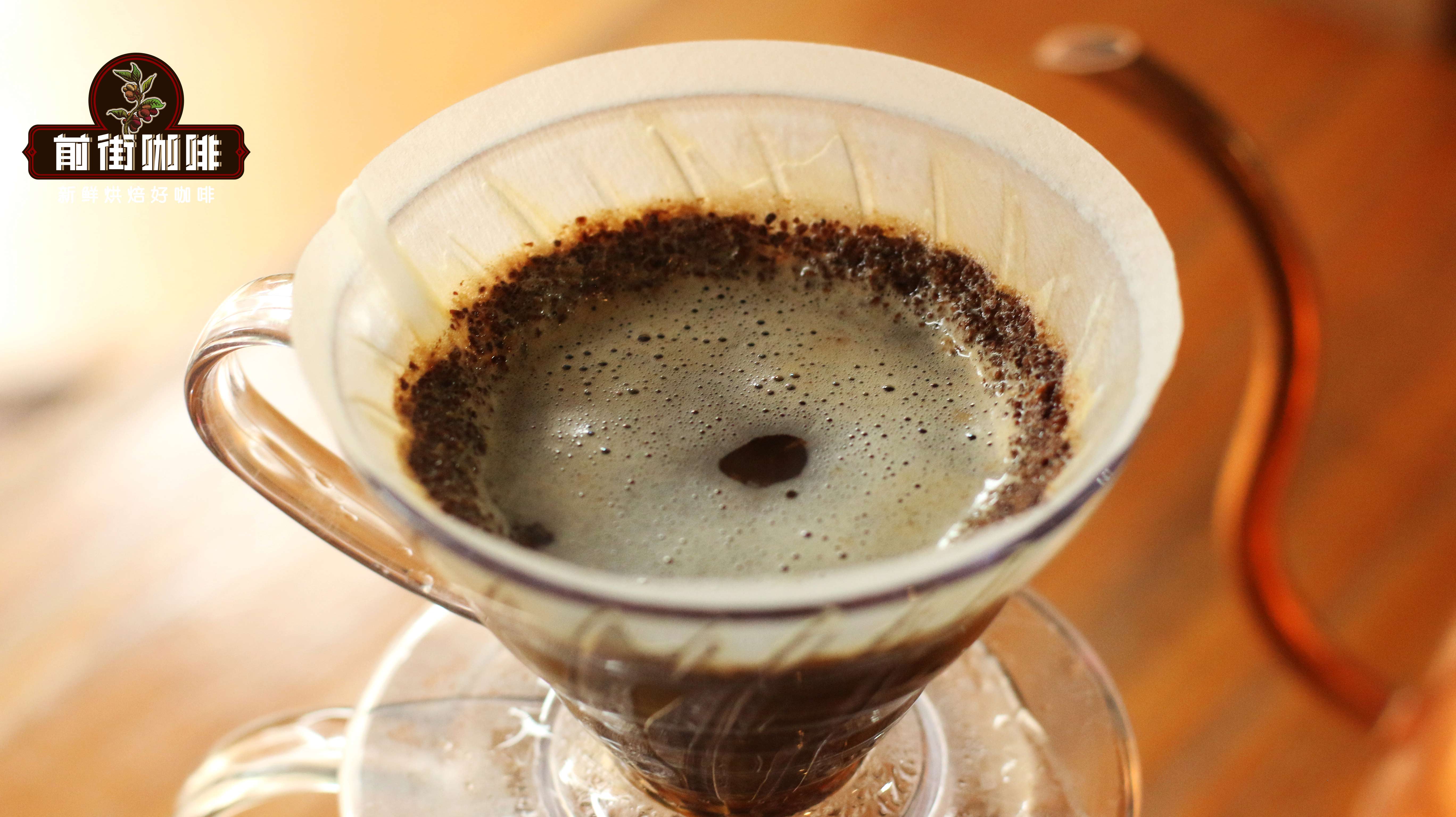
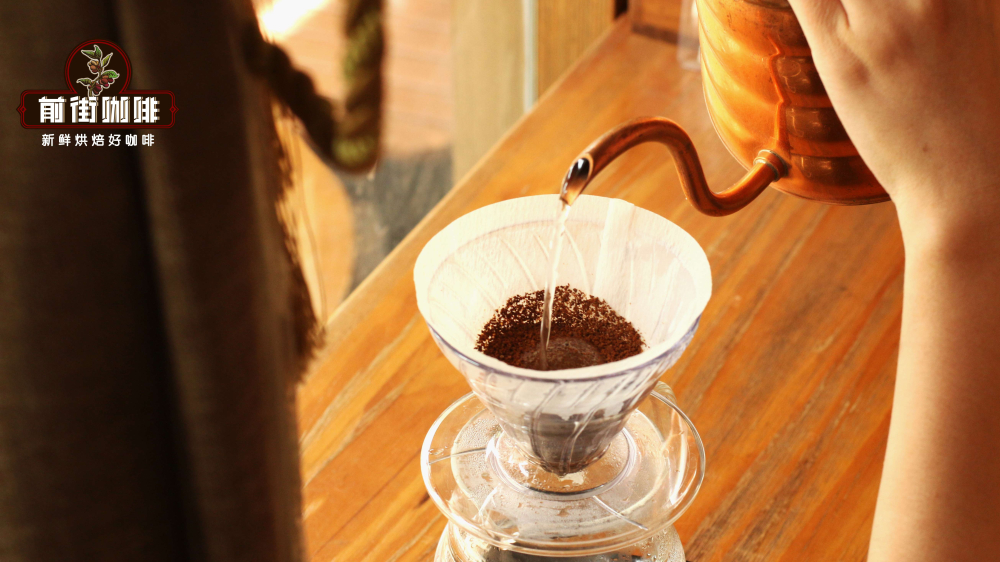
Blooming is a crucial step in the pour over process, primarily aimed at releasing carbon dioxide trapped within the coffee particles—this is especially active in freshly roasted beans. Proper blooming allows subsequent pouring to evenly penetrate, avoiding localized under-extraction. When blooming, it’s recommended to gently shake the coffee grounds to level them, then pour water gently with a fine stream, using about twice the weight of the coffee grounds (for example, 30 grams of water for 15 grams of grounds), with a duration of 30 to 35 seconds, until the surface of the coffee bed slightly puckers—then you can begin the main pour.
VII. Pouring Technique: Multi-Stage Pouring for More Stable Extraction
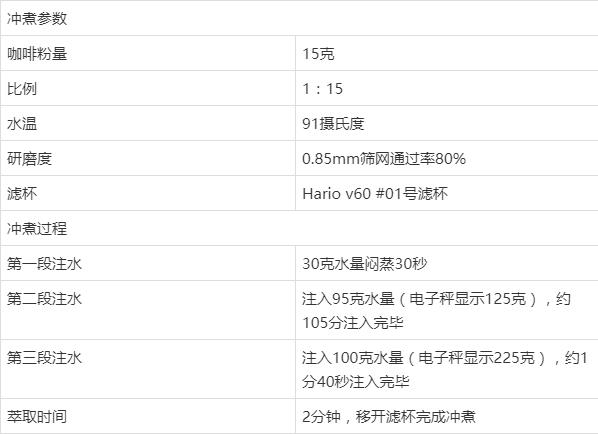
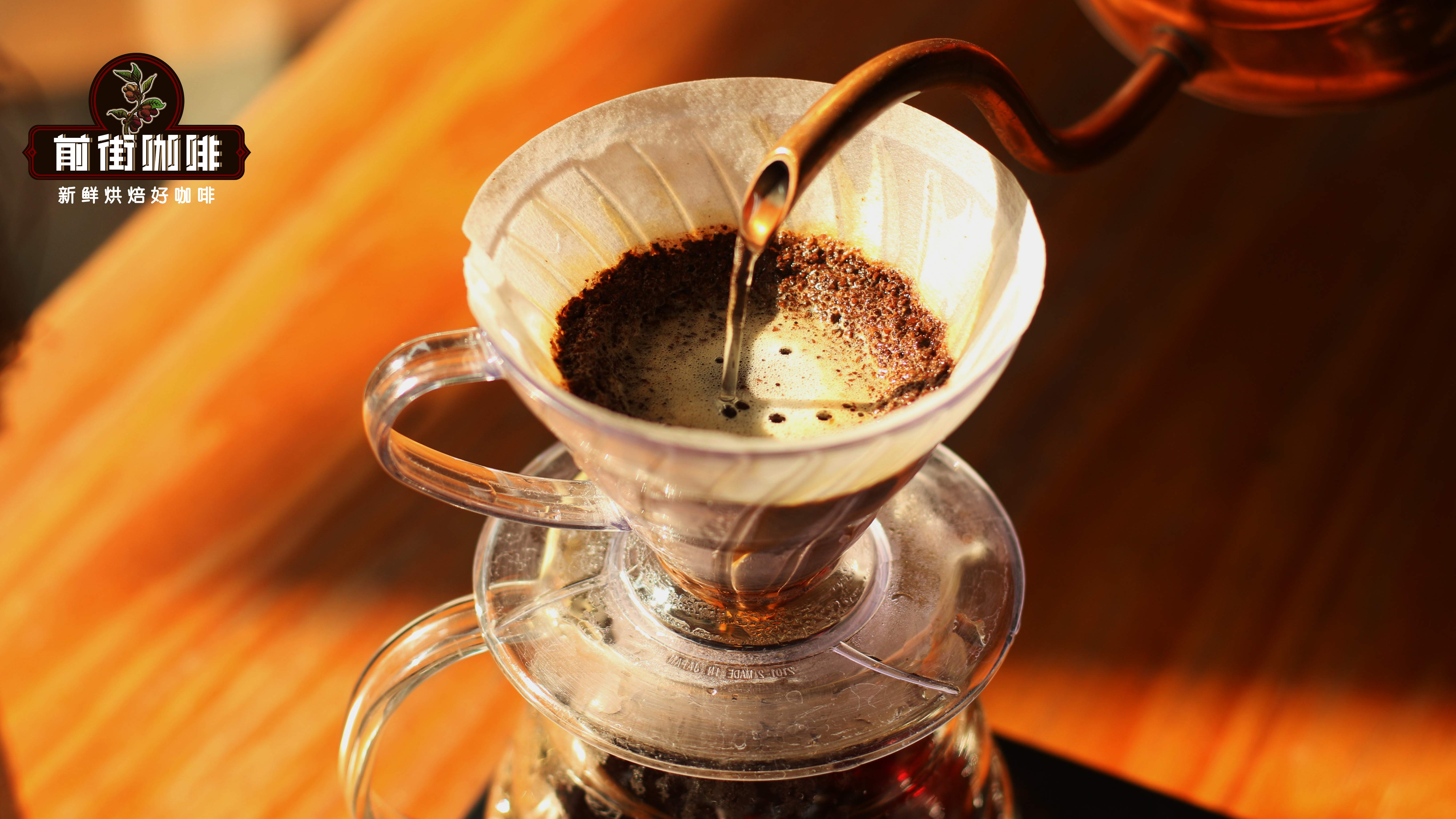
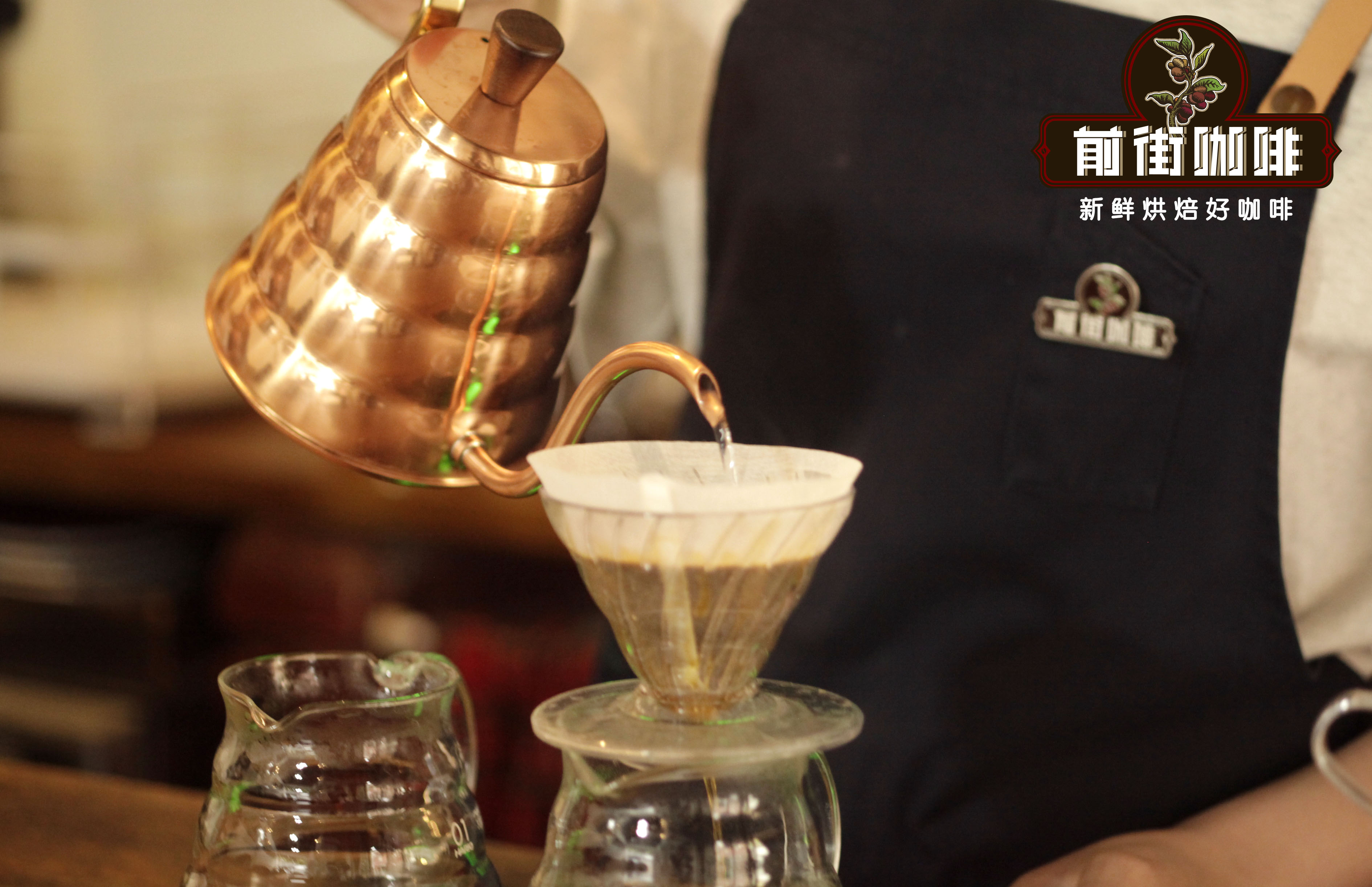
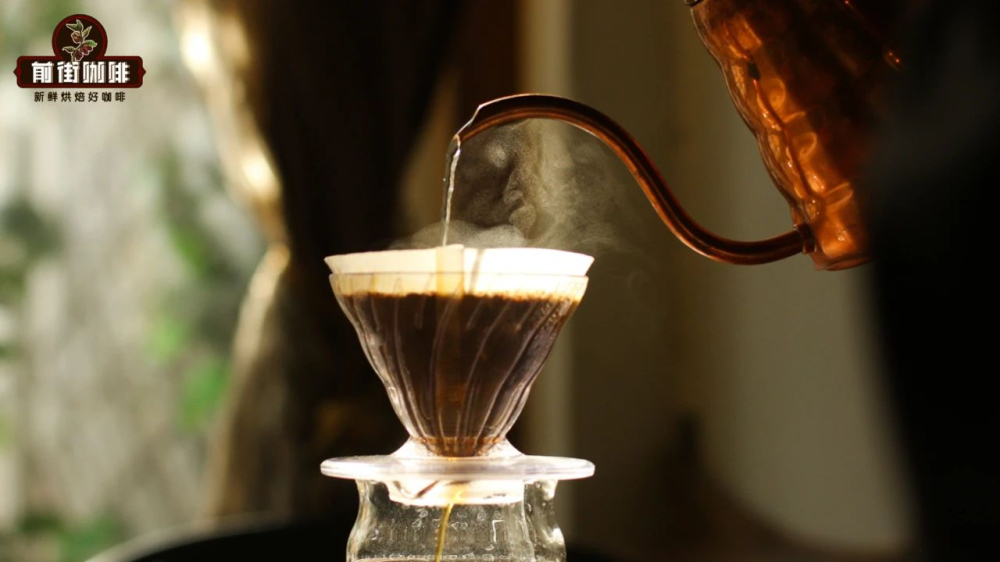
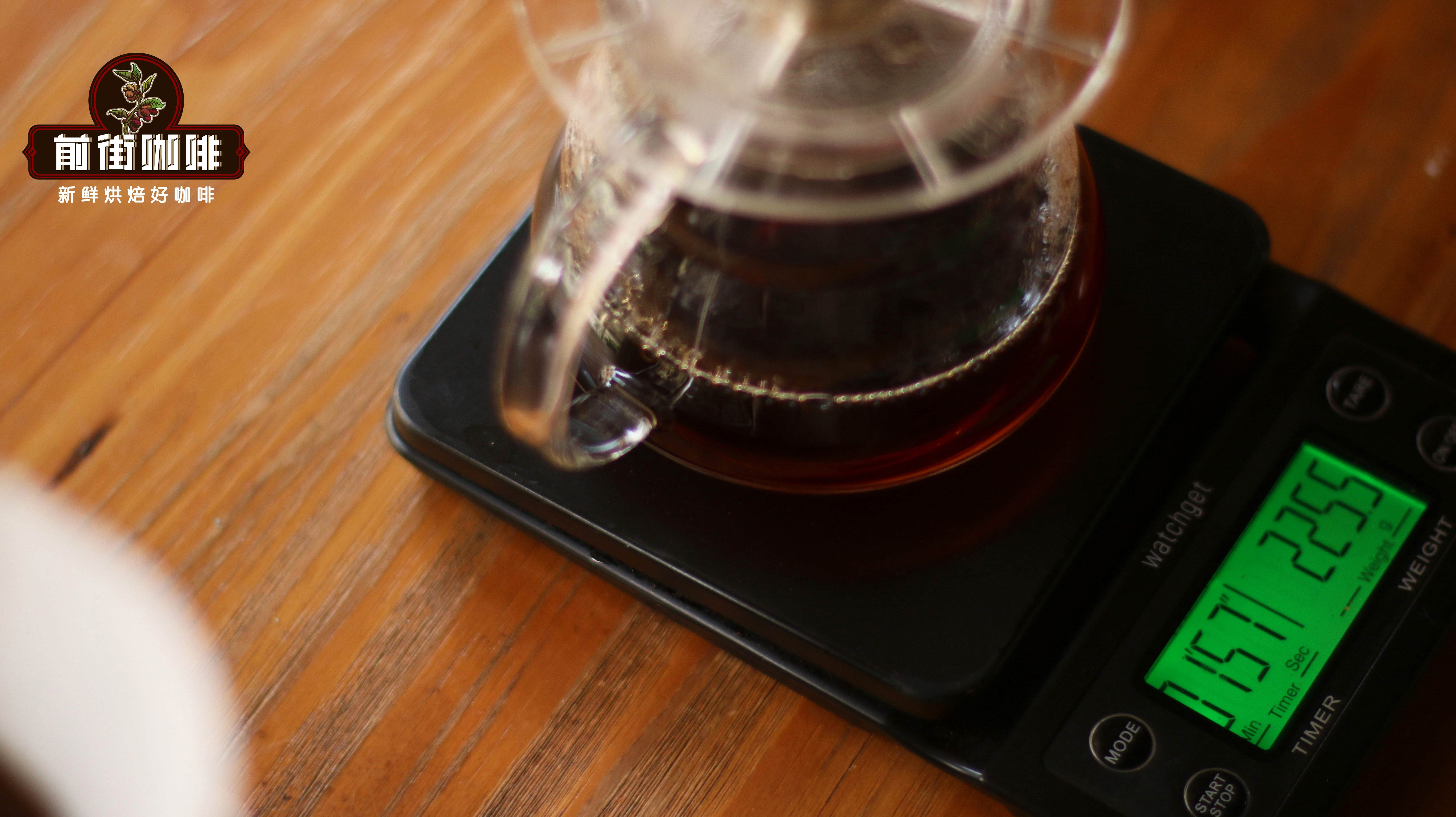
Maintaining a stable water flow and even circular pouring is key when pouring. The size of the water flow not only affects how the coffee bed is agitated, but also directly determines the length of the extraction time. A larger water flow speeds up drainage and can lead to under-extraction; a smaller water flow may prolong extraction time, resulting in bitterness. Beginners are recommended to try “multi-stage pouring,” dividing the pour into stages—for example, the three-pour method: the first stage uses 30 grams of water for a 30-second bloom, the second stage pours with a small stream circling the center to reach 125 grams, and the final stage uses a larger stream to quickly pour up to 225 grams, with the total time controlled around 2 minutes. This technique ensures stable extraction and highlights clear flavor layers in the front, middle, and back notes.
The above content is compiled by CoffeeHunters, a coffee news website.


